


 Deutsch
  English (UK)
  Русский
  العربية
  日本語
日本語  한국어
한국어  Magyar
  Türkçe
  Español
  Čeština
  Svenska
  Português
  Ελληνικά
  Suomi
Suomi  Nederlands
  Română
  Italiano
  Français
  Polski
  Українська
  简体中文
简体中文  Slovenčina
  The Best Boat Rentals in Chesapeake – Top Rentals & Charters">

youll want a 25–30 ft motor cruiser for a day of cruising–most guests enjoy stable handling, shaded cockpit, and room for a group near the coast.
For hands-on fans, bareboat boats exist, while charters with a captain keep you away from the learning curve, letting you enjoy the scenery. Price typically ranges from $120 to $450 per hour, depending on size and season.
Near Annapolis and other Bay-area harbors, options include pontoon boats for easy cruising, cabin cruisers for longer trips, and sport boats for speed. If you want this weekend escape, book 4–hour half-day slots or a full-day charter to maximize your time on the water.
To simplify planning, select options that include safety gear and a clear fuel policy–creating a smooth, stress-free day for youre crew; you can avoid surprises about what’s included, and you can adjust plans if weather shifts.
Sports lovers can mix water-sports like tubing with cruising, and many fleets handle group sizes of 6–12 or more. youll find near shore routes and coastal coves, and you can help minimize plastic waste by bringing a reusable bottle and a tote for gear.
Bottom line: compare price per hour, verify gear, and confirm captain availability if needed. explore options again and again to find the best fit for your next boating excursion.
Chesapeake Boat Rentals: Practical Guide to Top Operators and Renter Tips
Start with licensed operators and compare listings on boatsetter; ensure they have current insurance, meet coast guard requirements, and provide life jackets plus safety gear. Be sure they have verified contact and a clear liability policy.
Choose craft that fit your perfect plan: fishing boats for angling, family cruisers for sightseeing, or craft with surfable water access for watersports; verify hull type, engine hours, fuel type, capacity, and whether gear is included. Look for boats with clean maintenance history and good reviews from other renters.
Read listings before you rent: confirm start time, duration, pickup location, and return process; check weather policy, deposits, and cancellation terms. Also consider the blast of wind or spray you might feel and plan accordingly for jackets and sun protection.
Guidelines for renters: possess any required licenses or permits for fishing; confirm driver age limits, crew requirements, and skipper responsibilities; stay within passenger limits and wear life jackets on deck. Behind each decision, ensure safety remains the priority.
Tips to explore: search near your preferred launch points along the coast, browse offers from many operators, and compare price, inclusions, and trips. Make sure you stay within your time window and take notes on what each operator does to meet your goals, whether it is a quiet cruise or a high-energy outing.
источник: local coast guard and harbor authority guidelines. Sure you double-check official sources before departure; does this match your plan to rent, and are you definitely prepared to proceed with a good, responsible choice? Browse, read, and confirm all details of your trip.
Fleet Snapshot: Boat Types and Capacity by Rental Class
Start with a mid-size motorboat for a crew of 4–6; near Norfolk, this class fits everyone for a day on the water. Look for a motorboat with a 150–200 hp engine, a stable platform, shaded cockpit, and ample storage so you can stay out until sunset. Across years in the market, this watercraft offers good balance and predictable handling for a six-person crew navigating Chesapeake winds and calm waves.
For couples or a small group, a compact watercraft (2–4) is the smart pick. From the shore around Norfolk, it travels easily into tight marinas and keeps costs reasonable. If you want to fish or cruise light, this class is ideal; many options include plastic deck rails, rod racks, and dry storage so you can pack light and browse listings from nearby shores.
Anglers will favor a fishing-focused craft seating 4–6 with rod holders, a livewell, and easy stern access for netting. From Chesapeake Bay access points, these vessels stay stable in shallow flats and inlets, letting you stay out long. Youll find models with bait prep stations and USB charging ports to keep gear charged on long trips; this setup makes renting simpler for crews who want reliability.
For wakeboarding and sports, the 6–12 passenger class features a wakeboarding tower, ballast bags, and a platform for jumps. Winds along the coast can push waves, but these craft stay controllable with trim and a long tow point. The crew will appreciate good pull power for a day of action, and youll enjoy steady handling even when waters run choppy.
Ultra-luxe pontoons and catamarans provide 10–14 seats and premium lounges, perfect for big groups or corporate stays. This class is popular for sunset cruises and bay parties; start by filtering for capacity, then choose a model with shaded decks, high-end sound, and ample seating. For a Chesapeake getaway, this ultra option shines when fishing or cruising with a crew, and it offers turnkey comfort that makes every trip easier. Browse listings, compare offers, and rent this setup for a memorable stay.
Crewed vs Bareboat: What’s Included and How to Decide
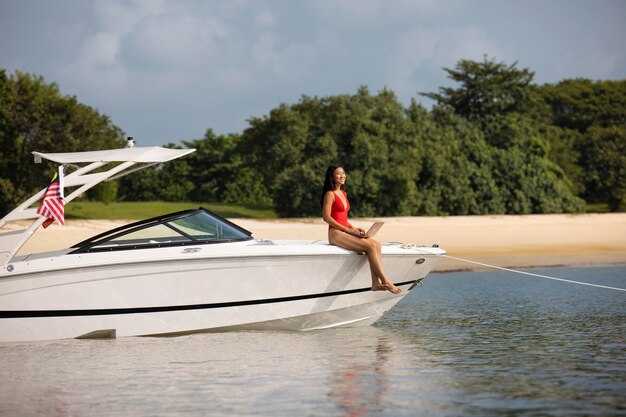
Choose crewed options for a stress‑free voyage; youll have a licensed captain and crew handling navigation, meals, provisioning, and weather routing so youll simply enjoy river views near norfolk.
Crewed packages typically include captain and crew, onboard provisioning or catering, itinerary planning, weather updates, and safety oversight. most options are offered on a sailboat, yacht, or motorboat, delivering comfort and social moments for groups. reviews from years of clients confirm that most travelers value hands‑free days and clear schedules when selecting this path along river routes near norfolk.
Bareboat implies self‑led travel; youre responsible for planning routes, provisioning, docking, safety checks, and insurance coordination. youre expected to hold a valid license or operate with a licensed skipper arranged by a charter team. youll need to book a vessel with essential gear such as life jackets, charts, radios, and basic spares. this path appeals to groups seeking flexibility and lower upfront costs, yet demands solid sailing skills and careful planning, especially on popular stretches of water around norfolk and beyond.
Guidelines for choosing boil down to purpose and ability: if relaxation, social moments, and ultra‑smooth days are your purpose, crewing shines. if you want maximum control and lower day rates, bareboat can work, provided you have sufficient experience and a solid plan. search nearby markets to compare options, then read reviews to gauge satisfaction levels. first‑time guests often opt for crewing to build confidence, then return with a crewed or bareboat setup again as years go by; this approach helps you compare vessels like sailboats, yachts, and motorboats on routes near rivers and coasts while you continue building your own yard of memories.
| Aspect | Crewed option | Bareboat option |
|---|---|---|
| Personalbeschaffung | Captain + crew; licensed master; occasional chef or steward | Self‑led or skipper supplied; no dedicated crew |
| Provisioning | Provisioning included or arranged; meals on board | You handle provisioning; shopping and prep by your group |
| Itinerary control | Flexible routing with professional oversight | Full control by your group; weather and safety still matter |
| Licensing | No personal license required; supervision provided | Requires valid license or authorized skipper; safety briefings |
| Cost considerations | Higher daily rate; all‑in for crew, meals, and transport | Lower upfront; extra costs for skipper, provisioning, marina, insurance |
| Sicherheit & Versicherung | Crew handles checks; vessel insured; incident handling centralized | Safety duties on your shoulders; verify insurance and coverages |
| Flexibility | Comfort‑oriented pace; schedule managed by crew | Maximum control; potential delays from weather or skill |
| Best fit | First timers, groups seeking ultra‑low stress | Experienced sailors, budget aware groups seeking learning |
Pricing, Deposits, and Hidden Fees: What to Expect
Always request an itemized quote before you book a watercraft. Insist on a breakdown that covers base rate, fuel plan, crew (if applicable), equipment extras, insurance, taxes, and dockage. This is your first step to avoid surprises and to compare offerings side by side across many providers. If youre planning a weekend on water, this helps you stay within budget and avoid sticker shock.
источник pricing guide notes that deposits commonly run 20-30% for bareboat-style options and 30-50% for outfitted vessels with a crew. Hold times vary by operator and may appear as pre-authorization on your card for 5-14 days.
Minimums and block rates:
- Minimum rental blocks typically 4-6 hours; full-day blocks (8-10 hours) are common for large yachts and motorboats with ample outfitted spaces; weekend blocks may require 2 days.
- Base rate varies by vessel class: small motorboats 180-350 per day; midsize cruisers 400-900; large yachts 1,200-2,500+ per day.
- Bareboat options start around a few hundred dollars per day; crewed or fully outfitted options can exceed several thousand dollars per day depending on gear and distance.
Hidden fees to expect:
- Treibstoff: wird pauschal (voll-zu-voll) abgerechnet oder zum Marktpreis; kalkulieren Sie je nach Reiseroute mit 1-3 Stunden Motorlaufzeit pro Tag.
- Liegegebühren/Marina-Gebühren: 50-300 pro Tag, je nach Lage und Saison.
- Reinigung: 40-150.
- Versicherung oder Schadensverzicht: 15-60 pro Tag; einige Tarife sind im Grundpreis enthalten, während andere separat berechnet werden.
- Lieferung/Abholung und Bereitstellung: 2-5 pro Meile oder eine feste Gebühr.
- Zusatzausstattung: Wakeboardausrüstung, surfbare Boards, Wasserski, Schnorchelausrüstung können gegen eine Gebühr von 25-100 pro Tag und Artikel inbegriffen oder gemietet werden.
- Besatzung oder Kapitän: 150-350 pro Tag, zuzüglich optionalem Trinkgeld für Servicequalität.
- Steuern und Servicegebühren: können je nach Gerichtsbarkeit 5-10 % betragen.
Tipps, um im Budget zu bleiben und Überraschungen zu vermeiden:
- Vergleichen Sie die Gesamtkosten mithilfe von Such- und Browsing-Tools; konzentrieren Sie sich auf die Gesamtbetriebskosten für Ihre Daten und Schiffsklasse und nicht nur auf den Grundpreis.
- Anforderungen präzisieren: Alter, Lizenzierung, Erfahrung, Sicherheitseinweisungen; viele große Schiffe erfordern einen lizenzierten Kapitän; andere erlauben Bareboat, wenn Sie mit einer Checkliste der Quelle oder Hafenbehörde qualifiziert sind.
- Erkundigen Sie sich nach den Stornierungsbedingungen: Die meisten verlangen eine Vorankündigung, um eine vollständige oder teilweise Rückerstattung zu erhalten; einige bieten Gutscheine bei ungünstigem Wetter an.
- Überprüfen Sie den Zustand des Schiffes vor der Abfahrt: Vergewissern Sie sich, dass die Sicherheitsausrüstung vorhanden ist; testen Sie die Navigationsgeräte; bestätigen Sie den Treibstoffplan; bestätigen Sie die Wasserspielzeuge, wenn Sie Wakeboarding- oder Surf-Sessions planen.
- Dokumentieren Sie alle Gebühren schriftlich, einschließlich aller Anzahlungen: stellen Sie sicher, dass Sie wissen, ob die Sicherheitskaution nach der Schlussrechnung verschwindet; wenn nicht, wenden Sie sich so schnell wie möglich an den Anbieter.
- Plane einen fantastischen Reiseplan für deinen Aufenthalt: Wenn du mit Veranstaltungen reist, buche frühzeitig, besonders in der Hauptsaison oder an Feiertagswochenenden; frühe Buchungen reduzieren das Risiko von Preiserhöhungen.
- Überprüfen Sie immer die Quelle von Preisaktualisierungen und lesen Sie Bewertungen; viele Segler durchsuchen verschiedene Angebote, um eine passende Option für Bootsfahrer, Bootfahren und Erkundungstouren zu finden.
Buchung und Verfügbarkeit: Sichern Sie sich Ihren Termin und Ihre Zeitpläne
Blocken Sie Termine vier bis sechs Wochen im Voraus für Wochenendkreuzfahrten entlang der Küste. Für die besten Optionen suchen Sie auf boatsetter nach Ort, um Ausflüge mit Kapitän und Routen für Selbstfahrer zu vergleichen, und wählen Sie dann ein Segelboot oder Motorboot, das zu Ihrer Crew und Ihren Aktivitäten passt.
Fahrten unter der Woche sind weiterhin reichlich verfügbar, während Samstage in der Hochsaison schnell ausgebucht sind. Wenn Sie Wakeboarden oder sportliche Fahrten unternehmen möchten, beginnen Sie mindestens zwei Monate im Voraus mit der Planung und reservieren Sie ein entsprechend ausgestattetes Boot mit dem richtigen Ballast, der passenden Wakeboard-Ausrüstung und der erforderlichen Sicherheitsausrüstung.
Definieren Sie Ihren Zeitplan nach Reiseart: kurze Küstenhüpfer, mehrtägige Erkundungen oder Kreuzfahrten mit großen Gruppen. Wenn Sie sich nicht sicher sind, beginnen Sie mit Ausflügen mit Skipper, die Kapitän, Treibstoff und Sicherheitsausrüstung beinhalten, damit Sie unbesorgt auf Entdeckungstour gehen können. Ihre Auswahl sollte Wetterfenster, Ausweichtermine und Stornierungsbedingungen berücksichtigen, damit Sie Last-Minute-Hektik vermeiden.
Liste bevorzugte Standorte auf, die Sie besuchen möchten, und ob Sie lieber Ufernahe Liegeplätze oder abgelegene Buchten wünschen. Filtern Sie für eine große Gruppe nach Schiffen, die für viele Gäste und Sportarten wie Wakeboarden und Cruisen ausgestattet sind. Überprüfen Sie immer die Startzeiten, die Daueroptionen und ob Sie Ihren Aufenthalt verlängern oder zusätzliche Fahrten während Ihres Zeitfensters hinzufügen können.
Um einen Termin zu fixieren, bestätigen Sie die Einzahlungsbedingungen und Stornierungsfristen. Überprüfen Sie Bewertungen, Ausrüstung und Wetterrichtlinien. источник ist eine nützliche Referenz, um Angebote mit echtem Feedback zu überprüfen, einschließlich Posts von Boatsetter. Vergleichen Sie unbedingt nahegelegene Optionen, um nicht zu viel zu bezahlen. Sie können fortfahren, wenn Sie eine bestätigte Startzeit, ein auf Ihren Sport zugeschnittenes Boot und einen Kapitän haben.
Sicherheit, Lizenzierung, Versicherung und erforderliche Ausrüstung
Überprüfen Sie vor jeder Fahrt stets die Lizenzen, die Versicherung und die vorgeschriebene Sicherheitsausrüstung. Suchen Sie nach einem Superowner mit klarer Dokumentation, aktuellen Zulassungen und einer COI, die die Passagiere auflistet; dies ist ein sicherer Weg, um beim Mieten von Booten, Yachten oder Segelbooten geschützt zu sein.
Lizenzierung und Versicherung prüfen Sie die Anmeldeinformationen des Betreibers mit der örtlichen Schifffahrtsbehörde; fragen Sie nach den Lizenznummern und einer aktuellen COI-Liste, die Deckung für Passagiere, Kasko und Haftpflichtversicherung bietet. Für Gruppenausflüge und -veranstaltungen fordern Sie einen zusätzlichen Versicherungsschutz und höhere Deckungssummen an; beliebte Betreiber mit transparenten Bewertungen praktizieren dies oft.
Required gear für jede Fahrt beinhaltet PFDs für alle an Bord eine Wurfrettungsweste und einen funktionierenden Feuerlöscher; ein Schallsignalgerät (Pfeife oder Horn), ein Marine-UKW-Funkgerät, GPS oder einen Kartenplotter und einen Erste-Hilfe-Kasten. Haben Sie wasserdichte Karten oder ein digitales Backup und fügen Sie Ersatzbatterien, eine Taschenlampe und eine schwimmfähige Leine für Mann-über-Bord-Übungen hinzu. Bringen Sie zum Wakeboarden oder Wasserskifahren ein Schleppseil, einen Griff und einen Spotter in der Crew mit, um an Deck sicher zu sein.
Handwerkskontrollen Boote, Motorboote, Yachten und Segelboote erfordern unterschiedliche Überprüfungen: Stelle sicher, dass die Festmacherleinen, Fender, Anker und Ankerleine für alle Wasserfahrzeuge in gutem Zustand sind; überprüfe bei Segelbooten die Takelage, die Unversehrtheit des Rumpfes und eine stabile Mittellinie; überprüfe bei Motorbooten Öl, Kraftstoff und Batteriezustand; plane für Wakeboarding-Sessions einen freien Kurs und eine fähige Crew, die schnell reagieren kann, falls jemand stürzt.
Quellen und Überprüfung: Lies aktuelle Bewertungen und vergleiche Sicherheitsdaten; anhand dieser Ereignisse und Bewertungen kannst du eine zuverlässige Option finden. Suche nach Angeboten auf sailo und gleichen Sie sich mit der Quelle ab, um Konsistenz zu gewährleisten. Berücksichtigen Sie bei der Auswahl die Gruppengröße, die Beliebtheit und die Bereitschaft von Kapitän und Besatzung, auf Zeitpläne einzugehen. Eine perfekte Übereinstimmung wird definitiv die Erwartungen aller an Bord erfüllen und Ihnen helfen, eine Entscheidung zu treffen, die die Sicherheit und das Wohlbefinden aller gewährleistet.