


 Deutsch
  English (UK)
  Русский
  العربية
  日本語
日本語  한국어
한국어  Magyar
  Türkçe
  Español
  Čeština
  Svenska
  Português
  Ελληνικά
  Suomi
Suomi  Nederlands
  Română
  Italiano
  Français
  Polski
  Українська
  简体中文
简体中文  Slovenčina
  Portorosa Sicily Sailing Itinerary – The Ultimate Guide to Western Sicily Cruising">

Base Portorosa for this suggested western Sicily sailing vacation. Use it as your hub for a flexible loop toward Filicudi and Lipari, with reliable shelter, easy provisioning, and calm mornings before you head into open water today.
From Portorosa you ride the winding lanes of the Tyrrhenian coast, with the wind behind you and the sea ahead. Plan an early start to reach Filicudi before the heat of noon, and leave yourself time for a splash or a reef pass if the weather has changed during the night.
Filicudi rewards careful planning with sheltered bays, crystal-clear water, and sea caves accessible by dinghy. Anchor near Pecorini or along the western shore to explore a tonnarella ruin and watch the last light fade over dramatic cliffs; a quick swim is especially refreshing.
Next, sail to Lipari for markets, harbor life, and volcanic scenery. The lanes around the quay bustle with locals selling olives, citrus, and fresh seafood; stay long enough to sample shellfish and then refill freshwater at the marina. If Lipari seems crowded, Salina offers calmer anchorages and views that are nicer than you expect, with basil and tomatoes that taste sweeter than on the mainland, and evening strolls along the waterfront.
On the last leg back toward Milazzo or Capo d’Orlando, summon a taxi for provisioning in town and a quick walk along the old fortifications. For a 5–7 day plan, allocate four anchorages, stay flexible as winds shift, and let the sailors decide which hidden bays offer the finest things to do at sunset away from the crowds.
Practical Breakdown for a Portorosa to Western Sicily Cruise
Book an early-morning start from Portorosa to catch calm seas and a quiet harbor; in the wake of dawn you reach Favignana for a warm swim at spiaggia Cala Rossa and an authentic dip before the winds pick up.
Travelers should follow this best-practiced pattern: sail mornings, anchor by early afternoon, and spend cool hours ashore. This keeps you refreshed for night moorings and avoids crowded harbors.
kate will remind you to stay flexible: keep your berths booked, but stay ready to swap stops if a favored cove looks better at first light. Armstrong, a seasoned sailor, adds that checking the forecast twice daily and keeping a simple plan will cut stress and make the days spent on deck more fantastic.
Anchorage strategy centers on lee shores with good holding and easy stern lines. Only bring the essentials to the boat to maintain deck space for swimming gear and spare lines. Springs should be rigged so you can adjust the boat to rolling seas without waking the crew in rough weather. Sailors who plan the night in sheltered bays report warmer evenings and less motion, which helps visitors sleep and wake ready for another day of exploring.
| Stop | Distance (nm) | Typical Time (h) @ 6–7 kn | Anchorage Tips | Anmerkungen |
|---|---|---|---|---|
| Favignana (from Portorosa) | 28–34 | 5–6 | Sheltered south coast near Cala Rossa; choose a calm night if possible | Excellent swimming; plan an evening wake to enjoy sunset silhouettes; visitors will love the first taste of Western Sicily |
| Levanzo | 10–16 | 2–3 | Quiet coves along the west shore; use stern springs for steadying | Short hop, great for a relaxed afternoon swim and a warm meal ashore |
| Marettimo | 16–22 | 3–4 | Sheltered bays on the north coast; protect from sirocco with an exposed reef nearby | Fantastic snorkeling; second-largest anchorage option in the archipelago gives a comfortable night if winds shift |
| Trapani | 28–40 | 5–7 | Harbor within easy reach of provisioning; consider a quick road run to the fish market | Gate to western Sicily cuisine; best for a longer stop with a city night |
| Palermo | 90–110 | 16–20 | Palermo port or nearby Cala Marina; verify pilot charts and harbor regulations | Huge culinary scene for travelers; book ahead if you plan a city day ashore |
Leaving Favignana and beyond, plan two clear overnight legs and reserve a day for the best beaches and quiet coves. Mount a quick dinghy ride for a sunrise swim, and always check shore access rules at each stop so you stay respectful to locals and staying boats. The route is filled with authentic coastal landscapes, and you’ll find warm waters and fantastic dining along the way.
Your crew gains momentum with each harbor, and the itinerary can bend to conditions and your group’s mood. By staying flexible and packing light, you’ll discover why this coast remains a favorite for visitors and sailors alike, with sunlit days that linger into night and a rhythm that invites you to spend more time on deck.
Day-by-Day Leg Planning: Distances, Timing, and Overnight Stops
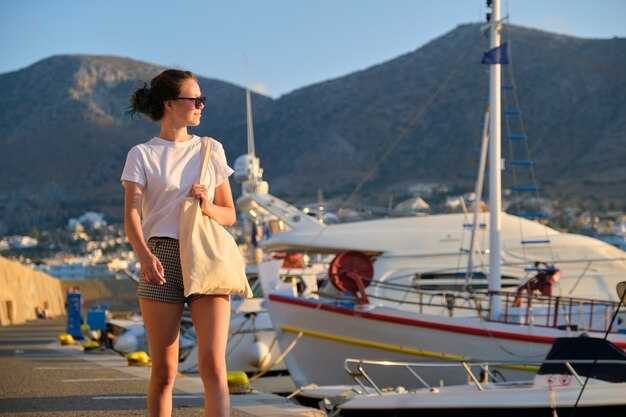
Begin Day 1 with a 38–40 NM hop from Portorosa to Castellammare del Golfo, targeting 6–7 hours of sailing at a steady pace. The refreshing breeze tends to rise mid-morning, letting you head in with daylight remaining. Overnight in Castellammare del Golfo harbor, where a wonderful evening stroll along the waterfront leads to peppers on a seafood-focused menu at a local star restaurant. This base leg is listed as the recommended start in the itinerary.
Day 2 takes you Castellammare del Golfo to Trapani–roughly 28–34 NM, about 4–6 hours depending on wind. Start after breakfast and weave along the coast, keeping a steady course to the west. Dock near Trapani’s old town to enjoy a beautiful sunset over the salt pans and the tuna market. Evening events or a casual aperitif in the marina are easy to arrange. Overnight in Trapani; use a central base to ease morning departure for Day 3.
Day 3 covers Trapani to Favignana–about 18–25 NM, 3–5 hours. Depart after a hearty breakfast and reach Favignana by midday. Spend the afternoon snorkelling at Cala Rossa or Cala Azzurra, then take a short hill hike to a vantage point above the town. The island’s form and coastline weave a brilliant backdrop for island wandering. Stay in Favignana’s marina; two nights here help you savor the next leg of the itinerary.
Day 4 ferries Favignana to Levanzo–8–12 NM, 2–4 hours. Morning breeze makes for an easy hop to Levanzo. Anchor near the village or in a sheltered cove, then spend the afternoon snorkelling in crystal-clear water and exploring hillside trails with a gentle hill climb for views over the channel. An evening on the quiet pier offers a refreshing contrast to busier ports, with peppers showing up in a simple, seafood-forward dinner by the water.
Day 5 routes Levanzo to Marsala–25–35 NM, 4–6 hours. Set a course along the western coast, arriving mid-afternoon. Base in Marsala to wander the historic center, visit a cantina to sample the local wine, and enjoy a sunset walk along the waterfront. The dining options include a star restaurant that highlights fresh seafood and local produce; a brilliant memory forms as you savor a glass of Marsala with the sea breeze. If time allows, a brief snorkelling session in the shallow bays completes the day; there are often events listed in the marina bulletins.
Optional detour for rinella: If you extend to the Aeolian Islands, stop at rinella on Salina for a sheltered night. The next morning, a short hop to Lipari yields a full island loop before returning toward Portorosa along the coast, weaving together a complete program with hikes and snorkelling opportunities. This extension adds a refreshing twist to the itinerary and can be planned for next time on the water.
Anchorage, Mooring, and Docking Options in Salina, Lipari, and Stromboli
Start with Rinella, Salina, for a dependable, consistent anchorage that keeps your crew calm before you sail to Lipari and Stromboli.
Salina offers two practical options: Rinella’s sheltered waters near the main harbor, ideal when winds shift from the north, and Pollara, a little bay with a stunning setting that works well in calm seas. If you need mooring buoys, check with the local fishermen’s association ahead of time, and always verify bottom quality and depth with the harbor master. You can enjoy a delicious lunch ashore at an agriturismo near the hill towns, then return to the boat with fresh provisions and a brilliant sunset to cap the day–everything feels easy when the wind cooperates.
In Lipari, choose Marina Corta for proximity to the old town, fuel and water, and easy access to provisioning. If you prefer more buoy space, Marina di Lipari (the larger harbor on the east side) offers longer berths and better protection from sirocco, though it can be busier. Both harbors handle bareboat charters well, and you’ll often find crews ashore sampling vibrant seafood dishes and Neapolitan-inspired pizzas after a day on the water. Make sure you’re listed with the harbor master to secure a slip or buoy, especially in peak season; otherwise you’ll be left circling with the plots of crowded yachts and advertisement boards overhead.
Stromboli presents a different rhythm: Porto di Stromboli handles limited berths, so many sailors alternate between the protected harbor and a land-based option in the little isla of Ginostra or Cala di Ficogrande. If you plan to anchor off Stromboli, prefer Cala di Stromboli or the area near Punta Lazzaro when winds are favorable, and land using a dinghy for landings. Because of the volcano, currents and sudden gusts can surprise you, so always check the latest notices and keep a spare anchor as a backup. Youre best off booking ahead during high season and coordinating with the local coast guard for safe entry paths and docking options near the volcanic coast.
Practical planning tips: during the pandemic era, some harbors require pre-arrival confirmations and health declarations; always call ahead to confirm mooring availability and any limits on guest numbers. For bareboat crews, carry updated charts, a robust anchor kit, and a reliable VHF channel to contact the harbor master. On all three islands, consider a staggered schedule to avoid peak times and enjoy consistent access to services, fresh seafood, and friendly help from Sonia and other local skippers who know the best anchorage angles, the little details of tides, and where to drop lines without disturbing nearby reefs.
Food and stay options enrich the cruise: on Salina, pick an agriturismo with garden-fresh produce and delicious regional dishes; on Lipari, sample fantastic local dishes–including Neapolitan-inspired touches–at waterfront eateries that love to showcase fresh fish. The largest harbors on Lipari make it easy to resupply and plot future legs, while Stromboli’s volcanic backdrop adds a brilliant, ever-present soundtrack to every sail. If you need a compact itinerary, you could sail Rinella → Lipari (Corta or Lipari) → Stromboli, then adjust for weather and currents. This route keeps the experience consistent and enjoyable, avoiding crowded spots and keeping you close to reliable services, whether you’re a seasoned bareboat captain or a first-timers’ crew looking to savor the islands’ iconic foods and volcanic scenery.
Waypoints and Scenic Highlights: Salina to Panarea and Stromboli
Anchor at Santa Maria, Salina, for a refreshing swim in clear acqua and a first briefing on the route ahead. Tie a short stern-to near Pollara’s shore and enjoy the fine light over the vented coast as Monte Fossa delle Felci rises inland. This Leg sets a desirable pace for a solo cruise or a relaxed family voyage today, with straightforward moorings and a solid plan.
- Salina (Santa Maria to Pollara) – a 5–7 nm hop. Stop for a solo swim in sheltered waters, then explore Pollara’s hidden crater bay. The coastline shows the deposito of ancient eruptions and a calm, easy approach into the lee. A brief walk to the lookout over the island’s Monte Fossa delle Felci adds culture and a clear perspective before you depart.
- Panarea (San Pietro, Cala Junco) – about 5–7 nm from Salina. Drop anchor off San Pietro or Cala Junco, where the water stays fine and the waterline reveals white (bianca) houses along a refined shore. Visit a small island museum if time allows, and check in with a local guide to learn their history and craft. The hidden coves near Cala Junco reward a dinghy excursion, and the long, smooth coast invites a relaxed stroll along the quay while you plan the next leg.
- Stromboli (Sciara del Fuoco view, Scari or Ginostra) – a longer leg, roughly 10–12 nm depending on wind. Approach Stromboli’s north coast to keep seas gentle, then anchor near Scari or Ginostra for shore access. In the late afternoon or after dark, the yellow glow from the crater offers a dramatic scene you won’t forget. Optional sunset walk to vantage points above Sciara del Fuoco provides a practical, unforgettable finale; later, a short tender ride back to the boat seals the experience. A quick visit to a small museum on the island deepens your understanding of local culture and volcanic activity.
Praktische Hinweise: Planen Sie eine gründliche Überprüfung des Wetters und der Strömungen vor der langen Überfahrt nach Stromboli und hinterlegen Sie eine Kaution für Liegeplätze in Panarea, falls Sie dort übernachten möchten. Die Inseln liegen dicht beieinander und bieten besseren Schutz, wenn Sie sich an einem längeren, ruhigeren Wasserabschnitt orientieren und den geschäftigen Hafen für den letzten Tag aufsparen. Die heutige Route bietet ein ausgewogenes Verhältnis zwischen klarer Wasserqualität, kulturellen Stopps und der Möglichkeit, in versteckten Buchten zu schwimmen, was diese Etappe zu einem echten Highlight Ihrer Salina–Panarea–Stromboli-Route macht.
Wetterfenster, Strömungen und Überlegungen zum sicheren Seegang
Plane deine Etappen von Portorosa nach Westsizilien im Mai oder September, um zuverlässige Morgenstunden, leichte bis mäßige Westwinde und günstige Seebedingungen entlang der Küste zu erwischen. Dieses Zeitfenster eignet sich, um Filicudi, Canna, Vulcano und die anderen schönen Orte der italienischen Westküste in entspanntem Tempo zu erkunden.
Weather windows
- Kernfenster: Mai–Juni und September–Oktober bieten Winde von meist 8–18 Knoten aus West bis Nordwest und Seegang 0–1,5 m entlang der Küste.
- Tageszeitliche Planung: Start nach Sonnenaufgang; erwarte eine Nachmittags-Seebriese, die sich allmählich auf 12–20 Knoten aufbaut, so dass du Etappen wählen kannst, die mit der Brise zwischen Portorosa und Favignana oder Filicudi verlaufen.
- Vorhersagedisziplin: ARPA Sicilia und Seewettervorhersagen auf Windguru oder Meteo.it für die nächsten 48 Stunden prüfen; Hafenbehörde für Updates anrufen; Kate empfiehlt, einen kleinen Puffer im Zeitplan einzuplanen.
- Logistik: Bootsbuchungen frühzeitig koordinieren; Liegeplätze und Anzahlungen in Häfen im Voraus sichern; einen Backup-Plan für einen Landgang erstellen, falls sich die Bedingungen ändern.
Currents
- Ägadische Inseln: In ruhigen Perioden verlaufen die Strömungen um Favignana und Levanzo leicht (0,5–1,5 Knoten); bei windigeren Bedingungen können sie entlang der Nordküste 2–3 Knoten erreichen. Planen Sie daher Etappen, um die Flut bei Ostkursen zu nutzen.
- Äolische Passagen (Filicudi, Canna, Vulkanos): Strömungen sind variabler; typischerweise 1–2 Knoten, mit Böen bis zu 3–4 Knoten, wenn sich Winde mit den Kanälen ausrichten; Inselpassagen zwischen Inseln bei Tageslicht durchführen und lokale Berichte überwachen, um sicher zu bleiben.
- Lokale Wirbel und Ablagerungen: Achten Sie auf Merkmale in der Nähe von Zotta und anderen Landzungen; sie können eine Etappe verlangsamen, wenn Sie Ecken schneiden und sich in Küstennähe aufhalten.
- Tipps: Nutzt die Strömung bei längeren Hüpfern zu eurem Vorteil, aber haltet euch an geschützte Routen, wenn der Wind in Richtung der Vulkane oder anderer felsiger Küstenlinien dreht.
Sichere Seegangsbedingungen
- Wetterbedingungen: Wasseretappen auf Seezustand 0–3 beschränken; das Überqueren von offenen Kanälen bei Seezustand 4+ oder bei Böen über 25 Knoten vermeiden; Scirocco-Tage können die See entlang der Westküste und um die Vulkane auf 2–3 m ansteigen lassen.
- Ausrüstung und Crew: Sicherstellen, dass beim Fahren Schwimmwesten getragen werden; Decks Ausrüstung sichern; eine gründliche Einweisung vor der Abfahrt für die Flottille durchführen; ein therapeutisches Ritual der Ausrüstungskontrolle hilft der Crew, ruhig zu bleiben.
- Seefahrerische Vorsicht: Bevorzugen Sie Tagespassagen durch exponierte Kanäle; achten Sie auf Dünung und Strömungen; halten Sie einen Notfallplan bereit, um im nächstgelegenen Hafen anzulaufen, falls sich die Bedingungen verschlechtern.
- Hafenbetrieb und -kosten: Überprüfen Sie die Kautionsanforderungen für Liegeplätze, insbesondere in kleinen Häfen wie in der Nähe von Filicudi oder Zotta; buchen Sie über Boatbookings, um Stress in letzter Minute zu vermeiden; planen Sie Landgänge zur Entspannung.
Zwischen der Westküste und den Äolischen Inseln sorgt ein gut gewähltes Zeitfenster für ein wahrhaft angenehmes Segelerlebnis mit erfrischenden Ausblicken und Möglichkeiten zur Erkundung der Küste. Die Westküste Italiens bietet eine Reihe von geschützten Buchten und Ankerplätzen, die es zu genießen gilt, von Cala del Porto bis zu den Ufern in der Nähe von Zotta; diese Route ist für ein entspanntes Flottillentempo ausgelegt, bei dem Sie die "bella scena" der Inseln genießen und die Crew mit Erkundungen und Segeln beschäftigen können. Eine gründliche Vorbereitung, ein flexibler Plan und ein rechtzeitiger Anruf im Hafen machen die Reise "Bello".
Ausrüstung, Sicherheitsausrüstung und lokale Vorschriften für die Route
Proviantiert für drei Tage Wasser und gute Verpflegung in Portorosa, bevor ihr ablegt; eine zufriedene Mannschaft startet ausgeruht und wohlgenährt.
Proviant: Erstelle einen agilen Plan für eine Sizilien-Sommerroute, der sich auf haltbare Lebensmittel plus frische Akzente von nordöstlichen Märkten konzentriert. Halte eine große Kühlbox gefüllt mit Pasta, Oliven, Käse, Dosentomaten, Brot und Obst bereit, plus Platz für ein oder zwei Caponata, die man an Strandpausen genießen kann. Packe einen kompakten Kocher oder Grill, einen Vorrat an Einweggeschirr und ein paar Dosen Thunfisch oder Sardinen für schnelle Mahlzeiten ein, wenn die See unruhig ist. Füge ein paar energiespendende Snacks, eine kleine Flasche Olivenöl und ein zuverlässiges Kaffee-Equipment hinzu, um die Moral bei langen Etappen zwischen den Häfen hochzuhalten. Mische für lange Etappen leichte, einfache Optionen ein, damit die Mahlzeiten ausgewogen und schmackhaft bleiben, und plane ein paar fleischlose Abende ein, um den Plan auszugleichen.
Sicherheitsausrüstung: Jede Person an Bord trägt eine Schwimmweste, wenn das Boot in Fahrt ist; eine zusätzliche Weste sollte im Cockpit bereitliegen. Zwei Feuerlöscher, die für Brände durch Elektrizität und in der Kombüse geeignet sind, eine Wurfboje, ein Erste-Hilfe-Kasten und ein gut sortiertes Messerset gehören zur Ausrüstung. Ein funktionierendes UKW-Funkgerät mit DSC und ein Handfunkgerät als Ersatz sowie aktuelle Seekarten und ein Kompass sind erforderlich. Führen Sie Leuchtraketen oder Pyrotechnik in einem wasserdichten Behälter und eine EPIRB oder PLB für längere Strecken entlang der Nordostküste mit. Eine Bilgenpumpe, eine manuelle Handpumpe und ein paar Fender zum Schutz der Boote beim Anlegen gehören ebenfalls dazu. Für Schnorchelausflüge sind eine Maske, ein Schnorchel, Flossen und ein zusätzliches Set für die Crew mitzubringen, damit jeder in der ruhigen Sommerbewegung versteckte Buchten und Rifftaschen genießen kann.
Lokale Vorschriften: Gültige Bootsdokumente, Versicherung und Eigentumsnachweis an Bord mitführen; Kopien für Inspektionen in der Nähe von Häfen wie Portorosa und Capo d’Orlando bereithalten. Der Skipper sollte über einen anerkannten Befähigungsnachweis für Küstennavigation verfügen; bei der Verwendung von VHF oder DSC die lokalen Lizenzbestimmungen oder Betreiberregeln einhalten. Einige Schutzgebiete erfordern Genehmigungen oder spezielle Hinweise vor dem Ankern in der Nähe von Stränden (spiaggia) oder markanten Faraglioni-Formationen; aktuelle Richtlinien bei den Hafenbehörden oder dem Hafenpersonal erfragen. Küstennahe Geschwindigkeitsbegrenzungen einhalten, Wildtiere und Nistplätze respektieren und das Ankern in Schutzgebieten auf dem Meeresgrund vermeiden. Die Hafenbüros im Nordosten können aktuelle Hinweise zu Anlegestellen, zu beachtenden Punkten und saisonalen Schließungen, die Ihre Reiseroute beeinträchtigen könnten, geben.
Routen-Highlight: Der nordöstliche Abschnitt Siziliens bietet eine herrliche Küstenlinie, versteckte Buchten und Juwelen wie dramatische Felsvorsprünge und nahegelegene Strandbuchten. Im Sommer eröffnet das erste Licht über dem blauen Wasser den Blick auf Faraglioni-Felsen und ruhige Buchten, in denen eine Schnorchelpause zum Höhepunkt Ihres Tages werden kann. Planen Sie Stopps ein, bei denen Sie lokale Fischer bei der Arbeit beobachten, Caponata in einer Taverne mit Meerblick probieren und die Crew an Bord auf einem gleichmäßigen Tempo halten können, das sowohl das Wetter als auch die lokalen Regeln respektiert. Diese Szenen von einem gut ausgestatteten Boot aus zu beobachten, mit der richtigen Ausrüstung und den entsprechenden Genehmigungen, gewährleistet eine sichere und angenehme Reise für die gesamte Crew der Boote, die durch eine gemeinsame Liebe zum Meer verbunden sind.