


 Deutsch
  English (UK)
  Русский
  العربية
  日本語
日本語  한국어
한국어  Magyar
  Türkçe
  Español
  Čeština
  Svenska
  Português
  Ελληνικά
  Suomi
Suomi  Nederlands
  Română
  Italiano
  Français
  Polski
  Українська
  简体中文
简体中文  Slovenčina
 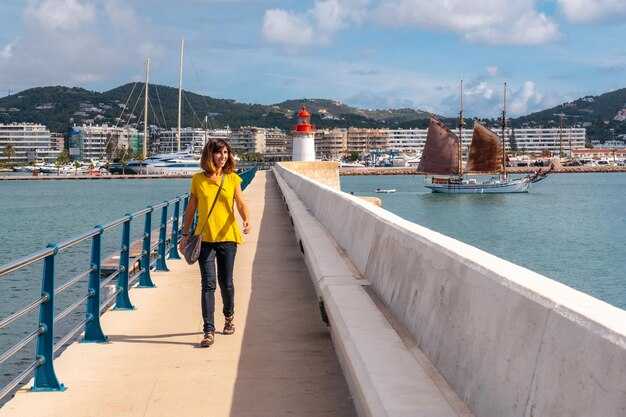 Our Top Picks for Cruise Stops in Croatia | Best Croatian Ports">

Start your Croatian cruise with Dubrovnik, the pearl of the southern Adriatic, to set a bold tone for the voyage. The city walls rise above the scenery along the old harbor, and the bustle of street markets keeps things vibrant without losing charm, with silver light reflecting on the water at golden hour. If you plan two days here, book a late-afternoon walk along the city walls and a sunset stroll on Stradun.
From there, a practical combinations of Split’s Roman relics and contemporary marina life on the nearby island ciovo lets you compare pace and scale. In Split, stroll Diocletian’s Palace, then head into known waterfronts for a less crowded dinner on the Riva. The final plan could include a quick ferry to Trogir to savor its compact city core and stone lanes.
On day two, consider a stop like Sumartin on the island Brac, a smaller harbor where clear water meets local cafés. The town offers easy walks to pine groves and the scenery of distant hills, with a pearl of a sunset over the quay. If your schedule allows, take a short ferry to Bol for wind-sculpted beaches and less bustle than the main island towns.
Another option lies on the opposite side of the channel: Rogač on the island of Solta. This port invites a calmer rhythm and modern facilities, with quick trips to quiet coves and rugged scenery. The besucht routes here are usually combined with day trips to the nearby towns of Maslinica and Stomorska, giving you a taste of authentic Dalmatian life away from crowds.
For the final stage of your plan, prioritize ports known for easy connections and friendly locals. A single itinerary that links Dubrovnik, the ciovo-Trogir-Split cluster, and a couple of island stops like Sumartin and Rogač creates easy combinations of sea views, scenery, and culture. This route keeps distances short, modern amenities within reach, and a flexible pace that suits travelers who crave their own pace and dream moments along the coast. It’s sure to satisfy families, couples, and first-time travelers alike.
Our Top Picks for Cruise Stops in Croatia: Best Croatian Ports; Sightseeing in Zadar for Your Croatian Sailing Vacation
Start in Zadar for a compact, history-rich first day. The old town places you in five areas, with the saint anastasia church anchoring the skyline. Its vestibule opens to views over the harbor, and a short walking loop lets you sample Roman and medieval layers before the ship docks at the port.
From Zadar, ride south to Split, where diocletians palace sits as an imposing fortress placed in the heart of citys old town. The complex blends Roman history with modern life, and you can walk the lanes that reveal how the empire could build into the hillside, a reminder of the emperor who once reigned here. The ship dock area puts you at the doorstep of markets and cafes for a quick bite between sites.
Next, dock at gruz, Dubrovnik’s south-entry port, and take a short ride into the old town. The city walls crown a history of grand craft, and walking along the ramparts delivers a stunning view of the Adriatic. The South Gate opens onto wide steps and pastel houses, with a café by a wooden post where you can watch small ferries come and go.
lopud offers an extremely different island pace: car-free lanes, a wide coast, and a pleasant walking loop from the village to Sunj Bay. A short ride from the mainland, this tiny town feels placed between fields and sea, with clear water and a quiet harbor.
five stops create a balanced route: Zadar, Split, gruz, lopud, and a final port such as Pula or Rijeka. Each offers its own history and flavor – from Roman ruins to medieval walls – with enough time for a walking stroll and a quick bite.
Port-by-Port Highlights for a Croatian Sailing Itinerary
Begin in Split and anchor in Kaštela Bay to pace the trip with calm water and easy docking. The croatian ports along this coast offer protected harbors, large marinas, and lively markets found by sailors for reliability and great tavernas.
From Split, hop to čiovo for a compact island escape where pine-scented shores frame spectacular views and simple mooring. The pier on čiovo provides easy, accessible entry, and a handful of shops line the waterfront so you can stock up without a long hike.
Hvar Town rewards you with a spectacular sunset and straightforward entry from the island. The harbor is easy to access, the shops bustle with locals, and the protection along the quay makes a boat stay comfortable. There are fantastic dining options a short walk away. The south wind helps the sailing along the coast, revealing rugged hills and dramatic sea views.
Korčula earns its keep with a large, walled old town that rises from turquoise waters. Anchor in sheltered coves along its south side, then explore seaside lanes and village areas with shops where locals greet visitors with a smile. Mljet’s protected national park offers quiet bays, thick pine shade, and easy hiking routes that keep you on the water into late afternoon.
Pelješac Peninsula adds flavor with wine-tasting coves and seafood on the water. The protected channels give smooth passages for a larger boat, and the south-facing harbors stay sunny into the evening. Continue to Dubrovnik’s stunning walls, where the old town sits in a dramatic setting and the harbor shops keep you fed after a long day at sea. The moru breeze sweeps along the coast during the day, easing the approach to the quay.
Šibenik presents a compact, easy stop with its largest cathedral towering over the marina. The protected quay makes it simple to tie up, while local eateries and markets add a sense of place. From here, a short sail north to Zadar offers a different flavor with sea organs and sunset gardens providing memorable moments.
For inland curiosity, a day trip to sirmium ruins in nearby regions adds a counterpoint to sea days, offering an ancient perspective on this croatian region. It’s optional but enriches the itinerary, connecting ports with history and culture.
These port stops form a cohesive loop that keeps your sailing along the croatian coast simple, with easy connections, friendly locals, and varied scenery from cliff-backed coves to polished harbors. This route means easy day hops, archaeological finds, and lively markets, showing croatian coast at its best.
Dubrovnik: Mooring Options, Docking Windows, and Shoreline Highlights
Dock at Gruž for the largest ships and plan a half-day in the town’s UNESCO-listed core with a registered tour to maximize time under the city walls and minimize bustle at peak hours.
- Gruž Port – the largest and most practical option for cruises, with wide quays and protected berthing spaces that accommodate most newer ships. From here, you can reach the town in about 15–20 minutes by taxi or 25–30 minutes by public bus, giving you a smooth start to your shore excursion.
- Old Town Harbor (tender dock near Pile Gate) – ideal for smaller ships or ships that prefer to dock closer to the fortress walls. This site supports quick transfers to the Stradun and surrounding sites, but berthing space is limited and favored for morning windows. Expect a short walk through the bustle toward the main sights.
- Private marinas and protected bays along the Lapad area – suitable for smaller vessels or ship’s tenders if weather or scheduling calls for a sheltered option. These areas offer easy access to seaside promenades, apartments and local eateries, with quick road connections to the Old Town.
- Anchor and tender approach (seasonal or weather-dependent) – when wind or sea conditions require it, operators use a protected anchorage a short ride from the city and deploy tenders to a pier. This can be part of a broader tour plan that balances time ashore with ship operations.
- Nearby islands and calmer shores (like Lokrum) for partial-day excursions – while not a direct port call, many cruises include a shore stop or island excursion that complements a Dubrovnik visit and offers scenery and photography opportunities from the water.
- čiovo and similar areas – for itineraries that loop through broader Dalmatian coastlines, operators may include side trips or back-to-back tours that touch on adjacent regions. These options broaden your experience without delaying the Dubrovnik call.
Docking windows
- Morning window (roughly 07:00–11:00) – most ships aim to berth early to maximize time on shore and enjoy cooler morning light for photos along the ramparts. This window helps you beat the larger crowds near Pile Gate and Stradun, and it aligns well with registered tours that depart soon after disembarkation.
- Midday window (approximately 11:00–14:00) – ideal for a steady pace through the town’s highlights, including the Rector’s Palace and the Franciscan Monastery. If your ship uses Gruž, this window often coordinates with bus departures for Old Town and the scenic shoreline promenade.
- Afternoon window (14:00–16:00) – suitable if you started later or wish to combine a coastal walk with a sunset view from the city walls. Be mindful of the late-afternoon crowd near popular viewpoints; plan a quick route to the walls’ best panoramas to maximize scenery without delays.
- Seasonal notes – in calmer shoulder months, docking windows are typically reliable; in peak season, port authorities optimize berths to reduce congestion, which may shift by up to an hour. Always confirm the day’s window with the port team or your tour operator.
Shoreline highlights and practical tips
- Old Town walls and Stradun stroll – a half-day plan works well: walk along the limestone Stradun, then ascend or descend the walls for dramatic sea views. The scenery varies with weather, and a guided tour (registered guides provide context on the empire that once dominated this stretch) adds depth to the experience.
- St. Blaise Church and Dubrovnik Cathedral – key Christian landmarks that anchor the town’s architectural rhythm. The Franciscan Monastery hosts one of Europe’s oldest pharmacies, offering a quick cultural pit stop between panoramic overlooks.
- Rector’s Palace and Sponza Palace – restored heritage sites that reveal the political and mercantile heartbeat of Dubrovnik through centuries of trade, diplomacy, and daily life in a protected coastal setting.
- City Walls and fortifications – 1.9 km (roughly) of ramparts provide compelling scenery and a sense of scale; walk the wall sections that most ship passengers don’t reach on their own, yielding excellent city and sea vantage points.
- Lokrum and nearby islands – easy add-ons that offer green spaces, interesting flora, and shoreline views just off the old harbor. Lokrum’s shoreline and rock formations create a protected, almost private-feel break from the town bustle.
- Accommodations and stays – here you’ll find a mix of apartments and registered guesthouses in the town’s narrow lanes. These areas allow visitors to experience daily life beyond the major sights and often provide a quieter counterpoint to the Old Town’s pace.
- Food, rest, and tastes of Christianity-era sites – numerous restaurants line the harbor and lanes where you can sample local seafood dishes and Dubrovnik specialties while admiring preserved stonework and half-hidden courtyards.
- Tips for a smooth visit – book at Gruž or the Old Town tender dock through a registered tour or cruise operator, which helps you maximize tour time, avoid queues, and ensure transport back to the ship. Arrive with a light bag and comfortable footwear; the town’s width of streets and staircases rewards a steady, unhurried pace.
- What to expect for families and smaller groups – large ships are best served by Gruž berths, while smaller ships and groups can opt for the Old Town harbor approach or short-tender transfers. This division aligns with differing ports of call and half-day itineraries, making Dubrovnik a versatile stop for cruises.
Split: Terminal Access, Diocletian’s Palace Overview, and Shore Excursions
Walk straight from the Split cruise terminal to Diocletian’s Palace and start with a compact circuit around the Peristyle, the Temple of Jupiter, and Saint Domnius Cathedral to feel heritage immediately, where saints are celebrated, before the late crowds arrive.
From the terminal, you reach the palace and Split’s historic district in minutes. The complex sits at the core of a living city, touching both grand heritage and daily life, with Roman foundations, cellars, and courtyards that spill into lively lanes. Found along the walls are hidden courtyards, sunlit nooks, and small saints’ chapels that invite you to pause. Each corner reveals a different part of the palace’s history, making the district feel seamlessly connected to modern life.
For a quick, easy shore escape, take a brac day trip with a stop in Supetar. A short ferry brings you to brac’s slow-paced seaside villages, stone streets, and a harbor where you can try local snacks and a bottle of donat. The route runs smoothly for many passengers and lets you enjoy scenery far from crowds. It’s a fantastic way to reset after docking.
Visit korčula on a longer half-day option: korčula’s old town sits behind white stone walls with strong heritage and a cathedral-filled skyline. The walkable lanes reveal interesting architecture, and you’ll enjoy dinaric scenery across the water. This trip feels like a pearl of the Dalmatian coast against Split’s urban heart and offers a memorable contrast for your cruise itinerary.
To tailor pace and timing, check with d-marin about a private tour that starts when your ship docks and covers the palace highlights, a few district streets, and a seaside lunch. This option helps avoid large crowds and fits cruising schedules, offering a trip that lets you easily visit the city’s most iconic parts and leaves you with a fantastic, lasting impression of Split’s heritage and shore-side charm.
Zadar: Sea Organ, Forum, and Accessible Walks from the Marina
Begin at the Sea Organ right at the marina edge to hear cascading tones as waves strike the stone pipes. Over the edge, waves push air through the pipes to create sound.
The Sea Organ is constructed into the breakwater, so entering the site means stepping onto a flat plaza and then descending a short ramp to the viewing area; the effect is immediate when the wind and tide align. This pair of attractions anchor a world-renowned waterfront stroll.
From this location, you can explore a short coastal loop that leads to the Forum, with nearby greenery and nature making the stroll pleasant for families and seniors alike. In nearby cellars under the old town you catch a glimpse of centuries of trade that shaped the harbor’s needs.
The Forum remains a classical open space of stone pavement and columns, located near the saint Donatus church; this national heritage site sits toward the south end of the peninsula and is one of the largest classical spaces along the coast, popular during the touristic season.
Walking from the marina, a flat, green, well-marked path runs along the south quay toward Saint Donatus and the waterfront, with a passing ship visible on the horizon. Often, gruz and debris from nearby works accumulate at the edge, but the accessible route remains friendly for needs, and the final stretch brings you to the sea-level platform.
| Sea Organ | Constructed into the breakwater; cascading tones from waves; entering from the promenade; best at calm mornings or moody evenings |
| Forum | Classical Roman ruins; near Saint Donatus; national heritage site; compact but evocative |
| Walking route from the marina | Flat, green coastal path; nearby benches; 15–20 minutes on foot; suitable for families and visitors with needs |
For a final note, treat this stretch as the pearl of the Adriatic coast, a compact mix of green space, classical ruins, and sea music that often exceeds expectations for first-time visitors and those who explore Croatian ports along this coastline.
Rijeka and Istria: Marina Choices, Nearby Museums, and Coastal Day Trips
Begin with ACI Marina Rijeka as your base. It sits in the harbour and offers an easy anchor for mainland routes while putting you within a short ride of Istria’s towns and the Kvarner isles. The area’s wide seafront, friendly promenade, and mild climate invite strolls at sunset, making the city a natural crossroads for a balanced coastal itinerary.
From Rijeka, choose one or two Istria marinas to extend your stay. This area blends well-preserved history with vibrant coastal scenery, so you can pair maritime access with compact explorations by land. Some trips combine cultural finds, scenic walks, and easy rides back to the mainland when you’re ready to switch basins.
Marina Choices
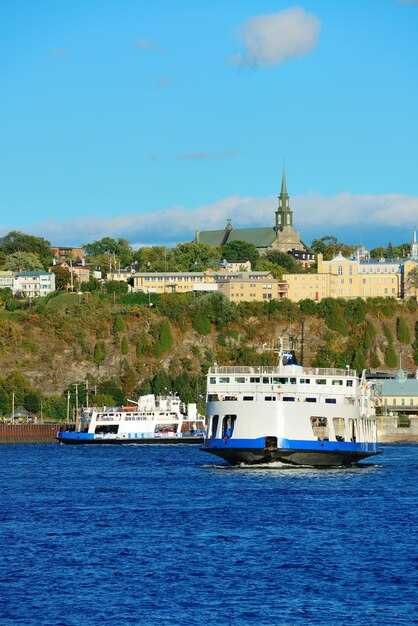
- ACI Marina Rijeka – in the city harbour, with straightforward access to the Old Town, fuel and repair services, wifi, and around-the-clock security. A short walk lands you in historic streets, lively markets, and a waterfront that invites casual anchor-watchers and long rides along the quay.
- Punat Marina (Krk) – on Krk Island, linked to the mainland by a coast road. Wide berths and sheltered moorings suit longer stays; you’ll find some quiet coves nearby for a mid-day swim, plus a walk into Punat’s small harbour village for coffee and a glimpse of daily island life.
- ACI Marina Rabac – Istria’s eastern coast provides modern facilities and easy access to the Labin area. The bay offers calm water, and the surrounding cliffs create dramatic scenery for late-afternoon walks. It’s a solid base to reach nearby historic sites by day trip.
- ACI Marina Pula – located in Pula’s port, it puts you within reach of the ancient forum and amphitheatre. A short ride or walk leads to the Temple of Augustus and other well-preserved Roman remains, while the city’s eateries deliver fresh seafood and local wines.
- ACI Marina Rovinj – Rovinj’s protected harbour and narrow streets reward explorers on foot. The marina puts you within a pleasant stroll of the old town’s pastel houses and the Lungomare promenade, with daily options for a late-summer ride along the coast and sunset anchor views.
Nahegelegene Museen
- Rijeka – Pomorski i Povijesni muzej Hrvatskog Primorja (Maritime and History Museum of the Croatian Littoral) preserves historical ship models, navigational instruments, and regional trade artifacts. The collection is registered as cultural property, and the exhibits help you connect today’s harbour life with the area’s industrious past.
- City Museum of Rijeka (Muzej Grada Rijeke) focuses on urban development, architecture, and social history that shaped the city as a port at the crossroads of nations.
- Istria – in Pula, the Arheološki muzej Istre (Archaeological Museum of Istria) houses artifacts from Greek, Roman, and medieval sites. A short walk from Pula’s Forum brings you to the Temple of Augustus, a well-preserved reminder of imperial influence in the area.
- Poreč – die nahegelegene Euphrasiusbasilika ist eine von der UNESCO gelistete Stätte mit Mosaiken und einem Kreuzgang, die eine lange Geschichte eines Tempels und einer Kirche entlang der Küste offenbaren. Es ist ein lohnender Stopp, wenn Sie die westliche Küste Istriens erkunden.
- Rovinj – das Rovinj Heritage Museum und die eigenen Geschichtsgalerien der Stadt bieten Einblicke in die Wurzeln der Fischerstadt, die die heutigen Kunstviertel geprägt haben. Nach Ihrem Besuch eine kurze walk der Waterfront zeigt schöne Farbverläufe und ein lebhaftes Hafenleben, das die Einheimischen seit Generationen am Leben erhalten haben.
- Lokale Köstlichkeiten – nach Museumsbesuchen, suche nach gazenica oder einem ähnlichen regionalen Gebäck in einem Café am Meer; es ist ein kleines, wohlverdientes Ende nach einem Tag voller historical Entdeckungen.
- источник guides weisen darauf hin, dass diese Museen leicht von den Marinas aus erreichbar sind, oft innerhalb kurzer ride oder walk along the coast.
Küsten-Tagesausflûcge
- Krk Insel Rundfahrt – Überquere die Brücke vom Festland nach Krk Town und erkunde die alten Festungsmauern, bevor du nach Vrbnik weiterfährst, um Steilhangweinberge und eine Verkostung lokaler Weine zu genießen. Die Route bietet weite Buchten, geschützte Buchten und einige optionale Pausen für Ausblicke auf das Wasser und Fotostopps.
- Nationalpark Brijuni von Fažana – nehmen Sie eine Bootsüberfahrt zu den Villen aus dem 16. Jahrhundert und der unberührten Küste; die malerischen Wiesen und das türkisfarbene Wasser der Inseln laden zu einer entspannten walk oder ein kurzer ride zu Perspektiven. Dieser Tagesausflug passt gut zu einem Abendessen zurück in Pula oder Fažana, wo Sie frischen Fisch und ein leichtes, Gazenica-ähnliches Dessert probieren können.
- Limski Kanal und das Gebiet von Rovinj – Paddeln oder eine geführte Bootsfahrt entlang des fjordähnlichen Limski Kanal machen; das geschützte Wasser rahmt dramatische Landschaften und Austernfarmen. Ein spätnachmittägliches walk entlang des Rovinj-Hafens fücgt sich ein ruhiger Abschluss des Tages hinzu, mit Meeresluft und breiten scenery über die weite Bucht.
- Cres und Losinj Archipel – Eine Fährverbindung von Brestova nach Porozina (Cres) und weiter nach Mali Lošinj sorgt für einen längeren Inselhopping-Tag. Erwarten Sie kaskadenartige Küstenlinien, kiefernduftende Luft und einige zerklüftete Klippen, die Geschichte entlang der Küstenlinien erahnen lassen.
- Ciovo und südliche Adriakernregion – für Reisende, die eine längere Strecke planen, fügen Sie Ciovo zu einer Split-basierten Reiseroute hinzu. Sie werden einen breiteren Rhythmus vom Festland zur Insel finden, historische Städte und Küstenpfade, die sich ideal für eine mehrtägige Fahrt mit gleichmäßig anchor Punkte.
Pula und Korčula: Römisches Erbe, Burgen und Marktspaziergänge
Planen Sie eine zweigeteilte Pause: Beginnen Sie in Pula, und hüpfen Sie dann nach Korčula für eine knackige Mischung aus römischem Erbe und Marktspaziergängen.
In Pula ist die Arena eines der größten erhaltenen römischen Amphitheater auf dem Adriatischen Meer. Seine Kalksteinschichten und gewölbten Bögen erwecken die Energie der Menschenmenge aus der Antike wieder zum Leben, und Sommerkonzerte füllen den Raum mit Leben. Eine kurze Schleife umfasst das Sergii-Bogen und den Augustus-Tempel entlang eines kompakten Forums, das einen langsamen Spaziergang belohnt. Suchen Sie eine Donatus-Inschrift an einer Ecke der Mauer und genießen Sie einen weiten Blick von der Westmole, wo sich Meer und Stein in einem einzigen, atemberaubenden Panoramabild treffen.
Von dort aus verleiht ein ruhiger Marktbesuch lokalen Flair. Der grüne Markt am Hafen bietet Oliven, frischen Fisch, Tomaten, Kräuter und duftenden Käse; eine Auswahl an Produkten ändert sich mit der Jahreszeit. An manchen Tagen hört man zwischen den Ständen einen Straßenmusiker. Marktleiten sind breit genug für einen Kinderwagen oder ein paar Fahrräder, und man kann einen schnellen Imbiss zwischen den Verkostungen genießen. Dieser kurze Stopp passt gut zu einem Abendessen bei Sonnenuntergang entlang der Marina.
Um den Küstenalltag zu verlängern, machen Sie eine kurze Fahrt über das moru Wasser zum Brijuni-Archipel. Drei Inselchen in der Nähe der Hauptinsel beherbergen geschützte Buchten, antike Markierungen und eine leichte, frische Urlaubsstimmung. Ein halb-tag Besuch ermöglicht es Ihnen, vom Boot zu steigen, ein paar Minuten herumzuschlendern und ohne Eile wieder an Bord zu gehen.
Korčula ist eine große Insel vor der Westküste Dalmatiens mit einer von Mauern umgebenen Altstadt, die sich wie ein lebendiges Museum anfühlt. Schlendern Sie durch die steinernen Gassen zur Kathedrale des Hl. Markus, dem Haus, das lange mit Marco Polo in Verbindung gebracht wird, und der Hügelfestung, die über den Hafen wacht. Das Layout platziert eine kleine Tempelruine am Horizont und bietet Ihnen ständig Meerblick, während Sie sich durch die engen Straßen bewegen. Was man hier findet, ist ein Gefühl, dass ein echter, jahrhundertealter Ort um Sie herum lebendig ist.
Der Hafenmarkt auf Korčula bietet Honig, Lavendel, getrocknete Kräuter und frisches saisonales Obst. Sie werden entlang einer breiten Promenade schlendern und eine Vielzahl von Ständen entdecken. Kleine Cafés säumen die Gassen und laden zu einer Pause mit einem Glas lokalem Weißwein oder einem Bissen gegrillter Sardinen ein. Einige Paradiese warten entlang der Gassen, bieten tolle Fotomotive und die Möglichkeit, die einfachen Aromen der Insel zu probieren.
Von Korčula aus kann eine kurze Fährfahrt Sie nach Hvar bringen für einen Tag voller lebendigem Stadtleben, sonnenbeschienenen Buchten und Inselmärkten. Wenn Sie die Reise verlängern möchten, planen Sie einen Tag ein, um zusätzliche kleine Inseln oder Inseln in der Nähe zu besuchen und kehren Sie für einen weiteren Abend entlang der Uferpromenade zurück.
Die besten Monate, um diese Orte in einen einzigen Urlaub einzuplanen, sind Mai bis Oktober, wenn das Wetter trocken bleibt und das Meer warm genug für ein Bad ist. Dieser Zeitraum hilft Ihnen, die Stoßzeiten zu vermeiden und gleichzeitig das atemberaubende Licht über dem Wasser und den weißen Stein zu genießen, der beide Städte durchzieht. Wenn Sie Plitvice gesehen haben, bieten diese Orte eine Küstenalternative mit einem sanfteren Rhythmus und neuen Farben, die Sie mit Ihrer Kamera einfangen können. Etwa zwei Stunden flexibles Herumwandern passen gut zwischen den einzelnen Sehenswürdigkeiten.