


 Deutsch
  English (UK)
  Русский
  العربية
  日本語
日本語  한국어
한국어  Magyar
  Türkçe
  Español
  Čeština
  Svenska
  Português
  Ελληνικά
  Suomi
Suomi  Nederlands
  Română
  Italiano
  Français
  Polski
  Українська
  简体中文
简体中文  Slovenčina
 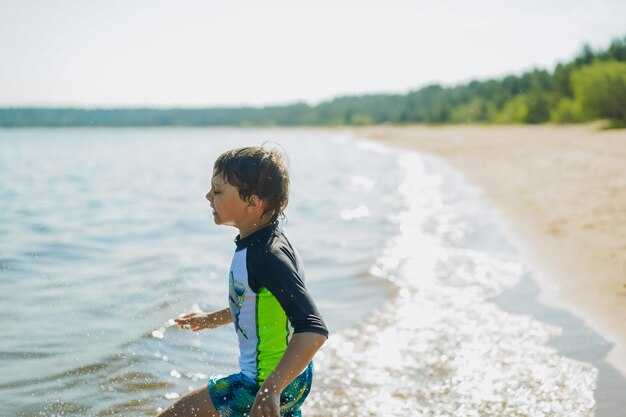 Ocean Safety Tips for Children, Teens, and Adults">

Always supervise children within arm’s reach when near water. This adds a protective layer that relates to most incidents and weather shifts, including winds and movement along shorelines. Read the following precautions before any outing: set simple rules, Only carry essential gear, keep a life jacket handy for non-swimmers, and carry a small detector for signaling in crowded areas.
Children stay within arm’s reach and wear a life jacket when near water; parents enforce simple practices like buddy checks and pause rules. Teens benefit from a buddy system, defined limits on distance, and training on how to read currents and winds. Adults should monitor fatigue, dehydration symptoms, and movement in the group during any outing, with a quick plan for quick help.
Read weather forecasts and water conditions before entering the water. Recognize warning signals: shivering, numb fingers, dizziness, or confusion are symptoms that require moving to shore. If someone shows these signs, apply shade and hydration and seek help if needed. The need to act quickly reduces risk.
Equipment checklist: every person wears a life jacket for water activity, straps snug, and gear tested before entry. Note the estimated return time when you start from a port or dock, and plan a calm-water route. Have a compact first aid kit, sun protection, and a detector for emergencies; follow these precautions to keep everyone safe.
The following steps help you stay prepared: check winds, pick calm areas for beginners, and keep a phone or radio accessible. All members should know how to contact local lifeguards or port authorities if someone struggles in the water. Read these tips, practice them with family, and share them with friends.
Weather-Related Hazards
Seek shelter on land and away from open water at the first sign of lightning or strong winds. Weather forecasts at local centers predict rapid changes along coastlines, and remaining in the water during a warning presents a clear risk to swimming safety for all ages, with signs easily interpreted on beach boards.
Rough seas, gusty winds, and rip currents can appear quickly. Before any water-based activity, check forecasts and follow warnings. The situation presents predictable cues that guide action, allowing quick decisions. Beaches designed with clear lifeguard zones and posted flags provide reliable guidance. If a current pulls you away, stay calm, switch to plan B, and swim parallel to shore to break the pull; lower your center of gravity by bending knees to stay stable, using buoyancy to help stay afloat and protect your arms.
Low visibility due to fog, rain, or spray makes it harder to spot shore, other swimmers, or hazards, and conditions can be easily worsened by wind. Always plan a visible entry and exit, and stay within zones where lifeguards are stationed. In limited visibility conditions, prefer swimming with a buddy and keep lines of sight open, allowing you to react quickly; if you lose sight of shore, switch to a land-based activity and avoid venturing farther.
Algae blooms and pollution present additional hazards. Algae can reduce buoyancy near the surface and cause skin irritation or eye irritation if touched; avoid water with visible film or strong odor. Pollution, including oil sheen and sewage discharge, can irritate skin and lungs and complicate rescue. Stay out of water where algae appear thick or the surface feels slick, and always rinse after exposure. If forecasts indicate a bloom, choose land-based activities until conditions improve; being prepared to relocate reduces risk.
Legal requirements may mandate life jackets for children in certain zones. Wear the right gear and inspect the safety mechanism on flotation devices before entering water; ensure buckles and straps function properly, and keep arms inside rather than extending into gear lines. Choose a device designed for your weight and activity level, and replace worn parts immediately. If you cannot get a proper fit, postpone water activity.
Be prepared with a lightweight waterproof bag for a phone, a whistle, and a plan to meet at a safe point if conditions worsen. Check forecasts again during breaks and before re-entering the water, and always follow posted warnings or guidance from lifeguards. prepared individuals reduce risk and make ocean safety a shared responsibility for children, teens, and adults alike.
How to Identify Weather Changes That Affect Swimming Safety
Do a pre-departure weather check using reliable devices and logs, and head to safety if forecasts show thunderstorms or high winds.
Watch natural signals in the sky: darkening clouds, a rapid drop in temperature, distant thunder, and sun rays breaking through as gaps in the clouds widen.
Track changes in winds and water states: gusts that rise quickly create whitecaps and choppy water; if conditions worsen, do not enter the water, and limit play near the edge.
Rely on systems like local weather alerts, marine radios, and app alerts to catch warnings early.
In cases of approaching storms, pause activities, move to shore, and follow lifesaving guidance; in situations like lightning, exit the water.
Near lakes or beaches, watch for signals such as lightning, increasing winds, and changing currents; jump out immediately if you see one, unless you have a safe shore within reach.
Keep logs of what you observe and underline patterns you notice over time; this helps tailor pre-departure plans for family trips and school activities.
Being prepared means you perform quick checks, discuss plans with peers, and advises caregivers on when to leave the water for safety.
If weather shifts, delay swims until signals confirm safety, and always have a plan for lifesaving help.
What to Do If Caught in a Rip Current During Windy Conditions
Float and conserve energy until the current eases, then swim parallel to the shore to reach safety.
In windy water, this activity requires clear, practiced steps. The guide advises staying calm and using core practices to exit safely. American beaches operate under a system of procedures for rip current responses, and knowing how to determine the best exit path helps swimmers and families stay safe. Be mindful of creatures and hazards in the water that could complicate an exit. Wind shifts can make the exit path potentially longer, so act early.
- Stay calm, float, or gently tread water; this is one of the core practices to conserve energy when wind increases the water’s motion.
- Do not swim straight against the current. Determine an exit by swimming parallel to the coastline until you break free from the rip, then angle toward the shore in a safe direction.
- Track your distance from shore using landmarks and the area you entered; this helps you know when you can safely return to water.
- Wear a life jacket or personal flotation device if available; avoiding bulky clothing helps you stay buoyant and reduces fatigue.
- Be mindful of clothing choices and gear; light, quick-drying clothing is preferable, and remove heavy items that can weigh you down.
- Watch for changes in direction due to wind; early recognition lets you adjust your exit plan rather than fighting to reach the beach straight on.
- Involve others in your group; designate a leader, keep swimmers together, and teach the steps you know for a safe exit.
- The procedures taught by lifeguards emphasize safe conduct and indicate when to signal for help or move toward safer water.
- On reaching shore, check for cramps or injuries to body parts and change into dry clothing to prevent hypothermia in windy weather.
- If you cannot reach shore, float with the current and look for a safer exit point or wait for assistance from trained personnel.
american lifeguards and safety personnel regularly track current conditions and advise beaches on where to find marked exits, so follow posted signs and stay within sight of supervisors whenever possible.
Lightning Safety Near Shore: When to Seek Shelter
Seek shelter indoors or inside a closed vehicle immediately when lightning appears near shore; do not stand in open areas near the water.
Lightning is a weather-related discharge whose mechanism can carry current through air, water, and grounded objects, posing a serious risk to anyone outdoors. The effects include cardiac arrest, burns, nerve injury, and secondary injuries from falling or being struck by debris. Near the coast, metal equipment, wet surfaces, and open decks amplify the danger, and a rescue may be delayed by rough seas or crowded piers. Lightning can occur without warning.
To reduce risk, move to a sturdy building or a fully enclosed vehicle; in port areas or on boats, seek shelter before the storm reaches you. The guidance advises taking shelter at the first sign of lightning and staying put for at least 30 minutes after the last clap of thunder, including a check of weather updates. Avoid open shelters, exposed decks, and touching metal railings or wet surfaces.
If you are unable to reach shelter, minimize exposure by crouching with feet together, hands on knees, and staying away from water, tall trees, and metal structures. On a boat, power down unnecessary electronics, keep everyone low and away from masts, and use a rescue-ready plan; someone should monitor conditions and call for help if needed. Regular supervision of children and vulnerable adults helps detect distress quickly and provides a smoother transition to shelter.
Situations differ: on an open beach you should move away from the surf and find a building; near a pier or port, head indoors or into a sheltered vehicle, avoiding open areas and open water. Animal behavior during storms can change suddenly and affect safety; keep pets leashed and avoid areas with panicked animals. Adapting to weather conditions, including gusts and shifting winds, helps you select the safest shelter.
After the danger passes, monitor weather updates from reliable sources and resume activities only when authorities declare it safe; you may still feel effects in the minutes afterward. Rescue teams assess damage and provide guidance on when to return to open decks or shorelines. In this process, supervision remains important, and having a regular plan helps avoid confusion down the line.
Sun, Heat, and Dehydration: Practical Protection for All Ages
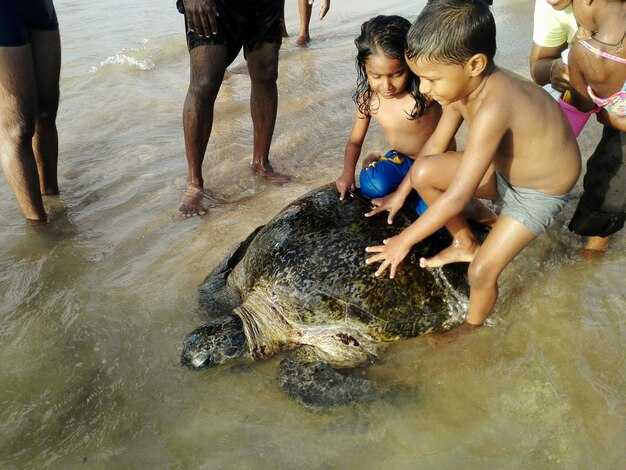
Hydrate before you head out, and sip water every 15-20 minutes during outdoor time to keep life and brain function sharp.
In bright lights and heat, dehydration can sneak up quickly. It is critical to start with a reliable hydration plan and to use shade, lightweight fabrics, and sunscreen to reduce core temperature. For children and adults alike, drink fluids on a steady schedule rather than waiting until thirst hits, making small sips over time instead of large gulps at once.
Always secure a source of fluids and a safe area within easy reach. When planning an outing, check the forecast, place water within reach, and set reminders to refill bottles. Awareness of body signals helps you detect trouble early: dizziness, headaches, vomiting, or fatigue are preventable signs if you respond promptly. If you notice these, move to shade, stop activity, and drink small sips until you feel better.
Near the coast, monitor waters and wind for safety. If you see waterspouts or rough surf, retreat to a secure area and postpone water games. Suction hazards around rocks increase with wave action, so stay clear of the edge and keep youngsters within arm’s reach. This plan offers practical steps to protect life and limbs and reduces the chance of overheating for every age group.
| Age group | Hydration target (ml/h during outing) | Sun protection tips | Warning signs |
|---|---|---|---|
| Children (4–8) | 150–250 | Wide-brim hat, lightweight clothing, SPF 30+ | Dizziness, vomiting, fatigue |
| Teens (9–15) | 250–350 | Sunglasses, water bottle within reach, regular shade breaks | Headache, confusion, nausea |
| Adults | 350–500 | Frequent hydration, sunscreen reapplication, breathable fabrics | Heavy sweating with signs of trouble or faintness |
Cold Water Risks and Hypothermia Prevention for Different Ages
Always wear pfds when entering cold water and set a safe time limit for the outing based on age, water temperature, and weather; stay calm, watch for trouble, and never push beyond your limits, with at least one supervising adult nearby.
Children are most at risk because heat loss happens quickly. In oceans or lakes with water under about 70°F (21°C), keep each child within arm’s reach at all times and choose a calm, shallow area for the first sessions. Dress them in clothing that minimizes heat loss, such as a snug wetsuit or drysuit if available, and limit exposure to 15-30 minutes; after a short rest, reassess with their mind on how they feel before continuing the outing.
Teens can test boundaries, so pair them with a buddy and set clear location and setting rules before entering the water. Use pfds during any activity near edges or currents, carry a small radio in remote areas, and agree on a same-time check-in. For a safe outing, keep the water-to-air temperature difference in mind and avoid long sessions without breaks.
Adults should monitor their own mind and body, and adjust exposure based on fitness and clothing. In the same setting, the system that regulates core temperature responds differently by age; before leaving, choose protective clothing that covers extremities and chest; in areas with strong wind or waves, shorten the time in the water and hydrate between dips.
Watch for symptoms such as shivering, numbness, confusion, loss of coordination, or slurred speech. If you notice them, move to a warm, dry location, remove wet clothing, apply dry clothing and a blanket, and use warm (not hot) packs or a warm beverage if conscious. Call lifeguards or emergency services if symptoms worsen or you cannot warm up quickly; stay with everyone involved until all participants are safe.
Location planning for all scenarios: In this title, we present practical steps that apply to each location and setting. For every outing, check the location’s safety notes, be aware that different areas have different currents and water temperatures. At every outing, carry a weather radio or cell phone, know the emergency numbers, and keep pfds accessible. The same core practices apply to ocean coasts, lakes, rivers, and other areas; establish a pre-trip checklist and rehearse the steps with all participants so everyone is involved and prepared.