How Fast Hypothermia Hits During a Yacht Charter
Alexandra
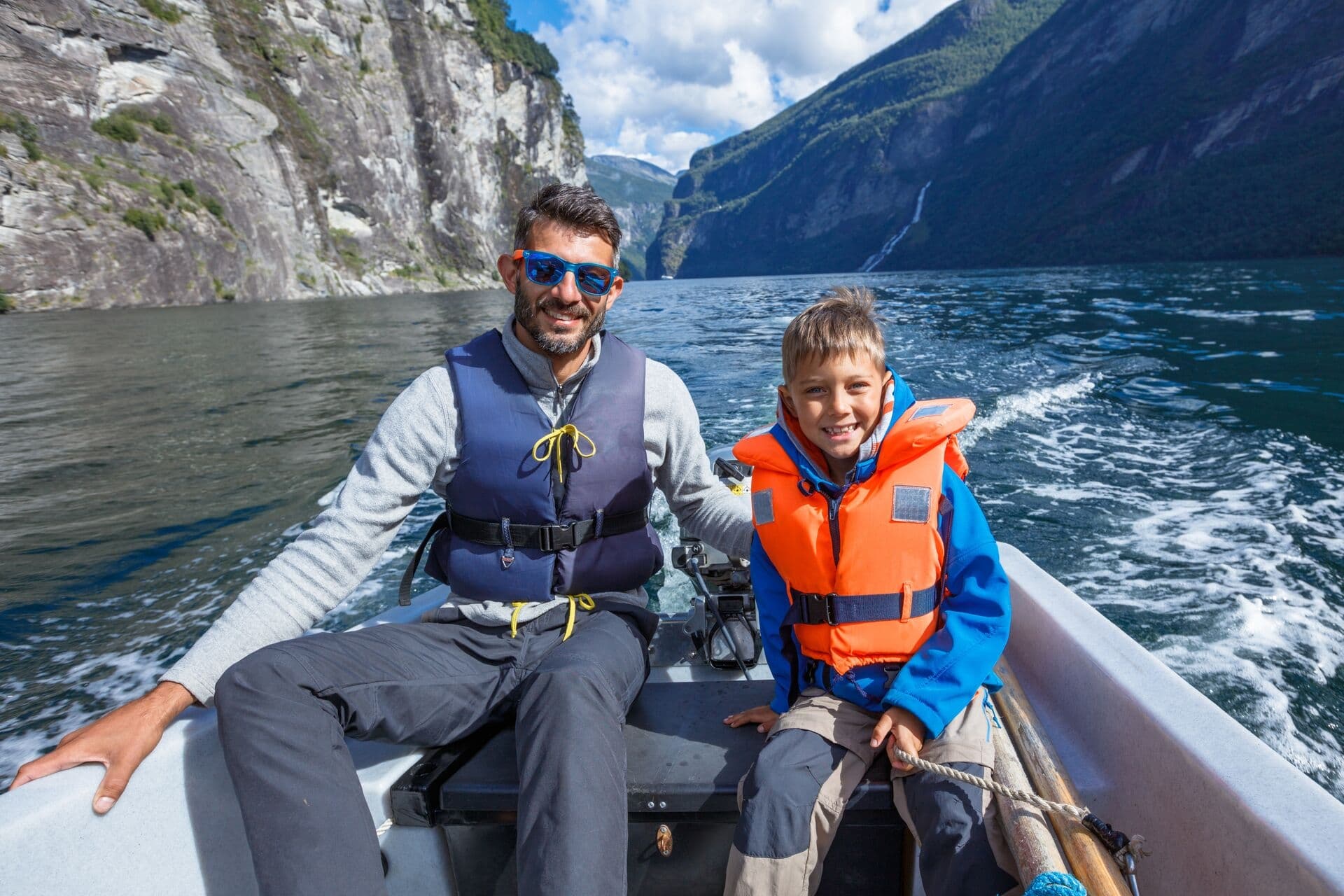
On a 40‑foot charter yacht located 2 nautical miles offshore with a tender doing 20 knots, the fastest realistic pickup time is about 6–8 minutes; in 10°C (50°F) water that window may be the difference between useful movement and life‑threatening hypothermia. Response times, distance to marinas, availability of flotation, and whether a captain can launch a rescue skiff immediately are concrete logistics that shape survival outcomes.
Understanding heat loss on board and at sea
Hypothermia happens when the body loses heat faster than it can produce it, and water conducts heat away from the body roughly 25 times faster than air. For skippers and charter operators, that means operational details—how fast the tender can reach a person, whether passengers wear PFDs, and where the nearest marinas or harbors are—directly affect medical risk. Wind, wet clothing, and immobility accelerate heat loss.
Practical factors that change onset time
- Distance and speed: Time to rescue is governed by how far the vessel is from shore and how quickly a rescue craft can reach the casualty.
- PFD usage: A life jacket keeps someone afloat and reduces energy loss from struggling, but it does not prevent hypothermia.
- Clothing and insulation: Synthetic layers, drysuits, and thermal underwear slow heat transfer; cotton speeds it up.
- Victim characteristics: Children, older adults, and smaller body types lose heat faster.
Time to hypothermia by water temperature
| Water Category | Temperature | Typical Time to Hypothermia |
|---|---|---|
| Warm | 21–27°C / 70–80°F | 1–2 hours (mild cases) |
| Cool | 15–21°C / 60–70°F | 1–2 hours; more severe after 2–3 hours |
| Cold | 10–15°C / 50–60°F | 30–60 minutes for dangerous cooling |
| Very cold | Below 10°C / 50°F | 10–15 minutes to significant hypothermia; unconsciousness within ~30 minutes |
Onboard rescue logistics and immediate steps
If someone goes overboard, the first few minutes are all about location, flotation, and stabilization. Mark the spot, throw a float, and keep visual contact. The person in the water should avoid unnecessary movement that wastes energy. For charter operators, having a clear man‑overboard (MOB) procedure and a ready rescue skiff is not optional—it’s critical.
📚 Das könnte Sie auch interessieren
Quick checklist for skippers
- Shout “man overboard,” point, and assign a spotter immediately.
- Deploy a life ring and any onboard AIS/MOB marker.
- Stop the vessel or execute an agreed MOB recovery maneuver; prepare the ladder and grab lines.
- Recover casualty as gently as possible and remove wet clothes when safe to do so.
- Begin rewarming—focus on the chest, neck, and groin first.
Stages of hypothermia to recognize
| Stage | Key Signs |
|---|---|
| Mild | Intense shivering, numb fingers/toes, slight confusion |
| Moderate | Violent shivering, poor coordination, slowed responses |
| Severe | Shivering stops, unconsciousness, shallow breathing, risk of cardiac arrest |
The 1‑10‑1 Rule and practical rewarming
The popular mnemonic describes the immediate timeline after cold‑water immersion: 1 minute of meaningful cognitive response, about 10 minutes of useful movement before coordination degrades, and roughly 1 hour of survival time in cold water if flotation is maintained (varies widely). In practice, prioritize warming the chest, neck and groin, but do so gradually to avoid shock.
Training, gear, and charter operations
Formal training matters. A boating course such as Boat‑Ed covers recovery procedures, hypothermia recognition, and navigation safety—knowledge that reduces response time and prevents panic. Charter companies should stock thermal blankets, rescue slings, and communication gear, and brief renters on PFDs and MOB drills before casting off.
Simple investments that save lives
- Dedicated rescue ladder and boarding aid for non‑swimmers.
- Waterproof VHF with DSC and an AIS MOB transmitter.
- Thermal protective aids and heat packs in first‑aid kits.
- Pre‑departure safety briefings and documented MOB plans.
Personal anecdote
On a busy summer charter I once saw a captain launch a tender and reach a fallen angler in under 7 minutes—quick action, a PFD, and a dry blanket on deck turned a potentially tragic outcome into a shaken but recoverable passenger. It’s a reminder that planning and a calm crew matter more than you might think—don’t leave it to luck.
Wrapping up, remember the basics: water temperature, rescue time, and flotation control the clock on hypothermia. For anyone involved in yacht charters, boat rentals, or recreational boating, prioritize MOB procedures, keep the right equipment aboard, and consider a Boat‑Ed course to sharpen skills. When you’re planning a yacht charter or thinking of where to rent a boat next season—whether for a calm lake trip or an ocean crossing—these precautions make the difference between a story to laugh about later and a life‑threatening emergency.
Summary: Immediate rescue logistics, water temperature, and use of flotation are the primary determinants of how quickly hypothermia develops. Know the time frames (warm to very cold), follow the 1‑10‑1 Rule, keep rescue gear and training current, and brief every charter guest. These steps protect passengers on a yacht, charter boat, or rental, whether cruising a gulf, lake, or open ocean; good prep benefits captains, crews, and guests planning destinations, fishing trips, and yachting activities across marinas and clearwater bays.


