


 Deutsch
  English (UK)
  Русский
  العربية
  日本語
日本語  한국어
한국어  Magyar
  Türkçe
  Español
  Čeština
  Svenska
  Português
  Ελληνικά
  Suomi
Suomi  Nederlands
  Română
  Italiano
  Français
  Polski
  Українська
  简体中文
简体中文  Slovenčina
 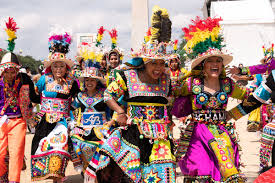 Celebrating Bolivian and Hawaiian Heritage through Dance at the Smithsonian Festival">

The Vibrant Dance Traditions of Bolivia and Hawaii on Display
Amid the lively atmosphere of the 2025 Smithsonian Folklife Festival, two distinct yet deeply cultural dance forms—Bolivian tinku and Hawaiian hula—captivated audiences with their powerful storytelling and vibrant performances. These dances don’t merely entertain but serve as living traditions that honor the origins, histories, and social bonds of their communities.
At the National Mall, the pounding rhythm of flutes, drums, and whistles drew a crowd to witness Bolivian dancers adorned in feathered hats, embroidered costumes, and flowing scarves, performing the intricate steps of tinku. This traditional Andean dance, rooted in the Quechua word for “coming together,” exemplifies communal learning and cooperation. The dancers move with a collective energy, guided by subtle signals from the líder or ‘guía’, who coordinates the steps with precise whistles and hand motions.
Simultaneously, the hula, a Hawaiian dance form positioned within the National Museum of the American Indian, unfolded with grace and reverence. Six young dancers, dressed in red with yellow leis, moved their hands in sync with the haunting melodies sung in the Hawaiian language. Under the guidance of an experienced teacher, hula conveys stories of heritage, nature, and spiritual connection through flowing gestures and chants, preserving the language and ancestral knowledge through movement.
How Tinku and Hula Cultivate Community and Cultural Identity
Tinku’s peer-led teaching method reflects Andean Indigenous values of egalitarian community, where dancers learn by immersion and imitation rather than formal instruction. This approach fosters unity and friendship between dance fraternities that gather from the greater D.C., Maryland, and Virginia areas, reinforcing cultural pride through shared practice.
Similarly, the Hawaiian hula tradition is transmitted within a hālau—a hula school—that employs the Hawaiian language exclusively for instruction. This deepens cultural connection and language revitalization, making dance a medium through which stories and histories are sung forward, safeguarding them for future generations.
A Historical Perspective on Bolivian and Hawaiian Dance
Bolivia’s cultural tapestry is woven from Indigenous roots blended with Spanish influences, evident in the music, dress, and dance styles. The tinku tradition stretches back centuries as a ritual dance symbolizing community and sometimes conflict resolution with its energetic and symbolic movements. The traditional costumes of polleras, intricately embroidered with bright colors, alongside musical instruments like the panpipes and flutes, mark a living connection to both pre-Columbian and colonial eras.
In the Hawaiian Islands, dance and music traditions have evolved amid a complex cultural overlay resulting from Polynesian migrations and later influences. Authentic hula, which predates Western contact, integrates myth, nature, and history into performances that sustain cultural identity. The arrival of Christian hymns and European instruments introduced new elements, but many ancient stylistic characteristics endure, preserved by families and schools deeply committed to their practice.
Traditional Instruments and Costume in Focus
| Aspect | Bolivian Tinku | Hawaiian Hula |
|---|---|---|
| Instruments | Sicu (panpipes), kena, tarka, pinkillo (flutes), drums, copper bells | Feathered gourds (ipu), nose flute, vocal chants |
| Costume | Feathered hats, embroidered polleras, scarves | Red dresses, yellow leis, leaf crowns |
| Sprache | Spanish, Quechua, Aymara terms related to steps and roles | ‘Ōlelo Hawaiʻi (Hawaiian language) for chants and instruction |
The Significance of Dance in Cultural Tourism and Experience
As traditional dance performances like tinku and hula gain prominence within cultural festivals and public venues, they offer visitors an immersive encounter with heritage that transcends mere observation. These art forms are living narratives illustrating how communities maintain identity through song, movement, and costume.
For regions known for marine tourism and boating activities, such as coastal Hawaii, cultural attractions like hula add invaluable depth to visitor experiences. Sailing charters and yacht guests benefit from the opportunity to engage with local culture ashore, enhancing memories beyond sun and sea. Bolivian dance presence may inspire cultural tourism in urban areas with large diaspora communities, creating bridges between maritime leisure and land-based traditions.
Future Outlook: Cultural Preservation Meets Tourism
The interplay between cultural heritage and tourism presents both opportunity and responsibility. Supporting authentic performances while respecting their cultural context ensures that dances like tinku and hula are not diluted but flourish sustainably. Encouraging community participation and education, alongside visitor engagement, enriches the cultural fabric and promotes respectful tourism development.
Summary and Conclusion
The 2025 Smithsonian Folklife Festival highlighted the enduring vibrancy of Bolivian tinku and Hawaiian hula as more than just dance—they are expressions of identity, language, and collective memory. These forms exemplify how folk traditions are nurtured within communities through immersive teaching and passionate performance. From the feathered hats and lively whistles of the Andes to the graceful hand movements and chants of the Pacific islands, each dance tells a story of cultural survival and unity.
For those passionate about exploring the world’s diverse cultural offerings alongside sailing and yachting adventures, connecting with local dance traditions enriches any trip. The combination of sun-drenched beaches, clear waters, and vibrant cultural showcases creates a truly memorable experience.
For more insights into cultural events and to explore yacht and sailing charters that can bring travelers closer to such unique destinations, GetBoat.de remains an excellent resource. Whether sunseeker yachts, fishing boats, or superyachts, the service offers an international marketplace suited to every taste and budget, making cultural and maritime adventures easily accessible.