US Boater Card and Legal Requirements 2026
Alexandra
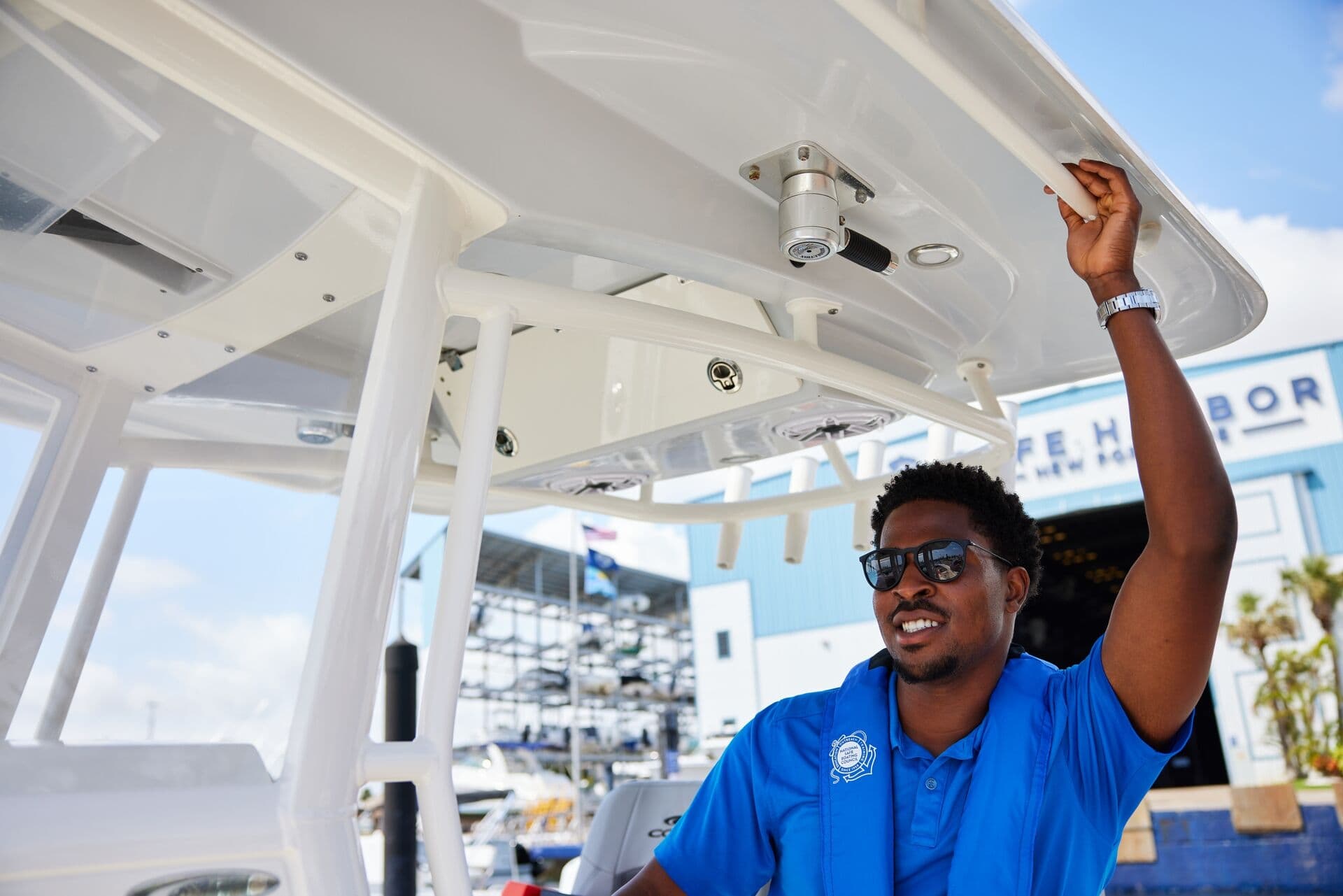
As of 2026, most U.S. states require operators of motorized vessels with engines above roughly 10–25 horsepower to carry a state-recognized boater education card or boater safety certificate, with specific age cutoffs, horsepower thresholds, and reciprocity rules determined by each state's boating authority.
State rules and immediate operational impacts
Whether you plan to rent a small runabout for a day or charter a yacht for a week, local rules affect whether you can legally take the helm. States typically set requirements based on three logistical variables: operator age, vessel horsepower, and whether the operator is a resident or non-resident. Many marinas and rental companies will ask to see your card before releasing keys, and charter operators list credential requirements in their booking terms.
Step 1 — Check the state where you'll boat
Begin with the exact waterbody and state jurisdiction for your trip. If you're planning a multi-state cruise, check rules for each state you will enter: the Gulf, neighboring marinas, and inland lakes can fall under different laws. NASBLA-approved course acceptance is common, but local statutes vary.
📚 Das könnte Sie auch interessieren
Step 2 — Take an approved safety course
Most states require completion of an approved course. Options include in-person classes run by organizations like the U.S. Coast Guard Auxiliary and America's Boating Club, or online providers such as Boat-Ed, whose courses often offer nationwide reciprocity when they meet state and NASBLA standards.
What the course covers
- Navigation rules and the "rules of the road"
- Required safety equipment and pre-departure checks
- Emergency procedures and accident response
- Environmental regulations and local restrictions
- State-specific laws for age, horsepower, and vessel types
Step 3 — Pass the exam and carry proof
After completing the course, candidates typically take a multiple-choice exam. Many providers issue an immediate printable temporary certificate on passing, with a permanent boater education card mailed in 4–6 weeks. Keep a digital or physical copy while renting or chartering boats — rental desks and captains often request to see it.
| Action | Typical time | Typical cost | Outcome |
|---|---|---|---|
| Find state requirement | 15–30 minutes | Free | Know what credential you need |
| Complete course | 2–6 hours | $20–$40 | Eligibility to take exam |
| Exam + temporary certificate | Immediate | Often included | Printable card to show marinas/charter |
| Permanent card arrival | 4–6 weeks | Small replacement fees if lost | Official boater education card |
Reciprocity and renting or chartering vessels
Most NASBLA-approved cards are recognized across state lines, which simplifies renting a boat or chartering a yacht in another state. Still, a few jurisdictions have additional limits (age or vessel type). Run through rental terms before you arrive — many rental companies require proof of competency before handing over a PWC, center console, or larger cruiser.
Common questions from renters and captains
- Do I need a card to drive a rental boat? Usually yes for motorized boats; non-motorized craft often have looser rules.
- Can I use another state’s card? Generally yes when NASBLA-approved; verify local exceptions.
- What about BUI? Boating Under the Influence is enforced similarly to DUI — fines, arrest, and restrictions apply.
Practical tip
If you plan to rent frequently or charter internationally, carry both a printed card and a digital image in your phone. I once showed a temporary printable certificate at Clearwater Marina and got instant clearance to board a charter — saved the day and the sunset cruise.
FAQs and quick compliance checklist
Keep this pocket checklist with you when you rent or charter: course certificate, government ID, vessel rental agreement, and any state-specific permits. If you lose your card, most providers and states offer replacements for a small fee.
Wrap-up and key takeaways
In short, a formal nationwide US boating license does not exist, but a boater education card or boater safety certificate is the practical credential most states require for motorized vessels. Complete an approved course (many available via Boat-Ed), pass the exam, and carry your card when renting, chartering, or captaining boats. Knowing state-specific rules will make trips to beach and lake destinations smoother, keep you compliant in marinas and on the ocean or gulf, and help you enjoy boating, sailing, or yacht charters safely. Whether you're planning a lake day, a fishing trip, a superyacht charter, or a simple boat rent from local marinas, having the right credential protects you, your crew, and the vessel — and keeps you ready for all the yachting activities ahead.


