


 Deutsch
  English (UK)
  Русский
  العربية
  日本語
日本語  한국어
한국어  Magyar
  Türkçe
  Español
  Čeština
  Svenska
  Português
  Ελληνικά
  Suomi
Suomi  Nederlands
  Română
  Italiano
  Français
  Polski
  Українська
  简体中文
简体中文  Slovenčina
 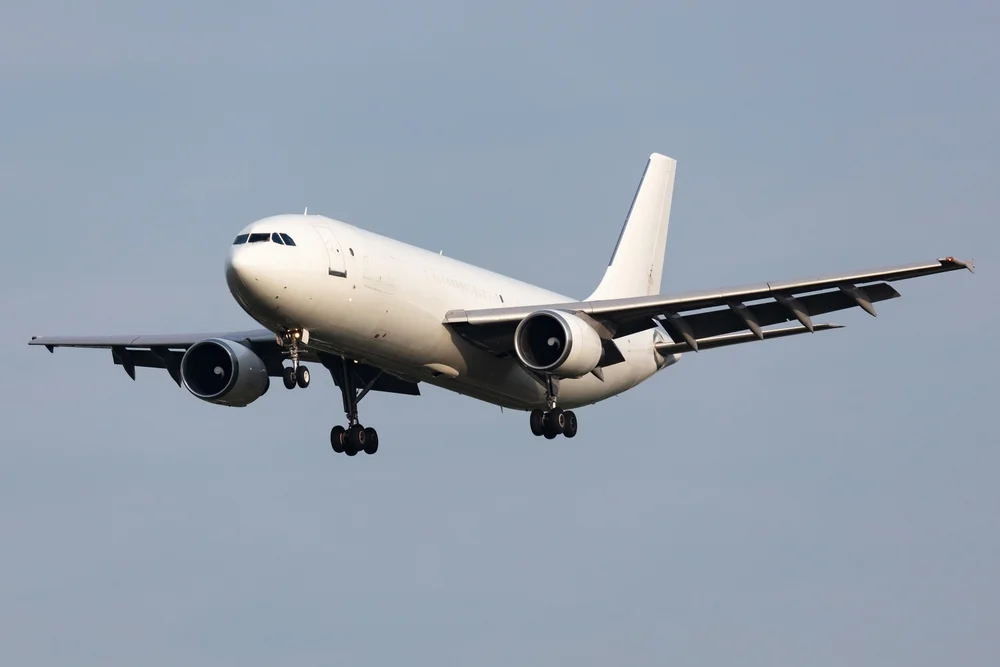 UK sieht dramatischen Rückgang der Inlandsflüge über zwei Jahrzehnte">

A Sharp Decline in UK Domestic Air Travel
Recent aviation analytics indicate a significant reduction in the number of domestic flights within the UK, revealing a stunning more-than-50% decline over the past 20 years. The projections for 2025 estimate around 213,025 flights, compared to a record peak of 454,375 in 2006. This translates to a daily drop of about 661 flights, reflecting major changes in the country’s air travel landscape.
Key Drivers Behind the Downturn
Multiple factors have contributed to this steep slump. The increase in Air Passenger Duty tax has raised the cost of short-haul flights, nudging travellers to reconsider their options. Environmental awareness is reshaping passenger priorities, pushing for greener means of travel. Additionally, airlines have found more lucrative opportunities in short-haul flights beyond UK borders, reducing focus on internal routes.
This downturn has hit regional airports hard, with notable closures such as Doncaster Sheffield in 2022, Blackpool in 2014, and Plymouth back in 2011, reflecting the diminishing demand for domestic air services.
The Impact of Flybe’s Collapse
The collapse of Flybe, once the UK’s largest domestic carrier, during the 2020 pandemic accelerated the decline in flight numbers. Although other airlines have absorbed some of Flybe’s former routes, the downward trend in domestic air travel had already been in motion well before the airline’s administration. This suggests a broad, structural shift in how people move within the UK.
Flight and Seating Capacity Trends
| Year | Scheduled Domestic Flights | Available Seats (millions) |
|---|---|---|
| 2006 | 454,375 | 39.1 |
| 2025 (Projected) | 213,025 | 25.5 |
The available seats on UK domestic flights will have fallen by approximately 35% from 2006 to 2025, equating to roughly 37,000 fewer passengers flying internally every day. The sharp reduction between 2024 and 2025 is particularly notable, with nearly one million fewer seats available this year alone.
Historical Context and Travel Evolution in the UK
The reduction of domestic flights is not an isolated phenomenon but echoes broader shifts seen over recent decades. The doubling of Air Passenger Duty in 2007 marked a turning point, encouraging travellers to seek more sustainable and affordable transportation methods. This aligns with a steady rise in rail travel, now the beneficiary of nearly a 50% increase in passengers since 2005/2006.
Regional airports traditionally served as hubs supporting local connectivity; their closure marks a palpable change in access dynamics. Leisure tourists increasingly favor alternative transport modes that are both environmentally friendlier and economically competitive, with rail travel offering convenient alternatives for many domestic routes.
From Air to Rail: Changing Passenger Preferences
According to national rail statistics, rail travel within the UK rose from 1.15 billion trips in 2005/6 to almost 1.73 billion in 2024/5. This surge reflects evolving consumer preferences shaped by cost, convenience, and increased environmental consciousness. The UK’s extensive and improving rail network caters well to short-haul travel needs that formerly relied on domestic flights.
Economic and Environmental Impacts
The shift away from short domestic flights reduces carbon emissions linked with aviation, which plays well against growing calls to mitigate climate change. Economically, it challenges airlines to rethink their route portfolios, focusing on long-haul or international flights with higher yields.
Forecast: The Future of UK Domestic Travel
Looking ahead, the trend suggests a continued preference for rail and other sustainable transportation modes for internal UK travel. Airlines may increasingly target popular European destinations and beyond, which remain profitable and in demand.
This mirrors a general global trend where domestic air travel in regions with well-established rail infrastructure tends to decline as more travellers choose trains or other eco-friendly alternatives.
- Potential growth in rail infrastructure may further reduce the need for domestic flights.
- Environmental regulations and taxes will likely remain significant factors discouraging short-haul flights.
- Regional airports could see further operational transformations to adapt to changing travel habits.
Connection to Sailing and Boat Rental Trends
While this change primarily affects air travel, it intersects intriguingly with marine leisure and boating industries. As more travellers explore alternative domestic tourism options, sailing and boat rentals emerge as attractive choices, especially near coastal towns and scenic lakes. With easier access to local marinas and an emphasis on outdoor activities, recreational boating gains appeal as a sustainable getaway option.
Destinations formerly reliant on short-haul flights may experience new waves of visitors arriving via rail or road, who then seek watersport experiences including yacht charters, fishing excursions, and sailing. This could foster growth in marine tourism, positively impacting local economies with new boating activity and charter services.
Potential Scenarios for Maritime Tourism
- Increased demand for boat rentals along popular coastal and lakeside destinations.
- Growth of yachting activities as part of diversified tourism offerings.
- Enhanced focus on sustainable tourism encouraging eco-friendly boating and sailing.
Summary and Conclusion
The halving of UK domestic flights over the last two decades marks a transformative shift in travel behavior, driven by a mix of taxation policy, environmental concerns, and market dynamics. The corresponding rise in rail travel underscores passengers’ preference for more sustainable, convenient, and cost-effective travel alternatives.
As regional airports face closures and airlines pivot towards international routes, domestic air travel’s future looks increasingly constrained. This pivot in UK domestic mobility patterns offers new opportunities for alternative travel sectors—including the sailing and boating industries—to capture interest from tourists seeking fresh experiences closer to nature and the water.
For those intrigued by exploring the UK’s beautiful waters and coastal destinations, the charter and rental market offers a splendid gateway. Sailing provides not only an adventure but also an environmentally conscious way to discover the British Isles and beyond.
For a wide selection of yacht and boat rental options suitable for every taste and budget, visit GetBoat.de, an international marketplace connecting enthusiasts to cruising, fishing, and sailing experiences on lakes and seas around the world.