How to Secure a Texas Boater Education Card in 2026
Alexandra
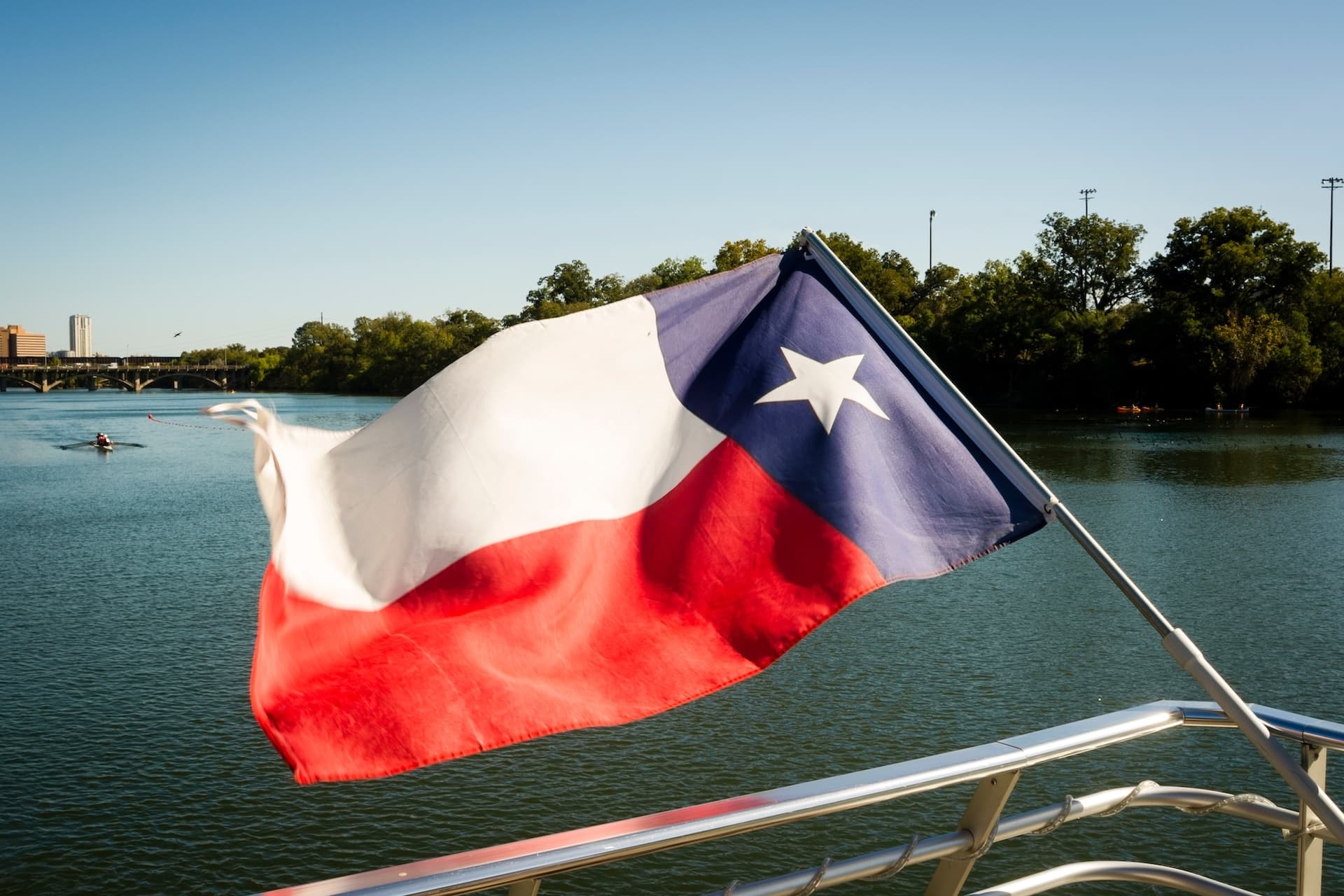
As of 2026, anyone born on or after September 1, 1993 must carry a state-approved boater education certificate and a photo ID while operating certain vessels in Texas; the rule specifically covers sailboats longer than 14 feet and many personal watercraft, with a printable temporary certificate valid for 60 days and a permanent card issued by TPWD usually within 1–2 weeks.
Three practical steps to get certified
Getting the required Texas boater credential is straightforward and typically follows three clear steps. Many renters choose an online course for speed and convenience, especially when planning rentals from marinas or arranging a captain for a charter.
Step 1: Pick a state-approved course
Not all provider courses meet Texas requirements. Popular online providers such as Boat-Ed offer approved courses that let you study at your own pace. If you’re booking a last-minute weekend rental at a busy marina, an online option can be a lifesaver.
📚 Das könnte Sie auch interessieren
Step 2: Complete the coursework and pass the exam
Approved courses cover navigation rules, equipment requirements, Texas-specific safety laws, and basic emergency procedures. After finishing the lessons, pass the final exam to earn your certificate. Most students pass on their first try; the material is focused and practical rather than academic.
Fees and payment considerations
Course prices vary by provider and format. For example, Boat-Ed charges $44.95 for their Texas course, and Texas assesses a one-time state fee of $10 for the permanent card. Keep a receipt or digital copy until your permanent card arrives.
Step 3: Print the temporary card and carry your permanent one
After passing, you can print a temporary certificate immediately, which is usually valid for 60 days. Law enforcement may ask to see the permanent card and a photo ID when operating a qualifying vessel, so store the downloadable TPWD card on your phone and bring a printed version when renting yachts or smaller boats.
Quick-reference table: age rules, validity, and costs
| Item | Requirement / Detail |
|---|---|
| Who needs it | Born on or after Sept 1, 1993 to operate certain vessels |
| Vessel types covered | Sailboats > 14 ft, many personal watercraft, other types as defined by TPWD |
| Minimum solo operation age | 13 years (under 13 requires supervision by an 18+ operator) |
| Certificate validity | Lifetime; temporary printable valid ~60 days; permanent card via TPWD |
| Cost (example) | Boat-Ed course: $44.95 + TPWD card fee: $10 |
Age, supervision, and personal watercraft rules
Anyone under 13 cannot operate a personal watercraft unless an adult 18 or older is physically on the craft with them. Children may operate other applicable vessels only with on-board supervision by someone 18 or older who is legally authorized to operate the boat.
Rental and charter implications
Boat rental companies and charter operators commonly require proof of boater education for certain boats. If you show up to a marina planning to rent a powerboat or a charter a yacht, having that temporary certificate—or better yet, the permanent card—smooths the check-in process. Some rental outfits will offer on-the-spot orientation or require a local test for customers without a certificate; others insist on the card before issuing keys.
Tips for renting and hiring a captain
- Bring both digital and printed copies of your certificate and photo ID.
- Ask the marina in advance about their requirements for rentals and charters.
- If uncomfortable operating a vessel, consider hiring a licensed captain; many charters include one.
Common questions and practical answers
Q: Is a traditional driver’s-style license required to drive a boat in Texas? — A: No; the state uses a boater education certificate rather than a conventional license for vessels covered by the law.
Q: How hard is the course? — A: Most find it manageable; it’s focused on safety and rules, with practical examples you’ll actually use on the water.
Wrap-up and key takeaways
In short: if you were born on or after Sept 1, 1993, get a state-approved boater education course, pass the exam, print your temporary certificate, and keep your permanent TPWD card and photo ID with you when operating qualifying vessels. The rule protects everybody on the water and makes renting a boat or booking a charter at marinas easier—no messing about. Whether you’re planning to rent a small boat on a lake, charter a yacht for a gulf cruise, or take a captained superyacht trip, these steps reduce hassle and boost safety. Bottom line: secure your boater card, and you’ll be ready for sailing, fishing, and all the boating activities the sea and ocean have to offer—be it a beach day, a rental at Clearwater, or a yachting getaway with a Sunseeker-style feel.


