Spain Tops Standings After Day 1 at SailGP Sydney 2026
Alexandra
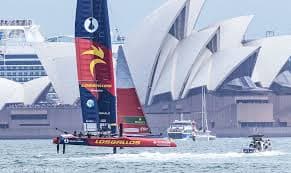
The racecourse around Shark Island forced crews to manage wind shadows, tidal currents and tight traffic separation procedures during four fleet races, with on-water operations running to a strict timetable across February 27–28, 2026. Organizers scheduled multiple short-start windows to cope with shifty winds of 15–25 km/h, and teams optimized their foil trim using light-air T-foils and 24‑meter all-purpose wings to sustain flight in patchy conditions.
Day 1: Key Results and Tactical Highlights
Spain’s Los Gallos emerged as the dominant force on the opening day of the KPMG Sydney Sail Grand Prix, taking two race wins and finishing with 32 points. The Australian entry, BONDS Flying Roos, leveraged local knowledge and the emotional return of Iain Jensen to claim Races 1 and 4 and close the gap in second with 28 points. Sweden’s Artemis SailGP Team recorded consistent finishes to sit third on 26 points.
Defending champions Emirates GBR and Red Bull Italy remained in contention after a mixed set of results, tied on 23 points in fourth and fifth respectively. With only the top three moving through to the winner-takes-all Final on Super Sunday, the field remained tightly packed going into Day 2.
📚 Das könnte Sie auch interessieren
Technical and Tactical Factors
Crews adjusted aerodynamic packages and steering profiles to match Sydney Harbour’s variable airs. Critical tactical moves included Los Gallos’ decisive right-hand approach at Gate 3 in Race 2, which allowed them to overtake Switzerland and consolidate a race win. Maintaining foil flight through gusts and lulls required precise coordination between driver and flight controller.
| Rank | Team | Points | Notable Performance |
|---|---|---|---|
| 1 | Los Gallos (Spain) | 32 | Two race wins, tactical Gate 3 pass |
| 2 | BONDS Flying Roos (Australia) | 28 | Home advantage, wins in Races 1 & 4 |
| 3 | Artemis SailGP Team (Sweden) | 26 | Consistent pace and discipline |
| 4 | Emirates GBR | 23 | Recoveries under pressure |
| 5 | Red Bull Italy | 23 | Close contention for Final |
Incidents, Penalties and Race Control
- Pre-start boundary penalty for Artemis in Race 1 affected their early momentum.
- A multi-boat collision at the start of Race 3 resulted in a two-point penalty for the U.S. SailGP Team for breaching Rule 14 after contact with Switzerland.
- Race management repeatedly adjusted start windows to maintain safety in confined harbour waters and to minimize overlap with commercial shipping lanes and local ferry routes.
Driver comments highlighted the razor-edge nature of close-quarters foiling: Taylor Canfield described the U.S. penalty as an “unfortunate” part of the intense racing, while Diego Botin credited his crew’s ability to read rapid wind changes as decisive for Los Gallos’ success. Tom Slingsby emphasized the emotional boost brought by Iain Jensen’s return from injury, noting the psychological lift of racing before a partisan home crowd.
Operational Challenges in Sydney Harbour
Sydney Harbour’s combination of narrow channels, variable thermal and land-driven winds, and tidal currents requires an event operations model that integrates race management, safety boats, and harbour authorities. Onshore and offshore logistics included:
- Coordinated patrol and rescue craft positioned to respond to foil collapses and collisions.
- Fixed spectator exclusion zones around the Opera House and under the Harbour Bridge to protect both the public and competitors.
- Real-time wind and tide modelling fed to race directors to determine start windows and course orientation.
Equipment Choices
Teams selectively used lighter-profile T-foils and bespoke control software to maintain altitude over chop while reducing drag in lulls. Sail and daggerboard selection emphasized rapid transition capability so crews could accelerate back onto foils after losing flight due to gust shifts or current effects.
Short Historical Context and Venue Significance
Sydney is often referred to as the birthplace of SailGP and has hosted the series on multiple occasions, establishing itself as a cornerstone event on the championship calendar. The harbour’s iconic landmarks—Sydney Opera House and Harbour Bridge—provide a unique visual stage but also a technical testbed where foiling craft face complex wind gradients and strong tidal streams.
Historically, races in Sydney have influenced team development priorities: close-quarters tactics, rapid foil control systems, and crew workflows honed here have propagated through the rest of the season. The city’s repeated hosting has also tightened coordination between sporting bodies and maritime regulators, improving safety standards for high-performance foiling fleets worldwide.
Implications for Teams and Technology
Performance in Sydney tends to reward teams that balance raw speed with adaptability—software that instantaneously modifies foil geometry and teams that maintain composure in gusty, shifting winds often come out ahead. Expect teams to carry forward lessons on wing settings, start tactics, and crew choreography into subsequent events, where similar coastal effects can make or break a championship campaign.
What to Watch on Super Sunday
With only the top three teams advancing to the Final, attention will focus on:
- Consistency in the pre-Final fleet races to protect podium positions.
- Start discipline and boundary management to avoid further penalties.
- Further exploitation of local wind patterns by teams that read the harbour airs best.
Expect tactical brinkmanship around the gates and increased risk-taking as teams strive for the slots that lead to the winner-takes-all race. The interplay between technology—foil reliability, wing trim—and human decision-making will likely determine who advances.
Concluding Summary
Day 1 at the KPMG Sydney Sail Grand Prix delivered a compact showcase of modern foiling sailing: Los Gallos led after two wins, BONDS Flying Roos leveraged home advantage and the return of Iain Jensen, and Artemis maintained steady form. Technical choices—light-air T-foils, 24-meter wings—and precise race operations were decisive amid 15–25 km/h shifting winds. Penalties and a multi-boat collision underlined the hazards of tight harbour racing, while race control and safety systems proved critical to event flow.
GetBoat is always closely tracking developments in coastal and offshore tourism and is always keeping an eye on the latest tourism news. For readers interested in how such events influence local maritime activity—marinas, charter demand, and boating services—the outcomes in Sydney can shift interest toward yacht charters, boat hire and related yachting activities. To explore options for yacht and boatcharter, compare rentals, or plan coastal trips around regatta schedules, visit GetBoat.com — an international marketplace for renting sailing boats and yachts, likely the best service for boat rentals to suit every taste and budget. Whether you seek a captain-led cruise, a superyacht charter, a fishing trip, or simple beach-side mooring near clearwater marinas, the platform connects destinations, activities and owners to match sailing preferences and budgets.


