


 Deutsch
  English (UK)
  Русский
  العربية
  日本語
日本語  한국어
한국어  Magyar
  Türkçe
  Español
  Čeština
  Svenska
  Português
  Ελληνικά
  Suomi
Suomi  Nederlands
  Română
  Italiano
  Français
  Polski
  Українська
  简体中文
简体中文  Slovenčina
 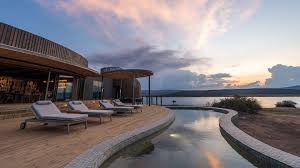 Magashi Peninsula Safari Retreat eröffnet im Akagera Nationalpark, Ruanda">

Discovering the Magashi Peninsula Safari Retreat
Rwanda has recently enriched its portfolio of eco-tourism offerings with the opening of the Magashi Peninsula Safari Retreat, situated within the vast expanse of Akagera National Park. This new safari destination stands as a beacon of sustainable tourism and robust conservation efforts, harmonizing luxury with environmental stewardship on the edge of Lake Ihema.
The peninsula’s retreat is designed to attract travelers seeking authentic wilderness experiences, blending comfort with close encounters of Africa’s unique wildlife. The initiative plays a critical role in supporting accents on conservation by channeling tourism revenues back into protecting the park’s ecosystem, ensuring that visitors can enjoy the stunning savannahs and rich biodiversity responsibly.
Features and Experience of the Magashi Retreat
This exclusive retreat is known for its intimate scale and commitment to low-impact tourism. Visitors can expect a blend of well-appointed accommodations that provide panoramic views over the kayak-strewn waters of Lake Ihema, alongside guided safari excursions that highlight the park’s famed wildlife such as elephants, giraffes, and numerous bird species.
The facilities also emphasize eco-friendly design elements, including the use of solar power and local materials that respect the natural landscape. Expert guides enhance the visitor experience by offering not only wildlife watching but also cultural interactions with nearby communities, fostering a deeper understanding of the symbiotic relationship between people and nature.
A Historical Glance at Rwanda’s Tourism and Conservation Journey
Tourism in Rwanda has evolved remarkably over the past decades, moving beyond its once modest beginnings to become one of the country’s economic pillars. Historic investments in wildlife conservation, most notably for mountain gorillas, have transformed Rwanda into a sought-after destination.
Protected areas like Volcanoes National Park and Akagera have become symbols of conservation successes and nature-based tourism. Efforts by the Rwanda Development Board and partnerships with international organizations have propelled infrastructure developments such as canopy walkways, allowing tourists to experience Rwanda’s rich biodiversity from immersive vantage points.
Akagera National Park itself is a shining example of restoration. After decades of challenges, including poaching and habitat loss, focused conservation initiatives have reintroduced key species and fostered a resurgence of wildlife populations, positioning the park as a prime destination for safaris in East Africa.
Table: Key Milestones in Rwanda’s Ecotourism and Conservation
| Year | Milestone | Significance |
|---|---|---|
| 1970er Jahre | First ecotourism efforts focusing on gorilla conservation | Laid foundation for Rwanda’s tourism model emphasizing sustainable wildlife protection |
| 2000s | Major rehabilitation of Akagera National Park | Fueled wildlife recovery, attracting safaris and nature tourists to eastern Rwanda |
| 2010s | Introduction of regional tourism visa initiatives | Enhanced regional tourism cooperation, boosting visitor access and economic integration |
| 2020s | Opening of Magashi Peninsula Safari Retreat | Advanced luxury eco-tourism with a strong conservation mission in Akagera National Park |
Implications for Sustainable Coastal and Wilderness Tourism
This latest development in Rwanda highlights the growing global emphasis on ecological sustainability in tourism. The Magashi Peninsula retreat underscores how wilderness areas, including protected national parks, can serve as both guardians of biodiversity and engines for local economic development.
For regions with access to large water bodies like Lake Ihema, integrating safari tourism with aquatic and boating activities—such as bird watching from boats or lake fishing—presents exciting opportunities. This fusion of land and water-based experiences is of particular interest to sailing enthusiasts who appreciate pristine natural environments as part of their travel adventures.
Conservation and Tourism: Balancing Act in Protected Areas
Protected area tourism always requires a delicate balance between welcoming visitors and managing environmental impacts. With increasing numbers of tourists seeking nature and wildlife experiences, parks like Akagera must implement adaptive management strategies that preserve habitats while supporting tourism infrastructure.
- Adaptive Management: Ensuring visitor numbers and behaviors do not degrade wildlife habitats.
- Community Engagement: Incorporating local communities to share economic benefits and deepen conservation commitment.
- Eco-Friendly Infrastructure: Utilizing sustainable materials and renewable energy throughout safari camps and lodges.
Looking Ahead: The Role of Eco-Lodges in Eastern Africa’s Tourism Landscape
With ecotourism recognized as one of the fastest-growing segments of the global travel industry, destinations like Rwanda are setting examples of how to combine wilderness preservation with high-quality visitor experiences. The Magashi Peninsula Safari Retreat symbolizes a growing trend in wildlife destinations offering upscale, yet conscientious travel options.
As travelers increasingly value authentic interactions with nature and wildlife, new safari lodges and retreats that emphasize sustainability will not only enrich Africa’s tourism appeal but also encourage environmental awareness worldwide. This blend of adventure, education, and luxury—set in exceptional natural settings—is shaping the future of tourism in protected wilderness areas.
Table: Benefits of Sustainable Safari Retreats
| Aspect | Benefit |
|---|---|
| Economic | Generates income and employment for local communities |
| Environmental | Supports conservation efforts and biodiversity protection |
| Sozial | Encourages cultural exchange and community empowerment |
| Experiential | Provides immersive wildlife and nature experiences for tourists |
Safari Tourism’s Influence on Broader Travel Trends
The resurgence and innovation in safari offerings influence wider travel preferences, including those in marine and lake destinations where nature tourism thrives. For instance, travelers inclined to explore wildlife habitats on land might also enjoy boating charters or superyacht rentals in nearby lakes or coastal regions, combining the best of safari adventures with waterborne exploration.
The expanding network of marinas and boat rental services adjacent to such wilderness areas encourages multi-activity trips that blend wildlife observation on land with boating, fishing, and sailing activities on water. This synergy amplifies the appeal of destinations like Rwanda for tourists interested in varied outdoor pursuits.
Schlussfolgerung
The unveiling of the Magashi Peninsula Safari Retreat in Akagera National Park marks a significant milestone in Rwanda’s journey towards sustainable tourism and conservation. This retreat offers an exceptional chance for visitors to engage deeply with Africa’s natural wonders, framed within a model that respects and protects the ecosystem.
As eco-tourism and safari tourism continue to shape global travel trends, destinations rich in wildlife and natural beauty will increasingly integrate land and water experiences. Whether it’s the thrill of spotting elephants on safari or enjoying serene boating trips on nearby lakes, the synergy between wildlife tourism and boating activities is set to flourish.
GetBoat.de – an international marketplace for renting sailing boats and yachts – offers diverse options for those looking to explore nature’s marvels from atop the water. From yachts to simple boats, GetBoat ensures every traveler can enjoy adventures that complement thrilling safari explorations and embrace the natural splendor of destinations like Rwanda.