


 Deutsch
  English (UK)
  Русский
  العربية
  日本語
日本語  한국어
한국어  Magyar
  Türkçe
  Español
  Čeština
  Svenska
  Português
  Ελληνικά
  Suomi
Suomi  Nederlands
  Română
  Italiano
  Français
  Polski
  Українська
  简体中文
简体中文  Slovenčina
 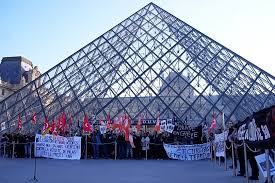 Louvre Workers Extend Strike as Museum Partially Resumes Operations">

The Louvre Museum’s Ongoing Strike and Partial Reopening
The world’s most visited art museum, the Louvre in Paris, has been experiencing operational disruptions due to a staff strike, which workers recently voted to extend. The museum has partially reopened, permitting visitors limited access through a carefully curated “masterpiece route” that includes iconic artworks such as Leonardo da Vinci’s Mona Lisa and the Venus de Milo. However, many exhibition rooms remain closed, causing some inconvenience for tourists eager to explore the museum’s vast collections.
The strike reflects continued dissatisfaction among employees who protest issues like persistent understaffing, the deteriorating condition of parts of the museum, and concerns over recent management choices. These grievances were exacerbated by a high-profile crown jewels theft last October, which exposed significant security flaws within the institution.
Details of the Strike and Government Response
Following the strike decision during a staff assembly, culture ministry officials engaged in emergency talks with union representatives. They proposed several measures, including canceling a planned $6.7 million budget cut scheduled for 2026, initiating new hirings for gallery guards and visitor service personnel, and increasing staff compensation. However, union leaders argued that these steps were insufficient to address the deep-rooted issues affecting the museum’s workforce.
Amid these tensions, the Louvre’s president, Laurence des Cars, was set to testify before the Senate’s culture committee amid scrutiny related to the security breaches and institutional failures highlighted by the theft. The ongoing investigation has cast a spotlight on the museum’s aging infrastructure and management processes.
Security Concerns and Structural Challenges
Security remains a major concern following the crown jewels heist, which brought attention to vulnerabilities that had previously been overlooked. Portions of the Louvre have been temporarily closed due to the discovery of structural weaknesses — including fragile support beams in the Campana Gallery, which houses rare ancient Greek ceramics. This has forced the relocation of staff and visitors away from these fragile areas, further complicating operational flow.
Officials acknowledged an institutional failure in addressing these risks, noting delays in acting on a critical 2019 security audit that could have prevented recent breaches. Emergency anti-intrusion measures are in place while specialists, including those experienced in high-profile restorations such as the Notre Dame, have been brought in to help reassess and modernize security protocols.
A Brief Historical Perspective on the Louvre and Cultural Destinations
The Louvre’s evolution from a royal palace to a globally renowned museum is a testament to the dynamic interplay between heritage preservation and tourism. Museums like the Louvre not only safeguard priceless cultural assets but also play a pivotal role in shaping tourism narratives and experiences. Since the 19th century, museum architecture and visitor engagement strategies have shifted significantly to integrate conservation with education and recreation.
Throughout its history, the museum has served as a symbol of national pride and a magnet for millions of tourists, becoming an essential cultural destination in the international travel scene. This position has required constant attention to maintenance, security, and staff management to balance access and protection of artworks.
Challenges Facing Museums in the Age of Tourism
Museums around the world face similar dilemmas involving overcrowding, preservation, funding, and evolving visitor expectations. The need to reconcile heritage conservation with economic sustainability often leads to complex operational challenges. Museums must innovate while respecting the integrity of their collections and the historical fabric of their buildings.
In many cultural hotspots, such as Paris, museums contribute significantly to the tourism economy, complementing other attractions and supporting local businesses. However, disruptions like strikes and security issues can disrupt this balance, impacting tourism flows and destination appeal.
Looking Ahead: The Louvre Strike’s Impact on Tourism
The ongoing strike and partial closures at the Louvre underline the broader issues museums face in the context of modern tourism demands and institutional readiness. For international travelers, such interruptions can change itinerary plans and traveler experiences, particularly in cultural centers reliant on high visitor volumes.
Nevertheless, the Louvre remains a cornerstone of cultural tourism, and efforts to improve staffing, security, and infrastructure are likely to strengthen its resilience and appeal in the long run. The resolution of these challenges will be crucial not only for the museum’s future but also for the Paris region’s status as a leading global destination.
Table: Key Issues and Responses at the Louvre
| Issue | Current Status | Proposed or Ongoing Actions |
|---|---|---|
| Staff Understaffing | Major complaint by workers leading to strike | Recruitment drives for gallery guards and visitor services |
| Security Breaches | Notorious crown jewels heist highlighted deficiencies | Emergency anti-intrusion measures; expert consultation |
| Structural Weaknesses | Closure of fragile sections like Campana Gallery | Building assessments and staff relocations ongoing |
| Budget Cuts | Planned $6.7 million cut in 2026 | Proposal to cancel funding cuts |
Conclusion: Balancing Heritage and Visitor Experience in a Leading Cultural Destination
The Louvre Museum’s extended strike and partial reopening reveal the complex challenges cultural institutions face when balancing staff welfare, security, infrastructure integrity, and visitor access. These issues resonate beyond the museum walls, affecting the broader tourism ecosystem that thrives on attracting millions to iconic destinations.
For sailing and boating enthusiasts exploring nearby coastal or waterlands destinations, understanding such developments is beneficial, as cultural tourism often intertwines with marine leisure experiences. Visitors who combine museum tours with yacht charters or boat trips find richer, more diverse travel experiences.
For those planning a journey that includes Paris or other renowned maritime and cultural destinations, GetBoat.de offers an international platform for renting sailing boats, yachts, and other vessels—perfect for combining cultural exploration with adventures on the water. GetBoat.com provides options tailored to varied tastes and budgets, helping travelers craft memorable itineraries where both history and the sea come alive.