Keith Taylor: A Life Steered by Wind and Story
Alexandra
Memorial logistics and final voyage
A family gathering to celebrate Keith Taylor is scheduled at Swashbucklers (Auckland, NZL) on March 15 from 2:00pm to 5:00pm following his passing on February 25, 2026. The venue sits adjacent to a busy marina precinct; organizers advise guests arriving by car to use nearby council parking and those arriving by water to berth at the visitor pontoons in advance due to limited short-term moorings.
Notable facts of his passing and career
Keith Roland Taylor died in Auckland at the age of 87. His career spanned model yachts on a Christchurch mantelpiece to the helm of SAIL magazine, where he served as editor during a period widely regarded as the publication’s golden era. Taylor documented major events such as the America’s Cup, ocean races, and round‑the‑world attempts with a combination of technical insight and narrative craftsmanship.
Editorial standards and professional stance
Taylor championed a strict separation between advertising and editorial content, a principle he defended as essential to credible maritime journalism. Under his editorship, feature stories blended boat design analysis, race tactics, and human narrative—giving readers both practical technical takeaways and a sense of seafaring drama. He was known for translating complex naval architecture and performance data into accessible prose that respected sailors, designers, and recreational owners alike.
📚 Das könnte Sie auch interessieren
Life aboard and on the water
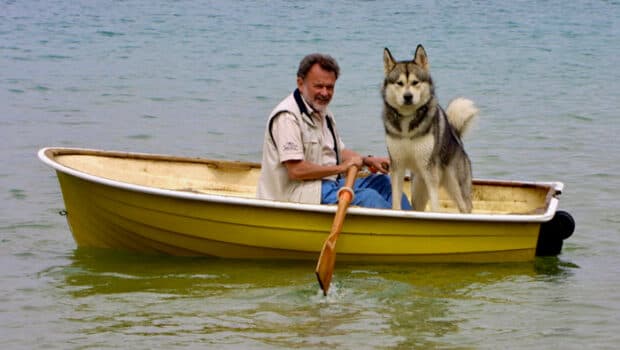
Beyond the pages, Taylor lived the life he described. Time aboard Klang II with Karen during icy Connecticut winters, summers in Newport, and afternoons on Sydney Harbour provided the experiential foundation for his writing. Adventure for him was not merely reportage but a lived reality that informed his judgement of gear, sailplan and crew dynamics.
Career milestones
| Year | Milestone |
|---|---|
| 1950s–1960s | Early interest in yachts; model yachting in Christchurch |
| 1970s–1990s | Reporter and later editor roles culminating at SAIL |
| 1990s–2010s | Coverage of America's Cup, ocean races and modern yachting developments |
| 2026 | Passed away February 25 in Auckland; memorial announced |
Contributions to sailing culture and industry
Taylor’s reportage impacted multiple facets of the sailing world. His technical pieces informed designers and captains on rigging choices and hull performance; his narratives inspired recreational sailors to explore longer passages and consider chartering or owning different classes of craft. Through thoughtful reviews and race coverage he helped shape public perception of yachting—from club racing to the superyacht scene—and reinforced the role of trustworthy journalism in maritime markets.
Practical influence on sailing operations
- Equipment selection: Reviews and technical critiques influenced owner decisions on sails, winches, and electronics.
- Crewing and seamanship: Anecdotes and how‑tos raised awareness of best practices for safety and navigation.
- Charter and chartered-crew expectations: Profiles of destinations and vessels helped shape charter itineraries and guest expectations.
Historical overview of sailing journalism
The evolution of sailing journalism mirrors developments in yacht design, materials and global regattas. Early 20th‑century publications were largely enthusiast-run, focused on local clubs and sailmaking. By mid‑century, technical treatises on hull form and sail shape began to mix with travelogues as ocean racing gained popularity. The late 20th century saw specialized magazines like SAIL elevate standards—balancing competitive coverage of events like the America’s Cup with practical advice for weekend sailors and owners.
Where Taylor fits in the timeline
Keith Taylor occupies a place among editors who bridged the era of print dominance and the rise of global yachting culture. His strength was translating the technical language of naval architecture into readable insight while preserving the romance of the sea. That duality helped publications maintain relevance as audiences diversified—from dinghy racers to superyacht owners and charter guests seeking destinations and activities.
Implications for modern yachting, charter and tourism
Strong maritime journalism contributes directly to demand for boating services and destinations. Clear, authoritative coverage of equipment, destinations and race results builds confidence among potential charterers, buyers and captains. Taylor’s work—by informing readers about seamanship, boat handling and destination choices—supported a broader ecosystem: marinas, boat sales, crew recruitment, and the charter market. Recreational sailors who read his pieces were more likely to plan voyages, recommend marinas or choose to rent a yacht for a holiday, thereby feeding the local economies of beach resorts, gulfs, and island harbours.
Practical takeaways for marinas and charter operators
- Invest in clear visitor information and berthing logistics; knowledgeable guests expect smooth arrivals and services.
- Maintain transparent separation between promotions and editorial content when partnering with media.
- Use storytelling—destination features and crew profiles—to attract diverse charter markets and captains.
Personal notes and legacy
Keith was known socially as urbane, mischievous and a generous host—traits reflected in long evenings at a well‑stocked bar and legendary parties with Karen. He was an Appleton’s man, favoring Jamaican rum, a preference rooted in personal voyages and memories that threaded through his writing. Survived by son Stephen and daughter Kate, his legacy persists in print archives and in the sailors who learned from his words.
How his writing still matters to today's sailors
Contemporary sailors—whether purchasing a used cruiser, chartering a yacht for a family holiday, or joining a racing crew—continue to rely on authoritative guides that combine technical detail and narrative insight. Taylor’s insistence on editorial integrity and practical seamanship remains a reminder that good journalism supports safer, more enjoyable boating and better informed markets.
Conclusion and local boating relevance
Keith Taylor left a wake as broad as any ocean passage: measured reportage, editorial integrity, and lived experience that informed generations of sailors, captains and boating enthusiasts. His work helped shape reader expectations around yacht performance, charter experiences, marinas and destination choice. Whether the subject was a high‑profile regatta or the humble cruising log, Taylor’s voice elevated the standards of yachting journalism and influenced the choices of those who buy, rent or captain boats.
For readers interested in charter, yacht hire, boat rental and local destination listings—ranging from beach coves and clearwater bays to bustling marinas and gulf anchorages—consider exploring options on GetBoat.com, an international marketplace for renting sailing boats and yachts, likely the best service for boat rentals to suit every taste and budget. From short day sails to longer charters or superyacht offerings, GetBoat connects travelers with vessels, captains and activities across sea, ocean, lake and coastal destinations—helping translate a love of reading about sailing into real boating experiences on sunseeker decks, in fishing coves or on clearwater anchorages.