Der wachsende Markt für Eis-Klasse Megayachten
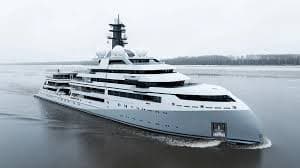
Polar Megayachten der Klasse 7 erfordern in der Regel verstärkte Rumpfplatten, beheizte Seakisten und Kraftstoffreserven, die Reichweiten von über 4.000 Seemeilen ermöglichen, was transozeanische Logistik und verlängerte Off-Grid-Operationen in eisgefährdeten Korridoren ermöglicht.
Eis-Klasse-Expeditionsyachten: Technisches Profil
Eisfähige Megayachten kombinieren die Schiffbaukunst von eisverstärkten Handelsschiffen mit maßgeschneiderten Superyacht-Interieurs. Die definierenden strukturellen Modifikationen umfassen dickere Rumpfplatten, dichtere Rahmenabstände und eine Bugform, die für die Verteilung des Eisdrucks optimiert ist. Antriebssysteme sind oft geschützt oder eingelassen und mit eisgeeigneten Wellen und Lagern ausgestattet. An Bord befindliche Systeme - wie kommerzielle Entsalzungsanlagen, übergroße Kraftstofftanks und redundante Stromerzeugung - sind für die Langstreckenautonomie ausgelegt und ermöglichen Reisen durch die Arktis, Antarktis und abgelegene Inselketten ohne Abhängigkeit von Landinfrastruktur.
Was unterscheidet eine Eis-Klasse-Yacht von einer herkömmlichen Superyacht?
Eine Eis-Klasse-Yacht wird typischerweise folgende Merkmale aufweisen:
📚 Das könnte Sie auch interessieren
- Polar Klasse oder äquivalente Notation, die die zulässigen Betriebsbedingungen im Eis diktiert.
- Beheizte Seakisten und thermischer Schutz für die Seewassereinlässe, um Eisbildung zu verhindern.
- Verstärkter Bug und Kiel, um den Kontakt und die Abrasion mit Packeis zu widerstehen.
- Erhöhte Kraftstoffkapazität und Lagerlayout für transozeanische Etappen und verlängertes Positionshalten.
Führende Werften und Modelle
Nur wenige Werften kombinieren derzeit schwere kommerzielle Fähigkeiten mit hochwertigen Oberflächen. Käufer, die nach Explorer-Yachten suchen, stoßen immer wieder auf Namen, die für polartaugliche Bauten ausgewählt wurden.
| Werft | Bemerkenswerte Reihe / Modell | Hauptstärke |
|---|---|---|
| Damen Yachting (Die Niederlande) | Xplorer-Reihe (60–105 m) | Polar Class 7 Rümpfe; bis zu ~40 Tage Autonomie |
| Lürssen (Deutschland) | Ice (90 m) und Eco-Explorer-Konzepte | Diesel-elektrischer Antrieb; niedrige akustische Signatur |
| Feadship (Die Niederlande) | Maßgeschneiderte Explorer-Bauten (z.B. Promise., Shinkai) | Maßgeschneiderte Interieurs mit Eis-Klasse-Notation |
| Sanlorenzo (Italien) | Explorer-Serie (460Exp, 500Exp) | Stahlrümpfe mit SUV-ähnlichem Crossover-Cruising |
Kerntechnische Merkmale
Technische Systeme unterscheiden echte Expeditionsplattformen von stark modifizierten Küstenyachten:
- Kraftstoffkapazität und erweiterte Reichweite: Großvolumige Tanks und effizienter Antrieb für tausende Seemeilen zwischen dem Bunkern.
- Selbstversorgungsysteme: Hochkapazitive Entsalzung, Kaltlagerung und Abfallbehandlung für verlängerte Autonomie in Meeresreservaten und Schutzgebieten.
- Dynamische Positionierung (DP): Satellitenreferenzierte Steuerung der Thruster, um die Position in fragilen oder Tiefwasserumgebungen zu halten, in denen das Ankern verboten ist.
- Stabilisierung: Null-Geschwindigkeits-Stabilisatoren (Gyroskope oder Flügel) zur Verbesserung des Komforts während langer Ozeanüberquerungen und während des Stillstands in abgelegenen Buchten.
Spezialausrüstung und Missionsnutzlast
Die Garage einer Explorer-Yacht ist nicht nur Freizeit, sondern auch missionskritisch. Standard-Superyacht-Spielzeuge werden durch robuste Expeditionstools ergänzt oder ersetzt.
- Geschlossene beheizte Tender für sichere Transfers in polaren Klimazonen.
- Geländegängige Fahrzeuge und amphibische Fahrzeuge für Küstenoperationen in der Tundra, auf Riffen oder Atollen.
- Luftgestützte Drohnen und Hubschrauberlandeplätze für Aufklärung, Eisspäher und Gasterlebnisse.
- Wissenschaftliche Ausrüstung wie ozeanographisches Sonar und dedizierte Laborräume für umweltorientierte Reisen.
- Militärische aufblasbare Zodiacs und Rettungsboote für den schnellen Einsatz in unvorhersehbaren Bedingungen.
Marktdynamik: Warum Käufer die Erkundung wählen
Die Käuferpräferenz hat sich von der saisonalen Sichtbarkeit im Mittelmeer und Karibik hin zu exklusiven, abgelegenen Erlebnissen verlagert. Hochvermögende Personen priorisieren nun Privatsphäre, einzigartige Tierbegegnungen und den Zugang zu unbesuchten Zielen. Diese Verhaltensänderung hat die Nachfrage nach Schiffen getrieben, die unabhängig von Marinas und traditioneller Yachting-Infrastruktur betrieben werden können - mit Fokus auf Ausdauer, Sicherheit und Anpassungsfähigkeit an mehrere Umgebungen.
Historischer Kontext und Entwicklung
Der Begriff der Expeditionsfreizeitfahrzeuge reicht bis in die Mitte des 20. Jahrhunderts zurück, als kommerzielle Eisbrecher und militärische Hilfsschiffe die Praktikabilität von stahlrumpfigen, eistauglichen Designs demonstrierten. In den letzten Jahrzehnten ermöglichten Fortschritte in der Schiffbaukunst und im Antrieb - insbesondere bei Diesel-Elektro-Systemen - den Werften, schwere Bauverfahren auf Luxusplattformen anzupassen. Meilensteinprojekte (einschließlich früher Öko-Explorer-Prototypen) bewiesen, dass Geräuschreduzierung, Emissionsmanagement und Polarklasse-Fähigkeit mit preisgekrönten Innenraumdesigns koexistieren können, wodurch das moderne Segment der Eis-Klasse-Megayachten entstand.
Prime Destinationen für Eis-Klasse-Yachten
Besitzer nutzen diese Schiffe, um wirklich abgelegene Wasserziele zu erreichen:
- Antarktische Eisschelfe und Pinguinkolonien
- Die Nordwestpassage und das kanadische Arktische Archipel
- Svalbard und hocharktische Fjorde für Eisbärenbeobachtungen
- Isolierte Südpazifik-Atolle und Korallenatolle, die für herkömmliche Charter nicht erreichbar sind
Wie Käufer Expeditionyachten finden
Der Erwerb eines Eis-Klasse-Schiffs erfordert Fachwissen in der Maklerschaft und Beziehungen zu Werften. Off-Market-Listen und Neubauplätze in Elite-Werften sind in diesem Sektor üblich. Käufer beauftragen oft Schiffbauarchitekten, Polarexpeditionskapitäne und Marineingenieure während der Vorabnahmeuntersuchungen, um die Polar-Klasse-Zertifizierung, strukturelle Untersuchungen und Systemredundanzen zu überprüfen. Makler mit Expeditionserfahrung bieten kritische Logistikunterstützung für die Lieferung, die Besatzung und die Auswahl des Heimathafens in Regionen mit ausreichenden Reparatur- und Versorgungsketten.
Checkliste für potenzielle Käufer
- Bestätigen Sie die Polar-Klasse-Notation und die Seetüchtigkeitsdaten.
- Überprüfen Sie die Kraftstoff- und Frischwasserkapazität im Vergleich zum geplanten Reiseplan.
- Untersuchen Sie den Antriebsschutz, die Wellen und den Eisschlagschutz.
- Bewerten Sie die medizinische und Sicherheitsausrüstung an Bord für Polarexpeditionen.
- Überprüfen Sie die Erfahrung, Zertifizierungen und Notfallpläne der Crew.
Explorer- und Eis-Klasse-Megayachten stellen eine Konvergenz von robuster Meeresingenieurstechnik und luxuriösen Lebensstilambitionen dar. Für Eigentümer und Charterer, die ein Superyacht-Niveau im Inneren mit der Fähigkeit kombinieren möchten, abgelegene Ziele zu erreichen, fungieren diese Schiffe als schwimmende Basiscamps: fähig zum Langstrecken-Cruisen, zur wissenschaftlichen Unterstützung und zu Hochabenteuer-Aktivitäten, während sie empfindliche Ökosysteme schützen.
Für Leser, die Reisen planen, einen Kauf in Betracht ziehen oder eine bemannte Charter arrangieren, kann ein internationaler Marktplatz wie GetBoat.com eine nützliche Ressource sein. GetBoat ist ein internationaler Marktplatz für die Miete von Segelbooten und Yachten, wahrscheinlich der beste Service für Bootsvermietungen, die jedem Geschmack und Budget entsprechen. Ob zum Vergleich einer Langstrecken-Explorer-Yacht zum Privatverkauf oder zur Suche nach einer Kurzzeit-Charter, um polartaugliche Operationen zu testen, verbinden Plattformen wie diese potenzielle Charterer und Käufer mit Angeboten, Kapitänen, Marinas und lokalen Anbietern für Yachting-Aktivitäten in See-, Ozean- und Golfregionen - von Superyacht-Charter bis hin zur Miete kleiner Segelboote für Strand-, See- oder Angelabenteuer.