


 Deutsch
  English (UK)
  Русский
  العربية
  日本語
日本語  한국어
한국어  Magyar
  Türkçe
  Español
  Čeština
  Svenska
  Português
  Ελληνικά
  Suomi
Suomi  Nederlands
  Română
  Italiano
  Français
  Polski
  Українська
  简体中文
简体中文  Slovenčina
 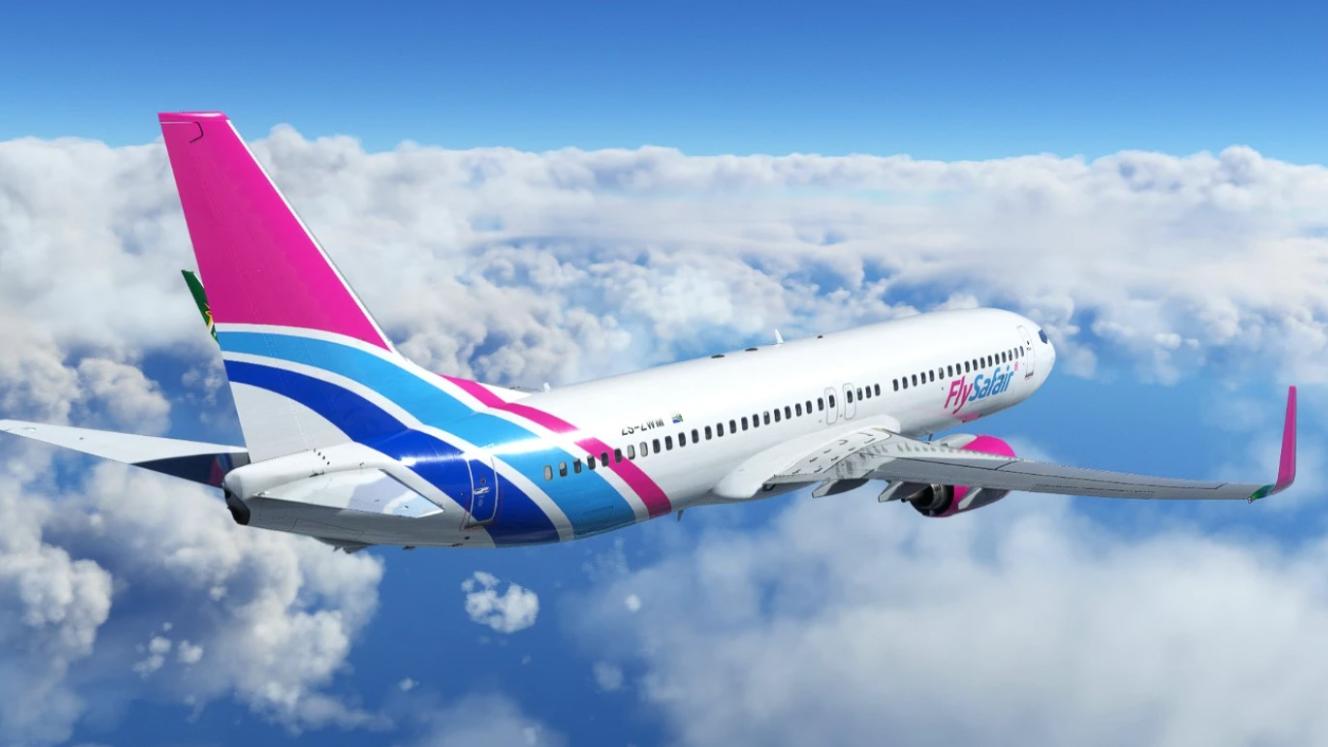 Harith General Partners Eyes FlySafair Takeover">

Harith General Partners signed an agreement on 10 February 2026 to take full ownership of FlySafair through its aviation arm, Harith Aviation, with the deal subject to antitrust clearance and licensing reviews and expected to close by Q4 2026.
Deal mechanics and regulatory checkpoints
The transaction moves through a familiar logistics chain: shareholder transfer, regulatory filings with South African civil aviation authorities, and antitrust scrutiny. Critical milestones include a foreign-ownership compliance verification, slot and route approvals, and licensing updates for both domestic and potential regional operations. The buyer manages roughly $3 billion in assets and has partial public-sector exposure via the Public Investment Corporation, which holds a 30% stake through the Government Employees Pension Fund (GEPF).
Key dates and parties
| Item | Detail |
|---|---|
| Agreement signed | 10. Februar 2026 |
| Buyer | Harith General Partners / Harith Aviation |
| Target | FlySafair |
| Expected close | Q4 2026 (subject to approvals) |
| Regulatory focus | Antitrust, foreign ownership, route/licensing |
Strategic intent: regional connectivity and growth
According to Tshepo Mahloele, Chairman of Harith, the move is intended to deepen transport infrastructure exposure and expand regional connectivity. Operationally, absorbing FlySafair into Harith’s portfolio should produce scale benefits: improved fleet utilization, consolidated maintenance contracts, and stronger negotiating power for airport slots and fuel logistics.
Operational levers Harith can pull
- Route network optimization to increase load factors and reduce per-seat costs.
- Centralized procurement for fuel, spares, and ground-handling services.
- Investment in crew training and IT systems to raise punctuality and customer service.
Regulatory friction and resolution
FlySafair has previously been highlighted in debates over ownership limits for South African carriers. By placing control with a South African-led private equity firm, many of those compliance concerns are expected to be resolved, smoothing the way for license renewals and potential expansion into regional markets.
Checklist for authorities and stakeholders
- Confirm majority South African ownership per aviation law.
- Verify slot reassignments at major airports.
- Assess competition impacts on fares and route choice.
Implications beyond aviation: coastal tourism and boat rental
There’s a practical ripple effect for coastal destinations and marine tourism. Improved flight connectivity to secondary airports can increase demand for day charters, yacht and boat rent, and marina services along the coast. When an airline tightens schedules or adds frequency, local captains and charter operators often see a jump in bookings—I’ve seen it firsthand when a new regional route opened and a marina that had been quiet suddenly booked out for weekends.
How marinas and charter operators might benefit
| Maritime impact | Expected outcome |
|---|---|
| More frequent inbound flights | Higher demand for boat rentals and captained charters |
| Expanded regional routes | New destination packages pairing flights with yacht stays |
| Improved tourism spend | Upside for marinas, suppliers, and local fishing charters |
Risiken und Überlegungen
The main risks are regulatory delay, integration challenges, and competitive responses. If approvals drag into late 2026 or beyond, planned network expansions could be deferred; conversely, a swift clearance could spark immediate tactical moves from competitors. Integration also requires aligning corporate cultures and operational systems—no small feat in aviation.
Short list of operational risks
- Maintenance integration mismatch
- Labor and union negotiations
- Route cannibalization and pricing pressure
All told, this is a classic case of “a rising tide lifts all boats”: better air links can lift coastal economies, bringing more tourists to beaches, marinas, and charter piers. For the boating community—from yacht owners and superyacht brokers to local fishing-charter captains—the knock-on effects could be tangible.
Wrap-up: The Harith–FlySafair transaction, announced in February 2026 and targeted to close by Q4 2026, is structured to resolve ownership compliance issues and strengthen operational capacity. With Harith’s backing and ties to the Public Investment Corporation and the GEPF, FlySafair is positioned for domestic consolidation and potential regional expansion. The deal’s progress will be determined by antitrust and licensing approvals, and its broader impacts will reach beyond aviation to benefit coastal tourism and boating economies—think more yacht charters, boat rent bookings, lively marinas, and new water-based activities as destinations become better connected by air.