


 Deutsch
  English (UK)
  Русский
  العربية
  日本語
日本語  한국어
한국어  Magyar
  Türkçe
  Español
  Čeština
  Svenska
  Português
  Ελληνικά
  Suomi
Suomi  Nederlands
  Română
  Italiano
  Français
  Polski
  Українська
  简体中文
简体中文  Slovenčina
  Egypt’s Grand Egyptian Museum Opens as a New Cultural Marvel">

A New Cultural Giant Emerges in Egypt
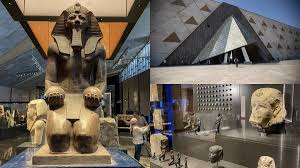
Egypt has recently launched the Grand Egyptian Museum (GEM), a monumental cultural landmark positioned just a stone’s throw from the iconic Giza Pyramids. This newest museum stands as the world’s largest repository dedicated exclusively to the ancient Egyptian civilization, housing over 50,000 artifacts that tell the story of one of the most illustrious human cultures.
The museum is designed not only as a center for culture and archeology but also as a magnet for millions of tourists expected annually, aiming to significantly boost the economic fabric of Egypt by invigorating its tourism industry. The public opening, which took place on November 4, offers a unique window into the past with an immersive experience that blends heritage with modern technology.
The Grand Scale and Unmatched Collection
Occupying a staggering half a million square meters near Cairo, the museum’s vast space is home to approximately 100,000 artifacts, with around half displayed in exquisite public galleries. This sprawling complex offers visitors an unforgettable journey through more than six millennia of Egyptian history, from prehistoric times through to the Roman era.
Visitors enter through a grand atrium where a six-story staircase, flanked by ancient statues, leads up to gallery spaces that provide panoramic views of the famed pyramids. A functional bridge links the museum to the pyramids, facilitating easy movement between these monumental sites, whether by walking or electric vehicle.
The museum’s 12 main galleries arrange items by historical period and thematic elements, highlighting masterpieces like the boy pharaoh Tutankhamun’s funeral beds, golden throne, six ceremonial chariots, gold-adorned sarcophagus, and a breathtaking burial mask composed of gold and semi-precious stones.
A Night to Remember: The Museum’s Grand Opening
The opening ceremony was a spectacular affair, illuminated by a stunning light and laser show that projected images of pharaohs onto the night sky, paired with fireworks and traditional musical performances. Actors clad in ancient Pharaonic regalia added a vivid cultural touch, setting the scene for the museum’s grand entrance into Egypt’s cultural landscape.
Historical Context of Egypt’s Museum and Tourism
The journey to this grand unveiling was long and fraught with challenges. Construction began in 2005, but the project faced multiple delays over nearly two decades due to political unrest, regional disruptions, and the global impact of the COVID-19 pandemic. Despite these hurdles, the GEM represents a pinnacle achievement in Egypt’s enduring effort to showcase its historical wealth.
Historically, Egypt’s allure as a destination is deeply tied to its ancient monuments, with tourism centered around landmarks like the Giza Pyramids and the Valley of the Kings. Egypt’s reputation as a travel destination has evolved since the 19th century, incrementally embracing mass tourism alongside cultural heritage, aided initially by pioneers such as Thomas Cook who opened luxury Nile cruises.
Today, the country boasts a diverse tourism portfolio, including not only cultural sites but also sun, sea and adventure tourism along the Mediterranean and Red Sea coasts. It remains a towering figure in global tourism, with cultural sites being a major attraction for international visitors.
Tourism in Numbers and National Impact
| Year | Tourist Arrivals (Millions) | Beitrag zum BIP (%) | Tourism Revenue (Billion USD) |
|---|---|---|---|
| 2024 | 15.7 | 8 | – |
| 2025 (9 months) | 15 | – | 12.5 |
| Forecast 2032 | 30 | – | – |
Egypt’s tourism sector has shown notable recovery and growth. Latest figures indicate a rise in tourist spending and arrivals, delivering crucial foreign currency that supports the national economy. The sector directly and indirectly contributes a significant percentage of Egypt’s GDP and employment, underscoring tourism as an indispensable component of economic development.
Challenges and Prospects
While Egypt’s cultural treasures command global attention, the country continues to manage challenges including infrastructure development, seasonal tourist flows influenced by geopolitical factors, and ecological sustainability concerns, especially in areas surrounding coral reefs in the Red Sea. Nonetheless, the GEM stands as a symbol of ambition, resilience, and Egypt’s commitment to cultural preservation and tourism expansion.
The Role of Grand Egyptian Museum in Global and Regional Tourism
This mammoth museum is poised to redefine Egypt’s place on the international tourism map. By creating a centralized hub for ancient Egyptian artifacts, the museum offers visitors an encyclopedic and accessible glimpse into the civilization’s grandeur. The GEM can be seen as a beacon that fosters cultural pride and engages global heritage enthusiasts, potentially reshaping tourism patterns in the region.
The integration of modern visitor amenities and seamless connections to the pyramids ensures a comprehensive tourist experience, encouraging longer stays and diversified activities in the surrounding areas. This “cultural ecosystem” enhances the appeal for leisure seekers, researchers, and adventurers alike, potentially impacting related sectors such as hospitality and even neighboring coastal areas that are popular for boating and water activities.
Potenzieller Einfluss auf den Meeres- und Segeltourismus
Egypt, bordered by the Mediterranean Sea and the Red Sea, retains a vibrant marine tourism sector featuring beach resorts, diving spots, and yachting hubs along its coasts. An increase in cultural tourism from visitors drawn to the GEM can increase demand for a wider range of leisure activities, including Segeln, boat charteringund superyacht experiences in marinas nearby.
As tourists seek to complement their historical and archeological excursions with time on the water, regions supporting maritime activities might see a rise in visitors wishing to combine their love of culture with sun-soaked moments on the sea or fishing expeditions. This cross-over effect highlights the interconnected nature of Egypt’s tourism sectors and the practical opportunities for expanding offerings in both cultural and marine domains.
Schlussfolgerung
The unveiling of the Grand Egyptian Museum near the Giza Pyramids marks a momentous occasion for Egypt’s cultural and tourism landscape. It stands out as an unparalleled center showcasing the rich tapestry of the ancient Egyptian civilization with an impressive collection of artifacts and state-of-the-art facilities. Moreover, it plays a key role in revitalizing tourism and stimulating the economy, attracting millions and supporting national growth ambitions.
With history and modernity intertwined at this cultural crossroads, the GEM offers visitors an immersive experience that bridges time and place. For fans of history, archeology, and cultural exploration, it is an unmissable destination. For adjacent coastal zones known for spectacular Strände und Jachthäfen, this museum’s success may translate into increased demand for boat rentals, Yachtcharter, and other boating activities, enhancing Egypt’s appeal as a multifaceted tourist destination.
As Egypt’s tourism continues to gain momentum, services like GetBoat.de – an international marketplace for renting sailing boats and yachts – are well-positioned to connect travelers with exceptional maritime experiences that complement their cultural journeys. This synergy between land-based heritage and water-based recreation exemplifies the evolving landscape of global tourism in regions rich with history and natural beauty.