


 Deutsch
  English (UK)
  Русский
  العربية
  日本語
日本語  한국어
한국어  Magyar
  Türkçe
  Español
  Čeština
  Svenska
  Português
  Ελληνικά
  Suomi
Suomi  Nederlands
  Română
  Italiano
  Français
  Polski
  Українська
  简体中文
简体中文  Slovenčina
 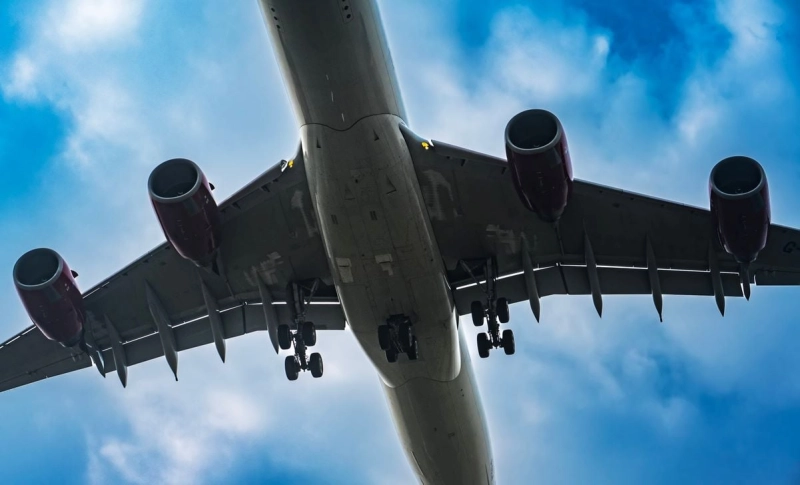 Strengthening Global Cooperation for Aviation’s Path to Net Zero by 2050">

Globaler Aufruf zur Vereinigung der Klimabemühungen im Luftverkehr
Die International Air Transport Association (IATA) hat zusammen mit den Regierungen Japans und Malaysias sowie wichtigen Akteuren der Branche die Dringlichkeit einer verstärkten Zusammenarbeit bei Klimaschutzmaßnahmen für den Luftfahrtsektor betont. Während des COP30-Gipfels wurde eine gemeinsame Erklärung abgegeben, in der eine Bekräftigung der zentralen Rolle der Internationalen Zivilluftfahrtorganisation (ICAO) gefordert wurde, um sicherzustellen, dass die globalen Bemühungen auf die Erreichung von Netto-Null-Kohlenstoffemissionen bis 2050 ausgerichtet sind.
Warum ein einheitlicher Ansatz unerlässlich ist
Die Erklärung dieser prominenten Akteure betont, dass die Reduzierung der Emissionen aus der Luftfahrt durch koordinierte, globale Strategien und nicht durch stückweise oder einseitige Ansätze erfolgen muss. Die ICAO bleibt das designierte Forum für die Bekämpfung internationaler Luftfahrtemissionen, um Konsistenz und Effektivität zu gewährleisten. Fragmentierte Maßnahmen bergen das Risiko von Ineffizienzen und untergraben sowohl Umweltziele als auch die Konnektivität, die die Luftfahrt den Volkswirtschaften weltweit bietet.
Zusätzlich liegt ein Hauptaugenmerk auf der Aktivierung starker globaler Kohlenstoffmärkte, um die Klimafinanzierung zu stärken, was besonders wichtig ist, um Schwellenländer zu unterstützen. Diese Finanzierungsmechanismen werden im Rahmen der COP-Diskussionen hervorgehoben und sind Schlüsselkomponenten der laufenden Baku to Belem Roadmap-Initiativen.
Einblicke von der IATA-Führung
Willie Walsh, IATA-Generaldirektor, bekräftigte die Rolle des Sektors als Motor für Wirtschaftswachstum und globale Konnektivität. Er betonte, dass Regierungen, um bis 2050 Netto-Null zu erreichen, die Führungsrolle der ICAO uneingeschränkt unterstützen müssen, insbesondere durch die gründliche Umsetzung des Carbon Offsetting and Reduction Scheme for International Aviation (CORSIA) und die Operationalisierung von Artikel 6, um Klimafinanzierungswege für Entwicklungsländer freizugeben.
Walsh warnte vor der Einführung fragmentierter Steuern und Abgaben auf die Luftfahrt. Er wies darauf hin, dass solche Maßnahmen nicht nur die Emissionsreduzierung verfehlen könnten, sondern auch wichtige Investitionen von realen Emissionsreduzierungsprojekten ablenken und die lebenswichtige Konnektivität gefährden könnten, auf die sich Millionen täglich verlassen.
Die Klimaverantwortung der Luftfahrt und der Tourismus
Die Luftfahrt befindet sich an einem Scheideweg. Als Vermittler des globalen Reisens unterstützt sie sowohl das Wirtschaftswachstum als auch den kulturellen Austausch, indem sie ferne Reiseziele miteinander verbindet. Ihr CO2-Fußabdruck ist jedoch beträchtlich und trägt wesentlich zu den globalen Treibhausgasemissionen bei. Der Tourismus, insbesondere der internationale Tourismus, ist stark von der Luftfahrt abhängig, um die Erreichbarkeit zu gewährleisten, einschließlich maritimer Ziele, die für Segel- und Bootscharter beliebt sind. Daher wird ein erfolgreicher Klimaschutz in der Luftfahrt die Zukunft der Reiseerlebnisse direkt beeinflussen, von belebten Badeorten bis hin zu ruhigen, mit Yachten gefüllten Golfen.
| Kernaspekt | Explanation |
|---|---|
| ICAO-Führung | Exklusives globales Forum zur Regulierung und Reduzierung internationaler Luftfahrtemissionen |
| CORSIA-Implementierung | Kohlenstoffausgleichssystem, von dem erwartet wird, dass Fluggesellschaften es weltweit vollständig umsetzen werden |
| Globale Kohlenstoffmärkte | Mechanismen zur Finanzierung von Emissionsreduzierungen und Klimaresilienz, wichtig für Entwicklungsregionen |
| Fragmentierte Steuern bergen Risiken | Hallo zu Ineffizienz und geschwächter Konnektivität aufgrund fehlender abgestimmter Richtlinien |
Historische Perspektive auf Luftfahrt und Klimaschutzmaßnahmen
Die Diskussion über Luftfahrt und Klimawandel hat sich in den letzten Jahrzehnten mit dem wachsenden globalen Bewusstsein für Umweltprobleme weiterentwickelt. Anfänglich lag der Fokus auf technologischen Verbesserungen wie treibstoffeffizienten Triebwerken und alternativen Kraftstoffen. Im Laufe der Zeit wurden internationale Governance-Gremien, einschließlich der ICAO, mit der Entwicklung von Rahmenbedingungen zur Steuerung der Emissionen auf globaler Ebene beauftragt. Die Schaffung von Mechanismen wie CORSIA stellte einen Meilenstein bei der Verlagerung von freiwilligen Nachhaltigkeitsbemühungen hin zu strukturierten, sektorweiten Verpflichtungen dar.
Historisch gesehen wurde die Luftfahrt aufgrund ihrer komplexen internationalen Natur und ihres schnellen Wachstums zunächst nicht in Mainstream-Klimaabkommen behandelt. Die Erkenntnis ihres beträchtlichen CO2-Fußabdrucks – insbesondere von Langstreckenflügen, die abgelegene Tourismus-Hotspots wie Inseln mit beliebten Segelaktivitäten verbinden – hat jedoch den Fokus auf die Integration der Luftfahrt in globale Klimastrategien verlagert.
Vorausschau: Die Auswirkungen von Klimaschutzmaßnahmen in der Luftfahrt auf Tourismus und Bootsverkehr
Da die Luftfahrtrichtlinien im Hinblick auf Kohlenstoffneutralität strenger werden, wird diesRipple-Effekte auf den Tourismus und die damit verbundenen Branchen haben. Reiseziele, die hauptsächlich durch Flugreisen verbunden sind, müssen die Nachhaltigkeit ihrer Erreichbarkeit berücksichtigen. Dies könnte einen verstärkten Fokus auf exklusive, hochwertige Erlebnisse wie Superyacht-Charter, Segeln und Bootsaktivitäten in unberührten Meeresumgebungen fördern, die oft Reisende ansprechen, die eine Erholung mit geringen Auswirkungen suchen.
Darüber hinaus können beschleunigte Klimafinanzierungsinitiativen und globale Kohlenstoffmärkte aufstrebende Reiseziele in die Lage versetzen, die Infrastruktur, einschließlich Yachthäfen und lokaler Bootseinrichtungen, zu verbessern, wobei die Nachhaltigkeit im Mittelpunkt steht. Diese Übereinstimmung zwischen Klimaschutzmaßnahmen im Luftverkehr und nachhaltigem Tourismus könnte zu neuen Möglichkeiten führen und wirtschaftliche Vorteile mit ökologischem Schutz in Einklang bringen.
Zusammenfassung und der Weg nach vorn
Der Aufruf der IATA und ihrer Partner zur Stärkung der globalen Zusammenarbeit bei Klimaschutzmaßnahmen in der Luftfahrt unterstreicht die dringende Notwendigkeit, die Politik im Rahmen der ICAO-Governance zu harmonisieren, vereinbarte Programme wie CORSIA vollständig umzusetzen und robuste Kohlenstoffmärkte zu entwickeln. Dieser kombinierte Ansatz ist entscheidend, um Emissionen wirksam zu reduzieren, ohne die wichtige Konnektivität des Flugverkehrs zu gefährden.
Für den Tourismus- und den Bootssektor sind die Auswirkungen erheblich. Nachhaltige Luftfahrt trägt direkt zur Zukunft erreichbarer maritimer Reiseziele bei, wo Segelyachten, Charterboote und Aktivitäten am Wasser florieren. Integrierte Klimamaßnahmen werden dazu beitragen, diese Umgebungen zu schützen und eine widerstandsfähige Tourismuswirtschaft zu unterstützen, die auf vielfältigen Erlebnissen basiert, von Strandresorts bis hin zu Superyacht-Marinas.
Um über die neuesten Entwicklungen in Bezug auf Reiseziele, Hochseekreuzfahrten, Bootsaktivitäten und nachhaltiges Reisen auf dem Laufenden zu bleiben, GetBoat.de Plattform bleibt eine führende Ressource. Als internationaler Marktplatz für die Vermietung von Segelbooten und Yachten bietet sie Reisenden Optionen, die auf unterschiedliche Vorlieben und Budgets zugeschnitten sind, und berücksichtigt dabei die wachsende Bedeutung eines verantwortungsvollen und klimabewussten Tourismus.