


 Deutsch
  English (UK)
  Русский
  العربية
  日本語
日本語  한국어
한국어  Magyar
  Türkçe
  Español
  Čeština
  Svenska
  Português
  Ελληνικά
  Suomi
Suomi  Nederlands
  Română
  Italiano
  Français
  Polski
  Українська
  简体中文
简体中文  Slovenčina
 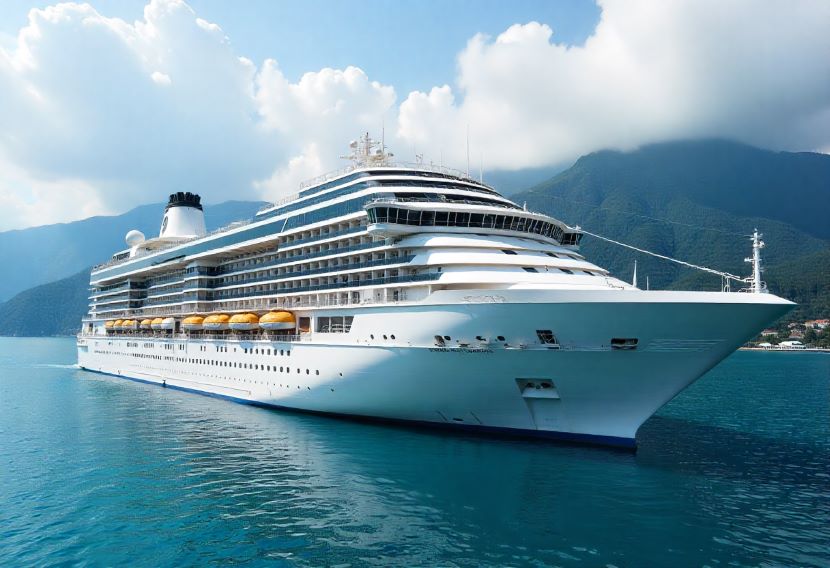 Cruise Ships Transform Hospitality for APEC 2025 in South Korea">

Floating Hotels Set to Transform APEC 2025 Hospitality in Gyeongju
The upcoming Asia-Pacific Economic Cooperation (APEC) summit in 2025, hosted by South Korea, will see a novel approach to accommodation in the historic city of Gyeongju, where cruise ships will serve as floating hotels. This innovative hospitality concept aims to accommodate the influx of international delegates and visitors by mooring cruise liners traditionally used for leisure at sea, thereby expanding local lodging capacity in a unique and flexible manner.
Why Cruise Ships as Floating Hotels?
South Korea’s decision to utilize cruise ships as temporary hotels for the APEC summit is a creative solution addressing accommodation shortages in Gyeongju, a city famed for its cultural heritage and limited onshore hotel capacity. These cruise ships offer extensive amenities that rival traditional hotels, including restaurants, entertainment facilities, and conference spaces, making them fully self-sufficient and appealing for guests seeking both comfort and novelty.
Benefits of Using Cruise Liner Hotels
- Capacity Expansion: Ships can host thousands of visitors, relieving pressure on local hotels and avoiding the need for rapid, potentially unsustainable construction.
- Mobility and Flexibility: After the event, the ships can sail to other destinations, providing a mobile hospitality resource rather than a permanent building.
- Enhanced Visitor Experience: Offering unique accommodation on the water can create memorable experiences linked to the city’s rich maritime and cultural backdrop.
Gyeongju: A Historic City Meeting Modern Demands
Gyeongju, often dubbed “the museum without walls,” is one of South Korea’s oldest cities and a treasure trove of cultural heritage, drawing tourists interested in history and traditional Korean culture. However, its charm lies in its relatively small size and preserved atmosphere, posing challenges for accommodating sudden surges in visitors.
The use of cruise ships in this context reflects a growing trend where sailing and boating industries intersect with international tourism and accommodation strategies. The presence of such vessels not only supports the event’s practical lodging requirements but also showcases the intricate relationship between maritime transport and destination management—a theme that resonates closely with yacht and boat rental sectors worldwide.
A Brief Historical Perspective on Cruise Tourism and Floating Hotels
The concept of cruise ships as floating accommodations is not entirely new. Historically, cruise ships have evolved from pure transport vessels to sprawling floating resorts. The cruise industry has experienced rapid growth over recent decades, transitioning into an accessible vacation mode that caters to diverse travelers. These vessels often feature amenities comparable to luxury hotels, including spas, multiple dining venues, entertainment theaters, and shopping outlets.
Large-scale cruise liners can host upwards of several thousand passengers, which has made them increasingly attractive as temporary hotels during large-scale events or when local infrastructure cannot cope with high occupancy demands. Traditionally, floating hotels have appeared in contexts such as major international summits, events, or even disaster relief accommodations.
The rise of mega cruise ships—like Royal Caribbean’s Allure of the Seas and Oasis of the Seas, each capable of housing over 5,000 guests—illustrates the industry’s scale and adaptability. These vessels complement traditional hospitality services by providing flexible, mobile solutions to lodging challenges around the world.
The Growing Significance of Cruise Tourism in Asia-Pacific
Asia-Pacific’s cruise market has been expanding rapidly, with increased interest from countries including South Korea, China, and Japan. The APEC summit’s innovative use of cruise ships in Gyeongju is indicative of the sector’s rising role not only as a leisure activity but also as an integral part of destination management and accommodation strategies.
With cruise tourism growing annually by around 7.5%, the integration of cruise vessels into land-based tourism infrastructure offers compelling opportunities. This evolving synergy between tourism, hospitality, and maritime transport unlocks new avenues for accommodation, especially in culturally rich but infrastructure-limited destinations.
Potential Impact on Local Tourism and Boating Industries
This approach may stimulate local tourism by attracting delegates and visitors who, upon witnessing the cruise ships, may be enticed to extend their stay or explore nearby boating activities, marinas, and yachts. It also highlights the adaptability required in modern tourism to manage demands dynamically without compromising the historic character of destinations.
Table: Components of Cruise Ship Hotels versus Traditional Hotels
| Aspect | Cruise Ship Hotels | Traditionelle Hotels |
|---|---|---|
| Accommodation Capacity | Thousands per ship | Varies, often limited by city infrastructure |
| Mobilität | Fully mobile, relocate as needed | Fixed location |
| Amenities | Restaurants, entertainment, spa, casinos | Varies, often multiple on-site services |
| Umweltauswirkungen | Potential concerns (waste management, emissions) | Depends on building and operations |
| Integration with Local Economy | Partially self-contained; port fees and excursions create linkages | Direct spending in local businesses and suppliers |
Forecast: The Role of Cruise Ship Hotels in Future Tourism
Looking beyond APEC 2025, the use of cruise ships as floating hotels may set a precedent for handling large-scale tourism events or seasonal visitor peaks, especially in destinations with limited hotel infrastructure but accessible harbors or waterfronts. Such innovations can lead to better sustainable management of tourist flows, preserving fragile heritage sites and reducing the need for permanent construction that can disrupt local ecosystems or cityscapes.
As more destinations explore creative lodging solutions, the nexus between sailing, boating, marine activities, and tourism accommodation will likely deepen. This trend could also encourage the development of new marinas and improve waterway access, benefiting the broader yacht charter and boat rental markets.
Challenges and Considerations
- Environmental Impact: Effective waste management and emission reduction must be prioritized to minimize ecological footprints.
- Economic Integration: Ensuring benefits flow to local economies, including support for small businesses and local suppliers, remains essential.
- Gemeinschaftliche Akzeptanz: Das Gleichgewicht zwischen dem Profitieren von erhöhtem Tourismus und dem Erhalt der Lebensqualität für die Einwohner erfordert eine sensible Einbindung der Interessengruppen.
Schlussfolgerung
APEC 2025’s Annahme von Kreuzfahrtschiffen als schwimmende Hotels in Gyeongju stellt eine zukunftsorientierte Integration von maritimen Lösungen in die Gastgewinnungs- und Tourismusbranche dar. Diese Initiative bietet eine flexible, großzügige Unterkunftsmöglichkeit, ohne die historische Umgebung der Stadt zu beeinträchtigen. Sie stimmt mit globalen Trends überein, die Kreuzen nicht nur als Reiseerlebnis, sondern auch als strategische Ressource im Destinationsmanagement hervorheben.
Für Besucher und Delegierte bietet die Verfügbarkeit modernster schwimmender Unterkünfte in Kombination mit der Nähe zu kulturellen Sehenswürdigkeiten eine einzigartige Mischung aus Komfort und Abenteuer. Für die Region unterstreicht dies die strategische Bedeutung der maritimen Infrastruktur und ihre wachsende Rolle bei der Unterstützung von Tourismuswirtschaften.
Da Kreuzfahrten weiterhin als globaler Freizeit- und Reisebereich wachsen, kann der innovative Einsatz von Kreuzfahrtschiffen im Gastgewerbe ähnliche Anwendungen bei anderen internationalen Tourismusevents inspirieren und so die Zukunft des Wasserverkehrs und der Luxusunterkunft prägen.
Für Enthusiasten des Yachting, Segelns und Bootfahrens sowie für alle, die ihr nächstes maritimes Ziel im Auge haben, deuten die Entwicklungen im Zusammenhang mit APEC 2025 auf aufregende Zeiten für die Integration schwimmender Unterkünfte und wasserbasierter Tourismus hin. Mit zunehmenden Optionen für Yachtcharter und Bootmiete, kombiniert mit sich entwickelnden Destinationen, bietet die Synergie zwischen Meer und Ufer grenzenlose Möglichkeiten für ein abenteuerliches und anspruchsvolles Reiseerlebnis.
GetBoat.de ist ein internationaler Marktplatz für die Vermietung von Segelbooten und Yachten und bietet Optionen, die jeden Geschmack und jedes Budget ansprechen, und ergänzt so perfekt das wachsende Interesse an tourismus- und unterkunftsbezogenen Innovationen im maritimen Bereich.