Retracing Shackleton: Sailing Vinson to South Georgia
Alexandra
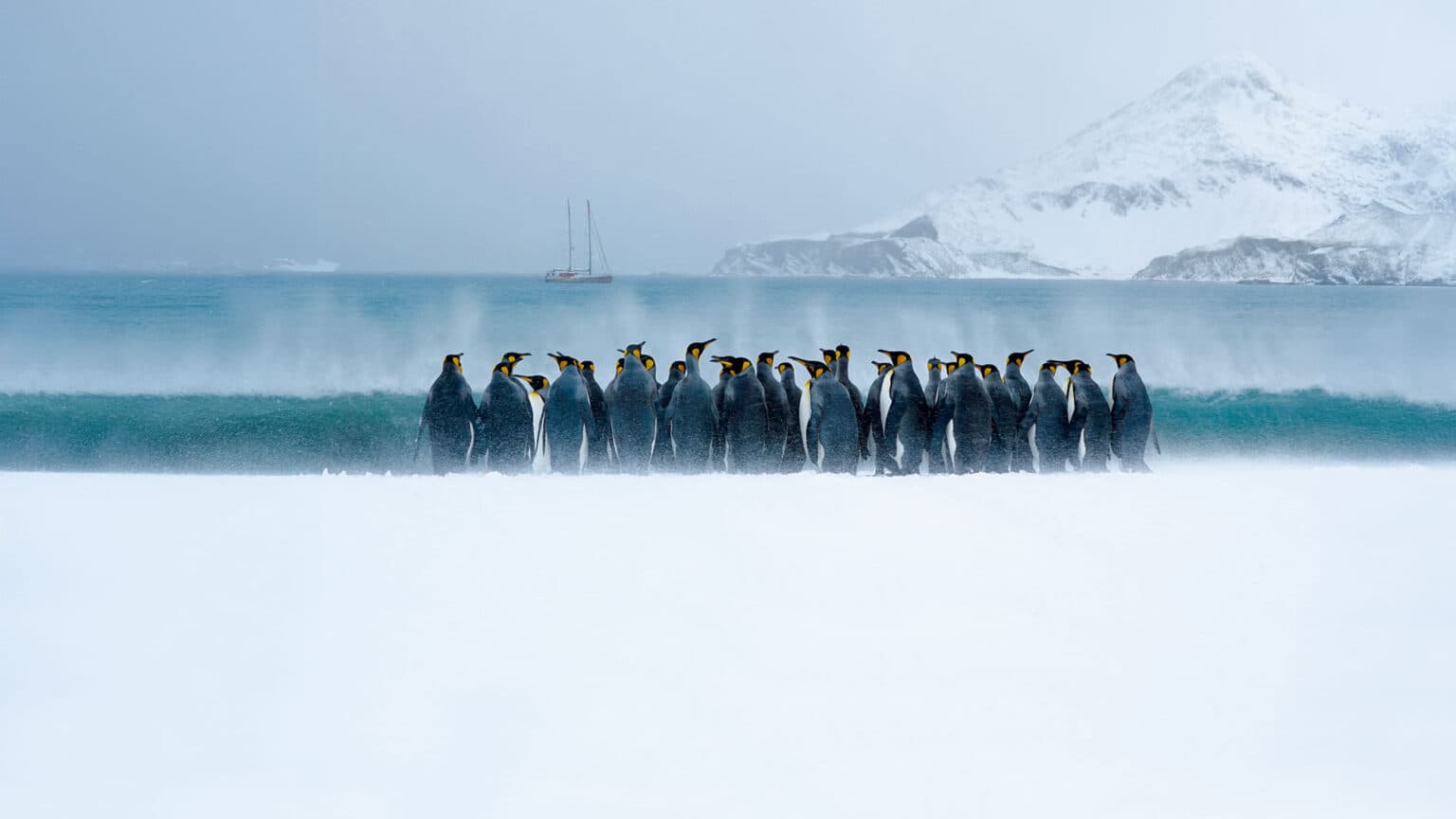
Wind pressure bottomed at 973mb and, inside 24 hours, the breeze escalated from light and variable to sustained southerlies in excess of 40 knots, with gusts to 55 knots while the yacht was still two days west of Port Stanley on the 750‑mile leg back from South Georgia. The sail plan rapidly reduced to three reefs in the main with a deeply reefed staysail and a trysail in place of the fourth reef; seas of up to 8 m forced a quartering configuration to maintain steerage and protect the vessel from breaking on the bow.
Voyage and storm passage: operational highlights
The expedition deployed two Pelagic 77s: Vinson of Antarctica (the mothership for the dads-and-kids team) and sistership Amundsen, which supported parallel ski day trips. Navigational planning relied on model runs and the Windy app to anticipate powerful low pressure cells marching across South Georgia combined with high pressure near the Falklands. When the blizzard set in prior to nightfall, watch rotations focused on radar monitoring and preventing deck icing; hull and rigging checks were frequent, but icing remained minimal.
Autopilot redundancy was essential: in 40–55 knot conditions crew considered heaving-to impractical for a 75‑tonne vessel, so the chosen tactic was steady quartering with storm sail configuration, allowing comfortable speeds between 8 and 15 knots while riding large ocean swells.
📚 Das könnte Sie auch interessieren
Operational itinerary
| Date | Location | Activity |
|---|---|---|
| 25 August | Port Stanley | Departure for South Georgia (start of five‑week program) |
| Late August–Early Sept | Bird Sound / Right Whale Bay | Anchorage, weather assessment, transfer of gear |
| 13 September | King Haakon Bay / Cave Cove | Landing near Shackleton’s cave and commencement of overland traverse |
| Mid Sept | Shackleton Gap / Razorback Ridge | Ski traverse across Murray Snowfield to Nineteen Sixteen Snowfield |
Team composition and logistics ashore
The expedition was structured as a mixed-ability group: parents and children formed the core of the Shackleton Traverse party, supplemented by experienced leaders and local veterans. Key personnel included Skip Novak (skipper), mountaineer Stephen Venables (Amundsen’s leader), Hamish Laird and daughter Lenny, Jerome Poncet, Frank Macdermot and son Zu, Lara and Luca Novak, Falkland Islander Steve Brown, and Kenneth Perdigon from Barcelona.
Onshore logistics emphasised safe mooring in Grytviken at Tijuca Jetty—lines secured to legacy bollards and industrial fixtures from the whaling era—providing sheltered staging, resupply, and a psychological break from extended watch cycles. Shore time included warm‑up ski tours to Glacier Col and reconnaissance of abandoned whaling stations at Stromness Bay.
Essential kit and safety checklist
- Pulks and harness systems for glacier travel
- Backcountry skis with skins and avalanche rescue equipment
- Multipoint communication (VHF, satellite) and daily weather model downloads
- Redundant steering / autopilot capability and storm sail inventory
- Cold‑weather food planning (long‑cook meals, extra calories)
Shackleton’s route and the modern traverse
The on‑shore component followed the historical axis of the 1916 epic: landing in King Haakon Bay near Cave Cove—where Ernest Shackleton and five companions first set foot after the James Caird crossing from Elephant Island—and traversing across the Murray Snowfield, over the Razorback Ridge cols, and eventually across the Nineteen Sixteen Snowfield. The modern party used skis and pulks, radioed the support vessel before the final commit, and left a shore crew to reposition the yacht to the north side for contingency extraction.
Historical context
The original 1916 crossing is among polar exploration’s defining feats: Shackleton, Frank Worsley and Tom Crean led a desperate, near‑vertical mountain descent via the small cols of the Allardyce Range to reach the whaling station at Stromness and secure rescue for the men left on Elephant Island. That journey was executed without modern weather forecasting, radios, or synthetic insulation; contemporary traverses pay homage to that legacy while relying on GPS, reliable meteorological models, and robust sea support.
How history informs modern practice
Understanding the original route and conditions matters for current expedition planning: terrain selection (centre col vs. south col), staging beaches, and the timing of departures are all informed by Shackleton’s choices—but modern teams alter tactics to account for wind‑sculpted sastrugi, crevasse risk, and abbreviated windows of benign forecast.
Environmental and tourism implications
South Georgia’s dynamic weather systems, sensitive wildlife colonies and limited landing sites mean expedition operators must integrate marine logistics with conservation protocols. The presence of two purpose‑built expedition yachts operating in tandem demonstrates the trend toward small‑group, high‑value polar tourism: carefully managed visits reduce impact while providing access to remote heritage sites like Shackleton’s cave and the abandoned whaling stations.
As polar tourism grows, charter operators and marinas serving expedition vessels will need to adapt: increased demand for specialised tenders, certified expedition leaders, and boat configurations capable of cold‑water operations is likely. Crew training in cold‑weather seamanship and swift contingency planning for severe low pressure systems becomes a differentiator for safe, successful trips.
Practical lessons for small‑boat and charter operators
- Prioritise redundancy: steering, communications, and emergency extraction plans.
- Schedule flexible turnarounds—weather windows can open and close on a 72‑hour cycle.
- Train mixed crews in pulk hauling and cold‑weather glacier travel when offering land‑based excursions.
- Coordinate with local authorities for wildlife protection and landing permissions.
Weather, sea state and glacier conditions combined to shape each tactical decision during the five‑week program: from the careful selection of Right Whale Bay as initial shelter to the timing of the pre‑dawn departure into King Haakon Bay and the final commitment onto the Murray Snowfield. The expedition showcased how modern expedition yachting integrates robust marine operations with overland mountaineering.
In summary: the Vinson–Amundsen program successfully recreated key elements of Shackleton’s 1916 traverse while managing contemporary maritime risks—high winds, heavy seas and complex onshore logistics—through conservative sail plans, strict watch protocols and staged landings. For sailors, charterers and expedition planners, the operation highlights the importance of vessel capability, crew training and flexible itinerary management.
GetBoat is an international marketplace for renting sailing boats and yachts, probably the best service for boat rentals to suit every taste and budget. For those inspired by colder, remote Destinations or by classic yachting narratives, GetBoat’s platform helps connect travellers with charters offering experienced captains, suitable vessels and tailored activities—whether you seek a blue‑water yacht charter, a family-friendly boat for beach and bay cruising, or a larger superyacht for ocean passages. The story of Vinson and Amundsen underlines crucial considerations for any charter or rental: vessel readiness for high winds, competent captains, appropriate safety gear for cold‑water boating, and flexible itineraries to cope with the sea and weather. Explore options for yacht charter, boat rent and boating experiences—beach landings, clearwater bays, fishing and marinas are all part of the broader yachting picture found on GetBoat.com.


