How electric foilers change marina logistics and rentals
Alexandra
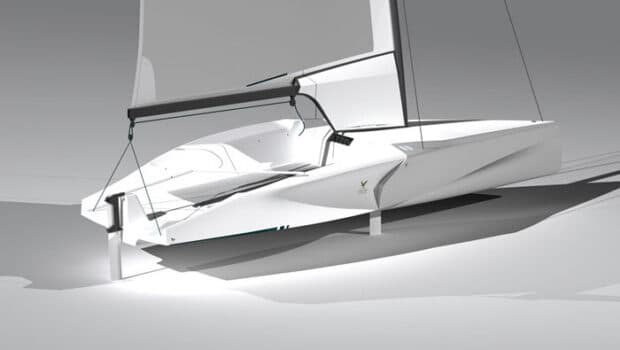
Many marinas now allocate dockside power, battery disposal lockers, and reserved shore-power bays specifically for vessels using large-capacity lithium systems — a practical shift that directly affects how operators would handle a 13-foot craft like the Airborn Foiler when it arrives for charter or demo days.
Dock and charging realities for electric foilers
The Airborn Foiler brings a compact, high-power setup: a lithium battery with roughly a four-hour charge cycle powering an electric foil-control system. For charter operators and boat-rental platforms, that raises immediate operational questions: where will you charge between bookings, how long will turnaround take, and how will shore infrastructure tolerate repeated fast charges?
Practical points to consider:
📚 Das könnte Sie auch interessieren
- Shore-power capacity: Not all marinas are wired for repeated DC fast charging; many rely on 230/400V AC pedestal power that requires time and suitable converters.
- Battery handling: Lithium systems need secure storage, inspection, and proper end-of-life disposal — add lockable battery lockers and spill containment to the checklist.
- Transport limitations: Moving spare batteries between bases or for service may trigger dangerous goods rules for land, sea, or air transport.
Why this matters for GetBoat.com listings and charter operators
Electric foilers change the economics and user profile for short-term rentals. A silent, fuss-free ride hitting 25+ knots is a huge selling point for casual renters, but it also shortens check-in/out cycles and increases the need for staff training on battery management and on-board electrics.
- Update listing filters to show electric-drive capability and required shore facilities.
- Price to reflect charging time, battery depreciation, and extra crew time for safety briefings.
- Offer optional captain services — customers attracted to instant thrills may still prefer a captain for the first outing.
Technical features of the Airborn Foiler (practical lens)
| Feature | Operational impact |
|---|---|
| 13-foot singlehanded hull | Easier to trailer and store than larger foils; fits many rental slip sizes. |
| Electric foil control | Reduces skill barrier but increases dependency on electronics and firmware updates. |
| 4-hour battery charge | Limits daily utilization unless quick-charge infrastructure or battery swaps are available. |
| 25+ knot silent performance | Highly marketable for short thrill charters — safety briefings become mandatory. |
Training, safety, and the skills trade-off
There’s a real tension between accessibility and seamanship. The machine promises to do the hard bits — sensors give stability during takeoff, flight, and maneuvers — which is fine until electronics fail. For rental fleets, that means pairing the user-friendly pitch with robust contingency planning:
- Mandatory short briefs focused on emergency procedures and manual override.
- Regular on-water checks of control firmware and actuator health.
- Clear guidelines on wind and sea state limits for automated foil takeoff.
Put another way: making it easier doesn’t eliminate the need for responsibility — it just shifts where responsibility sits.
Insurance, liability, and regulatory touchpoints
Insurers will want to know about the electronics, battery certification, maintenance records, and how staff are trained. Rental contracts must address battery damage, charging negligence, and firmware tampering. From a regulatory standpoint, moving large lithium modules between marinas or across borders may involve transport rules that affect logistics and costs.
Business models and guest experience
Operators can leverage the Airborn Foiler as a premium add-on for short-duration thrill experiences, day charters, or as a demo fleet to upsell traditional sailing charters. Consider these monetization approaches:
- Timed bookings with built-in charge windows.
- Captain-led experiences targeted at first-timers.
- Membership models for repeat users with priority charging and storage.
There’s also an experiential angle: silent foiling at speed transforms the guest story — perfect for social media-ready content, which helps fill the calendar faster than you might expect.
Quick operational checklist
- Audit shore-power and add fast-charging or battery-swap solutions.
- Create battery-handling SOPs and storage lockers.
- Train crew on system diagnostics and emergency manual control.
- Update insurance and listing terms to reflect electric systems.
In short, the rise of electric foilers like the Airborn Foiler forces a re-think of marina infrastructure, staffing, and rental economics. The tech makes foiling accessible — and that’s a double-edged sword. It widens the market but introduces new logistical burdens: charging cycles, battery transport rules, insurance clauses, and on-water safety procedures. For GetBoat.com hosts and charter operators, the path forward is pragmatic: marry the thrill of near-silent 25+ knot runs with careful planning, updated listings, optional captains, and resilient shore support. Keep it safe, keep it charged, and you’ve got a product that can convert curious renters into repeat customers — whether they’re after a yacht experience, a superyacht demo in the gulf, a lake day, or simply a fast little boat rental near beach marinas. In the end, the balance between ease and skill will define the success of these foilers across Destinations, marinas, and charter activities from fishing trips to yachting adventures on the sea and ocean waters.


