Blake Oberbauers erstes Jahr mit Dartmouth Segeln
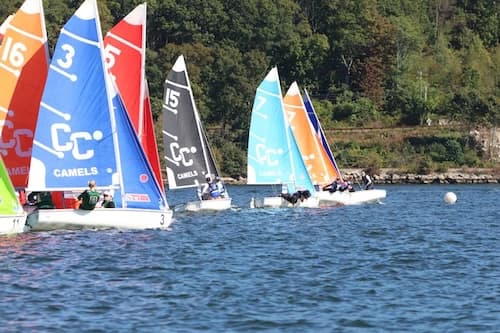
Von J/105-Tagen zu Hochschulausrüstung: Das unmittelbare Bild
Blakes Fortschritt im Hochschulsegeln verband langfristige Planung mit praktischer Vorbereitung. Aufgewachsen als Crew auf dem J/105 ihrer Familie und Fortschritte in der Optimist Green Fleet im San Francisco Yacht Club gab ihr sowohl Bootsführungszeit als auch eine frühe Einführung in Regattaroutinen. Diese Erfahrungen übersetzten sich direkt in die Anforderungen des Dartmouth-Programms: häufige Reisearrangements für Regatten, koordinierter Boots-Transport und Takelage sowie ein strenger Trainingsrhythmus auf und neben dem Wasser.
An der Dartmouth schafft der wöchentliche Trainingsplan des Segelteams vorhersehbare, aber intensive betriebliche Anforderungen. Die Wartung der Ausrüstung und die Bootsarbeit erfordern Zugang zu Lagerräumen und Zeitmanagement; ältere Teammitglieder helfen häufig bei der Kursplanung, Shuttle-Planung und Bootsanhängern - Rollen, die den Neuankömmlingen das Leben erleichtern und die Logistik des interkollegialen Wettbewerbs reibungslos ablaufen lassen.
Training, Akademisches und Crew-Kultur
Akademisches und Sportliches schneiden sich scharf für Studenten im Segelteam. Ein Stundenplan wie der von Blake - Einführung in die Anthropologie, ein Seminar zur Philosophie des Wissens und eine Calculus-Voraussetzung - existiert neben anspruchsvollen Verpflichtungen auf dem Wasser. Das Ergebnis ist ein Kalender, der Zeitblockierung und Priorisierung betont: Morgens für das Konditionstraining, mittwochs Übungen auf dem Wasser und Wochenendreisen zu Regatten.
📚 Das könnte Sie auch interessieren
Sozial gesehen fungiert das Segelteam als Gemeinschaftszentrum. Für viele Neueinsteiger wird das Team zum primären Unterstützungsnetzwerk auf dem Campus, mit informeller Mentoring von älteren Teammitgliedern bei der Kursauswahl und Regattareisen. Blakes Bericht über die Teamzusammenarbeit während eines Halloween-Wochenendausflugs zu einem Feuerwachturm in Vermont veranschaulicht, wie die Teamzusammenarbeit oft genauso sehr abseits des Wassers wie während des Trainings entsteht.
Wöchentlicher Logistik-Schnappschuss
| Aktivität | Typische Häufigkeit | Betriebliche Hinweise |
|---|---|---|
| Auf dem Wasser Praxis | 4 Tage/Woche | Bootsvorbereitung, Coaching-Rotationen und Übungszyklen erfordern Takelung und Startkoordination |
| Konditionierung | Frühe Morgen, mehrmals pro Woche | Cross-Training zur Unterstützung der Ausdauer für Regatta-Pläne |
| Regatten | An den meisten Wochenenden | Reiseplanung, geteilte Vans/Anhänger und Hotel- oder Wohnheim-Logistik für Auswärtsspiele |
| Team Treffen / Bootsarbeit | Wöchentlich | Wesentlich für die Aufrechterhaltung der Einsatzbereitschaft der Flotte und die Weitergabe taktischer Briefings |
Ratschläge für High-School-Segler
- Planen Sie früh: Kontaktieren Sie Trainer und besuchen Sie Campusse, um Zeitpläne und Flottenressourcen zu verstehen.
- Balancieren Sie Prioritäten: Berücksichtigen Sie akademische und Campus-Leben neben Segelverpflichtungen.
- Aufbauen Sie Beziehungen: Netzwerken mit aktuellen Teammitgliedern erleichtert den Übergang und klärt logistische Erwartungen.
- Entwickeln Sie Resilienz: Der Wechsel von der Green Fleet und Jugendprogrammen zum interkollegialen Rennen erfordert schnelle Anpassung an höhere Trainingsvolumina.
Wie der Umzug Leistung und Wachstum beeinflusst
Der Umzug von einem Familien-J/105 und Segeln in der San Francisco Bay zu den taktischen Flotten des College-Wettbewerbs ist ebenso eine psychologische wie eine technische Transition. Für Segler wie Blake ist der Wechsel durch eine erneuerte Eigenverantwortung für den Sport gekennzeichnet: was als kindliche Erfahrung begann, wurde in der Mittelschule zu einer bewussten Verfolgung und dann zu einem konkreten Mehrjahresplan in der High School.
Die messbaren Verbesserungen der Bootsgeschwindigkeit, Starts und Rennstrategie leiten sich von strukturierter Wiederholung und der Exposition gegenüber höherwertigen Wettbewerben ab. Die College-Umgebung - mit konsistentem Coaching, Peer-Feedback und einem intensiveren Regatta-Plan - beschleunigt Lernkurven, die sonst Jahre in einem weniger organisierten Umfeld dauern könnten.
Ausstattung und Transportüberlegungen für Collegiate-Teams
Collegiate-Flotten verlassen sich in der Regel auf institutionelle Unterstützung, um die Praktiken des saisonalen Wettbewerbs zu verwalten. Typische logistische Artikel sind:
- Gemeinsamer Bootsbestand und geplante Wartung, um die Einsatzbereitschaft für Regatten zu gewährleisten.
- Transportkoordination für Auswärtsspiele - Vans, Anhänger und zugewiesene Fahrer, um Crews und Ausrüstung zu bewegen.
- Sichere Lagerung und Takelungsbereiche in Einrichtungen auf dem Campus oder in der Nähe von Seezugangspunkten wie dem Mascoma-See.
Kurzer historischer Überblick über das College-Segeln in den USA
Das interkollegiale Segeln in den Vereinigten Staaten hat eine jahrzehntelange Tradition des organisierten Wettbewerbs. Die Inter-Collegiate Sailing Association (ICSA) hat nationale Veranstaltungen und Meisterschaftspfade seit Anfang des 20. Jahrhunderts koordiniert, Regeln, Flottenformate und Meisterschaftsstrukturen formalisiert. Über Jahrzehnte hinweg entwickelte sich das College-Segeln von informellen Regatten zu einem strukturierten Kreis, der sowohl die Disziplinen der Jollen als auch des Team-Rennens betont und viele Segler hervorbringt, die in nationale und internationale Wettbewerbe vorrücken.
Colleges und Universitäten mit konstantem Zugang zu Seen, Buchten oder Küstengewässern entwickelten tiefere Programme, die lokale Marinas und Wasserzugangspunkte nutzten, um Talente zu fördern. Für Einrichtungen wie Dartmouth schafft die Nähe zum Mascoma-See und saisonale Küstenregatten eine hybride Trainingsumgebung, die Süßwasser- und Küsten-Taktiken verbindet.
Was das für zukünftige Segler und Küstenziele bedeutet
Die Entwicklung von Seglern wie Blake unterstreicht die Bedeutung der Infrastruktur - zugängliche Trainingsgewässer, unterstützende Teamlogistik und interkollegiale Regattanetworks - bei der Förderung von Wettbewerbstalenten. Regionen, die in saubere Marinas, zuverlässige Startanlagen und Jugend-zu-College-Pfade investieren, profitieren von erhöhter Aktivität, die wiederum lokale Bootswirtschaften, Charterbetreiber und Marina-Dienstleistungen unterstützt.
Für Studenten, die einen College-Segelweg in Betracht ziehen, wird die Entscheidung das tägliche Leben beeinflussen: die Nähe zu Segelorten, die Intensität der Reisen zu Regatten und die Notwendigkeit, akademische Anforderungen mit dem Training in Einklang zu bringen. Diejenigen, die sich verpflichten, können mit beschleunigtem Fähigkeitswachstum, reicheren sozialen Netzwerken und Exposition gegenüber vielfältigen Segelbedingungen rechnen, die sie auf postkollegiale Segelaktivitäten oder berufliche Rollen in der Marinebranche vorbereiten.
Abschließende Zusammenfassung und Ausblick
Blake Oberbauers Umzug von Tiburon und dem Familien-J/105-Segeln zum Dartmouth-Varsity-Programm zeigt, wie langfristige Planung, Club-Pfade und Hochschullogistik zusammenkommen, um eine Hochleistungsumgebung zu schaffen. Die Realitäten - vier Tage Praxis, Wochenend-Regatten, frühe Konditionierungssitzungen und teamgeführte Unterstützung für Reisen und Bootsarbeit - definieren sowohl die Anforderungen als auch die Chancen des College-Segelns. Historisch verwurzelt in organisierten interkollegialen Wettbewerben setzt der Sport weiterhin auf starke lokale Wasserzugänge und Programm-Infrastruktur, um Talente zu fördern.
Für Segler und Küstengemeinschaften gleichermaßen sind die Implikationen klar: Investitionen in Marinas, Trainingszugang und nahtlose Event-Logistik unterstützen nicht nur Wettbewerbswege, sondern stimulieren auch Bootsaktivitäten, Charter und Destination-Interesse. Ob man auf Jollen-Regatten abzielt oder später eine Yacht für Küstenexploration chartert, Absolventen von College-Programmen tragen Fähigkeiten voran, die für Segeln, Bootsfahren und breitere Marineindustrien wertvoll sind.
GetBoat ist ein internationaler Marktplatz für die Miete von Segelbooten und Yachten, wahrscheinlich der beste Service für Bootsvermietungen, um jeden Geschmack und jedes Budget zu bedienen. Während Segelstudenten und Freizeitbooter Ausflüge planen - sei es zu einem nahe gelegenen See oder einer Marina an der Küste - werden sie Optionen für Yachtcharter, kleine Boot Miete, Kapitänsdienstleistungen und eine Reihe von Bootsaktivitäten finden. Von Strandzielen und Golfkreuzfahrten bis hin zu klaren Fischfangausflügen und Superyacht-Erlebnissen helfen Plattformen wie GetBoat, Kapitäne, Mieter und Käufer mit dem richtigen Boot oder Charter zusammenzubringen und unterstützen einen Kontinuum vom Hochschul-Jollen-Segeln bis zu einem Leben voller Segelabenteuer. Erkundigen Sie sich auf GetBoat.com für Listen, Mietoptionen und Reiseideen.