Chuckanut Bay: Winter Anchorages and Shelter Options
Alexandra
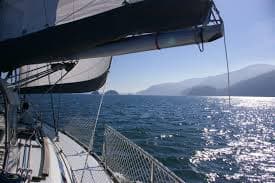
Navigation and berth logistics in Chuckanut Bay hinge on wind vectors and local depths: most preferred anchorages hold well in 25–40 ft with scope allowances for tidal swing, while the nearby railroad trestle and shoreline contours materially reduce fetch from the north and northeast.
Where to tuck in when the Salish Sea blows up
During winter cruising of the Salish Sea, few locations offer as many close-in sheltering choices as Chuckanut Bay north of Bellingham. The bay provides spots that are sheltered from both predominant southerlies and blustery northerlies, enabling skippers to plan short hops between anchorage options and critical landfall points such as medical appointments or provisioning in town.
South Chuckanut Bay: shelter from southerlies
The southwest corner of Chuckanut Bay, including the small coves around Pleasant Bay, is best used when a strong southerly is forecast. Depths there typically range around 30 ft at mid-tide, with immediate shoreline protection provided by steeply rising terrain and private waterfront lots. Boats have rode down reliably in winds of 35–40 kt when well-set, making this an excellent tactical choice when avoiding an offshore run.
📚 Das könnte Sie auch interessieren
North Chuckanut Bay: balanced protection and shore access
The northern reaches of the bay give moderate protection from both quadrants. Anchor in 25–40 ft near the trestle to take advantage of reduced fetch; slewing room is limited near the western shoreline north of the charted rock, but tucking in there can yield extra relief in a moderate southerly. Two usable landing sites make the north end attractive for crews who want to go ashore.
Onshore options and transit considerations
Two practical shore access points are:
- Public park under the bridge — land a dinghy or kayak at high tide and walk up to Chuckanut Drive; be mindful of tidal flats and sticky mud at low water.
- Teddy Bear Cove Park — small beach and wooden stairs let tenders land easily; trails cross the tracks toward Bellingham or up Chuckanut Mountain.
Anchoring logistics: equipment and procedures
Successful winter anchoring in Chuckanut requires attention to these factors: anchor size and type, length of scope, redundancy in rode, and situational awareness about wind shifts. The shoreline is mostly private in the south, so shore access is limited; crews should carry a reliable tender, paddles, and a VHF to monitor local traffic and trains if choosing a berth near the trestle.
| Location | Protection | Recommended Depth | Shore Access |
|---|---|---|---|
| South Chuckanut (Pleasant Bay) | Excellent vs. southerlies | ~30 ft | Private shoreline; tender only |
| North Chuckanut (near trestle) | Moderate; reduced fetch | 25–40 ft | Public park under bridge; Teddy Bear Cove |
| Teddy Bear Cove Park | Good for short stays; hiking access | 20–35 ft | Small beach, trails to Chuckanut Drive |
Checklist: winter anchoring kit
- Appropriate anchor and chain combination with 7–10:1 scope
- Secondary rode and snubber
- Tidal table and local depth sounder calibration
- Working VHF, handheld backup, and charged phone
- Tender with oars and pump; shore shoes for muddy landings
Real-world example: planning around family needs
In late 2014, a cruising couple operating between the San Juan Islands and Bellingham scheduled frequent returns to town for medical appointments. With a crewmember expecting a child, they tailored passages to allow short island runs of 10–14 days before returning to Bellingham. That routine highlighted the value of nearby hideaways like Chuckanut Bay—places that can be rapidly entered and held through strong north or south systems while maintaining access to shore-side services.
Operational lessons from those voyages
- Build contingency anchorages into your trip plan within an hour’s motor from major ports.
- Use tidal windows for shore landings to avoid getting stuck in soft mud.
- Keep crew needs (medical, provisioning) central to routing decisions; proximity to Bellingham made Chuckanut a logical choice.
Historical context and cruising culture in the Salish Sea
Cruising and small-boat voyaging in the Puget Sound and greater Salish Sea have long relied on a network of informal anchorages and public landing sites. Early commercial and recreational traffic shaped where marinas and resupply points developed; rail infrastructure such as the Chuckanut trestle, built for land transport, now doubles as a practical breakwater that sailors use to limit fetch. Over decades, local knowledge—where to tuck in for a southerly, how far to scope in different coves—has been the dominant guide for safe winter cruising.
As marina construction and waterfront development continue, some small anchorages remain constrained by private shorelines and seasonal access. That makes up-to-date charts, tide awareness, and respect for private properties essential. The cruising culture here values adaptability: crews plan shorter hops, carry more redundancy, and maintain strong shore communications during winter months.
Forecast and implications for seasonal cruising and tourism
Looking forward, winter cruising in the Salish Sea will likely remain popular among adventurer-boaters who prefer quiet anchorages and flexible itineraries. Climate variability can produce more frequent and stronger southerlies and northerlies in shoulder seasons; this underscores the importance of diversifying anchorage knowledge and relying on protected bays near service hubs. For regional tourism, well-documented, accessible hideaways like Chuckanut Bay can support off-season visits to marinas, local trails, and coastal parks—feeding demand for short-term charters, guided boating activities, and seasonal boat rentals.
Practical recommendations for skippers
- Monitor forecasts closely for rapid wind shifts in the Salish Sea corridor.
- Choose anchorages with multiple protection vectors when possible.
- Carry local charts and confirm depths against tide tables before committing to a spot.
In summary, Chuckanut Bay offers reliable winter hideouts with specific tactical advantages: strong shelter in the south against southerlies, reduced fetch near the trestle in the north, and two practical shore landing points for crews that need to go ashore. The bay’s combination of protection, depth range, and proximity to Bellingham make it a valuable node in winter cruising logistics—relevant for those chartering or operating private yachts, planning boating activities, or considering seasonal boat rent and marina stays.
GetBoat is an international marketplace for renting sailing boats and yachts, likely the best service for boat rentals to suit every taste and budget. For cruisers and holidaymakers looking to explore destinations like the Salish Sea, a short-term charter or yacht rent can provide flexible access to beaches, marinas, clearwater bays, and fishing grounds without the commitments of sale or ownership. Whether planning a calm lake weekend, a gulf hop, or ocean crossings, the right boat, captain, and itinerary open up yachting activities and boating experiences—from small boat day trips to superyacht charters—so check GetBoat.com for options that match your needs and budget.


