How the 2.4mR levels the playing field for solo sailors
Alexandra
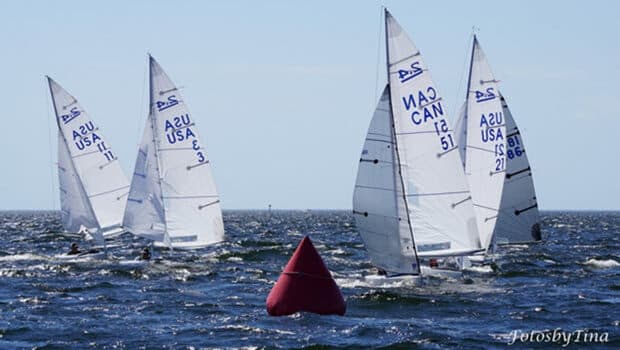
A standard SUV can tow one or two 2.4mR boats, and many crews even manage transport with midsized cars, making regatta logistics unusually simple for a competitive one-design class. Seasonal calendars and regional regatta groupings further reduce travel miles by clustering events, while boat availability on the used market keeps initial costs and ramp-up times low for new campaigners.
Why the 2.4mR rewards skill rather than size
The 2.4mR is sailed from inside the hull and steered primarily with the feet, which removes the body‑weight and hiking advantages typical of boats like the Laser or Moth. As a result, performance comes from setup and decisions rather than raw athleticism. That shift changes the player profile: sailors who value rig tuning, sail shape, and course management will find a very different challenge here.
Key performance elements
- Starting and course management tactics — a clean start and consistent lane choice pay huge dividends.
- Rig tuning and setup — small adjustments dramatically alter balance and helm.
- Sail shaping — sheet trim and mast bend are central to speed across conditions.
- Boat preparation — maintenance and cockpit ergonomics translate to reliability on race day.
- Reading shifts and pressure — local knowledge and pattern recognition matter more than brute force.
Campaigning: the learning curve and consistency
Competitive campaigning in the 2.4mR reveals a surprisingly deep technical ladder. Sailors often report that consistency—arriving prepared with tuned rigs and repeatable pre-race checks—beats sporadic flashes of speed. That emphasis on preparation makes a multi-regatta campaign feel like a long game in chess: incremental improvements compound race after race.
📚 Das könnte Sie auch interessieren
Practical regatta routine
- Daily debriefs after racing to capture lessons while fresh.
- Peer-to-peer setup reviews that accelerate learning.
- Standardized checklists for transport, rigging, and sail selection.
Class culture and accessibility
The 2.4mR class is notable for an open, supportive culture: experienced sailors regularly share tuning notes, and event organizers design calendars to reduce the travel burden. That culture not only helps competitors get faster, it also lowers the barrier for sailors with different physical abilities.
Community mechanics
- Regional event distribution to balance travel demands.
- Inclusive fleets and on-water formats that emphasize tactics over athleticism.
- Availability of both new and used competitive boats and entry-level options.
| Feature | 2.4mR | Laser | Moth |
|---|---|---|---|
| Physical demand | Low (seated/feet steering) | High (hiking) | Very high (foiling agility) |
| Technical reward | High (rig & trim) | Medium | High |
| Transport & logistics | Easy (tows on SUV/midsize) | Easy | Challenging (foil care) |
| Accessibility | Wide (age/ability friendly) | Narrower | Narrow |
Practicalities that matter to sailors and charter operators
From a logistics and rental perspective, the 2.4mR’s footprint is attractive. Charter operators, sailing schools, and marinas can add competitive singlehanded options without major investment in trailers or heavy tow vehicles. Because the boat is relatively compact and tolerant of different sailor sizes, it fits well into mixed fleets and adaptive sailing programs.
Opportunities for GetBoat.com and rental markets
- Charter fleets can offer the 2.4mR as a technical singlehanded option for experienced renters looking to sharpen race skills.
- Marinas and clubs can use the class for coaching clinics and performance rentals, appealing to older sailors and adaptive programs.
- Short-term rentals and trial days lower the fence-to-entry for sailors curious about one-design racing.
Where to start and class contacts
Event organizers and prospective buyers often consult class resources for rules, regional regatta schedules, and recommended rigs. Two primary class sites remain central hubs: www.us24meter.org and www.canada24mr.com. Those pages provide classifieds, tuning guides, and event calendars that are invaluable when planning a campaign or adding boats to a rental fleet.
In short, the 2.4mR is a technical, tactical, and accessible singlehanded class that shifts emphasis from physical dominance to boat handling, preparation, and decision-making. Its transportability and community-driven culture make it a practical choice for sailors, club programs, and charter operators who want a rewarding solo platform without the punishment of high‑agility foilers. Whether planning to race, rent, or add a coaching yacht to a marina lineup, the 2.4mR offers a level playing field—and as the saying goes, you don’t need to be the strongest to be the smartest on the starting line.
Summary: The 2.4mR stands out as a sailor’s boat—ideal for those seeking a singlehanded challenge that favors skill over strength. Its advantages include low transport costs, wide availability, a knowledge-sharing class culture, and deep technical learning potential. For yacht clubs, charter companies, and private owners interested in expanding offerings—yacht charter, boat rent or sale—this class integrates well into marinas, coaching programs, and adaptive sailing. Destinations from gulf waters to lakes and ocean marinas can host competitive fleets and rental activities, while captains and instructors find it useful for teaching sail trim, racing tactics, and seamanship. In short: boat, beach, lake, sailing, captain, charter, sale, superyacht or club—this one-design proves relevant across yachting, boating, fishing, and leisure experiences on the sea, sunseeker routes, clearwater bays and beyond.


