


 Deutsch
  English (UK)
  Русский
  العربية
  日本語
日本語  한국어
한국어  Magyar
  Türkçe
  Español
  Čeština
  Svenska
  Português
  Ελληνικά
  Suomi
Suomi  Nederlands
  Română
  Italiano
  Français
  Polski
  Українська
  简体中文
简体中文  Slovenčina
 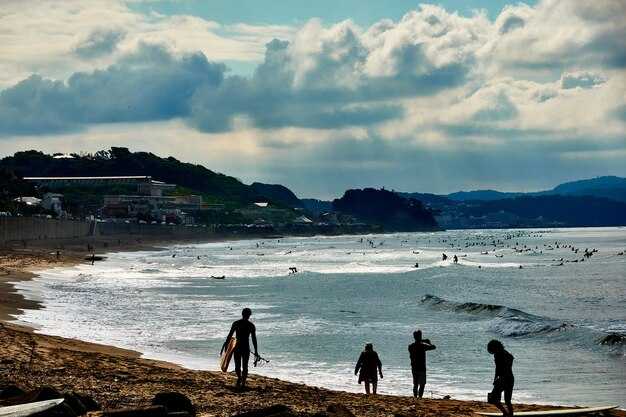 Monterey Life – The Ultimate Guide to Monterey, California’s Coastal Attractions and Culture">

Reserve a morning visit to Cannery Row to beat the crowds and set a calm pace for your day.
visiting Monterey’s coastline blends awesome dining, whale-watching views, and hidden trails. The hours of operation for public piers vary, so check local listings before you stroll from Fisherman’s Wharf to Old Town. This city welcomes both locals and travelers as a welcoming home for coast-loving explorers.
For adrenaline seekers, wakeboarding and boat rentals offer an awesome way to see the bay. Look for rental packages that include a safety briefing, a crew to guide you, and a total distance covered to fit your plan. ribs are popular light craft for quick hops along the coast, and you usually reserve in advance.
Both families and solo travelers appreciate a mix of classic spots and hidden gems. A must for seafood lovers is the Old Fisherman’s Wharf lunch, followed by a stroll along the coast to Pacific Grove. The relaxed vibe makes Monterey feel like home and invites you to linger a little longer.
Planning tips: cancellation policies matter when you book lodging or tours; usually flexible options exist if you adjust a plan. Reserve a waterfront hotel or cozy rental within walking distance of Cannery Row to minimize driving, and join a guided bicycle ride to cover more ground. Check pricing for boat trips, bike rentals, and tours, and read regulations for each activity. If plans shift, send a quick note to the operator to modify your booking.
In fall, Monterey offers calmer beaches and fewer crowds, with opportunities to join sailing crews or paddleboard sessions at sheltered coves. Another great option is a family-friendly whale-watching trip that fits both budget and schedule. For a total Monterey experience, mix coastal drives, gallery strolls, and sunset vistas along the waterfront.
Practical Roadmap to Monterey’s Coastal Attractions
Begin your Monterey coastal day with a sunrise walk along the Monterey Bay Coastal Recreation Trail, from Cannery Row to Lover’s Point, clocking 60–90 minutes on a well-maintained route. The winds wake your senses and the stunning horizon boosts mood, for everyone, also with benches and viewpoints every few hundred yards.
Then explore Cannery Row and Old Fisherman’s Wharf for lunch and hangouts by the water. In this listing you’ll find marinas, a variety of seafood spots, and easy access to the waterfront promenade. Groups settle into shaded benches, take photos, and create memories that stay long after you leave.
For water lovers, plan afternoon adventures along the coast: rent a bike, kayak, or stand-up paddleboard, and also dip a toe in calm coves. If you want to swim, choose designated beaches and check lifeguards on shifts. Some tours adjust ballast to stay steady on choppier days.
Visit the Monterey Bay Aquarium to see playful otters and the giant kelp forest. The aquarium opening hours vary seasonally, but generally run from late morning to late afternoon; check the hours before you go. The experience is stunning, and the whole family can enjoy interactive exhibits.
Evening options include a quiet stroll along the shoreline or a late bite near the marinas. Bring a jacket as coastal nights can be breezy; many hangouts stay lively until 9–10 PM. For a simple plan, walk the boardwalks, listen to gulls, and watch the sun sink.
Plan everything with a practical card in hand: carry a credit card for parking meters and quick snacks, and keep a list of priorities so you don’t miss your top picks. Depending on tides and crowds, you may shift a stop or add a quiet detour to Pacific Grove’s coastline. The hours of daylight guide your pace.
Instantly memorable moments come from small details: the scent of salt, the rhythm of waves, and a favorite photo at stunning viewpoints. Whether you’re solo, with your partner, or in groups, Monterey’s coast makes it easy to build memories. Love the calm mornings, wake to pink skies, and tell yourself you can plan everything and still leave room for spontaneous moments to extend your visit.
2-Day Coastal Itinerary: Must-Visit Spots by Area
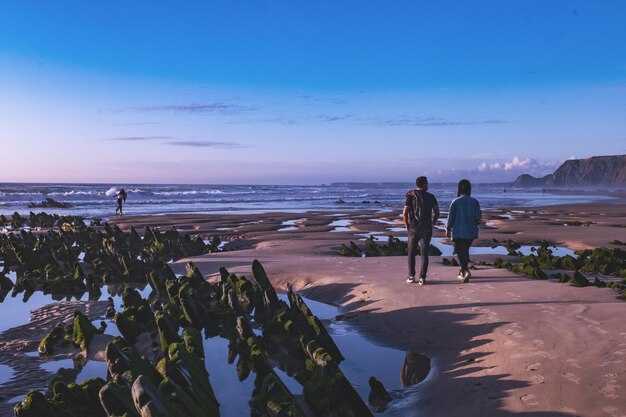
Start at Cannery Row for a sunrise stroll along the marina and a smooth introduction to Monterey’s coast, like a postcard come to life. The route offers access to the famous shoreline and calm mornings that set the tone for day one, aiding your understanding of the coast and being easy to navigate. Reserve timed-entry for the Monterey Bay Aquarium and check the cancellation policy before you go.
Next, walk or bike to Pacific Grove’s shoreline along Lovers Point Park, where ospreys circle over the calm water and chatter from locals adds to the sunshine vibe. The wind keeps things refreshing, and you’ll savor stunning views of the coastline. For those seeking guided options, check cancellation windows to keep plans flexible.
Continue to Carmel-by-the-Sea and map a quick stop at the iconic Lone Cypress, then drive along 17-Mile Drive for famous vistas. You’ll encounter dramatic cliffs, Cypress groves, and sea views that feel cinematic. While you drive, pause at turnouts for photos; those opportunities are competitive. If crowds were a concern, aim for early morning slots. For groups celebrating a bachelorette or parties, this route doubles as a scenic backdrop for memories.
If you’re up for adventures, head to Big Sur’s Pfeiffer Beach and McWay Falls for jaw-dropping scenery that leaves you wanting more. The Highway 1 corridor rewards you with winds that sweep across sheer cliffs, with calm coves when you pull over at designated pullouts. There are well-marked trails and safe overlooks so you can enjoy the views without worry. Consider a lunch stop at a sunny overlook and a short walk to the shore to feel the sun and breeze.
Understanding the area helps you tailor Day 2 to your pace, whether you’re rolling with family, friends, or a bachelorette crew. Being flexible lets you swap Big Sur stops for more time in Monterey, your home base, if weather shifts. A quick note about tides and sun exposure helps you plan beach stops wisely. Book dining along the waterfront in advance, as some spots sell out fast, and note the cancellation policies on tours and boat excursions. Pack layers for sudden mist and winds, keep safety first near cliff edges, and store extra sunscreen to enjoy the sunshine without burning.
Family-Friendly Shoreline Trails and Picnic Spots
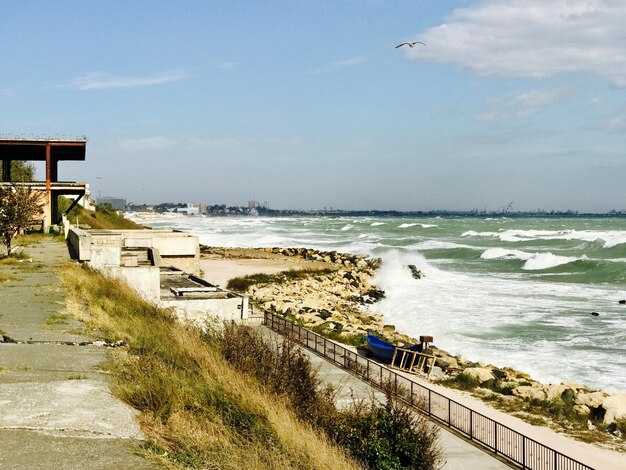
Start at Lovers Point Park and follow the Monterey Bay Coastal Trail for a 2.5-mile loop that is easy for kids and grandparents alike. The route hugs the shoreline, climbs only gentle hills, and lets you share excellent ocean views with friends while watching boats drift into nearby marinas between sea cliffs and pines.
Parking and hours: arrive early or park at nearby lots after 5pm on weekdays. Park hours vary by season; check the official listing for current times. If you want a guaranteed picnicking space, reserve a sheltered spot at a designated overlook area ahead of time, especially on weekends. The harbor area will offer rental boats and marinas with boarding ramps; consider a short boating outing after your hike.
Trail options for families: the flat, well-marked segments between Cannery Row and Point Pinos provide safe footing for strollers and bikes. Plan frequent stops every 15–20 minutes to enjoy the view, spot seabirds, or let kids collect shells. If weather shifts, storms are rare in this area, but keep jackets handy; a large jacket fits everyone when sea breeze picks up.
Picnic spots and gear: pick a grill-free meadow with shade, or a wooden overlook that offers a table and bench. Pack easy-to-transport meals and a blanket, plus a spare layer. Use a backpack or rental cooler to keep items safe from wind. If you host parties, keep group size under the park rules and share the space considerately with other visitors. The listing of permitted activities is posted at the park entrance; follow all rules about food, alcohol, and pets.
Family-friendly stops along the way: 1) Lovers Point overlook for sunset views; 2) Fisherman’s Wharf area where you can pick up coffee and watch boats; 3) Cannery Row promenade with public art and restrooms. For a longer outing, consider a rental kayak at the harbor or a boating option from the marinas. Captains often host short scenic tours; maybe join a departure in the early morning hours–these options will fit families who want a quiet start. If you want to bring friends along, plan to share driving duties or coordinate rides with a pickup service and ensure everyone has a jacket or hoodie ready for quick breeze shifts.
Value and safety tips: Monterey’s shoreline trails deliver free, family-friendly scenery with excellent value for time spent outdoors. Bring a spare large jacket for the cool air and water spray; keep phones charged and share photos with friends. If weather shifts, head home or away from the harbor and resume later. You can plan a quick return via rental cars or pickup services. If you want professional guidance, a reserve with a captain or guide can tailor a short boating stint between your hiking stops.
Marine Life Viewing: Whale Watching, Tide Pools, and Aquarium Tips
Book a dawn whale-watching trip from the marina in January to maximize sightings and calm seas. These tours offer close encounters with giants and set the atmosphere for a day of coastal exploration, making it easy to celebrate Monterey’s natural wonders with family or friends.
Whale Watching
- When you join a 2.5‑hour cruise from the harbor, captains track the wake of gray and humpback whales, plus the occasional orca, using local knowledge and real-time data.
- From the deck, you’ll often spot sea lions hauled on buoys and sea otters drifting in kelp–great photo stops as you cruise past the coastline.
- These boats range from small, nimble vessels to larger options; ballast and stable platforms ensure a smooth ride even when surf is up along the open water.
- What to bring: light layers, a windproof layer, sunscreen, and a zoom lens or telephoto on your camera; wear non-slip shoes for easy movement on slick decks.
- Safety and etiquette are crucial: follow their crew’s instructions, stay behind railings, and never feed wildlife; nasbla-approved safety guidelines are posted on each boat.
- Tip for best results: depart toward the early morning hours when daylight is gentler and wildlife activity peaks, and plan a backup option if seas are rough–these conditions still offer chances to see splashes and tail flukes.
Tide Pools
- Plan around a low-tide window to access the most exposed rocky coves; these times shift with the moon and season, so check local tide tables a few days ahead and again on the day of your visit.
- These pools reveal neon anemones, sea urchins, crabs, and tiny fish–the greenery along the kelp forest sways with the current, creating a vivid backdrop for your discoveries.
- Best spots include Asilomar Beach and Point Lobos State Reserve; each offers easy access along paved paths and short stair routes from parking areas.
- Footwear matters: lace up sturdy, grippy shoes and stay off delicate organisms and slippery rocks. Move slowly to avoid unsettling the inhabitants or triggering waves.
- When exploring, keep your distance and observe from designated trails; you’ll gain a deeper appreciation for these fragile ecosystems and their past generations of life.
Aquarium Tipps
- Das Monterey Bay Aquarium bietet fesselnde Ausstellungen und atemberaubende Ausblicke auf den Kelpwald, den offenen Ozean und interaktive Berührungsbecken. Planen Sie, früh anzureisen, um Ihre Zeit optimal zu nutzen und Menschenmassen zu reduzieren.
- Ticketstrategie: Zeitfenster-Tickets im Voraus kaufen und die Fütterungszeiten und Vorführungen des Tages überprüfen; diese Zeiten beeinflussen, wie Sie Ihren Besuch gestalten und was Sie zuerst sehen werden.
- Nasbla-geprüfte Sicherheitsrichtlinien werden rund um die Berührungsbecken durchgesetzt; befolgen Sie die Anweisungen des Personals und waschen Sie Ihre Hände vor und nach den Interaktionen, um das Meeresleben zu schützen.
- Nehmen Sie an einer geführten Backstage-Tour oder einem exklusiven Mitgliederprogramm teil, um Ihr Verständnis für die Naturschutzarbeit und die Forschung hinter jeder Ausstellung zu vertiefen.
- Verpflegungs- und Ruheoptionen: Das Café vor Ort und der angrenzende Restaurantbereich bieten schnelle Snacks, während sich im umliegenden Hafengebiet eine Reihe von Restaurants befinden; feiern Sie nach Ihrer Tour mit einem Essen in einem Restaurant am Wasser.
- Machen Sie einen Tag daraus: Die flexible Gestaltung des Aquariums eignet sich gut für einen Familienausflug, einen romantischen Spaziergang oder eine kurze Lerneinheit, bevor Sie nach Hause fahren; diese Erlebnisse schaffen bleibende Erinnerungen und Respekt für das fragile Gleichgewicht der Küste.
Optionale Extras: Erwägen Sie eine kurze Bootsfahrt mit einem lokalen Anbieter, um Ihre Zeit auf dem Wasser zu verlängern, oder planen Sie an ruhigeren Tagen eine Wakeboarding-Session in der Nähe, um den vollen Küsten-Lifestyle zu genießen, den Monterey rund um seinen Hafen und seine von Grünflächen gesäumte Küstenlinie pflegt. Die Marina-Atmosphäre bleibt einladend, und selbst ein kurzer Stopp auf einem nahegelegenen Markt kann sich in eine kleine Party mit Freunden und Nachbarn verwandeln – ein wahres Zuhause für diejenigen, die das Küstenleben feiern, Jahr für Jahr, vom Herbst über den Frühling bis hin zur Winterpause.
Goldene Stunde und Foto-Spots: Beste Zeiten, Winkel und Kompositionen
Beginnen Sie zur goldenen Stunde am Hafen von Cannery Row, um warme Spiegelungen auf Booten und verwitterten Pfählen einzufangen; begeben Sie sich dann zum Lovers Point in Pacific Grove, wenn sich das Licht ändert, um türkisfarbenes Wasser und dramatische Klippen zu sehen.
Die saisonale Planung ist wichtig: Normalerweise hält das westseitige Licht im Sommer länger an, wobei die goldene Stunde etwa 60 Minuten vor Sonnenuntergang beginnt; im Winter verkürzt sich das Zeitfenster auf etwa 40–50 Minuten. Planen Sie eine Haupt-Hafensession während dieser Zeitfenster und reservieren Sie frühzeitig, um den Andrang zu kontrollieren, besonders an Wochenenden.
Winkel sind wichtig: Fotografieren Sie von oben, um weitläufige Küstenlinien einzufangen, und gehen Sie dann auf Wasserhöhe zwischen den Pfählen, um starke Führungslinien zu erzeugen; richten Sie einen perfekten Horizont im oberen Drittel aus und fügen Sie Vordergrundtexturen wie Treibholz oder Steine hinzu, um Tiefe zu gewinnen. Eine leichte Bewegung im Wasser während einer längeren Belichtung kann eine ruhige, seidige Oberfläche erzeugen.
Zu den Highlights gehören die Uferpromenade von Cannery Row für lange Spiegelungen auf vertäuten Booten; Fisherman's Wharf bietet Boote und Schiffe, die im Hafenbecken schaukeln; Point Pinos Lighthouse in der Morgen- oder Abenddämmerung bietet eine nordwestliche Landspitzensilhouette; Lover's Point in Pacific Grove bietet Riffe, die Felsen zugewandt sind, und sanfte Brandung; Pebble Beach's 17-Mile Drive bietet dramatische Landzungen und Felstürme im Meer, wobei Bird Rock ein klassisches Motiv ist. Suchen Sie nach Orten, die nach Westen ausgerichtet sind, um den Sonnenuntergang einzufangen; achten Sie auf Bootfahrersilhouetten und entfernte Segel entlang des Horizonts.
Optionen auf dem Wasser werten Ihr Portfolio auf: Mietboote und Pontons bieten Perspektiven auf Wasserhöhe; erwägen Sie ein paar Bootsfahrten, um Boote und Segel vor der Hafenkulisse zu inszenieren; eine Buchung an Wochenenden ist in der Regel erforderlich, um ein Boot zu sichern; die Preise variieren je nach Anbieter und Saison; viele Angebote beinhalten Crew, Sicherheitsausrüstung und ausgestattete Schiffe, was Aufnahmen auf dem Wasser sehr zugänglich macht. Selbst ein einzelnes Segel, das Licht einfängt, bildet einen starken Blickfang.
Ausrüstung und Einstellungen: Bringen Sie ein Weitwinkelobjektiv (16–35 mm) für ausgedehnte Hafenszenen und ein 70–200 mm für engere Porträts von Booten mit; ein Polarisationsfilter reduziert Blendeffekte auf dem Wasser; fotografieren Sie im RAW-Format für einen größeren Dynamikbereich; ein Stativ hilft bei Langzeitbelichtungen an ruhigeren Abenden; halten Sie ausreichend Speicherkarten und Ersatzakkus bereit; ein Verständnis von Licht hilft Ihnen, Aufnahmen so zu timen, dass die Sonne hinter einer Wolke verschwindet und ausgezeichnete Farbübergänge entstehen.
Wenn Sie eine Junggesellinnenabschieds-Session oder eine kleine Gruppe haben, planen Sie einen flexiblen Zeitplan, um ungestellte Momente und Gruppenaufnahmen während der goldenen Stunde festzuhalten, damit das Licht schmeichelhaft bleibt; eine einfache Aufnahme-Liste mit einer Auflistung der besten Blickwinkel hilft, Hin und Her zu reduzieren und eine nahtlose Bildfolge zu erstellen.
Workflow und Sicherheit: Gezeitenkalender und Windvorhersagen prüfen; auf Dünung achten; Ausrüstung auf Booten und am Kliff sichern; diese Arbeit erfordert Hilfe an Deck, wenn auf dem Wasser gedreht wird; mit Vorbereitung verwandeln Sie schnelle Lichtwechsel in unvergessliche, professionelle Ergebnisse.
Essen mit Meerblick und kulturelle Hotspots: Praktische Mahlzeiten und lokale Kultur
Buchen Sie einen Tisch zum Sonnenuntergang in Old Fisherman's Grotto am Ufer von Monterey, um einen direkten Meerblick und einen Platz in der ersten Reihe am Yachthafen zu haben. Hier gleiten Schiffe an der Mole vorbei, während Sie gegrillte Garnelen und Muschelsuppe genießen – ein Moment, den Einheimische als die Fahrt wert bezeichnen. Dies ist ein Muss für jeden Erstbesucher. Nach dem Abendessen können Sie hier an den Docks entlang schlendern, um die Hafenatmosphäre aufzusaugen.
Die gastronomische Auswahl reicht von gehoben bis zwanglos: The Sardine Factory bietet ein sechsgängiges Degustationsmenü mit einem großen Speisesaal mit Meerblick, die zwanglosen Lokale der Cannery Row servieren Austern und Fisch-Tacos, und die Cafés am Hafen in der Nähe der Custom House Plaza bieten schnelle Mahlzeiten für einen Familienausflug. Für Kulturinteressierte bieten die Galerien der Cannery Row zwischen den Mahlzeiten einen kompakten Rundgang durch die lokale Geschichte. An den Wochenenden gibt es Live-Musik und Galerieeröffnungen, und Einheimische treffen sich zu einem Spaziergang hinter dem Pier und späten Drinks. Diese Mischung sorgt hier für Flexibilität. Tipps für Familien, Paare oder Alleinreisende sorgen für ein angenehmes Tempo.
Rund um den Yachthafen blüht die Bootskultur: Mietboote sind täglich im Einsatz, und Bootsmannschaften handhaben Ballast und Festmacherleinen mit geübter Leichtigkeit. Erfahrene Bootsfahrer tauschen sich am Dock mit Tipps aus. Wenn Sie sich einem geführten Wassertaxi oder einem Mietboot anschließen, fahren Sie die Wasserwege in Richtung Hafeneinfahrt und ziehen eine Schleife hinter den Pylonen. Jedes Ruder ist mit einem Steuerrad ausgestattet, und die Wasserfahrzeuge sind mit Schwimmwesten und Sicherheitsausrüstung versehen. Ausrüster halten die Boote bereit, und Sie können sich nach dem Abendessen einen Reifen für eine kurze Schwimmrunde schnappen.
Fahren Sie von der Küstenstraße hierher und parken Sie auf dem Parkplatz des Westhafens oder entlang der Promenade; die State Beaches entlang der Küste bieten schnell erreichbare Zwischenstopps für den Sonnenuntergang. Die Wartezeiten an Wochenenden können lang sein, buchen Sie also im Voraus oder nutzen Sie die Hafen-Valet-Services. Hier finden Sie freundliches Personal, das Ihnen eine kulturelle Mini-Reiseroute zusammenstellen kann: Galerien der Cannery Row hinter der Hauptpromenade, Drinks am Hafen und späte Vorstellungen am östlichen Ende. Wenn Sie tiefer eintauchen möchten, nehmen Sie an einem lokalen Rundgang teil, um Geschichten von Einheimischen zu hören und versteckte Orte hinter den Schaufenstern zu entdecken.