


 Deutsch
  English (UK)
  Русский
  العربية
  日本語
日本語  한국어
한국어  Magyar
  Türkçe
  Español
  Čeština
  Svenska
  Português
  Ελληνικά
  Suomi
Suomi  Nederlands
  Română
  Italiano
  Français
  Polski
  Українська
  简体中文
简体中文  Slovenčina
  Land Based Lure Fishing Tips – Essential Techniques for Shore Casting Success">

Use a front-drag reel for seaside bank throws to gain immediate bite detection and smoother drag response when a big fish pulls. Set the initial drag to roughly 25–30% of line breaking strain and adjust with the rate of retrieved line as you progress. This simply lets you manage runs and reduces the risk of breakage during a strike.
In flats and current edges, presenting baits so they are swimming naturally is critical. To match the retrieved cadence, set a pace that mirrors the rate at which fish feed: slow on the first 6–8 m, then a sharp burst to trigger Bisschen. With the right plan, you can keep the bait swimming along the seam and lets you cover more water, increasing opportunity for bites.
Rig and gear: a fluorocarbon or wire leader protects against toothy species; choose leader length 15–30 cm depending on wind and target depth. Pair with a main line of 15–30 lb; keep the spool tension moderate when casting to prevent tangles. Pack a variety of weights from 14 g to 40 g to match depth and current, plus some topwater options for swimming action over flats. Power and control come from matching the weight to wind and current.
Wind and tide control rate; during different tides you probably see bite windows change; keep to a simple plan: when the current pushes, cast slightly down-current and retrieve with a steady rate; in calm conditions try a slower, longer pull to keep the bait on the surface. In the world of coastal angling, reading water features–edges, channels, flats, and drop-offs–is key; the best approach is to adjust the plan to stay close to structure and keep line taut so you can feel more bites, ever ready to adapt.
Gear management: keep a pack with spares, spare spools, a front-drag reel, a selection of leaders (wire and fluorocarbon), pliers, a knife, and a measuring tape. In most sessions, check the weather and tide beforehand and adjust your plan accordingly. The opportunity to land a big fish often comes in the next session, when conditions align and you stay patient. When a fish grabs the bait, feel the bite and lift smoothly to set the hook; dont jerk, just apply steady tension and let the fish take line if needed to secure the capture.
Coastal Baits and Bankside Casting: Traditional Artificial Bait Types
Start with a 10–12 ft rod and a tournament-grade setup; cast toward structure at about 40–60 degrees to maximise distance and accuracy, then keep the presentation moving with a steady, regular pace to produce bites.
Gear and Setup
- Rods: 10–12 ft, medium-heavy action for longer casts and solid control.
- Main line and leader: braided 20–40 lb with a 15–25 lb fluorocarbon leader; longer leaders reduce snagging near confined structures.
- Terminal tackle: pair of hooks or a single offset with barbs; consider barbless if regulations require.
- Weights: 1/2–1 oz depending on current and wind; adjust to keep bait moving near the bottom.
- Setup notes: ensure knot strength and forward alignment of components to minimise snag risk; this actually improves bite response.
Common Artificial Bait Types and When to Use Them
- Minnow-imitating soft baits: most versatile in clear to moderately stained water; usually produce regular catches when retrieved straight and slowly, producing a natural wobble that attracts minnows and game fish alike.
- Crankbaits: best for covering water fast; choose shallow to mid-divers to match depth at a point where fish hold; the difference between shallow and deep runners can be decisive in prime conditions.
- Surface plugs: topwater action with a surface jump or a wide walk; use when fish are actively feeding and the surface is calm to attract attention at the surface.
- Frogs: frog imitations shine in weed-choked flats and pads; stay with a longer pause between retrieves to produce a sharp splash that attracts moving fish.
- Soft swimbaits: flexible for adjusting length and color; pair with a jighead or weight that keeps the body moving just above the bottom for a strong moving profile.
- Jigs: versatile for deeper holes, drop-offs, and weed edges; use a slow, methodical bounce or a fast hopping motion to produce a noticeable vibration and snap.
- Spoons: lighter, compact spoons for a flash-and-fall presentation; often a good choice in windy, confined channels to attract attention.
Retrieval and Presentation Principles
Base decisions on a theory-driven approach; adjust speed, pauses, and rod taps based on water clarity, structure, and target species. Moving water usually calls for a faster cadence, while stagnant depths benefit a slower, deliberate crawl.
Key patterns include: forward casts with a snap retrieve, pauses to let the bait sink to the prime depth, and occasional short jumps or twitches to provoke bites. As a rule, begin with a forward cast, add a half-second pause, then a short snap to mimic a fleeing baitfish. This forward–pause–snap sequence can produce the most opportunities when bass and other predators are feeding on schooling minnows.
Carry a pair of color options and a couple of item designs to cover both murky and clear water; the best advantage is flexibility. Also, ensure regular maintenance: check hook sharpness, replace worn parts, and turn to barbs if local rules permit. The prime goal is to attract bites and convert them into catches, which usually requires a quick, decisive strike and a firm set.
In practice, frog and minnow profiles often outperform other designs in mixed weed and open-water zones; frogs excel in heavy cover, minnows excel in clear runs, and both offer strong opportunities to catch. The theory behind color shifting and action change is based on how fish perceive contrast and movement, so turning to a contrasting palette can yield a noticeable rise in catches.
Land Based Lure Fishing Tips: Shore Casting Strategies and Common Traditional Lure Types
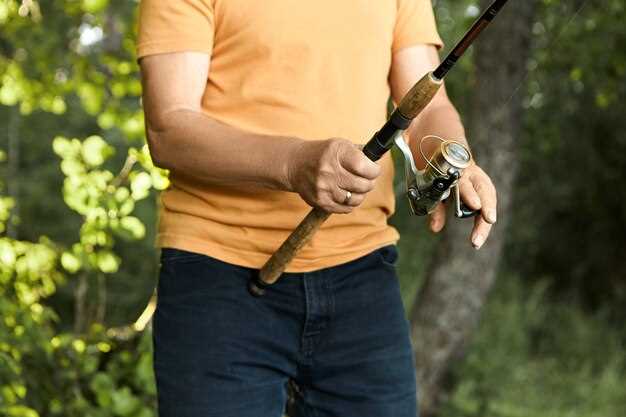
Start with a compact sinking spoon or jig that lands tight to structure, then reel with a steady, low-angle motion to keep contact with the bottom.
Gear setup uses relatively sturdy line in the 20–30 lb range on a smooth spool, paired with reliable reels and a predictable drag; check knots and replace worn components before long sessions along the coast to ensure you find consistent performance.
Depth management targets deeper pockets: cast beyond edge lines and let the target sink longer, then begin a gradual retrieve at about 10–45 degrees of rod angle, adjusting to current and water clarity.
Items include spoons, jigs, crankbaits, and soft plastics on jigheads; popularity is supported by field notes, source reports, and здесь источник popularity confirms this trend.
Near rocks, cast slightly beyond and let the lure fall into gaps; use short, snapping retrieves to imitate fleeing prey; if you snag, pause, then pull free with a couple of smooth snaps; if you feel ikes from the current, switch color or pattern.
Seasonal tips: in shallow water, bright patterns and quick retrieves get bites; in deeper zones or on cooler days, darker colors with longer pauses perform better. Thinking ahead about tides and days helps you plan next trips; somebody with years of coast practice talked that matching patterns to water clarity is key.
Bass often respond to slower retrieves and chrome colors; Murray talked about the value of trying several items, and thinking in terms of degrees of retrieve helps you find the next pattern that gets bites.
Next steps: assemble an option kit with 4–6 items that cover shallow and deeper zones; prefer colors that match the water source and water clarity; keep notes on days and conditions to refine your approach; retrieve gradually and adjust by feel, this gives better odds on bass and other targets.
Spoon styles: cadence and retrieves along the bank
Begin with a steady, regular retrieve that keeps the spoon tracing a shallow arc near the surface, with short pauses of 0.5–1.0 seconds every 6–8 pulls to check depth response and tune cadence. The matter is consistency in cadence and line control.
In deeper zones or when wind pushes current, switch to spoons designed to sink to 3–4 ft, then perform 1–2 second pulls with 1 second stops to haul the spoon through the midwater column and trigger bites. Pulls should feel instinctively natural, not forced.
Rigging basics: tie a clean knot, add an 18–24 in fluorocarbon leader, 12–20 lb test; use a small swivel to cut twists and keep line from kinking; sizes range 1/8–3/4 oz, with 3/8–1/2 oz handling regular chop and wind; needs vary with conditions so adjust length and weight accordingly. This setup reflects the different rigs designed to meet anglers’ needs and basics alike.
Style differences matter: brass, copper, and silver finishes behave similarly yet represent different surface reflectivity; have a set that covers shallow hits and deeper action; designed to ride through surface ripple and through low-contrast water; through transition zones, switch styles; though some days a single size works, other days you benefit from multiple sizes and finishes to cover different depths; remember some rules: summer light makes brighter finishes shine; sizes matter; like the way larger spoons pull deeper than smaller ones; Somebody new to this game benefits from a two-size start and then increases when conditions demand it; certainly these choices puts you in position to strike, which affects bite timing.
Remember: an average session benefits from rotating among 2–3 sizes and at least two styles to identify the strike window that makes sense locally; instinctively you’ll tune cadence as water clears or muddy; though conditions shift, the approach puts you in position to strike; through practice, you learn deeper targets and shallower passes, and you’ll fish with confidence yourself.
Crankbaits and plugs: selection for shoreline structure
Recommendation: start with a compact, mid-depth crankbait around 3.5 cm that dives to about 1.5 m. Load a 20–30 lb braid and spool a short fluorocarbon leader (12–18 in) in rugged zones. Retrieve at a steady pace, then inject short pauses to trigger a follow along the edge where structure rises toward the surface. This approach is productive along rock faces, weed lines, and pilings.
Common shoreline structure along estuaries includes rock ledges, weed beds, troughs, and pilings. Choose crankbaits and plugs that press slightly deeper than the active zone to stay in touch with the edge as current carries the presentation. A bigger profile can attract bigger targets in stained water, while interchangeable slugs and tails expand the options; split your pack so you can adapt quickly when variables shift.
Market options offering a range of favourites. Colour choice matters: colour can be subtle in clear days and noticeable in stained water. Try 2–3 colour patterns per session, focusing on patterns that attract in low light or over structure. The right colour puts the bait in the strike window without prompting hesitation; instinctively adjust speed and rod load to keep tension as the tail sways and the body responds to structure. Feel the bite and adjust accordingly; worth trying a different colour if results stall.
Estuaries and nearshore flats present several variables: tide level, current strength, water clarity, wind, and boat traffic. When you follow the edge, think about how the bait loads the spool and whether to switch to a deeper option or alter the retrieve. Years of field testing show the best outcomes come from mixing approaches, not sticking to a single option; a flexible temperament lets you respond to the mood of the day. These factors involved in estuarine environments require adaptable methods and a calm approach.
| Crankbait option | Depth range | Structure match | Colour guidance | Anmerkungen |
|---|---|---|---|---|
| 3.5 cm mid-diver | 0.8–1.4 m | weed edges, weed lines | natural, subtle with flash | good general use along estuaries |
| 4.5 cm mid-range diver | 1.2–1.8 m | rock ledges, drop-offs | brighter for stained water | keep pull along the edge; adjust pace |
| 4.0–4.8 cm deeper diver | 1.8–2.5 m | ledge, deeper troughs | high-contrast patterns, chartreuse/yellow | use when current is strong |
| Lipless/slugs style | 0.4–1.0 m | shallow flats near structure | silver, gold flash | excellent when current carries the bait along edge |
Soft plastics: rigging and swim patterns for beach targets
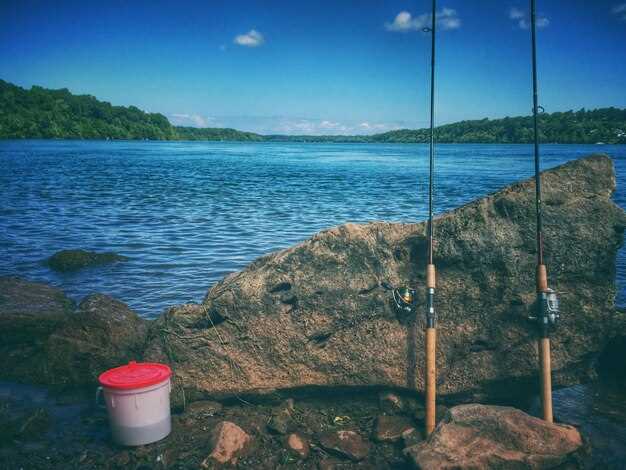
Recommendation: half-ounce weight, a 4–5 inch paddle-tail on a single 3/0 hook, with a 15–20 lb leader. Cover the first 6–10 m with a steady, medium-speed retrieve, then pause 0.5–1 s to spark a noticeable tail kick. Keep line slack during the pause to avoid drag, and snap the rod to drive the bait back toward the foam. This approach delivers more strikes from large, hungry, predatory fish that already patrol the wash; the best results come when tides shift and fish move into troughs.
Basics of rigging: use a nose- or belly-weighted setup to keep the head of the bait near the bottom. In light current, run 1/8–1/4 oz; in heavier surge, step up to 1/2 oz. Verwenden Sie ein single hook in the 1/0–3/0 range on a straight-wired style, with a 12–18 inch fluorocarbon leader to ensure stealth. Pick soft plastics in high-contrast palettes or natural tones; add a small bead ahead of the bait to create a brief flash, making the setup easier to spot. The design should stay compact, with concentrated color cues and action that produce a clean, stable swim without spooking fish.
Swim patterns on the beach: two core approaches cover most days. First, a steady, low-drag walk-the-tail pattern with subtle tail kicks; second, erratic darts with turned re-aligns to provoke a predatory response. To increase visibility, aim for a noticeable cadence of 3–5 twitches per cycle, then a pause. A sharp turn at the apex of each twitch, turning the bait back toward the backwash, mimics a wounded baitfish and is a striking cue to hungry fish. Half-turn between twitches helps maintain depth in mixed sand and foam, and lets you cover more water without overworking the setup. Avoid doing the same motion every cast.
Species notes and adjustments: trout along the outer troughs respond well to slower, tighter patterns; in clear water prefer natural tones, while stained water benefits from bright chartreuse or white. Example setups include a chartreuse tail on a natural body, or a glittered finish that stays within the sixties palette. If you miss a few bites, try a different size or color after six casts, or switch to a more unique pattern; remember, the goal is to stay close to the strike zone without over-committing. If a pattern feels favourite, keep it going, but dont hesitate to mix in another option to avoid overdoing any one presentation.
Gear and cadence: reels in the 2500–3500 class balance line capacity with throw distance. Pair with 12–20 lb line to maintain slack control and prevent backlashes. Sizes that match the bait payload help keep the line tight through the strike. After a bite, reel promptly to keep tension, then sweep the rod tip to drive the bait forward. If the bite dies, drop the rod tip slightly to keep the bait in contact, and dont hesitate to pause again. The favourite approach is a two-pattern rotation, a high-precision approach that anyone can adopt, and lets you stay in the game across a long session. The result is more consistent hits and better coverage of the beach, especially when a tide line holds a large, predatory window.
Jigs and metal lures: depth control and wind-assisted casts
Start with a slug-style jig in 60–110 g to hit depth in 2–4 seconds; cast well beyond the chop and count two to three seconds to let it reach the seabed, then lift and pause to feel for a bite. Keep line tension steady and use a moderate rod angle so the sink is controlled rather than free-falling. This approach gets you consistently reliable contact with bottom structure along the coast where pilchard and shellfish beds are a known food source.
Wind-assisted casts: when the breeze favors a long, glide-like flight, position the body into wind; use a longer backcast, then snap the rod to generate a tight line; keep line tight during the landing and reel promptly to preserve contact. With the coast in mind, youll notice the line tracking better and less zigzag from gusts.
Depth control in changing tides: in currents, add 5–15 g more weight or shorten the leader to keep the slug in contact with the bottom; on a flat bottom, try a slower descent by using a lighter jig and a shorter drop; if you detect you’re hovering above the channel, chop the water with a series of electric hops and pauses to keep the slug near the bottom where shellfish and other known food items lie.
Retrieve pattern: after the drop, run a sequence of long sweeps with short pauses near the bottom; alternate with dead slow stops to provoke bites. In july, warmer water pushes targets closer to the coast structure, so repeat this series of casts at the same depth for best results. Keep reels in good order, check the line and keep the spool free from twists, and let the source of experience guide your next moves from already proven sessions.
Spinnerbaits and minnow-type lures: practical shore-use scenarios
Starting with a 1/8 oz spinnerbait on 20–30 lb braid and a 12–18 in fluorocarbon leader, throwing beyond the breaking zone and then varying retrieve keeps hits coming. In september, concentrated bait activity often runs along the bank edge, making this setup especially productive with large and midsize targets. Move the depth by adjusting leader length and casting angle, and keep spare blades handy to adapt to murky water above the bottom. These basics help you become quicker to react and keep catching when the bite is on, just stay adaptable.
- Beach-break currents: cast beyond the foam line, then retrieve with a steady tempo and occasional snaps. In murky water, switch to a heavier 1/4 oz model and a Colorado blade having a diameter around 1 inch to produce a louder signal. If you latch onto a large fish, keep the rod high and maintain pressure; if a snag bites, give a short lift and back away to break free; theyre often attracted by that presentation near a feeding break.
- Weed edges and snag-prone zones: use a heavy 1/4 oz spinnerbait with a single willow blade to punch through weed mats while staying responsive. Keep the cadence tight, with quick pops followed by a longer pause to let pockets fall away. When a snag occurs, drop the rod tip and pull back slowly; if breaking free becomes unlikely, switch to a more compact setup that passes through gaps.
- Clear-water, shallow pockets: opt for a 1/8 oz spinnerbait with a small blade; pair 10–15 lb braid with a light leader. Work a slow, tight-wiggle cadence near the bottom, keeping depth in mind. If a strike comes, keep the rod tip high to set, and use minimal motion to avoid spooking the fish.
- Low-light windows near dawn or dusk: brighten the blade and maintain a steady, shallow sweep along the first depth break above the bank. Theyre more active in these periods, so a consistent approach tends to produce more hits; adjust speed in response to the water color and wind.
- Minnow-type baits as an alternative: swap to a 2–3 inch minnow imitation with a natural action; use a slender 12–20 lb fluorocarbon leader, and keep the mainline braid in the 10–15 lb range. Maintain a natural, swimming cadence with occasional pauses; this approach can become the lead option when natural movement shows results, and call attention to the target near the surface.