


 Deutsch
  English (UK)
  Русский
  العربية
  日本語
日本語  한국어
한국어  Magyar
  Türkçe
  Español
  Čeština
  Svenska
  Português
  Ελληνικά
  Suomi
Suomi  Nederlands
  Română
  Italiano
  Français
  Polski
  Українська
  简体中文
简体中文  Slovenčina
  Lake Toya Winter Adventures – A Complete Guide to Snow, Ice, and Hot Springs">

Buchen Sie einen Aufenthalt in einem Onsen am See, um Ihre Winterabenteuer am Toya-See zu beginnen. Der Berg Usu leuchtet am fernen Ufer, während Dampf aus den heißen Quellen aufsteigt und eine frische Brise den Abend perfekt für einen Spaziergang macht. Sie besuchten die Südseite des Sees, um die lebhaften Farben bei Sonnenuntergang zu genießen, und wandten sich dann der Promenade zu, die von frostbedeckten Bäumen gesäumt ist.
Wählen Sie eine der aufgelisteten Unterkünfte in der Nähe von Toyako Onsen und buchen Sie ein Paket mit Thermalbädern, einem einfachen Frühstück und einfachem Zugang zum Seeufer. best Optionen bieten ein sauberes Zimmer, ruhige Nächte und schnelle Shuttle-Verbindungen nach Noboribetsu für einen Tag mit heißen Quellen dort. Von Shinjuku aus erreichen viele Reisende zuerst New Chitose oder Sapporo und fahren dann mit dem Zug oder Bus nach Toyako weiter; die website‘s Routenplanungen gestalten die Planung reibungslos.
Im Winter schaffen Schnee und Eis beeindruckende Panoramen. Nehmen Sie an einer geführten Schneeschuhwanderung durch den Wald teil, um ein 20 Min. Schleife und bewunderte den Frost auf einigen trees und das ruhige Wasser flacher Stellen. Wenn die Bedingungen es zulassen, sehen Sie vielleicht einen dünnen Eisrand am Ufer des Sees, und die Guides sorgen für die Sicherheit der Route, während Sie sich auf die Aussicht konzentrieren.
Plane einen praktischen Tag: lunch am Seeufer, vielleicht eine Schüssel herzhaftes Miso-Ramen oder ein gegrillter Fisch meal, dann ein entspannendes Bad, um sich vor dem Abend zu entspannen. Für eine umfassendere Erfahrung arrangieren Sie einen Halbtagesausflug nach Noboribetsu das vulkanische Tal zu besuchen und dann nach Toyako zurückzukehren, um einen nächtlichen Spaziergang am Ufer zu machen.
Tipps, um Ihre Reise optimal zu nutzen: Wählen Sie best Zeiten für die Fotografie – frühmorgens oder in der Abenddämmerung – priorisieren places mit Seeblick, und buchen Sie an Wochenenden im Voraus. Benutzen Sie website to compare places und lies aktuelle Bewertungen von Besuchern, die die Barrierefreiheit, die Parkplätze und die Qualität des Onsen erwähnen. Packe warme Kleidung in Schichten, wasserdichte Schuhe und einen kleinen Snack für die Zeit im Wald ein; eine einfache Planung hilft dir, dich zu entspannen und die Landschaft zu genießen.
Winteraktivitäten am Toya-See und Tagesausflüge ab Tokio: ein praktischer Schritt-für-Schritt-Plan
Buchen Sie einen geführten Tagesausflug ab Tokio, der eine kurze Zugfahrt mit Erlebnissen am Toya-See kombiniert, darunter ein vulkanisches Panorama, das Eintauchen in warmes Wasser und eine traditionelle japanische Mahlzeit.
Schritt 1: Wählen und buchen Sie eine geführte Tour ab Tokio. Suchen Sie nach einem Paket, das Zugfahrt, Bustransfers und Aktivitäten am Toya-See beinhaltet, mit einer Kleingruppenoption für reibungslosere Logistik. Diese starten in der Regel am Bahnhof Tokio oder Shinjuku und kehren am Abend zurück.
Schritt 2: Ankommen und ausrüsten. Die Reiseroute landet am Bahnhof Toya oder in der Gegend von Toyako Onsen. Packen Sie leicht, aber bringen Sie sehr warme Schichten, wasserdichte Stiefel, Handschuhe, eine Mütze und einen kompakten Zeichenblock mit, um die Aussicht auf den Wanderwegen zu skizzieren. Die Ausrüstung sorgt für Komfort bei langen Uferspaziergängen und kurzen Wanderungen.
Schritt 3: Beginnen Sie mit einem Aufwärmspaziergang am Ufer. Schneebedeckte Landschaften umrahmen die schillernden Ausblicke des Toya-Sees. Wenn Sie sich für Kultur interessieren, halten Sie an einem kleinen Ebisu-Amulett in der Nähe des Ausgangspunkts des Wanderwegs und erfahren Sie mehr über lokale Legenden.
Schritt 4: Versuchen Sie eine kurze, geführte Wanderrunde in der Nähe des Gebiets des Berges Usu. Wenn es das Wetter und die Sicherheit zulassen, bieten sie eine lange, sanfte Gratwanderung mit freiem Blick auf die Vulkane und den See an. Überprüfen Sie die vulkanische Aktivität in Echtzeit, bevor Sie losfahren; die Pläne ändern sich je nach den Bedingungen.
Schritt 5: Bauen Sie wenn möglich einen Boots- oder Inselstopp ein. Manche Touren beinhalten eine kurze Bootsfahrt zur Insel Nakajima oder heben Inseln rund um den See hervor, um eine abwechslungsreiche Landschaft zu bieten. Der nächste Stopp führt Sie manchmal zum Ufer der Inseln für Fotos und kurze Wanderpausen.
Schritt 6: Einweichen und eine warme Mahlzeit. Nach der Natur können Sie ein Onsen-Resort zum Entspannen und ein Fußbad wählen, um müde Füße zu verwöhnen. Zum Abschluss genießen Sie ein warmes japanisches Gericht in einem Resort am See und nehmen Sie sich dann eine lange Auszeit, um die Landschaft zu genießen. Die Optionen sind sehr ausgewählt, mit mehreren Resorts entlang des Ufers, die einen weiten Blick von der Veranda bieten.
Schritt 7: Rückkehr nach Tokio und Planung der nächsten Etappe. Züge vom Bahnhof Toya fahren zurück nach Tokio, mit einem möglichen Halt in Shinagawa oder am Bahnhof Tokio, je nach Paket. Für eine Option am selben Tag fahren Sie früh ab und kehren Sie nachts zurück; für ein langsameres Tempo übernachten Sie in einem Resort am See und erholen Sie sich nach einem Tag mit sehr aktiven Winteraktivitäten.
Schritt 8: Weitere Ideen, falls Sie mehr Zeit haben. Erweitern Sie Ihr japanisches Wintererlebnis mit den heißen Quellen von Noboribetsu oder Jozankei oder planen Sie im Sommer einen Abstecher zum Wandern, Schwimmen oder Bootfahren in der ruhigen Landschaft von Toya. In den vergangenen Jahren kehrten Reisende mit neuen Zeichnungen und Geschichten zurück und stellten oft fest, wie die Resort-Atmosphäre ihnen hilft, sich für das Stadtleben zu erholen.
Schneeschuhrouten rund um den Toya-See und den Usu-Berg: Wohin und wie lange?
Beginnen Sie mit der Lakeside Toya Shore Loop vom Stadtzentrum von Toyako aus. Sie umfasst etwa 3,5 km, dauert 1,5–2 Stunden und ist einfach genug, um sich schnell aufzuwärmen, während Sie die Aussicht auf die südliche Caldera genießen. Mieten Sie Ausrüstung in der Stadt oder in lokalen Onsen, wenn Sie Schneeschuhe ausprobieren möchten; Ihre Schritte geben einen stetigen Rhythmus vor, während Sie die frische Winterluft atmen.
Sowohl Einwohner als auch Besucher des Toyako werden diese Routen als zugänglich empfinden, wobei ein Ausrüstungsverleih in der Stadt verfügbar ist.
Der Toya-Caldera-Waldrundweg ist 4–5 km lang und dauert 2–3 Stunden. Er schlängelt sich durch Fichten und Birken, mit Lichtungen, die dem See zugewandt sind. Sowohl japanische Touristen als auch Besucher werden die Mischung aus Waldruhe und dramatischer Aussicht zu schätzen wissen.
Der Mount Usu Rim Trail ist 6–7 km lang und dauert 3–4 Stunden. Starten Sie in der Nähe der Usu Seilbahn; die Route führt durch Schnee und Kiefern und bietet Ausblicke über den See und auf den Showa Shinzan, wobei Panoramen nach rechts eine sorgfältige Gangart belohnen. Bringen Sie Traktionsgeräte und warme Kleidung mit; Sie können sich anschließend im Seilbahn-Café aufwärmen.
Der Showa-dake Ridge Loop ist etwa 5 km lang und dauert 2,5–3 Stunden. Er beinhaltet einen kurzen Aufstieg und mehrere Aussichtspunkte mit Blick auf die Stadt und den See. Nicht-Gäste können Ausrüstung in der Stadt mieten, und das Erlebnis lässt sich gut mit einem Bad in einem der Onsen zur Entspannung nach dem Schnee verbinden.
| Route | Difficulty | Distance | Time | Ausgangspunkt | Anmerkungen |
|---|---|---|---|---|---|
| Toyako-Uferweg | Easy | 3,5 km | 1,5–2 Std. | Toyako Stadtzentrum | Sanfter Anstieg, Caldera-Aussicht, ideal für ein fußfreundliches Tempo; großartig für den ersten Schneeschuh-Tag. |
| Toya Caldera Waldstrecke | Leicht–Mittel | 4–5 km | 2–3 h | Toyako Onsen Gebiet | Waldmischung, windanfällige Felgen, Traktion empfohlen; Entspannung mit Waldambiente. |
| Usu-Berg-Rundweg | Moderate | 6–7 km | 3–4 Std. | In der Nähe der Usu-Seilbahn | Erhöhte Aussichten, Serpentinen; bereiten Sie sich auf Winterwetter vor; wärmen Sie sich bei Bedarf im Café an der Talstation auf. |
| Showa-dake Gratwanderung | Moderate | 5 km | 2,5–3 Std. | Showa Shinzan Gebiet | Aussichtspunkte über dem See; Ausrüstungsverleih in der Stadt; für Entspannung mit einem Bad kombinieren. |
Eiserlebnisse auf dem See: Sicherheit, Ausrüstung und Verleihmöglichkeiten für Besucher
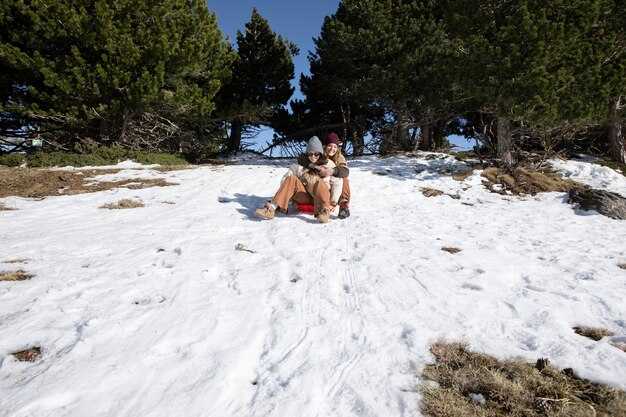
Überprüfen Sie die Eisdicke an der Stelle Ihrer Wahl, bevor Sie den See betreten, und buchen Sie eine geführte Tour, wenn Sie sich unsicher sind. Für eine einzelne Person sollten Sie mindestens 10 cm klares, blaues Eis anstreben; für eine kleine Gruppe oder beim Tragen von Ausrüstung sind 15–20 cm ideal. Vermeiden Sie weiße oder matschige Stellen und halten Sie sich von Ufern, Einlässen und Strömungszonen fern, wo sich dünnes Eis bilden kann. Wenn Sie Knackgeräusche hören oder Wasser sickern sehen, ziehen Sie sich zurück und bewerten Sie die Situation mit einem Führer neu. Tragen Sie ein schwimmfähiges Wurtau und eine Pfeife bei sich und erstellen Sie einen Plan mit Ihrer Gruppe.
In Toya wird die Sicherheit durch deutlich gekennzeichnete Routen und ortskundige Guides verstärkt, die mit den Uferbereichen vertraut sind, einschließlich der Wasserzuflüsse und Tunnel unter dem Eis. Befolgen Sie unbedingt die Anweisungen der Ortsansässigen und halten Sie sich während Ihres Aufenthalts in vollständig überwachten Bereichen auf.
Ausrüstung, die du mitbringen oder mieten solltest
- Mehrlagige Kleidung: Basisschicht, Zwischenschicht und Außenschicht, plus isolierte Handschuhe und eine warme Mütze.
- Wasserdichte Stiefel mit gutem Halt und dicken Socken, um die Füße auf schneebedecktem Eis warm zu halten.
- Eiskrallen oder Steigeisen für zusätzliche Traktion auf glatten Oberflächen.
- Eispickel und ein kompaktes Wurfsackseil zur Selbstrettung und um anderen zu helfen.
- Leichte Rettungsausrüstung: ein kleiner Spaten zum Räumen von Schneematsch, eine Pfeife und ein wasserdichter Packsack mit Notfallausrüstung.
- Thermoskanne mit heißem Tee oder Kakao, um sich bei kurzen Spaziergängen am Wasser warm zu halten.
Mietoptionen und Erlebnisse
- Komplette Ausrüstungspakete von lokalen Anbietern: Isolieranzug, Stiefel, Handschuhe, Mütze, Eisstollen und Sicherheitsausrüstung, vollständig bereit für einen Tag auf dem See.
- Verleih von Eisangel-Ausrüstung: Ruten, Rollen, Schnüre, Köder, Kippvorrichtungen, Unterstände und tragbare Öfen; Anbieter können Sie zu produktiven Stellen führen und Ihnen helfen, einen geschützten Angelbereich einzurichten.
- Eishütten und Unterstände: geräumige, schneebedeckte Zelte mit Öfen, Sitzgelegenheiten und Wetterschutz für längere Sessions und Fika-Pausen.
- Schneemobil- oder ATV-Zugang, um größere Zonen auf dem See zu erkunden; geführte Routen stellen sicher, dass Sie schwache Stellen vermeiden und auf markierten Wegen bleiben.
- Geführte Wanderungen und Spaziergänge am Seeufer: Sie lernen die Sicherheitsgrundlagen kennen, hören lokale Geschichten und genießen die Landschaft, während sich der See unter einer weißen Decke verwandelt.
- Angel- und Verkostungspakete: Verbinden Sie eine kurze Eisfischersitzung mit einer Verkostung von Wakasaimo und anderen lokalen Snacks, während Sie die Aussicht genießen.
- Helikopter-Zusatzangebote: Für einen aufregenden Luftblick auf den schneebedeckten See und die umliegende Landschaft können Sie einen Kurzflug von einem Betreiber in der Gegend von Toya buchen.
- Buchungstipps: Wählen Sie eine betreute, voll organisierte Option, wenn Sie Sicherheit, Ausrüstung und die Versorgung mit heißen Getränken und warmer Unterkunft wünschen, und fragen Sie nach Paketangeboten, die die Highlights der Region Toya beinhalten.
Praktische Tipps für einen reibungslosen Tag
- Plane kürzere Einheiten am frühen Morgen, wenn ausreichend Tageslicht vorhanden ist und das Eis fester ist; nutzen Sie das Tageslichtfenster für einen Spaziergang am Wasser oder einen geführten Spaziergang.
- Bleiben Sie in Ufernähe, wenn Sie neu auf dem Eis sind; folgen Sie markierten Routen und hören Sie auf die Sicherheitseinweisung Ihres Guides.
- Vermeiden Sie Eis in der Nähe von Tunnelausgängen oder sichtbaren Strömungen, da diese Schwachstellen verursachen können. Testen Sie die Dicke immer an mehreren Stellen, bevor Sie fortfahren.
- Reservieren Sie im Voraus, besonders an Wochenenden oder während der Festspielzeiten, wenn die touristische Nachfrage ihren Höhepunkt erreicht; dies stellt sicher, dass Ausrüstung, Guides und Unterkünfte für Sie bereitstehen.
- Nach Aktivitäten kann man bei einem warmen Snack mit Wakasaimo entspannen, während das Ufer im Sonnenuntergang erstrahlt – ein beliebtes Highlight für Besucher.
- Die Anreise nach Toya für Eis-Erlebnisse ist bequem, wenn Sie Parkplätze und Zugangspunkte in der Nähe der Promenade prüfen; einige Anbieter bieten einen Shuttle-Service vom Ufer an.
Onsen-Empfehlungen in der Nähe von Toya: Die besten heißen Quellen und Tipps zur Etikette
Beginnen Sie mit Toyako Onsen am Seeufer für ein schneebedecktes Bad in der Morgendämmerung; die Bäder am Wasser bieten atemberaubende Ausblicke und den richtigen Ton für Ihre Winterreise.
In der Nähe sollten Sie die Einrichtungen am Seeufer von Toyako Onsen und Noboribetsu Onsen in Betracht ziehen, die beide für ihr mineralienreiches Wasser und ihre Freiluftbäder in frischer Luft hoch angesehen sind; diese Verlässlichkeit hilft Anfängern bei der Entscheidung, dass sie diese Orte mit Zuversicht besuchen können, und beide sind für ihre freundliche Etikette bekannt.
Für eine geführte See-Exkursion umrunden Nakajima-Insel-Touren die schneebedeckten Inseln; die Reise enthüllt vulkanische Szenerie über dem Wasser und endet mit einem Stopp in einem Café am Ufer, wie sie auch am Seeufer zu finden sind, wo Sie sich vor Ihrem nächsten Bad aufwärmen können.
Entlang der Küste finden Sie Toyas – gemütliche Bauernhofgasthöfe und einfache Cafés – wo Sie lokale Snacks probieren und sich vor oder nach einem Bad ausruhen können; einige Orte präsentieren sogar Ainu-Kunsthandwerk und Ebisu-inspirierte Dekoration in der Nähe des Ufers.
Etikette-Tipps für Anfänger: Vor dem Betreten gründlich abspülen, Handtücher außerhalb des Bades aufbewahren, langsam seitlich ein- und aussteigen und leise sprechen; in Japans Onsen-Kultur die Regeln beachten und die Hinweisschilder befolgen. Diese Hinweise helfen Ihnen, den Besuch sicher und bequem zu genießen und sicherzustellen, dass sich jeder Ort, den Sie besuchen, einladend anfühlt.
Packen, Wetter und Tagesplanung: Erstellen Sie eine Winterroute mit realistischen Zeitplänen
Recommendation: Sperre jeden Tag zwei Haupterlebnisse im Freien und eine Thermalbadsitzung ein und plane dann 60 Minuten für Parken, Mahlzeiten und flexible Pausen ein. So fühlst du dich wohl und kannst diese Gegenden erkunden, ohne dich zu hetzen.
Packliste: Baselayer (drei Sätze), ein warmes Fleece, eine winddichte Shell und eine Daunenjacke; isolierte, wasserdichte Stiefel und dicke Socken; Handschuhe, eine Mütze und ein Schal; eine kompakte Regenschicht; eine Thermoskanne für heiße Getränke; Handwärmer; Sonnencreme für helle Tage im Schnee; ein kleines Handtuch für Onsen-Besuche; eine Powerbank und ein Ladekabel; Bargeld für Parkgebühren und kleine Läden; ein leichter Tagesrucksack für den Transport zwischen den Attraktionen; vergessen Sie nicht alle benötigten verschreibungspflichtigen Medikamente und eine Karte oder einen Offline-Guide von der offiziellen Website als Referenz.
Wetter und Tageslicht: Die Temperaturen in der Toya-Region liegen typischerweise zwischen -6 °C und 3 °C. Wind vom See kann sich kälter anfühlen, besonders am Südufer und an offenen Aussichtspunkten. Rechnen Sie im Hochwinter mit kurzen Tageslichtstunden (ungefähr 08:00–16:30 Uhr). Beginnen Sie Outdoor-Abschnitte nach Sonnenaufgang und beenden Sie die Zeit im Freien vor 16:00 Uhr, um die Dämmerungskälte zu vermeiden. Für Onsen-Tage empfiehlt es sich, ein Bad am späten Nachmittag zu planen, wenn die Lichter über dem Wasser zu leuchten beginnen.
Zwei-Tage-Timing-Framework: Plane einen Ausgleich zwischen malerischen Outdoor-Momenten, kulturellen Sehenswürdigkeiten und heißen Quellen ein. Halte die gesamte tägliche Aktivität unter 6–7 Stunden aktiver Zeit und lege alle 1,5–2 Stunden Pausen ein, um die Energie aufrechtzuerhalten. Überprüfe die website Bitte erkundigen Sie sich vorab über die aktuellen Attraktionszeiten und Parkregeln, und passen Sie Ihre Pläne anhand der Vorhersage an, falls starker Schneefall einsetzt. Wenn Sie nicht jede Minute verplanen möchten, bauen Sie am Ende des Tages einen Puffer von 60–90 Minuten für spontane Pausen vor Ort ein. areas and cafes.
Day 1: Lake Toya loop and springs: 07:30 wake; 08:00-08:20 parking near Toyako Onsen; 08:20-09:50 short, easy walk along the lake’s southern setting for calm sunrise shots and scenic viewpoints; 10:10-11:15 visit a local attraction with a bit of history background; 11:30-12:15 lunch featuring wakasaimo and a light boso treat; 13:00-15:00 hot springs experience at a public onsen facility (choose a place with outdoor baths so you can enjoy the air and steam); 15:15-16:30 finish with a quick stop at a shop for winter snacks and a warm drink, then return to hotel. This schedule keeps movement steady and allows time to savor the wonderland vibe around the lake.
Day 2: Explore nearby areas and a gentle ride: 08:00-08:30 coffee stop, then 09:00-10:30 horse diese or horse-drawn carriage experience along a light route in southern Toya hokkaidos settings; 11:00-12:00 visit a history-focused site or museum to deepen your experience; 12:15-13:15 lunch with wakasaimo or another local specialty; 13:30-15:00 outdoor snowshoe stroll or a brief winter nature walk to capture the scenic setting and places you’ve not yet seen; 15:30-16:30 final hot soak or a soak-and-snack stop at a nearby springs facility; 17:00 return to your base. This second day centers on gentle movement, authentic flavours like wakasaimo, and a deeper look into the history of the Toya area.
Practical tips: use parking facilities labeled near popular attractions and check the website for updated hours and any winter restrictions; if a place publishes reduced winter hours, don’t rely on outdated lists–confirm in advance. For these excursions, bring a light, foldable tripod for night shots and keep your phone charged for quick experience photos. To maximize comfort, keep a flexible mindset and adjust the pace to your group’s energy; the landscape is scenic but the key is steady pace and plenty of warm breaks, especially after outdoor segments. By planning around these places und ihre parking rules, you’ll enjoy a smooth and memorable Toya winterexperience.
Food note: try wakasaimo fresh from local farms and look for small cafes serving boso-based desserts or snacks; these small discoveries often become the favorite memories of your trip. The setting and quiet tempo around Lake Toya make it easy to erkunden. at your own pace and to turn a winter day into a memorable experience.
Harajuku to Ebisu stroll: a practical route with transit details and snack stops
Begin at Harajuku Station, take the JR Yamanote Line two stops to Ebisu for a quick ride, or stretch it into a 20min stroll along Meiji Dori through Omotesando to soak in snow-covered storefronts and the tokyo winter mood.
Transit details: From Harajuku to Ebisu by JR Yamanote, two stops and about 7 minutes. Trains run every 4–6 minutes. Fares with an IC card are around 170–210 yen. For tourists, a Suica or Pasmo makes it easy; full passes exist for brief city days, and you can verify real-time times on the official website.
Snack stops: Start on Takeshita Street with a quick crepe or warm taiyaki; continue to Omotesando for a hot chocolate or pastry; in Ebisu, seek wakasaimo–a winter snack with ties to noboribetsu. These quick bites let you refuel without slowing the pace of the loop.
Gear and pacing: Dress in layers and wear fully waterproof boots with good grip. Pack gloves, a scarf, and a compact umbrella; keep a water bottle and a small camera handy. Watch for animals like birds and squirrels in parks along the route. Here, comfortable gear makes the stroll enjoyable even in brisk weather.
Guided options and outfitters: If you prefer, guided urban-walks with outfitters offer short Tokyo strolls that cover transit cues and snack stops; these include a full map view and a local guide to answer questions on the spot.
Link to Lake Toya Winter Adventures: this urban stroll fits into a broader plan that includes Noboribetsu and its lakeside scenery. From tokyo you can connect to Shinkansen or flights to Hokkaido, then explore resorts, hot springs, and volcanoes in the Noboribetsu area. Wakasaimo and other snacks travel well, giving you a tasty bridge between city streets and a cold-weather escape.