


 Deutsch
  English (UK)
  Русский
  العربية
  日本語
日本語  한국어
한국어  Magyar
  Türkçe
  Español
  Čeština
  Svenska
  Português
  Ελληνικά
  Suomi
Suomi  Nederlands
  Română
  Italiano
  Français
  Polski
  Українська
  简体中文
简体中文  Slovenčina
 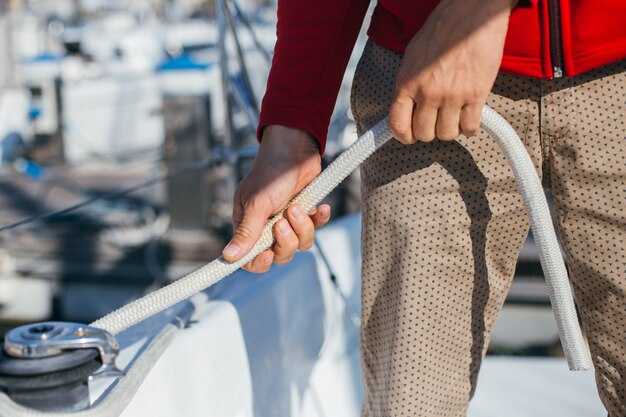 How to Sail a Catamaran Upwind – Techniques, Trim & Tactics">

Set the rudder to a neutral position and trim for a clean, open beat upwind. In light to moderate winds, keep the mainsail close to the centerline and the jib sheeted in enough to hold steady forward motion. If you feel the hulls lose bite, ease the jib slightly and let the main spill to maintain upwind progress, then move your weight down to help balance.
Work the two-hull beat with precise weight and calm hand movements. Shift your weight to the windward railing to keep the outrigger hulls from rising, and use a firm hand on the tiller or wheel to maintain a steady course. Between tacks, keep a short, controlled movement with the rudder and trim so that the apparent wind stays close to the sails. On a cat, the wind shifts cause more pitch, so a light touch often makes the difference. The position of the boat relative to the wind matters; aiming for the best angle is key, and the wheel should stay responsive to small corrections.
Trim strategy matters: use a precise hand on the mainsheet and jib sheets to keep shape when the wind shifts upwind. Die best tack is a controlled move with a small angle to the wind; avoid over-rotation, which can stall the breeze. When the boat accelerates, there is a moment when you must adjust rig tension and weight between the sails and the boat centerline. If you’re using a down gust approach to re-accelerate, you can switch to letting off to recover speed, then seamanship becomes the key to the next move. This technique used by top crews minimizes the risk of stalling, whether you race or cruise on a sunny day.
Tap into wind shifts: read the sails and water for signs of a lift or knock, and respond with timing rather than brute force. If the winds gust from a particular side, move the head down a touch and let the boat feel the lift before you commit to a new course. They say you should keep your hand on the rudder or wheel to feel the difference in movement, and always check the windward hull for planing readiness. However, you must maintain calm, deliberate actions to avoid overcorrecting.
Avoid common mistakes that make upwind sailing harder on a catamaran. Over-trimming slows both hulls; keep the sails in a tight, clean profile but not to the point of stall. If you feel the boat difficult to control, back off slightly and re-trim. Maintain balance by moving a hand to the windward side and using the rudder to fine-tune the course. Whether you’re racing or cruising, practice and repetition matter, and this setup often makes the difference in speed and consistency. The technique used by top crews relies on timing and clear calls from the helm.
Practice scenarios with another crew to build rhythm. Assign roles: one person handles the wheel und rudder, another watches wind shifts and calls changes. Keep the main and jib trim aligned; a slight misalignment wastes speed, so use the open space of the cockpit to adjust without disturbing the line. Ask them to watch for wind shifts and communicate clearly during quick course changes. There is a single word to remember in gusts: patience.
Upwind Catamaran Techniques: Trim, Tactics, and Tack Strategies
Set up for upwind progress: trim the mainsail and traveler to balance power, keep your feet planted, and maintain a comfortable stance in the cockpit to track the wind without overtaxing the arms.
Keep the hulls moving by loading the sails just enough to prevent stalling, and use steady steering to hold a true course. Good trim reduces weather helm, gives you more speed, and still water under the hulls for a smooth ride.
Be alert for reefs and shallow water; reduce sail well before you reach reefs, and check that the line and controls are clear of slack. In living water you want to stay moving and avoid stalling.
When you approach a tack, align with the track of the wind and the bows’ orientation. Always keep their stance balanced, use weight shifts and smooth maneuvers to keep speed up. The line used for trim guides the draft, and you should tap into your skills to stay on course.
Configuration matters on multihulls: cockpit layout, rigging, and sail controls shape steering and trim. Keep the controls within easy reach, and ensure the motor is ready for short moves in calm water or to reposition the boat. Already trimmed and moving well, the crew can stay in rhythm and focus on the next tack.
| Wind (knots) | Fokus Trimm am Wind | Schiffsrumpf-Haltung | Taktiken | Anmerkungen |
|---|---|---|---|---|
| 6–12 | Großsegel fest genug für Auftrieb setzen, Traveler 0–0,5 m nach Luv. | Leichte Aufbiegung zur Verringerung der Luvgierigkeit | Halten Sie eine stetige Spur bei, vermeiden Sie plötzliche Lenkbewegungen | Keine Riffe erforderlich; Tauchtiefe beachten |
| 12–18 | Mäßiger Twist, Segel mittig, mehr Fersensteuerung | Flach über beide Rümpfe, Gewicht auf der Windseite | Nutze Winddreher, plane eine saubere Wende | Backstag so weit wie möglich straff halten |
| 18–25 | gerefftes Großsegel, verkleinerte Segelfläche, Leine anpassen | Leichtes Luvgierverhalten, angenehme Geschwindigkeit | Kurze Kreuzschläge, Bugkontrolle verwenden | Tiefe prüfen, Riffe voraus |
Plane deinen Anluv-Anflug: Windwinkel, Kurs & Schlagreihenfolge
Setzen Sie Ihren ersten Bug auf einem hoch am Wind liegenden Winkel von 40–45 Grad zum Wind und halten Sie eine ruhige Steuerung bei, um die Ruder auszubalancieren und den Mehrrumpf sauber auf Kurs zu halten. Balancieren Sie den Auftrieb zwischen den Rümpfen aus, indem Sie die Segel trimmen, um Lee-Ruder zu vermeiden; stellen Sie sicher, dass die Lasten gleichmäßig bleiben und der Luvrumpf im Wasser bleibt, anstatt hochzufahren. Verwenden Sie Instrumente, um Windwinkel und -geschwindigkeit zu bestätigen, und legen Sie sich dann auf den Kurs fest, den Sie auf den folgenden Etappen wiederholen können.
Plant die Abfolge der Wenden vor Offshore-Arbeiten: Kündige “Wende” frühzeitig an und führe die Abfolge dann reibungslos aus. Lockere bei jeder Wende die Schoten, steuere durch den Wind und halte die Leinen frei und unter Kontrolle. Weise Segeln und Leinen eindeutige Hände zu und übe den Wechsel, damit der Übergang schnell und ruhig verläuft.
Windwinkel-Disziplin ist wichtig: Peilen Sie je nach Bedingungen 40–60 Grad zum Wind an, vermeiden Sie aber, zu tief oder zu hoch zu fahren, da dies Geschwindigkeit kostet. Behalten Sie eine klare Sicht auf den Horizont, um Böen und Winddrehungen vorherzusehen, und nutzen Sie Trimmfäden und Windmessgeräte, um sich anzupassen. Wenn die Bedingungen schwieriger werden, wechseln Sie zu einem etwas höheren Winkel beim Upwind-Fahren, um den Vortrieb zu erhalten und gleichzeitig im Gleichgewicht zu bleiben.
In engen Räumen oder wenn Sie Offshore eine präzise Positionskontrolle benötigen, können Ihnen Strahlruder helfen; verlassen Sie sich ansonsten auf die Steuerung und sorgfältige Gewichts- und Leinenarbeit. Behalten Sie bei allen Manövern das Wort “Strategie” im Hinterkopf und wenden Sie es an: Priorisieren Sie Geschwindigkeit, Balance und eine reibungslose Wende. Verstehen Sie, wie sich die Lasten mit zunehmender Krängung verlagern, und passen Sie sich mit einer freien Hand an den Leinen und einem ruhigen Händchen am Ruder an, um die Sicht nach vorne zu behalten und den besten Kurs beizubehalten.
Segeltrimm für Geschwindigkeit am Wind: Großsegel- und Fockeinstellungen
Recommendation: Fallen Sie das Großsegel ab und trimmen Sie die Fock für einen engen, hoch am Wind Kurs, um die Geschwindigkeit gegen den Wind zu maximieren. Beginnen Sie mit dem Großsegel: Cunningham dicht, um den Zug nach vorne zu verlagern, Unterliekstrecker festgezogen, um den unteren Teil abzuflachen, und Fall fest, um Falten im Vorliek zu entfernen. Verwenden Sie einen leichten Baumniederholer, um den Zug in Böen zu kontrollieren. Trimmen Sie für die Fock die Schot, um den Spalt sauber zu halten und die Trimmfäden entlang des Vorlieks strömen zu lassen. Zielen Sie bei mäßigen Bedingungen auf einen vorderen Zug von etwa 25–30% der Segelhöhe ab, um die Rümpfe stabil und das Boot schnell zu halten.
Großsegeltrimm: Die Unterliekspannung erhöht sich, wodurch der untere Teil des Segels abgeflacht und der Trimm nach vorne verlagert wird. Verwenden Sie den Cunningham, um den Trimm um einige Zentimeter nach vorne zu verlagern; das Fall sollte eng anliegen, damit das Vorliek glatt bleibt. Halten Sie den Baumniederholer leicht belastet, um zu verhindern, dass der Trimm bei Böen nach achtern wandert. Die Achterliekspannung sollte so ausbalanciert sein, dass die oberen Trimmfäden wehen und das Segel vom Deck aus eine saubere, flache Sicht bietet.
Focktrim: Halten Sie das Vorliek der Fock mit dem Fall dicht und setzen Sie die Schot so, dass die Lee-Trimmfäden eine gerade Linie bilden. Passen Sie den Holepunkt so an, dass ein enger Spalt zwischen Großsegel und Fock entsteht; ein Anstellwinkel von 3–6 Grad am Wind funktioniert bei durchschnittlichem Offshore-Wind. Wenn Böen aufkommen, wechseln Sie zu einer kleineren Fock, um die Balance und die Gesamtgeschwindigkeit zu erhalten, ohne die Rümpfe zu überlasten.
Technik-Check: Verwende Trimmfäden auf beiden Segeln, um die Strömung zu überprüfen: Untersuche die oberen und unteren Trimmfäden am Großsegel und das Vorliek an der Fock. Wenn du Flattern oder Luvfalten siehst, lockere leicht oder spanne nach, um eine flache, stabile Form wiederherzustellen. Führe vor einer Wende oder einer Verlagerung in Richtung der Anlegestelle eine kurze Trimmkontrolle durch, um späte Reaktionen zu vermeiden und deine Fähigkeiten zu festigen. Der Blick vom Brückendeck hilft dir, den Auftrieb der Rümpfe und die Balance des Bootes zu spüren, besonders wenn sich die Bedingungen ändern.
Bedingungen und Praxis: In Irlands Küstenumgebung profitieren die meisten Sessions von einem konservativen Start mit einem flacheren Profil und einem bescheidenen Slot. Bei kleineren Böen Stabilität bewahren; bei größeren Böen das Großsegel verstärken und die Fock verkürzen, um die Geschwindigkeit zu halten. Wissen wächst mit der Übung, und die Anpassungen, die Sie vornehmen, summieren sich wirklich, wenn Sie offshore oder in der Nähe der Brücke des Kurses segeln. Verwenden Sie sich selbst als Bezugspunkt; je reibungsloser Sie von einer Trimmungseinstellung zur nächsten übergehen, desto mehr gewinnen Sie an Geschwindigkeit und Selbstvertrauen, selbst wenn sich der Windwinkel ändert und Sie sich der Anlegestelle nähern.
Balance und Körperhaltung: Gewicht, Hüfte und Lenkung für Stabilität
Wandere in Luv und drehe deine Hüften um 12–25 Grad in Richtung der Luvschiene, um den Katamaran flach und das Steuer reaktionsfähig zu halten.
Gewicht unter derselben Segelfläche zentriert halten, Böen schnell erkennen und mit der Segeltrimmung für bessere Kontrolle und effiziente Leistung am Wind koordinieren.
- <strongGewicht und Haltung: Stellen Sie sich mit schulterbreit geöffneten Füßen hin, das innere Knie leicht gebeugt, der äußere Fuß auf der Kante des Luv-Rumpfes. Verlagern Sie Ihre Hüften so weit in Richtung der Luv-Reling, dass Sie spüren, wie das Deck dem Abdriften widersteht. 15–30 cm seitliche Bewegung sind typisch. Dies stabilisiert die Geschwindigkeiten und hilft Ihnen, sich fließend durch Kurven zu bewegen, ohne zu überkorrigieren.
- <strongHüften und Oberkörper: Führe mit den Hüften und drehe deinen Oberkörper beim Steuern um 12–25 Grad zur Luvseite. Halte die Schultern parallel zu den Segeln ausgerichtet und die Augen oben, um Winddreher zu erkennen. Dies verhindert, dass das Boot stampft, und verbessert das Gleichgewichtsgefühl bei Böen.
- <strongArme, Hände und Lenksteuerung: Lege deine Hände locker auf die Pinne oder das Steuerrad; die Finger sind entspannt, die Handgelenke locker. Kleine, kontinuierliche Ruderkorrekturen gleichen Böen aus, während deine Gewichtsverlagerung den Großteil der Krängung ausgleicht. Vermeide ruckartige Bewegungen; sanfteres Steuern führt zu einem effizienteren, leistungsstarken Gefühl im Wasser.
- <strongSegeltrimm und Gewichtsverteilung: Erlaube Segeltrimmänderungen, die deine Körperbewegungen begleiten. Wenn du dein Gewicht verlagerst, lass kurz etwas Segeldruck ab, um plötzliche Leistungsänderungen zu verhindern, und ziehe ihn dann wieder an, wenn sich das Boot stabilisiert hat. Dieser Ansatz macht Annäherungen und Wenden vorhersehbar, selbst bei Böen, und hält dich in sichererer Kontrolle.
- <strongDownwind-Setup und Manöver: Für Wenden oder Übergänge vor dem Wind, das Gewicht auf die Luvseite verlagern und die Hüften bereit halten, sich zu verschieben. Das Üben dieser Bewegungen während des Wartens in einer Marina oder einem geschützten Bereich baut Muskelgedächtnis für schnelle Reaktionen auf, wenn es wieder in den Wind geht.
- <strongÜbungen für Stabilität: Üben Sie 6–8 kurze Upwind-Zyklen und konzentrieren Sie sich jeweils auf eine Änderung: Gewicht, dann Hüftrotation, dann Steuereingabe. Bei Flachwasserbedingungen lesen Sie die Bootslage schneller und führen die Bewegung mit weniger Aufwand aus, wodurch Manöver einfach und wiederholbar für Leser werden, die eine bessere Technik suchen.
Wendehals-Verfahren: Vorbereitung, Ausführung und Neuausrichtung
Setze die Großsegelschot und das Ruder für die Wende, bevor du beginnst; halte die Hand am Steuerrad bereit und die Mannschaft auf der Luvseite, bereit, sich zu bewegen, sobald du durch den Wind gehst.
- Vorbereitung vor dem Anbringen der Reißzwecke
- Windrichtung und -stärke bestätigen, mit dem Ziel, genügend Geschwindigkeit (Ziel 4–6 Knoten) zu haben, um beim Durchgang durch den Wind die Kontrolle zu behalten; jegliche scheinbare Verlagerung in Richtung Ufer beachten und einen sauberen Bogen planen.
- Segel trimmen: Großsegel mit dichtgeholter Schot und dem Baum, der durch die Travellerschiene kontrolliert wird; Fock oder Genua so getrimmt, dass die Kraft ausgeglichen wird und ein Strömungsabriss verhindert wird, während man durch den Wind rollt.
- Secure lines and gear: coiled sheets, clear hanks, and free deck space; spend a moment to check below, including bedrooms or crew spaces, so nothing interferes with the tack.
- Position crew: one or two on the windward rail, a clear hand on the wheel, and a quick call for kids to stay clear of lines; agree on the very next action and roles.
- Strategy and understanding: define what “through the wind” means for your boat and confirm the tack direction (what you will turn to) to keep everyone aligned.
- Safety and checks: wear life jackets, verify hatches are closed, and ensure above-deck lines won’t snag during the turn.
- Execution
- Initiate the turn by steering the wheel or rudder toward the wind, aiming to bring the bow through the wind on a smooth arc of about 40–60 degrees from your current heading.
- As the bow passes through the wind, ease the old sheet and promptly trim the new sheet; switch hands if needed and avoid over-sheets that slow the boat.
- Maintain speed to prevent falling or stalling; shift weight to the new windward rail as the hulls accelerate, keeping the boat flat to limit heeling.
- Monitor apparent wind: if it drops, adjust the mainsail or traveler to keep power; communicate clearly with the crew with short, precise calls.
- Say “going through the tack” once the bow aligns with the new wind, and confirm the crew is ready to load on the new side; this keeps the sequence tight and predictable.
- Very next step: verify that the old jib is released smoothly and the new sheet is fully engaged, so you don’t lose speed at the moment of alignment.
- Re-Alignment
- Center sails for the new course: snug mainsail, balanced jib, and traveler adjusted to maintain power without overpowering the boat.
- Check balance and steering: ensure the rudder or wheel holds the new heading with the wind coming from the expected side; adjust as needed to prevent drift.
- Optimize for close-hauled: aim for a steady 30–40 degree wind angle when conditions allow, and adjust trim as wind strength changes.
- Re-check lines and deck space: remove any lingering twist, secure all lines, and confirm there are no loose items that could shift during the next tack.
- Finish with a quick crew check: confirm everyone understands the sequence for the next tack, especially if the wind shifts or you’re coordinating with passing boats near a bridge or shore.
Reading Shifts and Puffs: Adjusting to Wind Changes on the Fly
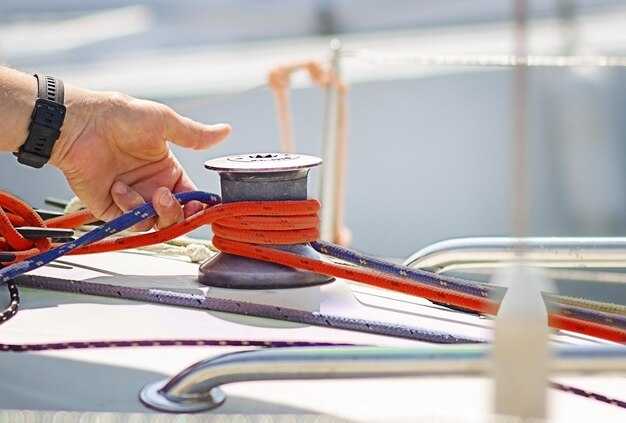
Reef early when a puff approaches; ease the mainsheet to steady the boat and keep the leeward hull from lifting. Set the traveller to the middle to maintain a balanced keel angle, and keep your boats on a close-hauled track with minimal drift. If gusts rise, apply another reef rather than fighting the sail; this approach improves control, reduces excessive heel, and makes the hulls float on pressure rather than slam from a sudden gust. Practically, reading the wind ball by ball gives you the needed edge to react before the next gust arrives.
Read shifts by watching telltales on the luff, the water texture, and shadows moving across the deck. Were gusts forecast, a ball of wind marks the onset of a gust; when you feel it, plan a 1–2 degree trim adjustment and shift weight toward the windward rail to keep both hulls stable. If the leeward hull starts to fall, you probably need more weight on the windward side; if the puff shifts the boat, ease in the sail slightly to preserve heading and speed. Avoid overreaction; small, early corrections beat large swings, and you’ll gain time to set up the next tack. Detail your observations after each gust so you can repeat the best moves.
On a catamaran, weight shifts matter more than you might expect. Move your hips toward the windward rail to keep both hulls afloat when a puff hits; ease the mainsheet for a quick tempo, then re-trim as the breeze shifts. The mainsail traveller lets you keep the mast in column while the keel remains balanced; reefing can be part of the operational plan when wind builds, and you should perform pronto adjustments to the traveller and vang to hold sail shape. Remember: keeping the hulls close to the wind saves distance and increases the benefit of each gust, and resist the temptation to overtrim; collision of sails with the breeze leads to stalls and loss of momentum.
Practical drill and mindset: build a quick decision ladder you can trust during a race or a cruise. Before each gust, check the forecast, then commit to a plan and stick to it; this improves privacy of your action and provides a steady anchor for your crew. In practice, a 5–7 knot swing in wind may require reefing, weight shift, or a slight change of course; measure your speed and note the hull float, detail the heading change versus wind pressure, and log it for the next session. Keep the galley tasks minimal during shifts; the design of your sails and traveller system should support these moves, and the benefit shows in a smoother ride, better velocity, and less stress on the hull and keel.