


 Deutsch
  English (UK)
  Русский
  العربية
  日本語
日本語  한국어
한국어  Magyar
  Türkçe
  Español
  Čeština
  Svenska
  Português
  Ελληνικά
  Suomi
Suomi  Nederlands
  Română
  Italiano
  Français
  Polski
  Українська
  简体中文
简体中文  Slovenčina
 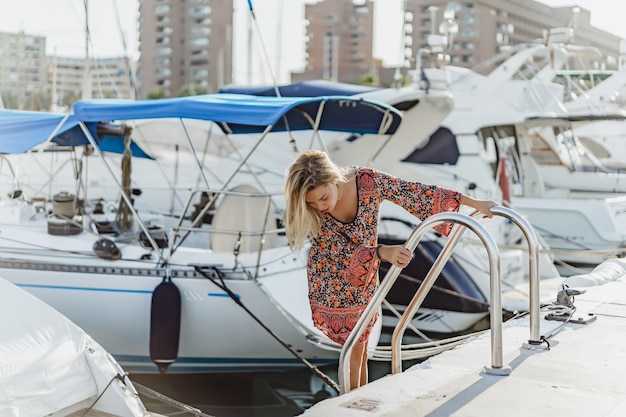 Wie man das beste Winterziel für Ihre Kreuzfahrt oder Bootsmiete auswählt">

Choose montenegro this winter for a compact mix of sun, culture, and smooth sailing. The Adriatic coast offers sheltered bays, a practical marina network, and centuries of trade history that create an authentic sailor’s paradise. There, you can anchor in calm coves, dock at well-equipped marinas, and connect with local charters that keep the experience authentic and accessible.
For a broader European option with consistent sun, the Canary Islands and Madeira provide reliable winter conditions and straightforward provisioning. In December–February, daytime highs hover around 20–24°C in the Canaries, water temperatures near 18°C, and trade winds create predictable afternoon breezes and gentle swells that suit casual charters and families.
When you pick a plan, check dock access, fuel, waste, and repair services in each port. Prioritize protected harbors with well-marked approaches, modern charts, and crewed support options. For American guests, verify visa rules and English-speaking staff at the marina, plus availability of GPS-based charter management tools to simplify check-in and check-out processes.
If your goal is a culturally rich, European-hemisphere experience, Montenegro remains a standout. In low season, you’ll find quiet charters, fewer crowds, and centuries of history in towns like Kotor and Budva. The coast offers endless coves for day trips: you can cruise from Kotor to Perast, then hop to Herceg Novi, exploring centuries-old fortifications and a paradise of seafood, wines, and night markets. For travelers chasing warmer seas, consider the Canary Islands for a diverse landscape, volcanic scenery, and a cruise plan that appeals to families and couples alike.
Set a decision timeline aligned with your boat type, bareboat or crewed, and the port density you prefer. A 5–7 day Montenegro loop fits well in winter, while a 7–10 day Canaries itinerary lets you balance volcanic scenery with sheltered anchorages. If you want broader variety, combine two destinations–Montenegro for culture and the Canaries for warmth–and build buffer days for weather gaps, maintenance, and a relaxed pace.
Dubai Winter Destination: Guide for Cruises and Boat Rentals
Book a 2–4 day Dubai winter cruise starting at Saadiyat Island and looping toward Palm Jumeirah; pick a boat with a licensed captain and flexible itineraries to maximize plage time and reef stops.
Those interested in a perfect balance of comfort and adventure will enjoy a route that stays between city skylines and tranquil anchorages, with pauses near palm-fringed shores and easy access to pristine coves.
During the winter period, expect mild days around 24–28°C and seas calm enough for water-time activities near thatch-roof cabanas and sheltered bays along Saadiyat and the Marina coastline. A light breeze may blow from the north, keeping sailing comfortable without heavy chop.
On this itinerary you can set stops for snorkel-friendly coves, explore nearshore reefs, and sample fresh tuna at coastal markets. You’ll notice endemic sea life around coral outcrops, with clear visibility typical of Dubai’s winter waters and excellent opportunities to observe marine life without crowds.
Dubai functions as the capital of Gulf yachting experiences for yachtsmen, offering private berths, midweek discounts for groups, and options to tailor time aboard to your interests, whether you crave quiet coves or lively harbors.
For perspective, think about Caribbean vibes in places like belizes, taboga, and cienfuegos, but with year-round sun and reliable seas. A Dubai voyage compares favorably to trips to sardinia or Mexico, where crowds can surge during peak periods yet here you can anchor away from the busiest beaches and still enjoy beach-plage experiences along the coast of Saadiyat. In calmer years, you might even spot bora-like breezes sweeping the Gulf during the heavier wind periods, adding a touch of drama without risking safety.
Assess Winter Weather Windows and Sea Conditions in Dubai
Book the January–February window for Dubai, when sunshine is reliably warm and sea conditions stay moderate, delivering the best balance for a cruise or boat rental. Daytime highs generally reach 24–26°C, and sea temperatures hover around 21–23°C, making a swim comfortable for 20–40 minutes. Winds stay light to moderate on most days, about 5–15 knots near the coast, with occasional shamal bursts that can push gusts higher for a day or two. Rainfall remains low, and plentiful sunshine dominates, creating crystal water and ample opportunities to enjoy the coast.
Plan around mornings when air and sea are calmer; speeds of rental vessels stay within comfortable ranges, roughly 6–12 knots for typical trips. Generally, sheltered bays near Dubai Marina or Palm Jumeirah keep you close to shore, while a short hop farther out reveals stunning, colorful seabed life. Experienced captains know how to handle gusts from Shamal winds that can whip up chop, so have a plan to seek a protected inlet if winds exceed 20 knots. Nosy forecasts aside, rely on official updates and stay flexible.
Contrasts with anegada, whose uninhabited coves offer a different pace, show how Dubai remains within easy reach of city amenities. Locals and guides have learned to read the subtleties of winter patterns, and in sheltered lagoons you may spot whipray gliding over the sandy flats, while the coastline returns with crystal water and sun-kissed backdrops. The fact remains: winter days in Dubai stay sunny, making it easy to enjoy snorkeling, short cruises, and long, crystal-clear views.
Practical tips to optimize your trip: check a 7–14 day forecast before you go, note wind direction, and choose early-morning departures to catch the lightest chop. Anchor in a protected bay to stay close to shore, and have a contingency for a quick inland retreat if wind picks up. With ample sunshine and mild temperatures, you’ll find you can swim, explore, and relax without rushing. Been doing this for years, I’ve learned that even a compact itinerary offers stunning coastline views and a smooth ride, letting you enjoy the countryside and city at once. If you’re planning with friends or family, you’ll appreciate how quickly the day can shift from calm to colorful as the sun dips, while the whipray and other wildlife remind you to stay alert and seize moments of tranquility.
Choose Your Charter Type: Luxury Yacht, Day Boat, or Full-Cruise Package
Choose Luxury Yacht for winter escapes when you crave privacy, impeccable service, and calmer seas. In fuerteventura and other tropical locations, you gain consistent schedules and access to secluded coves, with chances to see endemic wildlife such as barracuda offshore and to visit thatch-roof bars on nearby cays. The heart of the itinerary rests in eden bays, where exploring on clear mornings and sunsets over the horizon create a memorable week aboard, with the crew handling provisioning and routes.
Day Boat suits a shorter, flexible plan, ideal for a close-knit group or family that wants exploring without a long charter. You anchor at calmer inlets, dip into nearby coves, and switch spots with ease across a week or fewer days. This option keeps the craft clean, the onboard dining simple, and the captain’s updates timely as you watch wildlife, enjoy tropical views, and end evenings on deck while exploring new shores.
Full-Cruise Package serves longer routes and multi-location sequences. Stitch together locations along cays and coastal lagoons while navigating under northeasterly winds that tend to steady in winter. This plan suits african coastlines, eden lagoons, and ample wildlife encounters, from dolphins to endemic birds. Onboard luxury remains high, with options to slip ashore for an inland lodge stay or to linger aboard under still skies, as you are exploring new anchors.
Choosing plan requires a few checks: pace, days you can allocate, and shoreline preferences. If you want the richest mix of privacy and facilities, a Luxury Yacht or Full-Cruise Package fits; if you want maximum flexibility with minimal commitment, a Day Boat excels. In march, plan for quieter anchorages along fuerteventura and nearby tropical coves; calmer seas help wildlife viewing and inshore exploring.
Finalize with your broker by listing must-haves: guests count, preferred locations, onboard amenities, and shore-time balance. Use these anchors to compare offers, and aim for a route that blends wildlife encounters with eden sunsets. regards
Understand Docking, Permits, and Insurance for Dubai Waters
Get docking confirmed with a UAE-licensed marina and secure permits at least four weeks before travel. This preventive step avoids delays during the busy period and ensures you can explore the Dubai coastline with confidence, enjoying the scenery and the experience of modern harbour facilities.
Dubai is known for strict regulatory checks, which means youll need a dock contract, vessel particulars, crew certificates, and an up-to-date insurance certificate before you set sail. If you’re comparing routes from belizes or mexico, the process remains consistent for Dubai waters, with local authorities coordinating trade and port services for sailors and travel operators. Only licensed operators can arrange docking and permit processing.
Docking choices include permanent slips or guest berths. Check dock depth, tidal swing, shore power, water access, security, lighting, and proximity to crew facilities. Ask the marina about northeasterly wind tolerance and shelter for your draft, and confirm any access restrictions in the zone around the docking area. Remember the Eden-like calm of a well-protected berth can boost your experience, and some docks offer sunset scenery that makes the trip memorable. Parham arrangements may help if you need a backup plan.
Permits require a voyage plan, crew list, vessel particulars, and proof of insurance. Youll submit these through the official portal and wait for approval; processing times generally range from 7 to 14 days, but peak periods can extend it. Forget rushed decisions: plan ahead, and have backup options in case a port changes its schedule.
Insurance should cover third-party liability for Dubai waters and hull coverage if you operate a rental or charter. Verify P&I terms, medical coverage for crew, and any limits on activities such as diving or towing. Ensure your policy extends to international travel and any planned anchors or moorings. If you work with a parham-based agent, they can help tailor coverage for your route and duration.
On safety and compliance, check no-anchoring or no-fishing zones near protected nature reserves, and respect wildlife–marine animals and species alike. Know the parts of the coast you intend to visit, and align your plan with the local rules. Keep a clear log to support any claims during travel, and remember that a well-structured permit and insurance package offers the best eden-like protection for a worry-free voyage. If you decide to extend your route toward other regions (belizes, mexico), carry updated documents and verify border requirements before entering new zones. Also, pack essential tools–except for hatchet or other edged tools that are not allowed on board unless properly stored and declared.
| Step | What to Prepare | Timeframe | Anmerkungen |
|---|---|---|---|
| Docking Confirmation | Dock contract; marina booking; vessel details; crew list | 7–14 days | Confirm berth type and depth; inquire about northeasterly wind shelter; only licensed operators handle docking. |
| Permits | Voyage plan; crew list; vessel particulars; insurance proof | 7–14 days | Submit via official portal; process varies by period; have backup routes if needed. |
| Insurance Verification | Third-party liability; hull; P&I; medical coverage | 5–10 days | Ensure coverage for Dubai waters and rental operations; verify deductibles and inclusions. |
| Documentation & Compliance | Passports; vessel docs; local agent contacts | Ongoing | Keep digital and printed copies; verify no-entry zones; document safety gear |
| Arrival & Handover | Kontrollen vor Ort; Sicherheitsausrüstung; Anlegebereitschaft | Anreisetag | Abstimmung mit dem Hafenpersonal; Überprüfung von Fischereiverbotszonen und Naturschutzbestimmungen. |
Reiseplan: Dubai Marina, Palm Jumeirah und Tagesausflüge zum Golf

Buche eine dreiteilige Reiseroute, die mit einem morgendlichen Segeltörn von Dubai Marina beginnt, mit einer Schleife um Palm Jumeirah fortgesetzt wird und mit einem Tagesausflug zum Golf in nahegelegene Städte endet. Sie ist aufregend und ausgewogen und bietet ein ruhiges Tempo mit weniger Transfers und direktem Zugang zur Natur.
Mieten Sie in Dubai Marina ein leichtes Schiff für eine 2- bis 3-stündige Segelfahrt entlang der Skyline. Erwarten Sie Winde, die die Gischt in Richtung Ufer treiben, klares Wasser und eine entspannte, freundliche Atmosphäre. Wenn eine Veranstaltung am Abend stattfindet, wirken die Lichter der Marina noch dramatischer.
Palm Jumeirah bietet ein geschütztes Erlebnis mit einer Runde um die Palmenwedel per Wassertaxi, einem Spaziergang am Ufer und Sonnenuntergangsansichten über den Golf. Die Route bietet ähnliche Vibes wie Küstenfahrten, besonders wenn das Licht auf das Wasser trifft und einen kalifornischen Glanz inmitten des Tages erzeugt.
Golf-Tagesausflüge eröffnen Möglichkeiten nach Ras al Khaimah, Fujairah und in die Golfstädte von Sharjah, mit wenig Andrang und vielen kleinen Buchten. An ruhigen Morgen begegnen Sie geschützten Korallenriffen und natürlicher Landschaft, mit Möglichkeiten zum Schnorcheln oder entspannten Uferpausen.
Cleveres Packen – leichte Schichten, Sonnencreme und Wasser – sorgt für Komfort auf See und an Land. Wählen Sie ein Schiff mit Schatten, planen Sie Tageslichtstunden ein und räumen Sie flexible Zeit für einen überraschenden Stopp in einer kleinen Küstenstadt oder eine Kaffeepause mit Golfblick ein. Wenn Sie neugierig auf das Schnorcheln im Belize-Stil sind, bieten viele Anbieter sichere Riffoptionen entlang der Küste an; dieses Erlebnis bleibt leicht, freudig und unvergesslich. Vielen Dank für die Planung mit uns. Mit freundlichen Grüßen.
Clever budgetieren: Preise, Inklusivleistungen und versteckte Kosten für Charter in Dubai
Legen Sie ein festes Tageslimit fest, und fordern Sie von drei Anbietern detaillierte Angebote an, um einen fairen Preis zu erzielen. Verlangen Sie zu Ihrem Vorteil ein klar verfasstes Paket, das die tatsächlich genutzten Leistungen enthält, und vergleichen Sie Angebote von Anbietern in Dubai Marina, Palm Jumeirah und Jumeirah Beach.
Die Preise und was Sie erwarten können, werden durch die Bootsgröße, die Saison und den Servicegrad beeinflusst. Für eine 40–60 Fuß lange Motoryacht mit Besatzung liegt ein 5–8-stündiger Tag typischerweise zwischen 1.000 und 2.000 USD. Ein 60–80 Fuß langes Modell liegt im gleichen Zeitraum normalerweise zwischen 2.500 und 5.000 USD, während Luxusyachten mit über 80 Fuß oft bei etwa 6.000 USD pro Tag beginnen und an Wochenenden oder in der Hochsaison 12.000 USD übersteigen können. Im Winter bleiben die Temperaturen im Allgemeinen angenehm für die Zeit im Freien, mit Tageshöchsttemperaturen um die 24–28 °C und einer ruhigen See, die aufregende Küstenrouten in Küstennähe ermöglicht. Wenn Sie Dubai mit Orten wie Lanzarote oder Nassau vergleichen, beachten Sie, dass Dubai-Pakete in der Regel Crew, Sicherheitsausrüstung und Basiskraftstoff beinhalten, die endgültigen Angebote jedoch aufgrund von Genehmigungsgebühren und Hafengebühren abweichen können.
Was die Rate beinhaltet
- Inklusive: Kapitän und Besatzung, Sicherheitsausrüstung, grundlegende Treibstoffzulage für die geplante Strecke, Mineralwasser, Erfrischungsgetränke, Eis, Handtücher, Schnorchelausrüstung und Schwimmwesten.
- Die meisten Pakete decken die grundlegenden Hafengebühren und üblichen Hafensteuern ab.
- Optionale Köche, Wasserspielzeuge und Premium-Catering können hinzugefügt werden, oft mit einem angegebenen Preis pro Person oder pro Stunde.
- Zuschläge sind selten im Grundpreis enthalten. Klären Sie daher, wie diese berechnet werden und ob sie für die gewählte Zone gelten.
Versteckte Kosten beim Zuschauen
- Kraftstoffmehrverbrauch über die Basislinie hinaus: Hoher Verbrauch oder Langstrecken können die Rechnung in die Höhe treiben – verhandeln Sie gegebenenfalls eine Obergrenze für die Kraftstoffpauschale.
- Anlege-, Hafen- und Tourismusabgaben außerhalb des Basispakets, insbesondere für beliebte Zonen oder besondere Veranstaltungen.
- Trinkgelder für die Crew, üblicherweise 5–15 % des Charterpreises, die am Ende der Reise direkt an die Crew gezahlt werden.
- Chef- oder Catering-Zuschläge, ausgewiesene Wassersportausrüstung und zusätzliche Handtücher oder Ausrüstungsverleihe.
- Genehmigungsgebühren für Meeresschutzgebiete oder Wildreservate, in denen Sie schnorcheln oder ankern möchten; diese werden manchmal separat erhoben.
- Für WLAN, Premium-Unterhaltung oder Satellitendienste können auf Anfrage zusätzliche Tages- oder Stundengebühren anfallen.
- Übernachtungs- oder Ankergebühren, falls Sie über einen standardmäßigen Tagescharter hinaus verlängern.
So schützen Sie Ihr Budget
- Bitten Sie um ein detailliertes, schriftliches Angebot, das Grundpreis, Inklusivleistungen und alle potenziellen Extras separat ausweist.
- Fordern Sie einen festen Tankdeckel und eine klare Stundengrenze für längere Fahrten innerhalb der Zone an.
- Bevorzugen Sie All-inclusive-Pakete, die Crew, Treibstoff, Wasser, Snacks und grundlegende Ausrüstung abdecken; das reduziert Überraschungen, ähnlich wie ein Angebots-Deal, der mit Ihrem Plan übereinstimmt.
- Wählen Sie Reiserouten in geschützten oder klar abgegrenzten Zonen, um Genehmigungs- und Ankergebühren zu minimieren; bitten Sie den Betreiber, eine Route zu planen, die innerhalb einer einzigen Zone verläuft, um die Kosten zu vereinfachen.
- Anbieterprüfung: Vergleichen Sie drei Betreiber aus verschiedenen Bezirken (z. B. näher an Dubai Marina im Vergleich zu einer Basis auf Palm Jumeirah), um festzustellen, was einheitlich enthalten ist.
- Erkundigen Sie sich nach saisonalen Zuschlägen und ob diese an Feiertagen oder Wochenenden anfallen, wenn die Preise in der Regel steigen.
- Bevorzugen Sie einen Kapitän mit einer transparenten Historie des Treibstoffverbrauchs; ein kompetenter Schiffsführer wie Captain Parham kann Routen im Hinblick auf Effizienz optimieren und so den Treibstoffverbrauch senken, ohne die Sicherheit zu beeinträchtigen.
Praktisches Budgetierungsbeispiel
- Kleine bis mittelgroße Tagescharter (5–8 Stunden): 1.500–3.500 USD inklusive Besatzung und Standardkraftstoff.
- Mittelgroßer Rahmen mit Catering-Optionen: 3.000–6.000 USD pro Tag, abhängig von Route und Gästezahl.
- Luxus-Superyacht: 8.000–15.000+ USD, mit massgeschneidertem Catering und Premium-Spielzeug; in der Hochsaison steigen die Preise.
Um Ihre Zeit optimal zu nutzen, wählen Sie einen Plan, der Ihren Zielen entspricht – endlose Küstenansichten, Schnorcheln in klarem Wasser mit Möglichkeiten zur Beobachtung von Riffhaien oder eine kosmopolitische Kreuzfahrt vorbei an ikonischen Wahrzeichen. Wenn Sie Optionen abwägen, beachten Sie, dass die meisten europäischen Servicestandards bei französisch geführten Crews oder zweisprachigen Teams zu finden sind, was sich oft in einer reibungsloseren Kommunikation und klareren Erwartungen für den Tag niederschlägt. Innerhalb des Dubai-Chartermarktes bieten viele Betreiber in Küstennähe flexible Reiserouten an, die auf eine kürzere oder längere Erfahrung zugeschnitten werden können, während gleichzeitig das Budget unter Kontrolle gehalten wird. Vielen Dank für Ihre sorgfältige Planung – Ihre Gäste werden die Klarheit zu schätzen wissen, und Sie vermeiden überteuerte Überraschungen beim Mitnehmen und genießen dennoch eine aufregende und sichere Reise. Mit freundlichen Grüßen.