


 Deutsch
  English (UK)
  Русский
  العربية
  日本語
日本語  한국어
한국어  Magyar
  Türkçe
  Español
  Čeština
  Svenska
  Português
  Ελληνικά
  Suomi
Suomi  Nederlands
  Română
  Italiano
  Français
  Polski
  Українська
  简体中文
简体中文  Slovenčina
 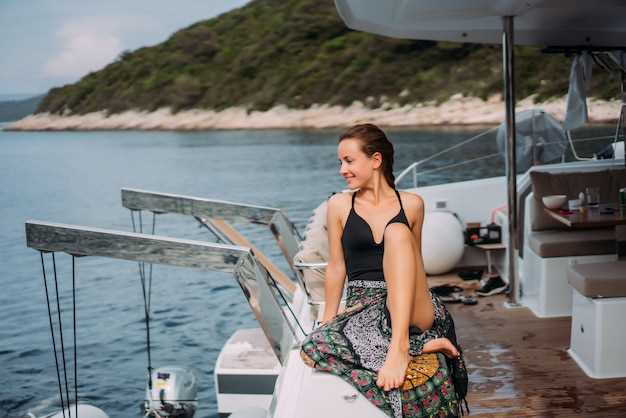 Greece Yacht Charter – Dream Sailing Vacation in the Greek Islands">
Book a charter from kefalonia to paxos this april to lock in pleasants weather, calm seas, and a memorable sunset. Your crew crafts itineraries that fit your pace, starting from corfu or other Ionian ports and weaving beach stops with meals at tavernas overlooking the water.
Head toward a flexible Ionian loop that includes corfu, kefalonia, paxos, and nearby isles, with afternoon sails, sheltered bays, and beachside lunches. Your captain can uncover hidden coves, and a stop at a hillside market may yield fresh apple pastries and olive oil tastings.
For couples seeking romance, choose calmer days and anchor near a white-sand beach at sunset, then drift into a sheltered inlet for a late swim. The route can include Corfu old town, Paxos olive groves, and Kefalonia’s dramatic coastline, with april air around 15–20°C and sea temperatures in the mid-teens.
Practical notes: plan a 7- to 10-day charter, with 6–8 stops, to sample multiple anchors and beaches. Book early in april for best berthing on Corfu and Paxos harbors; expect wind around 8–18 knots in the Ionian in late spring, and plan for afternoon breezes that build toward sunset. Include a barge transfer to a shore base if you want a land day, and head back with memories of crystal water, tavern meals, and a calm, tailored itinerary.
Practical planning for a Greece yacht charter and Scorpion Bay Marina stop
Book berths at Scorpion Bay Marina well in advance and confirm the plan with your skipper. Gather a clear quote on marina fees and fuel, and map the route with a focus on greece and the Scorpion Bay leg, so you have contingencies about weather shifts during the week.
In greece, base your start in the saronic gulf and design an itinerary with short hops to crystal bays and sheltered coves. Include snorkeling and watersports on calm days, with a hilly coastline that gives dramatic scenery. Begin each day with a simple course of navigation, check the weather forecast, and keep the open waters as a flexible option if you want to extend for another day.
Choose the type of charter that fits your crew: bareboat or skipper-led. If you spend time sailing, a skipper helps with local knowledge and safety, and you can focus on the best snorkeling spots, temple visits on land, and great scenery. For provisioning, book ahead, including a grocery list; watch for large supermarkets in port; bring apple snacks for midday breaks; ask these questions to a broker or crew: what’s the prevailing wind window, which anchorages are best for overnight, and what is Scorpion Bay Marina’s recommended slip?
On the marine side, plan open-water crossings with a clear safety course and a home-port rhythm. Use marine charts and a reliable VHF radio, and keep a spare apple for the crew if someone needs a quick boost. youll appreciate the crystal water, the open horizons, and the long days of summer cruising with smooth seas. These tips cover much of the prep.
Ideal charter window: seasons, winds, and optimal sailing days in the Cyclades, Dodecanese, and Ionian

Recommendation: plan Cyclades in May or September; Ionian from May through October; Dodecanese in May–June or September.
These windows balance reliable winds, warm seas, and plenty of sailing days between beach stops. If youve never sailed these waters, consider a skipper-led itinerary to maximize safety and freedom aboard well-maintained yachts. This guidance is based on seasonal patterns and reliable weather data; источник at Greek boating authorities confirms the same trends.
-
Cyclades
- Seasonal window: May–June and September–October offer 12–22 knot northerlies and pleasant seas; July and August bring stronger Meltemi (20–30+ knots) and busier marinas, so plan shorter hops with more time ashore.
- Optimal sailing days: 4–6 hours per day, 2–3 legs between Paros, Naxos, Mykonos, Santorini, and Milos; choose overnight stops near quiet beaches like Paros or Milos when possible.
- Practical notes: book ahead if you want a specific yacht or skipper; prices rise in July–August, but shoulder seasons still offer good value. For a relaxing itinerary, base your route on wind directions and sea state; you’ll enjoy the freedom to adjust each day based on weather forecasts and your mood.
-
Dodecanese
- Seasonal window: May–June and September–October are ideal; July–August can be hot and crowded, yet offer reliable sunshine for island hopping.
- Winds and seas: typically 10–20 knots from northeast to west, with gentler days than the Cyclades; sheltered hops around Rhodes, Kos, Symi, Kalymnos, and Patmos suit first-time skippers and experienced crews alike.
- Optimal sailing days: 5–7 days lets you cover several islands with comfortable hops (Rhodes→Kos→Symi→Leros is a classic sequence); minimal tidal variation simplifies planning and anchor choices near beaches.
- Bookings and budget: shoulder seasons often deliver better values; consider a yacht with reliable Yamaha engines and a capable skipper to ensure steady performance on longer legs.
-
Ionian
- Seasonal window: May–October provides the most consistent sailing; late spring and early autumn offer lighter crowds and calmer harbors.
- Winds and seas: NW to W winds typically 12–25 knots, with excellent sea conditions for long hops among Corfu, Lefkada, Ithaca, Kefalonia, Zakynthos, and Paxos.
- Optimal sailing days: 6–8 days let you explore multiple islands, including Lefkada–(swim stops at Meganisi and Skorpios), Ithaca’s coves, and Kefalonia’s beaches; tidal ranges are minimal, simplifying timing for night anchors.
- Practical notes: in Ionian weather windows you’ll find generous daily mileage options; bookings are flexible, and prices vary by week and boat size. If you love beach days and island culture, this is your strongest option for a well-balanced charter.
Tip для planning: start each leg early, use morning sails when wind is light, and spend afternoons relaxing on warm beaches. A skilled skipper adds safety and enables you to focus on the scenery, the local greek hospitality, and the islands you love. For a smooth sequence, map your route around favorable winds, then adjust next legs based on forecasts and local conditions.
Choosing the right yacht: crewed vs bareboat, size, layout, and guest comfort
Recommendation: For most groups, select a crewed yacht around 60–80 ft with 3–4 cabins and a captain plus crew; this setup saves time, keeps you relaxed on deck, and allows access to scenic spots across greece with smooth reservations for meals and watersports gear.
- Crewed yacht: includes captain and crew who manage routing, port plans, provisioning, and watersports gear. A crewed charter delivers smooth handling in variable wind conditions; you gain the freedom to wander between prime spots and explore athens mythology sites, while the crew coordinates meals, tender rides, and dock reservations. Typical weekly rate ranges from about 8,000–25,000 EUR in peak season, depending on size and deck space.
- Bareboat: fits experienced sailors who want full control and a lower weekly price. You handle provisioning, navigation, and safety; a valid license and local knowledge are required, especially during busy periods. In greece, bareboat weekly rates commonly span 3,000–8,000 EUR for 2–4 cabin boats, with larger catamarans reaching 10,000 EUR or more.
Size and layout
- 2–4 guests: a 2-cabin monohull or small catamaran offers comfortable sleeping and a practical galley; a compact interior with two en-suite heads and a good flow between salon and cockpit keeps comfort high.
- 6–8 guests: a yacht with 3–4 cabins on a mid-size monohull or a larger catamaran delivers ample space; a wide aft deck and forward sun deck maximize daily relax time; ensure one master cabin with a larger bath to boost comfort.
- Layout emphasis: consider cabin locations (mid-ship reduces engine noise) and smooth transitions between salon, galley, and cockpit to support easy social time.
Guest comfort and deck design
- Air conditioning and quiet generators help nights stay restful; en-suite baths and good water pressure raise the comfort level.
- Deck spaces include a wide aft cockpit for alfresco meals, a broad sun deck, and a shaded lounge on the foredeck; water toys such as snorkel gear, paddle boards, and a tender broaden daily options; oyster treats on deck during a coastal lunch add a tasty local touch.
- Accessibility matters: choose a yacht with a stable swim platform and easy water access for guests of all ages; hilly coastlines in the aegean highlight the need for calm anchorages and protected moorings.
Planning and reservations tips
- Set your time window and group size to pick cabin count and layout; align with a captain who can refine the route to maximize sunlit hours and scenic bays.
- Account for wind patterns and sea states typical for the season; some months bring steadier winds that improve sailing speed and reduce crowding.
- Use athens as a starting point to access mythology-rich islands and to ease reservations; from athens you can reach the Saronic Gulf quickly and then hop to the Cyclades.
- Secure reservations well in advance during peak season; discuss preferred anchorages, ports of call, and a flexible daily schedule with the captain, so the plan aligns with weather and your wishes.
- Work with the crew on meals and activities to maximize time on water; a good chef can prepare seafood dishes and seasonal specialties that highlight the region, including oyster treats when available.
Itinerary planning: top routes, anchorages, and must-see islands near Scorpion Bay Marina
Plan a 6-day coastal loop from Scorpion Bay Marina, weaving Kefalonia, Ithaca, and nearby islets into an easy, epic trip. youll enjoy calm mornings, lively afternoon sails, and anchorages that let you uncover hidden coves, beautiful beaches, and ancient ruins. Start with Kefalonia’s southern bays, drop anchor in a large cove, and dine at tavernas ashore before nights on deck back at Scorpion Bay.
Two principal itineraries optimize navigation and time. Route A keeps you in the Ionian core: Scorpion Bay Marina → Kefalonia’s south coast → Ithaca and its coves, then return along the same path. Route B adds a longer stretch to Lefkada and Meganisi for easy beach days and cliff climbs that reward you with epic views. Book ahead for berths, and you can find quiet anchorages with protection from afternoon winds.
Anchorages worth locking in include a large, protected cove on Kefalonia with a sandy beach and good shade. Another quiet inlet near Ithaca offers a simple pier for dinghy trips to a hillside tavern, where you can sample fresh seafood. In all, these anchorages provide easy entry, clear bottom, and relatively shallow depths ideal for a mid-size sailboat.
Must-see islands near Scorpion Bay include Kefalonia for dramatic cliffs and Myrtos Beach, Ithaca for coves and ancient legends, and Paxos for idyllic anchorages and tavernas. From athens you can book a domestic flight to Kefalonia or a fast ferry to Ithaca to begin this loop. This coast is a gem of greece.
Best windows for this plan are late May to early June or September, when the weather is forgiving and crowds are lighter. Plan afternoon sails to catch a steady breeze, then spend nights in a sheltered cove or a small quay. Each day offers something different: climb a hill for a coastal panorama, dive into turquoise coves, or simply stroll a village waterfront and find a tavern with a sunset view.
To find the itineraries that fit your pace, check Scorpion Bay Marina’s guest desk and local sailing clubs. You can book a berth, map a route on a large navigation display, and choose destinations that align with your dream Greece escape. When you return, youll have a back pocket of memories from a beautiful, idyllic coast that blends ancient history, epic scenery, and easy access to beaches, coves, and tavernas.
Reservation, costs, and contracts: deposits, insurance, port fees, and cancellation terms
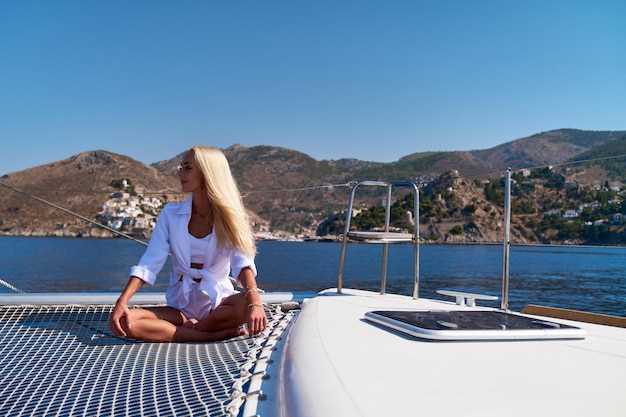
Secure your charter with a written contract and a 25-30% upfront deposit to lock dates and limit risk of price changes.
When you sign, ensure the document specifies who sails, what is included, and the charging rules. List crew details, fuel, water, towels, provisioning, and shore support. Clarify that marina dues or port charges are not included unless noted, and note any local taxes and payment terms.
Deposit schedule: A typical pattern calls for 20-40% at contract signing, with the balance due 30-60 days before the charter starts. Use a secure payment method and request written confirmation of all amounts and dates.
Cancellation terms: If you cancel more than sixty days before the start date, you recover a portion of the prepaid amount; if the cancellation happens 30-60 days prior, refunds are reduced; within 30 days, the prepaid portion is usually nonrefundable. Ask for a separate rider that covers force majeure events.
Insurance: Consider hull and liability coverage for the vessel, plus cancellation protection from a separate policy. Verify what is covered (weather disruptions, medical costs, and third‑party damages) and confirm how claims are paid, whether directly to the operator or to the insurer.
Port fees and additional costs: Port dues and marina charges are typically charged per day and vary by port and season. In popular Greek areas, expect about 50-120 EUR daily for small yachts, and 150-300 EUR daily for mid‑sized vessels. Some operators include these fees in the base rate; others itemize them separately. Request an itemized quote in EUR to compare accurately.
Practical tips: Ask for a transparent cost plan that lists fuel, provisioning, port charges, and any crew gratuities. If you travel with a group, confirm whether a single vessel can accommodate all guests or if you should consider a second craft. For snorkel gear and other water activities, check whether equipment is provided or rented and whether it adds to costs.
Documentation and refunds: Maintain digital copies of all agreements and the insurer’s contact details. Before signatures, review the terms carefully and confirm that all figures are in EUR. Use the written records to avoid disputes later.
Onboard prep: provisioning, safety gear, local regulations, and etiquette ashore
Plan provisioning a day ahead and lock in mooring bookings for the weekend. In the Ionian and Heptanese routes, markets operate in the morning and early afternoon; stock non-perishables plus fresh produce like bread, feta, olives, tomatoes, and cucumbers, with a small cooler for dairy and seafood. For couples seeking a relaxing summer escape, pre-plan quick meals and reserve two waterfront moorings in scenic coves ahead of time. If you enjoy oyster dishes, buy them only when you can keep them cold and use them within the same day. Today’s planning saves time for water views, afternoon swims, and love for the islands. If you need to moor, choose a sheltered cove. Next steps: confirm all bookings and double-check access for sailboats in busy harbors. Things to check before departure include weather, tides, and navigational lights. If you have questions about where to shop, ask the harbor master.
Safety gear stays accessible. Each person wears a life jacket when underway; keep at least one throwable device within arm’s reach. A marine-grade fire extinguisher, a well-stocked first-aid kit, a VHF radio (channel 16 for emergencies), navigational charts or a reliable app, and a functional bilge pump sit near the companionway. Verify fenders, lines, anchors, and spare parts before casting off; check gas cylinders and hoses; store flares in a dry place and replace expired items. Quick checks in the afternoon before departure save trouble for the next leg.
Local regulations vary by island, but common rules include using designated moorings or marinas, avoiding unprotected coves during siesta hours, and carrying mandatory documents. When fueling, follow station instructions and avoid refueling near water sources. Fees apply for moorings, marinas, and some anchorage zones; always confirm bookings and rates before arrival to avoid surprises. Regional differences exist–differ between bays with strict protected status and open-water routes with fewer restrictions. Stay informed via port authorities and keep a small laminated card with local regulations in the cockpit.
Etiquette ashore keeps a relaxing pace. Respect local customs and property; greet harbor masters and dock crews, and ask permission before landing in private coves or stepping ashore near fishermen’s nets. Tidy up after meals and dispose of waste in designated bins; avoid loud music in afternoon hours; dress appropriately for churches or village visits; tipping is appreciated but not mandatory; when sharing moorings, coordinate with other crews to keep access clear and share lines smoothly.
| Category | Items to have | Practical tips |
|---|---|---|
| Provisioning | Non-perishables, bread, feta, olives, tomatoes, cucumbers, water, dairy/seafood cooler, quick-dish ideas | Visit morning markets in the Ionian and Heptanese; plan 2–3 days of meals; consider oyster dishes only if you can chill and use them soon |
| Fangvorrichtung | Life jackets for all, throwable device, fire extinguisher, first-aid kit, VHF, navigation charts or app, bilge pump, fenders, lines | Check expiry; keep accessible; run quick checks before each leg |
| Local regulations | Anchoring rules, mooring permissions, waste disposal, fuel rules, fees | Use official moorings when possible; respect protected coves; confirm bookings and fees in advance |
| Etiquette ashore | Respectful dress, quiet behavior, trash-free areas, harbor etiquette | Ask before approaching private beaches; greet locals; dispose of waste properly; coordinate with others when mooring |