


 Deutsch
  English (UK)
  Русский
  العربية
  日本語
日本語  한국어
한국어  Magyar
  Türkçe
  Español
  Čeština
  Svenska
  Português
  Ελληνικά
  Suomi
Suomi  Nederlands
  Română
  Italiano
  Français
  Polski
  Українська
  简体中文
简体中文  Slovenčina
 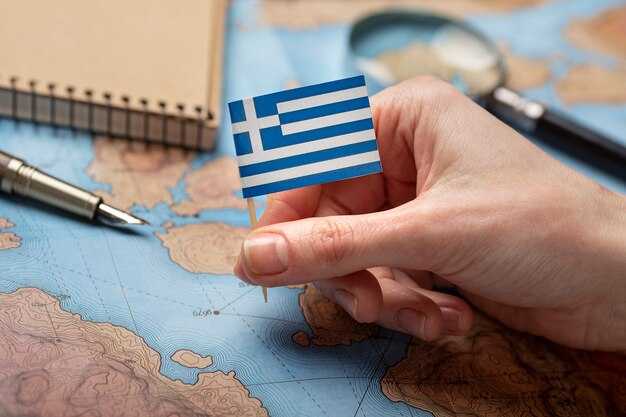 Griechenland aktualisiert Charterbestimmungen für ausländische Schiffe – Wichtige Änderungen für Betreiber">

Empfohlene Massnahme: Beauftragen Sie einen qualifizierten lokalen Broker, um die Identität des Schiffes zu überprüfen und sicherzustellen, dass die Besitz- und Eigentumsdokumente bei den Behörden registriert sind, bevor Sie ins Ausland chartern. Richten Sie den Front-Office-Workflow mit den hellenischen Regeln ab und bereiten Sie einen service Plan für Hafentermine, der klare Zollverfahren während ruhiger Morgenstunden in Mykonos beinhaltet.
Ab dieser Saison verlangen die Behörden eine formale Operatoridentität für ausländische Charter und eine verifizierte Einheitsakte. Sie müssen eine bereitstellen, unverzüglich. certificate oder permit ausgestellt von den griechischen Behörden, bestätigen die registered der Eigentümer und holding Unternehmen, und zeigen Sie die grenzüberschreitende Validierung, falls Operationen Boote beinhalten, die im Ausland stationiert sind. Der Prozess betrifft motor Yachten sowie others Gefäße, und erfordert eine enge Koordination mit Zoll für Reisen, die in benachbarten Häfen beginnen. Die Änderungen gelten ab sofort und betreffen sowohl Motoryachten als auch andere. Die Betreiber wurden angewiesen, die Dokumentation vor ihrer ersten Charter vorzubereiten.
Praktische Schritte für Betreiber umfassen die Bestellung eines local Kontakt in Mykonos für Gastbetreuung, Dockage-Koordination und Zoll Freigabe; erstellen Sie eine Akte über das Schiff’s Identität, the registered Besitzer, und die holding Unternehmen; dokumentieren Sie unit das jeden Charter und die Änderungen der Reiseroute durch Symi und verfolgt. mykonos ports; for croatian Besatzungen, bereiten Visa- und Arbeitserlaubnisunterlagen vor und bestätigen die Einhaltung der Vorschriften der griechischen Behörden. Dieser Ansatz wurde entwickelt, um Verzögerungen bei Inspektionen zu reduzieren.
Die nächsten Schritte umfassen die Pflege eines kontinuierlich aktualisierten Compliance-Kalenders, die Schulung der Besatzungen in den aktualisierten Verfahren und die Führung von Borddokumentationen zu service Interaktionen mit Hafenbehörden und Zoll während der Saison. Erstellen Sie einen Schnellreaktionsplan für angrenzende Hafenbesuche und stellen Sie sicher, dass Ihre Papierkram die neuesten griechischen Richtlinien widerspiegelt, damit die Inspektionen in jedem Hafen in Symi, Mykonos und anderen beliebten Knotenpunkten reibungslos verlaufen. Für Routen, die einschließen symi Aufgabennotizen, stellen Sie sicher, dass die Dokumentation beide Schreibweisen abdeckt.
Allgemeine Regeln
Bestätigen Sie die Liegeplatzreservierung immer mit dem Gouvia Marina vor der Ankunft, um einen Liegeplatz zu sichern und Abendverzögerungen zu vermeiden. Für Yachtoperationen ist dies ein wichtiger Planungsschritt das den Ton Ihrer Charta setzt und Besatzung und Eigner zuversichtlich hält.
Bereiten Sie die dekpas-Freigabe vor und pflegen Sie genaue Seeleute-Manifeste. Stellen Sie sicher, dass alle Besatzungsdokumente mit übereinstimmen schengen regeln und Anforderungen an den Flaggenzustand und bewahren Sie digitale Kopien auf.
Bericht an die Hafenbehörden mit klaren Kontrollen und Checklisten. Erfüllt das Schiff die Sicherheitsstandards, und sind Rettungsflossen, Feuerlöschgeräte und UKW-Radio aktuell? Aktualisieren Sie Ihren Kursplan für die Etappe zur Insel Korfu, um lokale Einschränkungen zu berücksichtigen.
Anlegen in Gouvia erfordert einen Eigentumsnachweis und gültige Hafengebühren; stellen Sie sicher, dass Sie einen ausreichenden Liegeplatz planen und vermeiden Sie flache, überfüllte Stegseiten.
Die Kosten variieren je nach Saison; planen Sie ein Budget für major Marina-Gebühren, Lotsendienst und Crew-Welfare; eine klare Liste hilft Ihnen, den Kostenrahmen zu kontrollieren.
Abendliche Ankünfte können längere Kontrollen erfordern; haben Sie einen einfachen Halteflugplan und eine vorbereitete offer von alternativen Liegeplätzen.
Führen Sie ein einziges Protokoll und standardisierte Verfahrensanweisungen für Yachtbetriebsaktivitäten; dies hilft Behörden, die Einhaltung über alle Kanäle hinweg zu verfolgen.
Bedingungen auf den Inselrouten, Wetter, Seegang und Hafeneinschränkungen können sich schnell ändern; überprüfen Sie die täglichen Vorhersagen und passen Sie sich bei ruhigem, flachem Wasser an, wann immer dies möglich ist.
Wer ist von den neuen Regeln für die Fremdenflaggenbecharterung betroffen?
Wenn Sie ein Schiff mit ausländischer Flagge für die Zeitcharter in griechischen Gewässern betreiben, überprüfen Sie jetzt die Einhaltung der Vorschriften und passen Sie eine Einheit entsprechend den 7-Tage-Deal-Vorlagen an. Diese Änderungen dürfen nicht ignoriert werden, und Sie profitieren dennoch von einer frühzeitigen Abstimmung anstelle von reaktiven Korrekturen.
Eine Einheit muss den Anforderungen des Flag-Staates und den griechischen Sicherheitserwartungen entsprechen.
Diese Regeln betreffen mehrere Gruppen und basieren auf klarerer Dokumentation, Sicherheitsprüfungen und optimierten Abläufen, insbesondere in belebten Hafenstädten während der Meltemi-Saison, wenn Wetter und Seezustände schnell wechselhaft sind.
Diese Zeitfenster hängen von der Marina-Tiefe, dem Wetter und dem Timing des Meltemi ab.
- Betreiber und Eigentümer von Fremdenflaggenfahrzeugen: Überprüfen Sie die Dokumentation des Flaggenstaates, halten Sie die Versicherung auf dem neuesten Stand, stellen Sie sicher, dass die Qualifikationen der Besatzung den griechischen Anforderungen entsprechen, und erneuern Sie die Sicherheitszertifikate. Aktualisieren Sie Ihre Lager- und Berichtspraktiken und stellen Sie sicher, dass die bereitgestellte Ausrüstung und die Handbücher aktuell sind.
- Charterbroker und Managementunternehmen, die Segelboote und Monohull-Einheiten vertreten: bestätigen Sie die Flagge des Schiffes, die Geschwindigkeitsprofile und die Fahrtprotokolle sind korrekt; stellen Sie ein konformes Deal-Modul und Echtzeit-Statusaktualisierungen für Kunden bereit.
- Marinas und Hafenbehörden: setzen Sie neue Einlassverfahren durch, verlangen Sie die Vorlage oder Bereitstellung von Dekpas und verfolgen Sie 7-Tage-Reisepläne für ausländische Charter. Koordinieren Sie Notfallpläne für schlechtes Wetter und stellen Sie sicher, dass Liegeplätze verfügbar sind, einschließlich Anlegemöglichkeiten im Bug an Backbord, wenn erforderlich.
- Besatzungsmitglieder, die ausländische Charterflüge bedienen: durchlaufen erfrischte Sicherheitsbriefings, Arbeitslastplanung und mehrsprachige Kommunikationsprüfungen; stellen sicher, dass das Risikomanagement bei Wetterbedingungen in die Vorabkontrollen einbezogen wird und dass die Schulung das Verhalten des Meltemi und Notfallverfahren abdeckt.
- Guests and customers on sailboats: receive clear terms on what is provided on board, including safety gear, weather forecasts, and insurance coverage; understand the depths and anchorages along the route, and know what little flexibility exists within the schedule.
- Operational planning teams: create almost ready itineraries that accommodate weather windows, plan for depths in harbors, and align with a 7-day character cycle. Use the new module to track compliance, hold times, and potential surcharges for late changes.
To act now, integrate a dedicated compliance module, train crews on foreign-flag requirements, and coordinate with marina staff to ensure stern-to berthing is available. These steps protect your holding and create adventures for guests while keeping operations smooth during meltemi winds and at popular marinas.
Documentation, permits, and flag-state notifications

Submit the mandatory documentation at least six weeks before voyage to avoid regulatory stops and fines. Prepare the course of action by creating a clear list of required items: permits, certificates, vessel details, and life-saving equipment.
Maintain a daily log of documents and certificates to support conformity with flag-state requirements. Generally, keep the file organized by vessel, certificate type, issue date, and expiry date, and share updates with the charter operator and authorities as needed. Create a limited version of key documents for quick checks during port calls.
Some forms require a kalamos-style signature; verify whether ink or digital signing is accepted, and ensure the skipper signs the document. Include the signed page in the subject file and retain a charming copy for audits.
Outside normal operations, notify the flag-state about changes that affect registration or operational scope. This subject covers changes in skipper, vessel name, home port, or fishing area. For croatian flags, follow the specific notification rules to avoid penalties.
In case of non-compliance, regulatory authorities may impose fines and require a stop to operations until the issue is resolved. There is an exception for imminent safety work, but you must file an updated plan and include supporting documents. Generally, respond to any notice without delay to minimize downtime; consult the flag-state for guidance and document the reasoning for the exception.
Meanwhile, maintain open channels with authorities to verify that steps meet regulatory expectations. Build a concise, charming checklist that covers under, often, course, list, daily, conformity, subject, outside, fines, consult, kalamos, croatian, situation, skipper, life, include, fishing, and keep this file ready for quick reference during inspections.
Crew requirements, vessel eligibility, and flag-state approvals
Verify flag-state licenses and vessel safety certificates on the website of the Hellenic authorities before you charter, and ensure youre up to date with the flag-state requirements for crew credentials. This reduces unfamiliar delays at the anchorage and keeps the plan calm as you reach Lefkada marina, where pleasant facilities support smooth checks by the authority.
Crew requirements align with STCW standards recognized by the flag state. Crew are organized in units: a master or captain, a chief mate or chief engineer, and deck or engine crew appropriate to vessel size. Deck and engine officers must hold current licenses, medical certificates, and familiarization on local regulations. All crew should complete a tepai training module before sailing in east and southeast routes, and keep digital copies ready for inspection by the authority. Rest hours must be logged and respected to protect safety while at sea near rocky coastlines or anchorage and calm waters.
Vessel eligibility depends on flag-state certificates, vessel length, construction standards, and onboard safety equipment. Ensure SOLAS-compliant liferafts, life jackets, fire-fighting gear, AIS, radar, and VHF are installed and inspected. The vessel should be classed by a recognized society and have a valid Load Line certificate renewed within the required period. Greece requires documentation at Lefkada or other busy marinas for audits by the management and holding sections of the harbor authority. Check the bureaucratic steps on the website and prepare a holding letter if needed.
For flag-state approvals, start the process well in advance. Gather ownership papers, class certificates, crew lists, and a signed voyage plan. Submit to the flag authority and the local Greek port state control through the renewal of approvals. Expect a bureaucratic review, and keep the ship’s documentation ready for a renewed inspection cycle. Use the management contacts at your flag-state to coordinate with the east and southeast routes to ensure the vessel can operate legally from a quiet anchorage to remote offshore locations, among kilometers of coast.
Practical steps: maintain a centralized digital file on the website with ship and crew data; designate a primary contact from your management team; plan routes that stay within protected waters and avoid unfamiliar harbors; verify customs and port clearance where you go. Ensure youre aware of local protection regulations and that protection of crew and passengers is prioritized during charter operations along the east coast, near rocky shores, and in calm seas. Make data backups and keep them within kilometers of your operations for quick access, and make sure the renewals and module updates stay current.
Implementation timelines, transitional provisions, and grace periods
Adopt a 12-month transition starting July 2025, with quarterly license checks and a 6-month grace for existing operations to align with new rules. This value-driven approach reduces downtime in harbours and stabilizes pricing during the shift.
Transitional provisions establish the order of steps: existing licenses remain valid until expiry, and new applications follow the revised criteria. Applicants submit license data, sails details, vessel information, and pricing disclosures via the central offices portal during the first 90 days. Meanwhile, authorities will complete checks for older vessels and approve renewals in blue-water routes across regions such as Santorini, Lefkada, and Aegina. The process is designed to be reliable for owners and operating fleets.
Grace periods specify a 90-day window to launch new routes without interruption and a 6-month window to bring older fleets into compliance, with check days during mild evenings and early mornings. Pricing must reflect transitional rules, with clear disclosures in the first season and avoidance of sudden spikes that would disrupt night charters tied to nightlife. Include balanced itineraries along sand beaches to maintain value and safety.
For owners, Slovenian and other foreign-flag operators should map assets to the new framework now; check existing licenses and plan upgrades. The regulator will publish a источник of guidance through official channels and reliable offices across harbours. Documentation should cover value, vessel age, sails status, and current pricing. Meanwhile, local offices provide hands-on support to ensure smooth operations, including late-night departures and evening charters in blue seas around Lefkada, Aegina, and Santorini.
| Phase | Actions | Timeline | Anmerkungen |
|---|---|---|---|
| Planning & guidance | Publish guidance, set criteria, establish check cadence, align pricing framework | 0–1 month | Regions: harbours; early alignment with Santorini, Lefkada, Aegina; distinguish older vs newer fleets |
| Implementation | Process applications under new rules; verify licenses, sails, vessels; initiate checks | Months 1–12 | Offices across regions; early and night checks; maintain reliable communication |
| Transitional grace | Apply 90-day route-launch grace; 6-month fleet-alignment grace; monitor enforcement | Months 1–12 | Pricing disclosures; avoid abrupt increases; support for night-related charters |
| Compliance monitoring | Ongoing harbours checks; data uploads; regional reporting | Ongoing | источник regulator portal; updates from blue seas regions |
Fees, registrations, and ongoing reporting obligations
Register the foreign-flag vessel with the Greek authorities before arrival and lock in a transparent fee plan; this lets you project costs clearly and align payments with your service schedule. Fees cover initial registration, certificate issuance, and annual renewals; in june and august, expect seasonal surcharges for ports and services in destinations like mykonos and alimos.
Understanding the requirements for daily reporting helps you stay compliant. Regarding operations, maintain a daily log of position, weather, wind, engine hours, and safety checks; update port calls, spots, and route changes as they occur to avoid surprises or fines; when you arrive at a spot, verify the local filing and any extra fees with the port authority in that country.
Set up a local service contact at alimos or another registry office; assemble documents, keep them in a dedicated home file, and assign a daily shift for the admin team to handle renewals and reporting. Keep digital copies and a simple, printable checklist for stops and inspections to minimize rocky delays, avoid incurring fines, and stay ready for spot checks during a busy season. Maintain awareness of the weather and plan ahead for shore stops, especially for fleets among gentler vessels operating in september’s winds or august heat.