


 Deutsch
  English (UK)
  Русский
  العربية
  日本語
日本語  한국어
한국어  Magyar
  Türkçe
  Español
  Čeština
  Svenska
  Português
  Ελληνικά
  Suomi
Suomi  Nederlands
  Română
  Italiano
  Français
  Polski
  Українська
  简体中文
简体中文  Slovenčina
 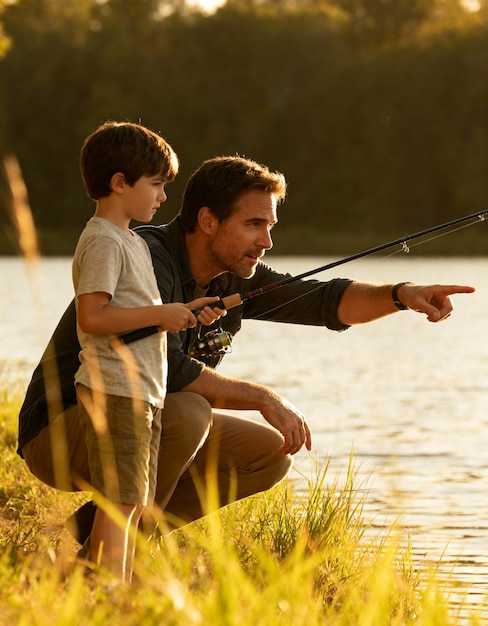 Fishing with Kids – A Noobs Guide to Getting Your Children Fishing">

Answer: limit first sessions to 40 minutes, choose a calm near-shore spot, and use a single simple rig to boost early fish encounters and keep enthusiasm high.
Equip a 4- to 5-foot light-action rod, 6- to 8-pound line, a small bobber, and a size-8 hook. Place a chair nearby so younger anglers sit when excitement spikes, and keep the head up while casting to protect posture, staying mindful of pace and keeping wrists ready. Use a fixed tackle setup to enable instant access to gear and reduce fiddling.
To stave off bored moments, lay out micro-tasks: tie a knot, count breaths, spot a redfin silhouette, and log what is observed. theres a simple answer: curiosity fuels success, not long waits. Sometimes a plan change is needed, so youve got a backup and switch routines to maintain momentum.
Safety and technique come first: explain safe grips, handle a fish using two hands whenever possible, and release the hook using pliers. Keep hands dry, check field conditions, and rotate roles if energy wanes; a quick office break can reset focus before resuming, ensuring complaints stay low and smiles rise, and that progress carries from one outing to the next.
As abilities grow, gradually extend outings, trying new lures, and introduce more fish like redfin again. Let a youngster lead tasks: head the line, select lure, and log a short progress note. Maintain an enjoyable pace, give instant feedback, and celebrate small wins so theres confidence to plan the next trip alongside the family, you know.
Hands-on Techniques for Young Anglers: Practical Steps to Start Fishing with Kids
Begin at a calm, accessible spot near the bank, selecting a location known for beginner comfort. Plan a 30-minute session focused on skill-building rather than haul results. Look for safe areas, clear water, and easy access; prepare a simple setup: one rod, a light line, two hooks, and a small tackle box. know safety rules that apply, and teach grips and safe handling before any action is attempted.
Show a controlled flicking motion to send lines, keeping casts short and gentle. Emphasize stopping the rod tip at the right moment, and practice steady retrieval to avoid error. Encourage children to observe the line and stay engaged; this approach gives children a sense of control, reinforcing that success comes from patient practice rather than speed.
Ground rules emphasize environmental awareness and respect for nature. Explain why bags, wrappers, and leftovers go home, and why spots rarely yield results when neglected. This habit turns outdoor time into environmental therapy that supports working memory and mood. Keep food to a small, dry snack and store it away from gear to reduce waste.
Address inevitable error with a trial-and-error approach. This involves guided repetition and feedback. Beginners benefit from repeated practice; theres a chance to progress, and that progress reinforces belief and support. Maintain realistic goals, celebrate small wins, and build confidence that grows beyond a single session.
Gear handling matters: ensure grip, stance, and line control are clear. Involve a helper to supervise, and down any anxiety by keeping tasks short and predictable. hard pushes should be avoided; the biggest challenge is staying focused when distracted; distractions should be minimized; restructure into short tasks that keep effort manageable for children and beginners alike.
Before the session ends, verify any license or permissions required by local rules. Keep safety first around lines and hooks, and encourage a brief cool-down period to review what went well. Plan a simple progression: basics first, then a mini challenge such as identifying productive spots or tracking which spots yielded returns. This structure gives the learner a chance to improve and builds confidence that lasts beyond one outing.
Above all, believe in the youngster’s capacity to learn. Provide steady support, celebrate progress, and keep expectations reasonable. A few minutes of practice each session builds self-reliance and a lasting connection to nature, much more than a single big catch, all framed by time spent above routine for growth.
Selecting kid-friendly gear: rods, reels, and line for small hands
Choose a 5-6 ft light-action rod; a small spinning reel; line 6–8 lb test. This setup fits youngsters’ hands, reduces fatigue during a session, and encourages confident casting for everyone.
Opt a compact spinning reel designed for small palms; smooth drag, simple controls, and a short, comfortable handle aid learning. Comfort matters; this setup prioritizes comfort. For line, select 6-8 lb test monofilament; fluorocarbon adds low stretch for accuracy across areas where youngsters explore. Bright colors help gauge feel; the sounds of even brief taps reinforce timing, and this setup encourages activities that stay focused. This arrangement helps manage tangles and keeps sessions smooth. This approach has been tested by families.
Hooks: size 6-10; opt circle or simple J-hook; cover tips when not in use; practice safe handling in a shallow area. Correct grip and safe stance help little anglers develop rhythm.
As confidence grows, consider a light baitcast option to increase distance; initially, stick to a spinner for control, then explore swapping to lighter gear across a session to gain an advantage. Each outing is a ticket toward mastery. If youre unsure, review basics.
Keep atmosphere relaxed; schedule short practice blocks; log small wins, which encourages repetition; theres a chance to learn something new each outing. From these steps, knowledge grows; youngsters tend to feel more confident and enjoy long adventures.
Creating a kid-sized tackle station for quick setup
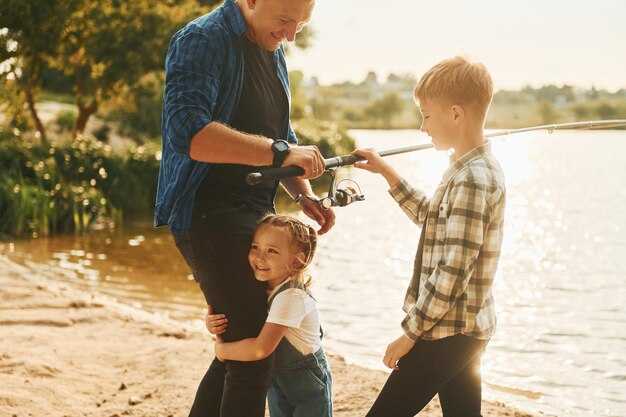
Use a compact, modular kid-sized tackle station that folds into a shoulder bag and opens in seconds. A single tray keeps reels, hooks, and spare line accessible; a top lid or attachable organizer creates instant storage, so setup becomes a breeze and youngsters stay serene.
The base should be a shallow, rinse-friendly tray (about 12×16 inches) so little hands can reach every corner. A labeled color-coded board holds lures; a small clip-on pouch stores hooks, swivels, and small tools onto a soft mat. A compact reel rack preserves reels along the edge, preventing clutter and keeping line from tangling during travel. A safety cover protects sharp items when not in use.
Choose styles that are light, washable, and sturdy; material like polycarbonate lasts most times, while silicone tabs reduce noise. theres a range of options at shop counters, but a pre-made kit saves time. A seat that folds into a lid doubles as a low work surface. A small food bin or snack tray reduces hunger, keeping emotions calm and offering a good opportunity to concentrate. Lots of forethought prevents mishaps, think ahead about essential steps and safe handling.
Safety protocol: keep hooks guarded in a closed pouch; store sharp items away from younger explorers; label compartments by size; a spool rack keeps reels in place, preventing tangles. Regular cleanings and a quick safety check before each trip ensure a calm, stress-free session. If youre unsure, pause and recheck.
Three-minute setup target: lay base, snap board, clip pouch, mount reel rack, tuck lines. Keep spare lures in a labeled tote; a small food bin holds snacks for hungry tummies or a quick energy boost. An instant checklist ensures nothing is forgotten and the session starts good, calm, and productive. Exercise some fine motor skills by practicing re-rigging and line management, and emotions stay steady, not stressful, times.
Maintain the station: wipe surfaces, replace worn components, and refill pouches after each trip. A portable system remains ready for the next adventure, creating ongoing opportunity, a serene routine, and lots of positive memories, while most of the setup is made simple and efficient.
Knot basics for beginners: tying a simple, reliable knot
Palomar knot is the recommended starting point: amazing, quick to learn, and creates a strong, reliable connection for most angling setups. For fishing outings this knot takes only a few minutes to master, and youll feel confident during practice.
- Double the line to form a loop about 10 cm long.
- Pass the loop through the eye of the hook, so the loop is on the outside of the eye. That grip feels like goodoo–secure and dependable.
- Bring the hook back through the loop, forming a knot around the standing part. Practice at least a few times to ensure proper seating.
- Moisten the line and pull both ends slowly to snug the knot against the hook’s eye; check for a clean seat and ensure no twist remains.
Quick safety and durability notes:
- Test under light tension before casting; this seems to reveal slips early and keeps the amazing outcome during actual fishing activity.
- Protect the line by using a protective sleeve where abrasion could occur; this supports environmental care and keeps handling mental and healthy.
- media tutorials help visual learners; short clips reinforce technique during free time and alongside practice.
- Experiment across several styles and gear: the Palomar works on mono, fluorocarbon, and braided lines; it takes little time to master, reducing bored moments and means a steady grip during attempts by the guys who are trying similar tasks.
- For a family activity, set a routine: choose a calm spot, include a mascot to keep spirits up, break into small challenges, and discuss nature and environmental impact during breaks; along the way, youll swap tips among youngsters pursuing similar tasks.
Conclusion: once mastered, this knot becomes a reliable starting point that many anglers favor; its simplicity, consistency, and portability make a solid choice for nervous hands. Youve got this, youll be ready to explore the water, and this skill means preparedness wherever the day leads, turning the session into an amazing, protective, mental activity that benefits their growth.
Safe casting for beginners: short-distance practice with supervision
Start a short-distance drill: 5–7 meters from land, one cast at a time, under the watchful eye of an adult. Choose a light reel, bring spare reels, fine lines, and a small practice lure or weight. Keep a gentle tempo to avoid tangles and backlashes. The aim is clean knots and a controlled arc, not distance. Perform 6–8 reps per session, 30 seconds between attempts to monitor emotions, stay patient, and keep the mood calm. goodoo, saying calm hands win casts, becomes a tiny motto during sessions. The mascot adds a cheerful cue when the line lands with a soft touch. This approach feels therapeutic for beginners and helps ease emotions in any situation along the coast or on land.
Refine technique by focusing on grip, stance, and release styles. Stand feet shoulder-width apart, toes toward the target. Grip lightly, then snap the wrist while keeping the rod tip low to form a short arc. Tie a basic knot style on practice weights, such as a simple improved clinch knot, and verify tension by gentle tug tests. Ensure the line remains tight with no slack. Pause after each attempt to reset posture, breathing, and focus.
Keep a social, safe zone: designate a clean area, remove trip hazards, and keep reels distant from bystanders. On land or along the coast, set boundaries so lines never cross walkways. After each session, review what went well and what needs work; an adult can answer questions themselves, and I remind myself to stay patient and positive. If a redfin appears near shore, pause briefly to observe; theres a moment to discuss safety before resuming carefully.
Next steps: once several sessions show consistent knot-tying and minimal tangles, gradually increase distance to 9–12 meters, while maintaining supervision. Switch to slightly heavier lures and longer lines only after technique stabilizes. Track progress in a simple log; note times when moods remained calm; highlight social aspects like sharing tips and celebrating small wins. The goal remains safe, controlled angling experiences, focusing on learning, exploration, and personal growth. Encourage exploring different release angles and knot arrangements to build familiarity.
Hook and bait handling safety for curious young anglers
Recommendation: Secure all hooks in a locked tackle box, remove points when idle, and set a single calm practice hour before any casting starts. Use barbless or blunt-tipped training gear to reduce risk while learning.
Protective eyewear matters: sunglasses protect eyes if a hook slips, a brimmed hat reduces sun glare down. Have a bench mat, a bait tray, and long-nose pliers at hand. For smaller hands, a helper partner ready to lend a hand during tricky steps.
Bait handling basics: keep prepared portions on a tray, avoid touching the point, and prepare bait that reduces mess. When a curious youngster asks, mention the redfin as an example of a small fish and keep focus on safe steps rather than live bait experimentation. If live bait is used, pinch off enough to fill a small hook while still leaving a lively tail to wiggle, reducing the chance of poking skin.
Hook removal technique: always use pliers or a hook-removal tool. Do not yank; twist gently to release the barb, then lay the hook down in a tray. Rehearse the motion on a practice rig several times; this makes the moment when a real lure is involved much easier. Waiting moments spent on slow, calm practice pay back in safer handling later. If trying a new motion, pause, breathe, and proceed only after the area is clear.
Having a clear attitude matters more than speed. Love exploration, patience, and a safe mindset become a part of every session. Teach youngsters to look first, then act, and to listen for tips from a supervising adult. This does not rely on speed. There is a need to reduce distractions from media; pause, refocus, and proceed only after a short check of environment and equipment. These activities build calm, focused habits.
Tips: prepare a zone, use smaller hooks, practice removing a dummy hook, wait for signs of readiness, check gear for wear, respect animals such as redfin, keep eyes on line, maintain a calm attitude, document progress as part of a learning list, celebrate progress, not errors. This approach keeps passion alive and makes handling easier; many small successes build much confidence while explore, and during each hour learners can look back at what was learned. Knowing the right order of things helps youngsters stay calm and focused, and trying new steps becomes easier as practice piles up.
Encourage curious minds to explore safely during each outing.