


 Deutsch
  English (UK)
  Русский
  العربية
  日本語
日本語  한국어
한국어  Magyar
  Türkçe
  Español
  Čeština
  Svenska
  Português
  Ελληνικά
  Suomi
Suomi  Nederlands
  Română
  Italiano
  Français
  Polski
  Українська
  简体中文
简体中文  Slovenčina
 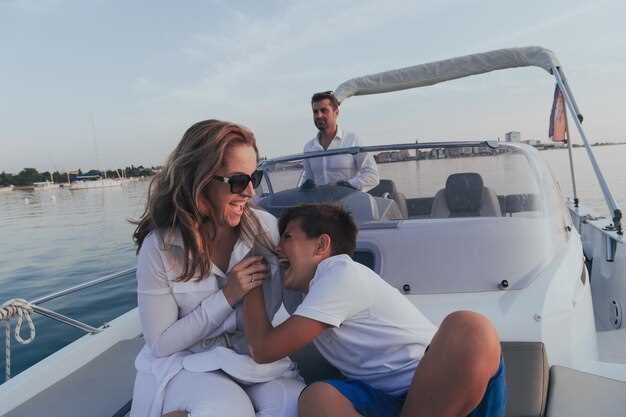 Family Yacht Charters – The Ultimate Guide to Luxury, Safety, and Family Fun Aboard">

Rent a yacht with an ideal combination of spacious living areas and a shallow swim platform, plus a safety briefing tailored for kids and first-time charters. This setup eases onboarding under way and helps them settle into daily routines, from meals to water activities.
Choose a vessel designed for families, with at least two crew members and a captain trained in pediatric first aid. Confirm age-appropriate PFDs, well-stocked first-aid equipment, and a clear plan for calm-weather days and smoother transitions between anchorages. A well-communicated safety routine keeps them confident and supports living aboard with less stress for everyone.
On-water options include paddleboarding, snorkeling, and guided shore walks. Plan days that let kids discover marine life without overload, while parents enjoy shade on the deck and easy access to refreshments. A spacious layout and thoughtful storage create comfortable places for them to relax or play, turning downtime into meaningful life moments.
Information to collect before renting covers itineraries, port charges, and weather contingencies. Ask for a sample week with a balanced mix of calm bays, light excursions, and family meals on board. A well-structured charter broadens opportunities for everyone, including Familys members, to learn, connect, and enjoy shared experiences.
Onboard learning can involve provisioning, knot-tying, and simple boat maintenance, all guided by the captain and crew. This approach fosters collaboration and builds lasting experiences for all ages, from kids to grandparents, and helps families living life afloat with confidence. Use this framework to tailor daily activities and maximize safety and fun aboard.
Family Yacht Charters

Choose a tailored charter with a dedicated skipper to maximize safety and comfort for your familys on the waters.
Use flexibility in planning to meet kids’ routines, and build an itinerary that suits your pace, with a skipper who can adjust stops to improve fun.
In Çeşme, or çeşme, area, you can anchor near famous villages and hidden coves for a swim, while exploring the coastline. Create legs of the voyage that balance sightseeing with rest.
When renting a yacht, discuss the dough for provisioning, fuel, and equipment, so there are no surprises in the middle of a sea day.
Whether you travel with kids, grandparents, or teens, a well-planned charter delivers safety, comfort, and memories that last beyond the trip.
Keep the plan informed by history and local know-how, and pick destinations that offer engaging water activities and cultural stops.
Onboard, include a light game to entertain during calm waters and give the legs a stretch after swimming breaks.
In the evenings, a simple game night under stars on the waters adds engagement and helps you capture the day’s memories there.
How to Pick a Family-Ready Charter Yacht: Crew, Layout, and Kid-Friendly Features
Start with the crew: pick a charter with a captain who holds formal safety certifications and a steward or nanny skilled in children’s activities. They tend to tailor daily routines, and they will provide safety tips and lead early safety drills. A dedicated helper can join the children for games, making the entire family feel relaxed and living in harmony on board.
Next, check the layout: choose a 4–5 cabin yacht with a dedicated children’s cabin or a convertible living area. A main deck with wide doors creates seamless living spaces and easy access to a shaded aft area for alfresco meals. Ensure a low bathing platform and safe access to the water so kids can splash without constant supervision.
Equipment and games: snorkel gear, paddleboards, inflatables, a reliable life jacket stock in multiple sizes, and a well-stocked games library for long evenings. Include child-sized utensils, high chairs, and cribs to support an entire day of relaxation on board. A resort-like crew delivers practical gear, from beach mats to shade tents.
Safety and itinerary: review the yacht’s safety plan, childproof railings, and a briefing tailored for families. Confirm a crew that can provide supervision on shore excursions, and verify a schedule with frequent stops at aegean beaches to satisfy holidays crowds. Visiting villages around çeşme and other ports offers diverse scenery; plan routes that give kids time to rest their legs.
Tips for selecting: request a sample day plan, join shore excursions, check equipment availability, and confirm a flexible schedule that adapts to weather, naps, and game time. Alternatively, look for a yacht with a built-in kids’ club that provides structured activities, so they have a reliable routine while you enjoy moments of relaxation and join adults for quiet evenings.
What Onboard Safety Gear and Protocols Do You Need for Kids
Start with a snug, Coast Guard–approved life jacket for every child. Fit them one at a time with the child standing, buckle, and test in waist-deep water with a supervising adult. If straps loosen, re-fit; replace worn pieces. Experts say a correct fit reduces slips and builds confidence that they can move freely on deck.
Choose a Coast Guard–approved Type II or III PFD per age and weight, plus a harness and tether for deck play. Keep a spare PFD for each child in an available bin labeled with their name. Attach a whistle to each jacket so they can signal if they separate from the group. Quick-dry swimsuits or rash guards enhance comfort and help them stay ready for a swim between activities.
Run a guided safety briefing every day before cast-off. Cover where to find jackets, how to fasten them, how to reach the helm, and the muster point. Do a 60-second drill with adults and children so they know how to respond if the alarm sounds. Post a kid-friendly safety card that shows exits, jackets, and the designated quiet zones where supervision is continuous. During meals or screenings in the onboard cinemas, remind them to stay seated and wear PFDs when on deck if the sea is choppy.
Mark swim zones clearly when guests swim off stern or near the bow; never swim near running engines or propellers. If you plan a guided swim, choose calm water and supervise closely. Keep a radio or waterproof phone within reach and test waterproof bags for devices. Use a reach pole for quick retrieval in deeper water and explain that currents can shift quickly, posing a challenge that requires close monitoring.
Storage matters. Place all gear in available bins on the deck and ensure each child has a labeled bag with their PFD, sun hat, sunscreen, and towel. Between activities, tidy gear to prevent tripping hazards and check lines, cleats, and stowage systems. Clients sailing with familys should assign a buddy system: older children pair with younger ones to improve teamwork and oversight that keeps everyone safe.
For holidays and longer charters, build a routine that blends discovery with rest. Plan visits to beaches, quiet coves, and sheltered anchorages where beauty and fresh air shine. Include light shore excursions guided by a crew member and time for snacks or a gourmet meal on deck. A predictable rhythm helps children feel secure and makes the trip successful for the whole family, with moments that last forever.
Before cast-off, perform a quick gear check. Inspect PFD straps, zippers, and buckles, and replace worn items. Confirm each child understands the choice to stay in a jacket or to participate in a guided shore visit; positive reinforcement helps build a safety culture that lasts across holidays and seasons forever.
Designing Age-Appropriate Activities and Shore Excursions

Create a two-tier itinerary that splits activities by age bands and pairs them with shared moments on deck. Family plans benefit when a copy stored in boatbookings is accessible here by the crew. This approach suits chartering families with various ages, ensuring options stay engaging for each kind of traveler while enjoying quality time together and maintaining safety. Use charts to map activity length, energy needs, and travel times along the coast, and be ready to adjust whether weather or crowding changes. If a memory is taken, log it in the itinerary for future trips.
below are practical steps to implement the plan: identify age bands (younger, middle, older), then assemble a pool of various activity options with reliable safety notes. Build a short list for each group and a few cross-over experiences that the whole family can enjoy together, such as a sunset sailing and a dining session aboard a boat or at a resort. Include caves visits, snorkeling, and beach days along the amalfi coast, plus a french-inspired tasting with local produce for diners on board.
Assign each activity a ‘quality’ rating and note the age suitability. Make a separate list of backups in case of rain or seas roughness, so you can swap a cave excursion for an indoor option that allows a moment to discover local crafts or other indoor pursuits. Have a family wish list to balance desires; when a member wishes a specific experience, pair it with an alternative that keeps others engaged. Use a split timetable so mornings are upbeat while afternoons offer calmer options, keeping happy energy across the boat.
Example: a day along the amalfi coast with a life on deck, followed by a sea caves visit with a local guide, then a dining experience aboard or at a resort lunch. The afternoon offers a shore excursion along a rocky shoreline or to a sheltered beach, with snorkel gear and safety briefing. Ensure life jackets and boating gear are working and properly sized. For teens, plan a tech-free treasure hunt on shore or a short hike; for younger children include a gentle boat ride and a crumbly biscuit tasting as a family life moment. Conclude with a sunset cruise and a relaxed french dessert, or a casual gelato stop before heading back to the yacht.
Stored here for the user, this plan stays flexible across ports and memories you can discover forever. For the family on board, the emphasis on quality options, reliable operators, and a thoughtful dining sequence ensures life aboard remains happy and safe. Update the itinerary after each port visit to keep everyone engaged.
Maximizing Comfort: Cabins, Dining, and Onboard Accessibility
Choose cabins with direct deck access and a connected family layout, designed for easy togetherness on a yacht. Select a master suite plus a little adjoining room for kids or grandparents, creating multiple sleeping options and flexible use. A well-planned arrangement keeps them closer, so you meet morning routines smoothly and spend more time forever together, a setup that provides peace of mind. Each space offers a unique balance of comfort and practicality.
Dining options should fit a family rhythm: multiple venues, quick service for kids, and room service for evenings on deck. Provide greek-inspired salads and neapolitan-style pizza, with fresh ingredients and kid-friendly portions. An on-board menu with consistent quality across zones provides confidence and invites sightseeing and exploring the ship between courses. Amenities such as high chairs, warm lighting, and flexible seating keep diners comfortable. A rich tradition of global flavors sparks conversations and discoveries. Guests can sample dishes they like, building shared family memories.
Barrierefreiheit an Bord ist wichtig: Kabinen, die für eine reibungslose Bewegung ausgelegt sind, liegen mittschiffs, um Bewegung und Lärm zu reduzieren, mit direktem, stufenfreiem Zugang zu Bädern, breiten Türen und einer unterstützten Dusche. Ein Aufzug oder ein Rampensystem hilft Gästen, Speise- und Loungebereiche ohne Unterbrechung zu erreichen. Die Besatzung sollte darauf vorbereitet sein, bei Gepäck zu helfen und Sitzplätze und Routen anzupassen, um eine reibungslosere Erfahrung für sie und die ganze Familie zu bieten.
Budgetierung und Smartes Buchen: Transparente Kosten und Tipps für die Hauptsaison
Erhalten Sie ein festes, all-inclusive wöchentliches Charterangebot, das jeden Kostenpunkt detailliert aufführt, um Überraschungen zu vermeiden. Vergleichen Sie immer Angebote und prüfen Sie die Inklusivleistungen, um sicherzustellen, dass Sie die Gesamtkosten verstehen, bevor Sie unterschreiben.
Im Folgenden finden Sie die wichtigsten Kostenelemente, die Sie klar erkennen sollten:
- Mietpreis für das Schiff und die Besatzung; bestätigen, ob Treibstoff, Verpflegung und Hafenausfahrten im Preis enthalten sind oder gesondert berechnet werden.
- Treibstoff für den Motor und den Tender; einige Routen erfordern möglicherweise zusätzlichen Treibstoff zu Selbstkosten zzgl. Bearbeitungsgebühr.
- Hafenbeherrschungen, Liegegebühren im Yachthafen, Abfertigung und Kreuzerlaubnisse für jedes Ziel.
- Bestellungs- und Kochoptionen; die Vorbestellung von Lebensmitteln, Getränken und speziellen Mahlzeiten kann gebündelt oder bei Bedarf abgerechnet werden.
- Crew-Trinkgelder, üblicherweise am Ende der Reise zu zahlen; fragen Sie nach einer üblichen Bandbreite (oft 5–15% der Chartergebühr).
- Steuern, Mehrwertsteuer und alle lokalen Abgaben; prüfen Sie, ob Steuern inbegriffen sind oder separat berechnet werden.
- Versicherung oder Sicherheitskautionen sind vor dem Einstieg erforderlich; prüfen Sie die Versicherungsdeckung und Rückerstattungsbedingungen.
- Ausrüstung und Aktivitäten außerhalb der Standardausstattung, wie z. B. Stand-Up-Paddling, Schnorchelausrüstung, Kajaks und Wasserspielzeug.
- Transport zum/von der Yacht, falls diese nicht von einem Hafen in der Nähe Ihres Zuhauses gechartert wurde; einige Betreiber bieten Transfermöglichkeiten an.
- Bereitstellungskosten und Liefergebühren bei Nutzung eines Concierge-Service; einige Angebote beinhalten ein grundlegendes Bereitstellungskredit.
Um effizient vergleichen zu können, fordern Sie ein einziges zusammengefasstes Angebot an, das diese Artikel sowie die Zeilen “was inklusive ist” und “was zusätzlich kostet” auflistet. Dies hilft Ihnen, die tatsächlichen Kosten der Erfahrung zu erkennen und versteckte Gebühren zu vermeiden, nachdem Sie unterschrieben haben. Diese Details unterstützen auch Ihre persönliche Planung und ermöglichen es Ihnen, die Qualität des Services zu beurteilen, den Sie erhalten.
Saisonale Planung hat einen großen Einfluss auf Preis und Verfügbarkeit. Berücksichtigen Sie diese Taktiken, um den Wert zu verbessern und gleichzeitig die Qualität hoch zu halten:
- Buchen Sie Ihre Daten 9–12 Monate im Voraus für beliebte Routen wie die Karibik, Mittelmeer-Sommerkreuzfahrten oder Alaska in den Hauptmonaten. Eine frühzeitige Buchung verbessert den Zugang zu den schönsten Schiffen und bevorzugten Häfen.
- Seien Sie flexibel mit +/- 3–5 Tagen, um günstige Bedingungen und bessere Angebote von Anbietern zu finden. Dies hilft Ihnen dabei, den Wert zu verbessern und ruhigere Reiserouten für Besichtigungen zu sichern, bei denen Kinder unterhalten werden.
- Zielen Sie auf die Nebensaison (später Frühling oder früher Herbst) ab, wenn die meisten familienfreundlichen Yachten niedrigere Preise anbieten, während die Besichtigungen dennoch entzückend sind.
- Weniger stark frequentierte Häfen reduzieren die Hafengebühren und Menschenmassen, während die Besichtigung für jedes Familienmitglied weiterhin magisch und sicher bleibt.
- Wählen Sie Schiffe mit persönlichen Akzenten in der Essenszubereitung und bei der Planung von Aktivitäten an Bord; die meisten Angebote beinhalten einen Koch und eine Crew, die Reiserouten auf persönliche Vorlieben wie Sightseeing, Paddleboarding und kinderfreundliche Programme zuschneiden können.
- Verhandeln Sie Wertschöpfungsleistungen (Hafenentgelte, Wasserspielzeug, Verpflegung) anstelle von Preisnachlässen; dies verbessert die Gesamtqualität der Reise, ohne die Sicherheit oder den Service zu beeinträchtigen.
Tipps, um jedes Familienmitglied zu unterhalten, ohne das Budget zu sprengen:
- Fragen Sie nach einer kinderfreundlichen Speisekarte und Kochoptionen; dies hilft Ihnen, Mahlzeiten zu kontrollieren und ein magisches Familienerlebnis aufrechtzuerhalten.
- Nehmen Sie sich Zeit für Paddleboarding und andere leichte Aktivitätsoptionen in ruhiger Umgebung, und stellen Sie sicher, dass es sowohl Möglichkeiten zur Ruhe als auch zur Erkundung gibt.
- Planen Sie Besichtigungstage im Voraus und unterteilen Sie Aktivitäten in kurze Abschnitte, um die Aufmerksamkeit zu erhalten und Müdigkeit zu vermeiden.
- Nutzen Sie von der Besatzung geführte lokale Ausflüge, um die Sicherheit und den Komfort bei Besuchen von Häfen zu maximieren.
Abschließend sollten Sie einen erfahrenen Experten hinzuziehen, um die Suche nach dem richtigen Charter zu beschleunigen. Ein durchdenkter Broker versteht Ihre persönlichen Vorlieben, bietet transparente Preise und erstellt einen klaren Plan, der in jedes Budget passt und gleichzeitig hohe Qualität und Sicherheit an Bord gewährleistet.