


 Deutsch
  English (UK)
  Русский
  العربية
  日本語
日本語  한국어
한국어  Magyar
  Türkçe
  Español
  Čeština
  Svenska
  Português
  Ελληνικά
  Suomi
Suomi  Nederlands
  Română
  Italiano
  Français
  Polski
  Українська
  简体中文
简体中文  Slovenčina
 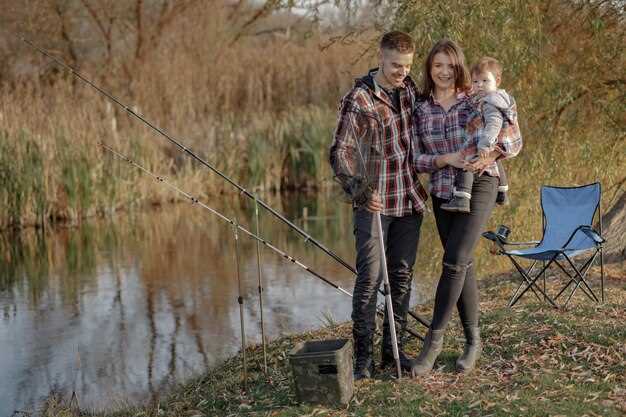 Fall Trout Fishing – 10 Essential Tips">

Begin with a larger streamer on a 3‑foot tippet and casting along fast seams where the water drops into pockets. This setup increases the chance of a decisive grab and keeps the fly in productive water longer. If you only have one rig, let the streamer do the work and add a small bait dropper behind it to probe undercut banks. These early moves set the pace for the day and often deliver the first aggressive takes.
These weather-driven shifts create a general blueprint: search for 2–4 ft depth runs and seams where the current accelerates; this depth range holds fish most actively as daylight dims. If you want to confirm structure, use sonar to verify depth and rock and gravel changes; watching for color shifts helps you spot feeding lanes, where they often lie. Cast upstream, mend to keep the streamer in the strike zone, and drop a light bait behind it to test for a follow.
Rods and lines: select a 9′–10′ rod in a 5‑ to 6‑weight range with a medium-fast action. Use a floating line with a short sink tip to keep distance at 6–9 ft, then switch to a slow‑sinking variant as water clears. Tie a 12–18 inch tippet after the leader and adjust knot choice to reduce tangles. When a fish shows interest, casting to the position and then stripping in time with the current yields the most consistent takes. They tend to follow for a moment, so vary your speed and direction to seal the grab.
Target location: outside margins where the current slows and the pocket begins. These zones often produce dropping water and a noticeable sonar return indicating depth and structure. Use a longer, deliberate pause after each strip to entice a hungry pull. If the cloud cover is strong, raise the fly’s silhouette and shorten the strip to keep within the strike zone.
Be mindful of pike in weed edges; they lie in ambush positions when prey is scarce. They can intercept streamer patterns; shorten your strip, switch to a heavier pattern, or move to a cleaner area. If you see a follow, switch to a brighter pattern or color to lure a bite.
Timing matters: bite windows cluster after dawn as water warms and again late in the afternoon. Hungry fish tend to hold in slower pockets and then move into faster runs when baitfish and insects shift. If conditions have been steady, you want to vary your presentation: a larger streamer for bold takes and a smaller, subtle option to probe. This approach helps you spend much less time guessing and yields more definitive follows.
Want reliable returns? Keep a compact log: water temperature, wind, observed runs and holds, and patterns that produced follows. This habit helps you spot what works most often and reduces wasted time on the water.
Fall Trout Fishing: 10 Tips and Fall Fishing Setups
1. Start with slower retrieves and a lighter leader when temperatures drop; focus on early morning and late-day windows, which are the only days with good bites.
2. In mountain streams and highland lakes, favor patterns that imitate natural forage and pellets near the bottom for better holds.
3. If you can sight activity, present a small imitation just ahead and lift with a confident, subtle sweep; seen fish bite more reliably.
4. Use a lighter tippet and a dropping weight plan to keep your pattern near cover without spooking fish.
5. Regulations vary by zone and season; verify daily limits and allowed gear before you head out, especially on days following summer closures.
6. For set ups, go with a longer, fine-tipped leader (4–6 lb) and a mid-weight line; adjusting gradually as water clarity changes yields the best results.
7. Pellets in the 1.5–2.0 mm range work well on slow pockets; pair with subtle imitations to improve stealth.
8. On late-season afternoons, sight lines improve when water is still and clear; switch to a lighter leader and a stealthy presentation to increase chances.
9. Mountain lakes demand deeper drops at peak hours; use a short leader above a dropper or a weight-forward line to cover that depth.
10. Maintain a concise log of days, temperatures, patterns, and outcomes; this article will help tailor setups for the next trip.
10 Practical Tips and Setups for Autumn Trout Fishing
1) Target the slow pockets just below riffles where the current pools; in october these zones yield action from active feeders. Use a streamer combo with a short sinking line and a tapered leader; watch for true takes as the fly reaches the seam.
2) First, downsizing your tippet and fly size in clear pockets improves hookups. Focus on a tight drift and a quick action; they often strike during a short pause.
3) Areas to scout include tailouts, seam lines behind eddies, and shade under alders and willows; anywhere shade or structure holds bait, october daylight shifts feeding windows, so time your casts with the sun arc.
4) Bait and streamer setups: try a true combo, with streamers on the point and a small nymph on a dropper. In october the surface and sub-surface work together, and many hits occur when the fly hovers near structure.
5) Color matters: go natural greens and browns in bright sun, switch to brighter bodies for dim mornings; change helps keep the target visible.
6) Leading angling gear: 9-11 ft rod, 4-6 wt line; mid-length leader; a short tippet; use either a sinking or sink-tip line depending on depth.
7) Cast technique: throw upstream to reach target lanes, keep line off the water, and use long, smooth arcs; the difference between a sloppy and clean drift is real. They respond better to a dead-stop mend.
8) Timing and conditions: in october mornings are calm and water is clearer; plan around light and temperature; active insects rise late, so tighten the schedule.
9) Pattern selection: use a barbel-pattern streamer on the point when water is stained or murky; downsizing to a micro-nymph on the dropper helps when currents run strong.
10) Review and adjust: track success across areas and days; many anglers note what works, then tweak combo, color, and throws; you should keep a simple log to capture the difference and improve results.
Choose fall-appropriate gear: rods, lines, and reels
Choose a 9-foot, medium-action rod paired with a 4–6 lb line and a smooth, dependable reel to tackle popular autumn spots. This baseline setup keeps longer casts accurate and reduces fatigue, making you willing to stay out as days shorten and water cools, and it makes catches more consistent.
- Rods: 9 ft, medium action; graphite blank for fast load and sensitivity; balanced grip to keep you steady through long angling sessions, which keeps accuracy when aiming at tight spots.
- Lines: Floating line with a 9–12 ft leader; 4–6 lb test; for deeper or dropping water, add a light sink-tip; downsizing line diameter helps identify bites and reduces missing takes; popular when fishing flies near structure; choose a setup that pairs well with your flies and allows you to move between spots.
- Reels: Lightweight, smooth drag; corrosion-resistant; capacity for 150–200 yards of 4–6 lb line; balance with the rod to keep wrists from tiring during longer days; a reliable drag makes hooking easier and boosts high catches.
What to watch: use a general approach to fall angling; when you see a bite, react quickly and move to nearby spots; if bites are missing, adjust tippet size or fly choice. Dropping flies into weed edges is a common trick that has been seen to trigger hooking, especially with bass and skimmers. Downshifting gear for winter transitions is worth it, and keeping a spare smaller setup can improve your overall success on days when conditions shift.
Identify productive water: temperature, depth, and holding spots
Target the coldest water you can reach in each pool and stay near the bottom where temperatures stay lowest. These choices come from scouting the depth and watching where oxygen-rich, cold water pools through the pool, often around 7–15°C (45–60°F).
Depth matters: most activity concentrates in the lower half of the water column when surface light warms; fish hold along the bottom or in 4–8 ft in narrow runs and 8–15 ft in wider sections. Look for depth breaks where the bottom drops or a seam forms; these lines concentrate fish and increase catch probability.
Holding spots: seek undercut banks, big rocks, woody debris, and weed edges. In bright light, fish retreat to shade and stay near the bottom line where current creates eddies. These spots usually yield the best catch when presented with a slow, tight line and subtle bugs. Among species, perch may occupy adjacent zones, but the cold pockets remain the best choice.
What to monitor: among the most reliable indicators are flow patterns; insects gather around light and shade, and a video guide shows how to identify these spots quickly. Adapt your approach based on results and be willing to move if the line stays quiet.
Repeat the scouting across pools; come back to spots where the water stays cold and structure holds; increase confidence by sampling several lines and varying weight and speed. Most success arises from sticking to these zones and adapting to the day’s light and bugs.
Match baits and lures to autumn forage
Identify these autumn forage types in your areas and tailor baits to imitate them through the season when water cools and bites slow.
In autumn, nymphs dominate the menu; identify which species are most active in your waters and adjust size and pattern accordingly. For patchy visibility, use brown-toned patterns that blend with the riverbed; if the current carries stained water, a brighter abdomen can spark reaction strikes. Consider a nymph or leech pattern that sits tight to the bottom to mimic the real fare.
Groundbait pulls fish into the strike zone, especially around structure and eddies. Use a light, low-visibility mix that releases gradually, and keep it in calm areas to avoid spooking fish. Live optionen können ergänzen, aber viele Angler verlassen sich auf kompakte, weichere Präsentationen in kälterem Wasser; durch bedachte Würfe stellen Sie sicher, dass der Köder in der Nähe von Deckung läuft und langsame Läufe belohnt werden.
Streamer fangen Tiefe und Geschwindigkeit ein; führe sie durch Nahtstellen und entlang von Unterwaschungen, wechsle dabei schnelle Einsätze mit Pausen ab, um Lungenstöße von braun gemusterten Fischen und anderen auszulösen. areas. Wenn das Wasser klar ist, bleiben Sie bei kleineren, dezenten Mustern; wenn es trüb ist, wählen Sie kräftigere Akzente in Weiß oder Chartreuse.
Verwenden Sie Sonar, um Tiefe und Struktur zu lokalisieren und passen Sie Ihren Ansatz für jeden Standort an; lesen Sie den Leitfaden des Flusskorridors und zielen Sie auf Zonen, in denen Läufe zusammenlaufen und Fische halten. Komfortable Ausrüstung und scharfe Haken sind entscheidend; bis Sie Bisse sehen, halten Sie Ihr Geräusch minimal und werfen Sie flussabwärts, um Drifte zu minimieren. Dieser Artikel soll Ihnen helfen, die Saison mit prägnanten, praktischen Schritten zu überstehen.
Präsentation verfeinern: Heimlichkeit, Werfen und Retrieving in klarem Wasser
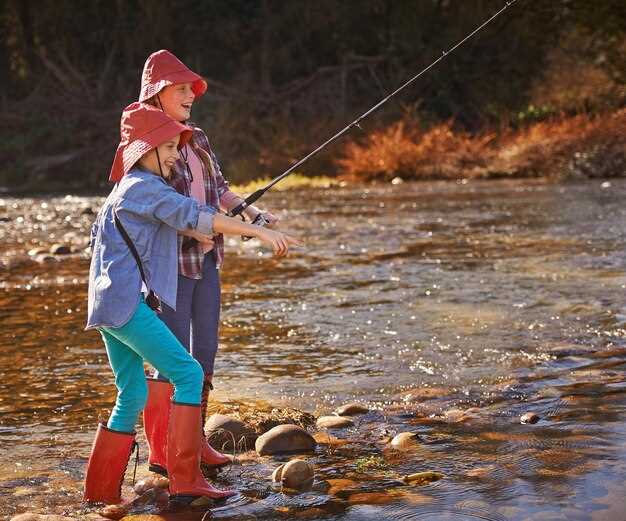
Beginnen Sie mit einer heimlichen Haltung und einem kurzen, präzisen Wurf. Halten Sie Ihren Schatten niedrig und Ihre Schnur unter der Oberflächenblendung; im Oktober sinken die Temperaturen und Fische werden in sehr klarem Wasser unauffällig, minimieren Sie also Spritzer.
Die Wahl eines leichteren Vorleiters und einer einfachen Nymphenkombination reduziert den Widerstand und die Sichtbarkeit. Verwenden Sie eine 4–6 lb entsprechende Schlagschnur für längere Drifts, und wechseln Sie dann zu 6X, wenn in engen Stellen ein Biss vermutet wird. Was diese Anpassungen bewirken, ist eine natürliche Präsentation, wodurch die Fische näher kommen, ohne sich zu alarmieren, was entscheidend ist, wenn die Fische dicht an Hindernissen halten.
Wenn Sie auswerfen, zielen Sie auf Kanten, wo der Strom nachlässt und eine langsame, natürliche Drift erzeugt. Vermeiden Sie laute, falsche Auswürfe in offenem Wasser; stattdessen werfen Sie zwei kompakte Würfe, die die Fliege knapp über der Stoßzone platzieren. In sehr klarem Wasser ist es besser, auf Genauigkeit statt auf Distanz zu achten, da die Schnur selbst Ihre Anwesenheit verraten kann, lange bevor die Fliege ankommt.
Retrieves sollten bedacht und kontrolliert erfolgen. Sehr langsame, methodische Bewegungen funktionieren am besten während Sessions in der späten Saison, besonders wenn Temperaturgradienten die aktive Zone verengen. Machen Sie nach jedem Zoll Drift eine Pause, damit die Fliege zu einer natürlichen Erweiterung der Strömung wird; diese Pausen sind Ihre Signale für den Fisch. Wenn Sie Geschwindigkeitsänderungen voraussehen, können Sie die Geschwindigkeit leicht ändern, aber innerhalb eines engen Bereichs bleiben, damit das Profil für die meisten der nahegelegenen Fische überzeugend bleibt.
Arten von Mustern, die effektiv bleiben, sind kleine Nymphen und kernelähnliche Muster, die an einem leichten Haken gebunden sind. Eine dezente Farbwahl – erdige Grüntöne, Töne und gedämpfte Oliven – übertrifft oft helle Töne in klarem Wasser. Wenn Sie Bisse von Barschen oder Hechten in der Nähe bemerken, wechseln Sie zurück zu einer kompakteren, weniger aggressiven Präsentation; das Ziel ist es, eine langsam fließende, kleine Nymphe nachzuahmen, die den Fischen in der Strömung auf natürliche Weise entspricht.
Expertenanleitungen betonen ständige Überprüfungen der Rigs, der Tiefe und des Driftes. Wenn die Decke der Wassersäule unverändert bleibt, verfeinern Sie Ihre Technik mit inkrementellen Änderungen anstatt mit weitreichenden Überholungen. Temperaturschwankungen bestätigen dies: wenn das Wasser etwas wärmer wird, reduzieren Sie die Hängezeit und verkürzen Sie den Drift, um die Fliege in der optimalen Schicht zu halten, und wenn es kühler wird, verlängern Sie Ihren Drift leicht und passen Sie ihn an ein langsameres Tempo an.
| Aspect | What to do | Anmerkungen |
| Stealth-Position | Bleib niedrig, halte die Körperbewegung minimal, Füße unterdeckt; wirf zum Randhalt. | Klares Wasser verstärkt Blendung; Schatten verraten die Anwesenheit schnell. |
| Casting-Ansatz | Kurze, präzise Würfe; zielen knapp vor wahrscheinliche Liegeplätze; laute, auffällige Fehlwürfe vermeiden. | Genauigkeit schlägt Distanz in langsam bewegenden Bereichen |
| Leader und Tippet | leichter Combo: 4–6 lb äquivalent mit einer 6X Spitze für Nymphen | Reduziert die Sichtbarkeit; prüfen Sie die Knotenfestigkeit regelmäßig. |
| Ruft ab | Sehr langsame, kurze Züge mit ruhigen Pausen; Stopp-and-Go-Rhythmus | Lass die Fliege dem Strom treiben; diese Momente lösen Bisse aus. |