


 Deutsch
  English (UK)
  Русский
  العربية
  日本語
日本語  한국어
한국어  Magyar
  Türkçe
  Español
  Čeština
  Svenska
  Português
  Ελληνικά
  Suomi
Suomi  Nederlands
  Română
  Italiano
  Français
  Polski
  Українська
  简体中文
简体中文  Slovenčina
 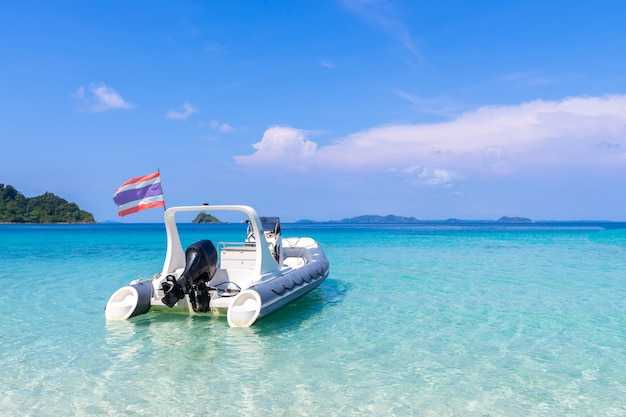 Exploring Captiva Island by Private Boat Charter – The Ultimate Guide">

Start with a half-day inshore cruise to test weather, sample scenery, assess crew quality, and gauge size of your party. Keep risk low, then book longer hours if conditions stay favorable.
In naples, marinas offer multiple options, ranging from quick skiff hops to full-day lake-and-backwater routes. Some marinas concentrate on inshorenearshore passages, others expand to backwater creeks with mangroves. Depending on size of your group, months in season, and weather window, you can pick a popular option or a smaller size test leg–often a two-hour or four-hour schedule.
Reviews from steven and other captains were frequent and informative, showing most clients value flexibility, frequent updates on weather, and timely departures. A well-run trip keeps guests comfortable and focused on wildlife, backwater mangroves, and inshore shoals, with a quick route to shore or hop between popular bays.
For family groups, size matters: smaller yachts deliver intimate access to shallow coves; larger vessels accommodate six to eight guests with shaded decks and seating. During peak months, popularity rises; most operators book weeks ahead, so check reviews and compare options to avoid overpaying. naples operators often offer morning and sunset slots, with an emphasis on safety and crew expertise.
In addition to day trips, some operators provide backwater explorations that focus on resident wildlife and salt marches. If you prefer a longer horizon, consider a half-day plus a follow-on if weather allows. Itinerary options include inshore channels, backwater creeks, and nearshore reefs, with flexible routes depending on currents, wind, and tides. Marine life sightings vary by time of year, so reviews from months prior give a good forecast.
Choosing Your Captiva Island Private Boat Charter
Target a captain-led vessel sized for your party and budget; ensure the skipper is certified, the rate is transparent, and availability is confirmed in writing.
Consider a fleet that includes 25–30 ft center-console models and 35–40 ft multi-hull craft; these options work well for mangroves and shallow channels, while offering popular comfort and opportunities for comfortable day trips aboard.
Safety first: USCG-certified captains, trained crew, properly sized PFDs, and a current insurance policy; the team should monitor conditions, and you couldnt ask for a clearer safety briefing before you depart.
Trip planning with guides should cover tarpon hotspots, mangroves, estuaries, and coastline views; ask for itineraries that balance wildlife viewing with fishing or sightseeing, and confirm how often routes are adjusted for tides.
Budget guidance: set a prime cap on daily spend, include fuel surcharges and dock fees, and clarify whether gear rentals or permits are included; request a written quote to avoid hidden costs.
Good questions: crew experience on this coast, typical trip durations, safety record, and what is included in the package; determine whether private arrangements exist or if you are renting a ready-made itinerary, then compare several operators against the same criteria–these questions are very practical.
Booking tips: use a reputable operator with recent reviews, provide the requested details in the form–first-name, surname, and contact info–and lock in a refundable deposit where offered.
Logistics: choose a meeting point near the coast, verify parking or transfer options, and discuss weather policy; источник of real-time updates from the operator and local advisories helps you adapt trips there.
For close-in access, a compact ding can be used to reach shallow coves; check whether the ding is supplied and how it affects the overall schedule.
Pre-Trip Checklist for Captiva Island Private Boat Charter
Recommendation: lock in knowledgeable guides and a licensed skipper 4–6 weeks ahead; summer weekends fill quickly, and permits can take time to process. In your form, require first-name for each guest and collect last names; ensure everyone is accounted for.
Target mangroves, backwater channels, and islands in your plan; plan offshore options as a backup to keep the schedule flexible and reduce chance of weather disruption.
Documentation and permits: ensure each guest has a valid photo ID; carry vessel insurance details and a copy of the rental agreement; if you want to fish, secure local fishing permits where required. источник knowledge: guides provide practical advice.
Budget and renting: expect 600–1,200 USD for small boats with a captain; 1,800–3,500 USD for mid-size to offshore capable boats; check what is included and factor in fuel surcharges and gratuity. included items usually include life jackets, cooler, ice, and basic safety gear; confirm with the operator before departure.
Gear and safety: bring a digital copy of the manifest, water, sunscreen, hats, polarized sunglasses, snacks, and seasickness remedies if needed. Ensure everyone has a PFD that fits; double-check that the charter includes a working VHF radio and basic first-aid kit.
Packing list: water, sunscreen, hat, lightweight rain layer, snacks, dry bag for valuables, towels; plan for a half- or full-day layout and confirm if snorkeling gear or fishing gear are included or rented.
Itinerary planning: coordinate with christopher and myers, known guides in the west coast area; an ideal plan targets calm mornings along mangroves and backwater shores, with offshore options if conditions allow. Summer windows tend to be great for wildlife viewing and quiet coves; be ready to adjust based on current and tide.
Logistics and contacts: share the town marina meeting point and city pickup location; ensure a reliable means to reach the guide on VHF; confirm what is included and what you need to bring; this fosters smooth communication and reduces surprises for everyone, avoid slam changes late in the day.
| Item | Details |
|---|---|
| Guides and skipper | Booked 4–6 weeks ahead; christopher and myers are known in the west coast area; ideal for mangroves and backwater routes. |
| Documentation | Photo IDs for everyone; first-name field in manifest; истоknown source: guides provide practical advice; fishing permits if applicable. |
| Budget and renting | Typical range 600–1,200 USD (small boats) or 1,800–3,500 USD (mid-size/offshore); confirm included items and possible surcharges. |
| Fangvorrichtung | Life jackets for everyone; VHF radio; basic first-aid kit; rescue throw bag; ensure items are included in the package. |
| Gear and supplies | Snacks, water, sunscreen, hats; dry bag for valuables; towels; snorkeling gear if offered by operator. |
| Itinerary plan | Target mangroves, backwater channels, and islands; offshore option if weather allows; west-coast dawn departures during great summer windows. |
| Logistics | Meeting point in town marina; share plan with port authorities; confirm contact details and backup plan. |
Best Times for Tarpon on Captiva and What to Expect
Target May through July, with a fall window in September through October. Bite tightens on incoming or outgoing tides and around new and full moons. Schedule 2–3 hour sessions near high tide. In this inshore corridor, tarpon move between barrier islands along a west-facing shore where bait concentrates, creating an unforgettable ride.
Where to fish: west-facing shorelines, inshore channels between islands, and passes by marina basins. These options are popular and accessible to visitors and locals alike; reviews from seasoned anglers highlight how early starts and tide awareness boost success.
Seasonal expectations: average catches range 60–120 pounds, with 100–180 pounds not unusual during peak migrations. Speckled backs and explosive runs are common on this coast. Fort-area channels offer tight action during May–July, while fall windows in September–October sustain steady bites on inlet bends. Only a few days yield daylight drama, so plan around forecasts.
Gear and tactics: tarpon are a premium species for inshore anglers; use 7–8 ft fast-action rods with 20–60 lb braid and 60–100 lb leaders. For most trips, 40–60 lb mono or fluorocarbon leaders also work, plus topwater or soft-plastic plugs in 3–4 oz. Cast ahead of moving fish, keep tension, and ride the current to avoid spooking speckled fish.
Expert guidance: experts at marina offices and local crews note that questions from first-time anglers are common; knowledgeable teams pair with first-name guides who build quick rapport, turning a potentially challenging day into an unforgettable experience for everyone. Reviews emphasize safety, pace, and consistent action.
Requirements and safety: ensure licenses and any saltwater stamps are current; carry U.S. Coast Guard–approved PFDs, whistle, and signaling devices; accessibility is good for families and solo anglers at major access points.
What to Pack and Dress for a Day on the Water
Dress in layers: moisture-wicking base, light fleece, windproof shell; add a brimmed hat and UV-blocking sunglasses.
Footwear: non-slip deck shoes or secure sandals with a heel strap; avoid thin soles on spray and motion.
Layering for seasons: winter calls for warm fleece and a compact rain layer; summer favors breathable fabrics; year-round keep a light rain jacket handy.
Sun protection: SPF 30+ sunscreen, lip balm with UV shield, after-sun lotion; polarized sunglasses reduce glare on hours of glare-prone water.
Rain gear: pack a compact rain jacket and quick-drying pants; a small packing bag keeps essentials organized on boats.
Hydration and snacks: carry full water bottle; plan 1-2 liters per person and electrolyte mix; frequent sips help maintain focus during long hours under sun.
Storage and electronics: use dry bags; waterproof phone case; spare clothes in a dry bag inside a larger bag; towel for post-dive or swim breaks.
Angelausrüstung (optional): Wenn Forelle oder Rotbarsch im Visier sind, bringen Sie leichte Ausrüstung, eine kleine Tacklebox und Vorfächer mit; halten Sie die Ausrüstung organisiert, um Unordnung auf den Bootsdecks zu vermeiden.
Sicherheit und Hinweise: Rettungswesten für alle; Rettungsring; Pfeife; verlassen Sie sich auf einen sachkundigen Kapitän für Anweisungen; verfügbare Crew kann bei Ausrüstung und Aufbau behilflich sein.
Lage und Landschaft: gelegen an einem von Kiefern gesäumten Ufer in der Nähe einer Stadt an der Golfküste; schattige Plätze in der Nähe von Mangroven bieten Erholung während der stärksten Sonneneinstrahlung.
Praktischer Ansatz: Bewertungen zeigen, dass häufige Anpassungen den Komfort verbessern; Ziel ist eine kompakte Tasche mit Platz für mehr, falls Sie vorhaben, Souvenirs zu sammeln; je nach Brise passen Sie Schichtung und Schuhwerk für einen sicheren Stand an.
Tarpon-Wurftechniken und Boots-Etikette für private Charter
Beginnen Sie mit einer Rute der Stärke 7 bis 9, einem 30–50 lb Fluorocarbon-Vorfach und einer schnell sinkenden Schnur. Präsentieren Sie lebende Köder oder einen Blinker 20–40 Fuß vor den Tarpon, die sich an den Stränden und Pässen von Südwestflorida wälzen; halten Sie die Schnurspannung konstant und bevorzugen Sie lange, kontrollierte Züge. Im Winter, besonders im November, halten sich Tarpon häufig in den Gebieten der Westküste auf; dies ist Ihre Chance, einen Kontakt herzustellen, wenn Wind und Wasserklarheit mitspielen.
- Wurftechnik: Verwenden Sie einen sanften Überkopf- oder Seitenarmwurf, um den Köder knapp außerhalb der Strike-Zone eines Tarpuns zu platzieren; lassen Sie die Schnur vollständig auslaufen, bevor Sie mit dem ersten Strip beginnen.
- Cadence: Nach einem langen Wurf 2–3 Sekunden pausieren, dann gleichmäßiges Strippen; Geschwindigkeit je nach Wind, Wasserklarheit und Stimmung der Fische anpassen
- Präsentation: Rutenspitze beim Strippen hoch halten, um die Bisserkennung zu erhalten; Überlastung der Schnur vermeiden; 3–6 m Vorfach über dem Wasser halten, um Verwicklungen zu reduzieren
- Ausrüstung bereithalten: Ersatzvorfächer, Haken und einen zusätzlichen Köder mitführen; bei Mietbooten zusätzliche Ausrüstung in einer für alle zugänglichen wasserdichten Box aufbewahren.
- Boots-Etikette: Einen Angelbereich von etwa 18–27 Metern Breite festlegen; alle bleiben hinter den Rutenspitzen, um Verwicklungen zu vermeiden.
- Deckdisziplin: Lose Ausrüstung sichern, Luken schließen und persönliche Schwimmwesten bereithalten; vermeiden Sie es, durch die Wurfzonen anderer zu gehen.
- Motorsteuerung: Leerlauf, wenn Tarpun in der Nähe des Hecks oder Mittschiffs auftaucht; plötzliche Schaltvorgänge vermeiden, die Fische aufscheuchen
- Kommunikation: Bewegungen und Richtungsänderungen ankündigen; ruhige Stimmen verwenden, damit sich alle wohlfühlen.
- Sicherheit geht vor: Überwachen Sie Angelzeiten, Wetter und Wellengang; wenn sich die Bedingungen verschlechtern, unterbrechen Sie das Angeln oder verlagern Sie sich in ruhigere Gebiete.
- Ethische Handhabung: Netzeinsatz in flachem Wasser minimieren; Anheben und Freilassen mit minimaler Ventilation; Präferenzen respektieren, wenn Catch-and-Release-Regeln gelten.
- Vorlieben und Planung: Logan, ein Kapitän auf dieser Fahrt, betont eine ruhige Fahrt und viel Zeit, um die Wasseraussicht westlich von SWFL zu genießen.
- Produktive Setups: Wählen Sie ein Motorboot mit stabiler Plattform und ausreichend Schatten; stellen Sie sicher, dass genügend Wasser und Snacks für lange Tage vorhanden sind
- Chance und Sicherheit: Ob beim Verfolgen von Tarpon oder Rotbarsch, halten Sie sich an die ausgewiesenen Gebiete; es gibt viele sichere Zonen entlang von Stränden und Pässen.
- Stunden und Bedingungen: Novembermorgen bieten oft ruhige Zeitfenster; Wintertage können mit sorgfältiger Planung immer noch großartige Action ermöglichen.
- Quelle: Lokale Guides heben ruhige Morgenstunden, klare Flachwasserbereiche und freundliche Menschenmengen als Schlüsselfaktoren hervor.
- Wer eine entspannte Fahrt schätzt, kann sich an Flachwasserabschnitten erfreuen, in denen Fische sichtbar sind und das Tackle einfach zu handhaben ist.
Lokale Regeln, Gezeiten und Wildtiere auf Ihrem Chartertörn

Überprüfe vor jeder Fahrt zweimal die Gezeitentabellen und richte die Pläne nach steigenden oder Hochwasserfenstern aus. Der durchschnittliche Bereich an dieser Küste im Südwesten Floridas liegt bei etwa 1,2–2,0 Fuß, wobei Springtiden 2,5–3,0 Fuß erreichen; plane Überquerungen 2–4 Stunden vor oder nach dem Hochwasser und halte einen Puffer von 30–60 Minuten für Untiefenüberquerungen ein.
Es gelten die Regeln der FWC; Angler ab 16 Jahren benötigen eine Salzwasserlizenz und die Fangbeschränkungen für Küstenarten sind zu beachten. Die Vermietung beinhaltet die Formalitäten, und der Eigentümer kann bei Genehmigungen für Schutzgebiete behilflich sein. Das Füttern von Wildtieren ist nicht erlaubt; der Umgang mit Tarpon erfolgt nach dem Prinzip "Fangen und Freilassen"; es sind widerhakenlose Haken zu verwenden und die Fische schnell freizulassen, wobei der Tarpon nach Möglichkeit im Wasser bleiben sollte.
Navigation und Bewusstsein für die Tierwelt: Küstennahe Zonen um Kiefernhabitaten beherbergen eine Reihe von Arten; die Fresszeiten der Tarpon konzentrieren sich auf das späte Frühjahr; planen Sie die Annäherung an Schulen von der Seeseite aus und reduzieren Sie den Lärm; achten Sie auf Seekühe und Delfine; halten Sie Mindestabstände ein; schützen Sie brütende Vögel; halten Sie die Geschwindigkeit in der Nähe von Vogelkolonien unter 5 mph; entlang der Strände sind Zonen mit geringem Wellengang ausgewiesen.
Ausrüstung und Sicherheit an Bord: Der Besitzer bietet eine komplette Ausrüstung; Ihre Crew kann aus einer Flotte von Captiva-Mietbooten wählen; für bestimmte Docks ist ein Badge-Zugang erforderlich; Logan wird Sicherheitseinweisungen und Informationen zur Tierwelt an Bord geben; achten Sie auf eine fokussierte Vorgehensweise, um Überfischung oder Schädigung der Tierwelt zu vermeiden; die durchschnittlichen Bedingungen bieten viele Möglichkeiten, Tarpon zu fangen, ohne die Tierwelt zu gefährden.
Monate und Jahreszeiten: Inshore-Monate erreichen während der Tarpon-Wanderungen ihren Höhepunkt; die günstigsten Monate für das Inshore-Fischen sind April bis September; die Zielarten variieren je nach Jahreszeit; Ihre Chancen, Tarpon zu fangen, steigen in der Nähe von Pässen und Kanälen; planen Sie Stopps in der Nähe von Kieferkronen und Stränden; stellen Sie die vollständige Einhaltung der lokalen Vorschriften sicher.