


 Deutsch
  English (UK)
  Русский
  العربية
  日本語
日本語  한국어
한국어  Magyar
  Türkçe
  Español
  Čeština
  Svenska
  Português
  Ελληνικά
  Suomi
Suomi  Nederlands
  Română
  Italiano
  Français
  Polski
  Українська
  简体中文
简体中文  Slovenčina
 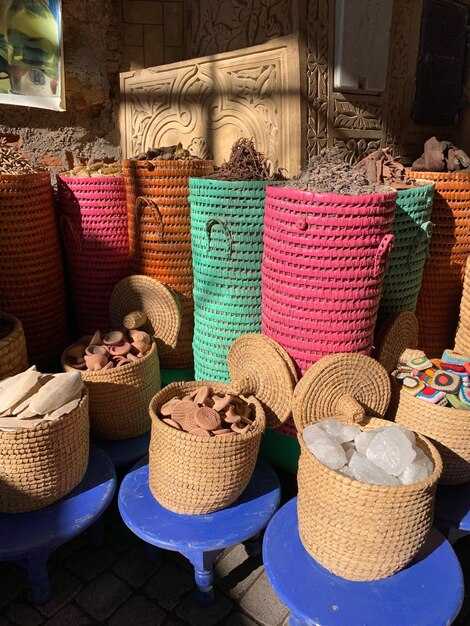 Embera Village – Indigenous Culture & Handicrafts in Panama">

Buchen Sie eine geführte Bootstour in einer kleinen Gruppe im Morgengrauen, um eine Flusssiedlung zu erreichen und Zeuge von lebendigem Weben, Perlenarbeiten und geschnitzten Figuren zu werden. Große Reisende werden eingeladen, an einer kurzen praktischen Aktivität teilzunehmen, bei der sie eine Startperle auf einem Webstuhl weben und ein einfaches Armband aus Palmfasern ausprobieren können. Die Gruppe bleibt klein, um eine persönliche Interaktion mit den Herstellern zu ermöglichen.
Während der Trockenzeit küsst das Licht eine ruhige Seeenge, während Wolken darüber ziehen. Der 15-minütige Spaziergang vom Dock führt an einigen Tümpeln vorbei und mündet dann in den Handwerkerhof. Seit Jahren folgen Reisende dieser Abfolge: Sie sehen sich eine kurze Vorführung an, stellen Fragen und kaufen direkt von den Kunsthandwerkern, wodurch sichergestellt wird, dass diese faire Erträge erhalten, während das Handwerk lebendig bleibt.
Sicherheit Wichtig: Tragen Sie festes Schuhwerk, bleiben Sie in der Gruppe und bewahren Sie Wertsachen in einem wasserdichten Beutel auf. Vermeiden Sie tiefe Wasserstellen in Wildwasserabschnitten; folgen Sie immer dem Guide. Wenn Sie eine kurze Wanderung planen, wählen Sie einen der ebenen Wege und planen Sie genügend Zeit für Fotos und Pausen ein.
Die Preise für Artikel spiegeln den handwerklichen Aufwand wider: kleine Körbe und Perlenarbeiten bewegen sich in der Regel zwischen $15 zu $50, größere gewebte Matten $60–$120, und geschnitzte Schalen variieren in der Größe. Jeder, der diese Region erkundet, sollte ein Handtuch für Flussberührungen und eine leichte Jacke für plötzliche Regenschauer mitbringen; Tickets gelten pro Person, mit Terminen um 9:00 und 11:30 Uhr, abhängig von Wetter- und Flussbedingungen. eine einfache Demonstration dauert etwa eine Stunde, gefolgt von einer kurzen Fragerunde. Die Gruppe kann bei Bedarf eine zweite Sitzung vereinbaren, wenn der Zeitplan enger ist.
Embera Dorf Erlebnisplan

Reservieren Sie einen lizenzierten Führer für eine zweitägige Reiseroute in einer kleineren Gruppe, um das Eintauchen zu maximieren. Beginnen Sie an einem Seeuferdock und wandern Sie in bewaldete Terrassen; das Tempo bleibt moderat, und unser Führer wird jeden Schritt auf Ihre Interessen zuschneiden. Die Route folgt Gewässern, passiert einen Berghorizont und kann an klaren Tagen einen fernen Vulkan enthüllen. Diese Begegnungen ermöglichen einen direkten Austausch mit den lokalen Gastgebern und vermitteln praktische Fähigkeiten, die Sie bei zukünftigen Erkundungen anwenden können. Das Land birgt vielfältige Mikro-Territorien; Sie werden lernen, wie Grenzen und Nutzungsrechte in diesem Gebiet funktionieren, mit Respekt und Zustimmung der Gastgeber.
- Tag 1 – Ankunft, Orientierung und Spaziergang am See
- Treffen am Seeanleger; Sicherheitseinweisung, Verhaltensregeln und eine kurze Wiederholung der grundlegenden Sprachkenntnisse.
- Gehen Sie 4–6 km auf einer Straße und einem Waldweg; halten Sie an einer höheren Stelle an, um die Landformen und Gewässer des Sees zu studieren.
- Einführung in essbare Pflanzen und Warnhinweis bezüglich Giftpflanzen; niemals etwas verzehren, es sei denn, es wurde vom Führer freigegeben.
- Tag 2 – Flussfahrt und abenteuerliche Aktivitäten
- Rafting oder Kanufahren auf einem ruhigen Abschnitt; für die Sicherheit kleinere Paddelteams wählen; Ausrüstung geprüft und doppelt geprüft; diese Touren können organisiert werden.
- Innehalten, um Wildtiere zu beobachten und eine kurze Pause am Flussufer einzulegen; über den Ort und die Beziehung der Menschen zu Wasser und Land sprechen.
- Kultureller Abend: Geschichten, Vorführungen der Perlenstickerei durch Kunsthandwerker; Perlenstickerei und Webkunst werden als Teil der täglichen Kunstfertigkeit präsentiert und nicht als Kunsthandwerk bezeichnet.
- Tag 3 – Teil des Alltags und Abreise
- Praktische Teilnahme an einer einfachen Handwerksaktivität, bei der Sie Techniken und Muster erlernen; Sie können versuchen, ein einfaches Motiv zum Mitnehmen zu erstellen.
- Mahlzeit mit Orangen und lokalen Grundnahrungsmitteln; Ernährungsvorlieben respektieren und Rezepte teilen, wenn dazu eingeladen wird.
- Abschluss und Rücktransport über Straße oder Boot; Optionen zur Verlängerung des Aufenthalts oder zur Anpassung der Tage für weitere Abenteuer könnten arrangiert werden.
Praktische Tipps: Die besten Zeiten sind die trockeneren Monate; bringen Sie leichte Regensachen, Sonnenschutz und eine kompakte Erste-Hilfe-Ausrüstung mit. Nach der Wanderung können Sie darüber nachdenken, was Sie gelernt haben; diese plan nach your pace; fragen Sie den Reiseleiter nach steilen Abschnitten und längeren Wanderungen. The arrangements können werden adjusted to match the travelers’ appetite for adventure and the group’s energy level; keine Flops auf dieser Reiseroute, und Sie werden ein tieferes Verständnis für das Land und seine Bewohner entwickeln. Orangen schmecken am besten, wenn man sie mit Freunden teilt; Sie können auch ein kleines Geschenk mitbringen, um sich bei den Gastgebern zu bedanken.
Embera Dorf: Indigene Kultur, Kunsthandwerk, Ziplining, Vulkankrater & Bergblick in Panama
Buchen Sie eine geführte Kleingruppenreise, die eine kulturelle Begegnung mit einem Adrenalinstoß und einer Kraterwanderung verbindet; wählen Sie einen lizenzierten Betreiber, der Sicherheit, verifizierte Ausrüstungsprüfungen und Tagespläne betont, die auf die morgendlichen Bedingungen abgestimmt sind. Obwohl die Morgen kühler sind und das Licht schärfer ist, beginnt dies früh, um die Sicht zu maximieren und die Hitze zu minimieren. Diese Anordnung bietet eine perfekte Balance aus Natur, Handwerkskunst und Nervenkitzel.
Bei einem Dorfbesuch demonstrieren lokale Kunsthandwerker das Weben, die Perlenstickerei und das Schnitzen von Schalen; diese Stücke stammen von üppigen Pflanzenfarben und nachhaltigen Hölzern und ergeben farbenfrohe Andenken für den Alltag und Reisegeschichten. Wer ein Interesse an Wildtieren hat, kann entlang der Pfade Begegnungen mit Waldtieren erwarten und einen kleinen Markt mit frischen Orangen vorfinden.
Beim Ziplining durchqueren Sie Baumwipfel mit Sicherheitsverschlüssen an den Gurten; Guides erklären vor Beginn die Sicherheitsvorkehrungen, und die Optionen reichen von einer kürzeren Fahrt bis zu einer längeren, anspruchsvolleren Strecke. Es ist möglich, den Flug zur Abrundung des Erlebnisses mit einem ruhigeren Waldspaziergang zu verbinden.
Die Kraterwanderung bietet einen umfassenden Gebirgspanoramablick über die Region; an klaren Tagen öffnet sich die Skyline über üppige Täler und ferne Bergrücken, während eine erfrischende Luft die Immersion verstärkt. Vom Rand aus sehen Sie oft die Flussbecken und das Blätterdach des Waldes, das sich bis zum Horizont erstreckt.
Praktische Tipps: Bringen Sie Wasser und ein paar Orangen für schnelle Energie mit; tragen Sie atmungsaktive Schichten und festes Schuhwerk; Sonnencreme und Insektenschutzmittel erhöhen den Komfort in feuchter Luft. Überprüfen Sie die Verfügung auf Genehmigungen und geführten Zugang; viele Betreiber arbeiten mit lokalen Gemeinschaften im Rahmen von Bundesrichtlinien zusammen, um eine faire Entschädigung zu gewährleisten. Diese Vorbereitung macht die Begegnung sicherer und sinnvoller.
Logistik und Etikette: Begrenzte Gruppengrößen reduzieren Gedränge und Stress für die Guides, deren erfahrenen Teams die Ökologie des Regenwalds, kulturelle Normen und die Bedeutung handwerklicher Traditionen erläutern. Diese Fachleute sind stolz darauf, authentische Geschichten und sichere Praktiken zu vermitteln. Hören Sie daher auf ihre Ratschläge zu Begegnungen mit Tieren und wie Sie reagieren sollen, wenn Wildtiere in der Nähe des Weges auftauchen. Sicherheit hat während des gesamten Erlebnisses weiterhin oberste Priorität.
Respektvoller Besuch: Wie man mit Embera-Gastgebern interagiert und Gemeinschaftsrichtlinien einhält
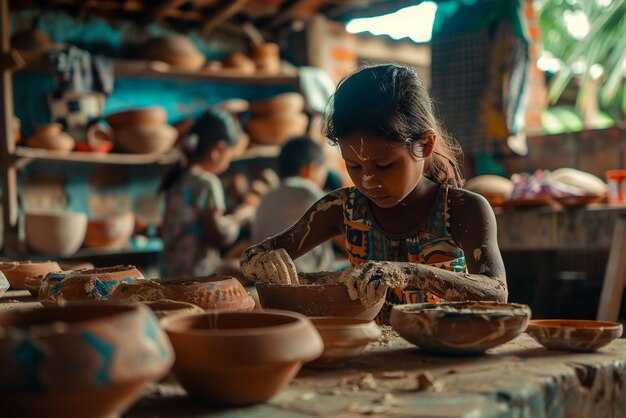
Suche immer die ausdrückliche Zustimmung, bevor du eine Wohnung betrittst; in diesem Land dürfen dich Gastgeber erst nach der Begrüßung nach vorne rufen, also warte auf diese Einladung und beobachte von der Schwelle aus, anstatt als Besucher einzutreten.
Kleidung Angelegenheiten: Tragen Sie bescheidene, langärmlige Kleidungsstücke in natürlichen Farbtönen, nehmen Sie Hüte in Innenräumen ab, wenn Sie darum gebeten werden, und lassen Sie dekorative Accessoires beiseite, um zeremonielle Räume nicht abzulenken.
Für Fotografien ist eine Genehmigung erforderlich; fragen Sie immer, bevor Sie Personen oder Zeremonien aufnehmen – insbesondere während Verdammt Aufführungen oder heiligen Gegenständen; wenn die Erlaubnis erteilt wurde, teilen Sie später Kopien und vermeiden Sie aufdringliche Nahaufnahmen von Kindern oder älteren Menschen.
Wenn Mahlzeiten oder Lebensmittel werden angeboten, nehmen Sie dankbar daran teil und nehmen Sie nur das an, was Sie auch verbrauchen können; unterstützen Sie die Wirtschaft der Comarca, indem Sie bei geprüften lokalen Anbietern einkaufen, und respektieren Sie traditionelle Ernährungsgewohnheiten, anstatt Produkte von außerhalb zu importieren.
Schützen Sie die Artenvielfalt, indem Sie in der Nähe auf den ausgewiesenen Wegen bleiben Gewässer und pools, unter Beibehaltung der Flussufer und schattierte Bereiche; bitte nicht stören Säugetiere oder andere Wildtiere zu gefährden, und alle Abfälle mitzunehmen, um die Natur zu erhalten. Farbtöne und tree Baumkronen entlang der saisonalen Linie.
Wählen Sie einen lizenzierten Führer aus der Comarca; dies Klassifizierung gerechte Einkommensverteilung und Gemeinschaftsprogramme unterstützt; sei ready um die örtlichen Gepflogenheiten zu erlernen, zu vermeiden, Gastgeber unter Druck zu setzen, um Rabatte zu erhalten und Aktivitäten auf das Aktuelle abzustimmen season und respektvoll adventure plan.
Die Küsten- costa und Binnenpfade bieten Schnorchel- und Flusserlebnisse nur in ausgewiesenen Zonen; befolge die Beschilderung, höre auf die Gastgeber und achte auf dein Tempo für eine sichere abschweifend Reisen, die weder die einheimische Flora noch Fauna stören; holen Sie die Erlaubnis ein, bevor Sie Sperrgebiete betreten.
Achten Sie auf klare Signale der Willkommenskultur und kommunizieren Sie in einfachen Worten; Sie sollten looking vor einer direkten Beteiligung die Zustimmung einzuholen; wenn Sie Zweifel haben, halten Sie inne und konsultieren Sie einen Übersetzer, um Fehltritte während einer Aktivität namens Community Gathering zu vermeiden. Stellen Sie sicher, dass Sie ready sich anpassen an Verfügung und gegenseitigem Respekt.
Authentische Handarbeiten: Echte Handwerkskunst erkennen und eine einfache Verhandlungsstrategie
Bitten Sie die Verkäufer auf den Marktplätzen am Hafen, verifizierte Werke hervorzuheben; seien Sie bereit, mehrere Artikel zu vergleichen und beharren Sie auf einem fairen Zielpreis; fragen Sie nach Herkunft und Materialien des Artikels und verlassen Sie sich auf den Ort, an dem er hergestellt wurde, um die Authentizität zu beurteilen; verwenden Sie einen Plan, um die Preise verschiedener Verkäufer auf anderen Märkten zu verfolgen.
Echte Stücke weisen Naturfasern, handgefertigte Oberflächen und Motive auf, die mit Wäldern, Riffen und dem Wasser verbunden sind; achten Sie auf Herstellersignaturen oder Werkstattetiketten; in Fonseca-Küstenständen sind von Flößen inspirierte Schilfarbeiten und Muscheleinlagen üblich; prüfen Sie die Verarbeitung und die Farbgebung durch wasserbasierte Farbstoffe; die Authentizität steigt, wenn ein Stück eine bestimmte Werkstatt und den Namen des Handwerkers aufführt; ein kurzes Gespräch mit dem Verkäufer enthüllt oft die Geschichte hinter dem Stück; der Einfluss der Ozeane wird in den Designs deutlich und spiegelt ein starkes Ortsgefühl entlang von Küsten und Flüssen wider.
Einfache Verhandlungsmethode: freundlich begrüßen, nach dem Preis fragen und ein Ziel um die 60% des ursprünglichen Angebots vorschlagen, angepasst an Materialqualität und Verarbeitung; wenn der Verkäufer kontert, ein Paketangebot für mehrere Artikel unterbreiten, um den Wert zu hebeln; standhaft bleiben, aber Respekt zeigen und bereit sein, wegzugehen, wenn sich die Bedingungen nicht verbessern; Ihre Macht wächst, wenn Sie Bereitschaft zeigen, den Austausch zu fairen Bedingungen zu lösen; wenn Sie sich einigen, bitten Sie um ein kleines Schildchen mit dem Namen des Herstellers, um den Urheber und seine Werkstatt zu unterstützen und die lokale Wirtschaft zu stärken.
Plane eine praktische Route zwischen Märkten, um ähnliche Stücke entlang von Flussuferrouten und in der Nähe von Waldrändern zu vergleichen; fahre an einem klaren Tag zwischen den Standorten hin und her, und mache nach ein paar Käufen eine Pause an Stränden oder in einem Café am Riff, um zu überprüfen, was du gelernt hast; besorge dir Empanadas für einen schnellen Snack und genieße die Entspannung am Meer; wenn Regen die Besichtigung unterbricht, wechsle zu überdachten Ständen und setze sie fort; lange Gespräche über die Herkunft helfen jedem, Zeit und Klassifizierung einzuschätzen, besonders wenn Regenfall die Materialauswahl und Farben beeinflusst; Flugreisen können dich mit stärker nachgefragten Zentren verbinden, aber der wahre Wert bleibt in der Arbeit und ihrem lokalen Ursprung verwurzelt.
Mit achtsamer Vorbereitung entdecken Sie authentische Artefakte, die ein echtes Gefühl für Handwerk, Geschichte und Ort vermitteln; Reiseführer und Einheimische helfen Ihnen beim Vergleich von Stücken, während Sie Preis und Wert abwägen, um ein faires Ergebnis für Käufer und Hersteller zu gewährleisten und Ihnen eine unvergessliche Reise zu bescheren, die von Qualität, Respekt und Entdeckung geprägt ist.
Details zur Seilrutsche: benötigte Ausrüstung, Sicherheitsüberprüfungen und empfohlene Routen
Bevor du dich der Startplattform näherst, lege eine Ganzkörpergutfahrt, einen Helm, Handschuhe und festes Schuhwerk an. Zur erforderlichen Ausrüstung gehören ein Dual-Lock-Karabiner, eine Laufkatze, ein zusätzliches Sicherungsseil und ein Gurtzeug mit den richtigen Gurten; packe eine kompakte Tasche mit Wasser und Lebensmitteln für eine kurze Wanderung ein. Familien, die bereit sind, können auf einer Route erwarten, die dich durch dichte Vegetation und über kleine Bäche im Chiriquí-Reservat führt und großartige Ausblicke auf das Blätterdach sowie die Möglichkeit bietet, Tiere und Strände entlang des Weges zu sehen. Der Startplatz ist deutlich markiert, um die Gruppe zusammenzuhalten, was die Wanderung angenehm macht.
Sicherheitsüberprüfungen: Vor der Freigabe Anker und Hauptkabel auf Verschleiß oder Korrosion prüfen; bestätigen, dass Karabiner verriegelt sind und die Rolle frei läuft; Bremsanlage an beiden Enden prüfen; sicherstellen, dass die Sicherungsleine gesichert ist und das Wetter für die Fahrt geeignet ist. Der Guide beaufsichtigt das Verfahren und führt eine kurze Testrutsche auf einem niedrigen Abschnitt durch, um ein komfortables Handling zu bestätigen. Keine Verzögerungen treten auf, wenn die Kontrollen gründlich sind.
Routen: Empfohlene Optionen umfassen einfache Abschnitte von etwa 0,8–1,3 km, die für Familienanfänger geeignet sind, einen mittelschweren Abschnitt von 1,9–3,2 km, der breitere Vegetationskorridore durchquert, und einen längeren Abschnitt von bis zu 4,8 km, der Flüsse und steile Schluchten überspannt. Alle beginnen am Startplatz im Reservat in der Nähe von Vegetation und Wildtieren; optimale Zeiten sind morgens oder am späten Nachmittag, wenn die Sicht hoch ist und die Tiere aktiv sind; einschließlich Ruhepausen und Fotomöglichkeiten bleibt das Erlebnis für Gruppen aus nahegelegenen Regionen komfortabel und unvergesslich, wobei die zurückgelegten Kilometer von der gewählten Strecke abhängen. Dieser Flug ist bodengebunden, keine Flugzeugreise; Bewerber können auf Flussabschnitten Flöße und weiter flussabwärts gelegentlich Angler sehen, was das Ortsgefühl auch an einem warmen Tag verstärkt.
| Item | Details | Anmerkungen |
|---|---|---|
| Getriebe | Ganzkörpergurt, Helm, Handschuhe, Laufkatze, Doppelkarabiner mit Verriegelung, Sicherungsseil, Rucksack mit Wasser | Das Gepäck leicht halten; Lebensmittel und Beef Jerky eignen sich gut für schnelle Energie. |
| Safety checks | Anker und Kabel auf Verschleiß prüfen, Karabiner auf Verriegelung prüfen, reibungsloser Lauf des Laufwagens, funktionierende Bremsen, geeignetes Wetter sicherstellen | Der Reiseleiter führt Kontrollen durch; es kommt zu keinen Verzögerungen, wenn diese gründlich sind. |
| Routes | Leicht: 0,8–1,3 km; Mittel: 1,9–3,2 km; Lang: bis zu 4,8 km; bietet Vegetation, Flussblick | Start am Startplatz im Chiriquí Reservat; beste Momente am Morgen/späten Nachmittag |
Zugang zu erloschenen Vulkankratern: Wanderwege, Genehmigungen und beste Wetterbedingungen
Empfehlung: Buchen Sie einen lizenzierten Führer und sichern Sie die Genehmigung 2–3 Tage vor dem Versuch; beginnen Sie im Morgengrauen, um das blaue Licht über dem Krater einzufangen, und beenden Sie die Tour vor Mittag. Tragen Sie Kleidung, die für variable Luftfeuchtigkeit geeignet ist, führen Sie eine leichte Regenjacke mit sich und sorgen Sie für eine ausreichende Flüssigkeitszufuhr; Taxitransfers zum Ausgangspunkt sind von der nächstgelegenen Stadt aus üblich, sollten aber im Voraus arrangiert werden, insbesondere in den Hauptmonaten.
-
Crest Rim Circuit
Distanz: ~6,2 km; Höhenunterschied: ~420 m; Zeit: 3–4 Stunden; Schwierigkeitsgrad: mittel. Highlights: Aussichtspunkte am Kraterrand, ein sanfter Wasserspray entlang exponierter Abschnitte, Wasserfälle in Farnschluchten und Abschnitte, in denen man blaues Morgenlicht erleben kann. Beste Zeit: Februar–April; Start vor 06:00 Uhr, um die Sicht zu maximieren. Hinweis: Genehmigung und Führer sind für die Überquerung der oberen Hänge erforderlich; der Weguntergrund besteht aus Wurzeln und Kies, daher ist festes Schuhwerk unerlässlich.
-
Flussanfahrt über die Chagres-Entwässerung
Distanz: ~9,5 km; Höhenunterschied: ~520 m; Zeit: 5–7 Stunden; Schwierigkeitsgrad: anspruchsvoll. Merkmale: Canyon-Routen, Waldkorridore, mehrere Wasserdurchquerungen und Möglichkeiten, inselartige Kanäle zwischen den Feuchtgebieten des Tieflands während der gesamten Wanderung zu beobachten. Genehmigungen erforderlich; ein lokaler Führer wird dringend empfohlen. Beste Monate: Dezember–April; außerhalb des Trockenzeitfensters besteht ein höheres Risiko von angeschwollenen Bächen. Der Weg bietet längere, einsame Abschnitte für diejenigen, die Wildtiere beobachten möchten.
-
Skyline über Old Service Road
Distanz: ~7,8 km; Höhenunterschied: 350–450 m; Zeit: 4–5 Stunden; Schwierigkeitsgrad: mittel. Eigenschaften: allmählicher Anstieg, offene Bergrücken mit vereinzelten Schattenplätzen und mehrere Aussichtspunkte, von denen aus man das Kratergelände von oben betrachten kann. Geeignet für ein angemessenes Tempo mit abwechselnden Abschnitten aus Streusplitt und festem Erdreich; am besten in der Trockenzeit. Erfordert eine Genehmigung; lokale Betreiber bieten dies oft als Kombipaket mit einem kurzen Bootstransfer an, falls erforderlich, und sie können ein Taxi zum Ausgangspunkt organisieren.
Genehmigungen und Verfahren: Wenden Sie sich an die regionale Reservatsbehörde, um eine Genehmigung zu erhalten; Genehmigungen werden pro Gruppe ausgestellt und erfordern die Auflistung aller Teilnehmer; die typischen Gebühren liegen zwischen 10 und 25 USD pro Person und können Führerleistungen beinhalten; führen Sie während des gesamten Aufstiegs eine gedruckte oder digitale Genehmigung mit sich; für die meisten Routen ist ein lizenzierter Führer obligatorisch und wird oft mit dem Ausflug kombiniert; bringen Sie einen Ausweis und einen beispielhaften Reiseplan mit, falls Sie von den Mitarbeitern dazu aufgefordert werden; in manchen Wochen sind die Eintrittsplätze begrenzt, daher muss die Buchung im Voraus über den offiziellen Kanal erfolgen.
Beste Wetterfenster und saisonale Hinweise: Die Trockenperiode erstreckt sich ungefähr von Dezember bis April; die beste Sicht und die längsten Tageslichtstunden gibt es von Februar bis April; planen Sie, früh zu starten und bis zum späten Vormittag fertig zu sein, um Sonneneinstrahlung und Nachmittagshitze zu vermeiden. Die feuchteren Monate, ungefähr von Mai bis November, bringen Bewölkung und häufige Schauer mit sich; die Flusspegel steigen und einige Wege können instabil sein. Berücksichtigen Sie, dass die Reise Wetterwarnungen unterliegen kann; warten Sie mit dem Aufstieg, wenn sich Stürme bilden. An klaren Morgen können Sie einen spiegelsatten blauen Horizont und einen ruhigen Kratersee sehen; bei hoher Luftfeuchtigkeit erleben Sie Nebel und kühlere Temperaturen in der Morgendämmerung.
Praktische Tipps und Logistik: Anreise von der nächstgelegenen Stadt mit dem Bus oder einem vorab arrangierten Shuttle; die Routen führen durch verschiedene regionale Lebensräume und können durch kleine ländliche Straßen und an Feldrändern entlangführen; planen Sie mehrere Stunden bei ordentlichem Untergrund ein und bringen Sie ausreichend Wasser, Snacks und ein kompaktes Erste-Hilfe-Set mit. Für die Ausrüstung gilt: Kleidung und festes Schuhwerk sind ein Muss; packen Sie eine kompakte Regenschicht, Sonnencreme und einen Hut ein. Stellen Sie sicher, dass Sie einen designierten Ansprechpartner für Sicherheitsunterweisungen mit Ihrem Guide haben; führen Sie immer eine Karte oder ein Waypoint-Gerät mit sich und vermeiden Sie es, auf inoffiziellen Wegen umherzuwandern. Wenn Sie einen reibungsloseren Start wünschen, arrangieren Sie am Vortag ein Taxi zum Ausgangspunkt des Wanderweges und bestätigen Sie die Abholzeiten, da Verspätungen Ihr Beobachtungsfenster verkürzen und einschränken können, was Sie vor Einbruch der Dunkelheit sehen können. Dieses Ziel belohnt Geduld: Bleiben Sie auf den Weg konzentriert, respektieren Sie die Regeln des Reservats und führen Sie Hunde und andere Haustiere an der Leine, um sowohl die Tiere als auch die Umwelt zu schützen.
Hinweise zu Zugänglichkeit und Notwendigkeiten: Rechnen Sie mit mäßigen Anstiegen und unebenem Untergrund; einige Abschnitte sind steinig und erfordern Aufmerksamkeit auf den Tritt; unbenutzte Ausrüstung oder zusätzliche Ausrüstung (Ersatzkleidung, zusätzliche Schichten und eine kompakte Taschenlampe) können bei kühleren oder feuchten Bedingungen einen großen Unterschied machen; wenn Sie auf Opcións mit überfüllten Straßen oder Märkten in der Nähe stoßen, planen Sie Ihren Transit mit einem lokalen Partner, der die beste Route zum Tor der Isthmus-Region kennt. Überprüfen Sie vor der Abreise immer die aktuellen themenspezifischen Beschränkungen und Reservierungshinweise.
Bergblicke & Foto-Spots: Timing, Standorte und Beleuchtungstipps
Beginnen Sie bei Tagesanbruch auf dem nördlichen Kamm oberhalb des Tals, um das klarste Licht und die schärfsten Silhouetten zu erhalten. Die Luft ist frisch, die üppigen Hänge erwachen, und der Himmel offenbart ein Farbspektrum, das die Szene für dramatische Kaskaden aus Schatten und Tönen bereitet.
Drei verlässliche Anlaufstellen ein ausgewogenes Portfolio ermöglichen: a) den Aussichtspunkt an der Hauptstraße oberhalb der Straßen, der ferne Vulkangipfel mit einem weiten Panorama einrahmt; b) eine Flussterrasse, wo smaragdgrünes Blätterdach auf einen weiten Horizont trifft und das Meer dahinter an ruhigen Morgen glitzert; c) eine felsige Landzunge, wo farbenfrohe Morgenröte über flache Riffe vor der Küste gleitet und die Küstenlinie einen natürlichen Rahmen bildet.
Beleuchtungstipps Nutze die Goldene Stunde für Aufnahmen mit gesättigten, warmen Farbtönen und die Blaue Stunde für kühle Silhouetten, die sich vom dunkler werdenden Himmel abheben. Verwende einen Polarisationsfilter, um den Himmel zu verstärken und Blendeffekte auf dem Wasser zu reduzieren, belichte drei Bilder mit unterschiedlichen Belichtungseinstellungen, um das Lichtvolumen einzufangen, und halte den ISO-Wert niedrig mit einem stabilen Stativ, um Details bei schwachem Licht zu erhalten und gleichzeitig Rauschen zu vermeiden, wenn sich das Licht mit der Bewölkung verändert.
Anmerkungen zu Wildtieren und Gelände: iguanas sich wahrscheinlich auf sonnenbeschienenen Felsen sonnen, und daily Wolkenbewegungen formen Schatten über die Hänge. Achten Sie auf Gefahren, die keine Pflanzen sind, wie z.B. poison plants in damp zones, and plan for extreme weather by packing rain gear. If exploring the coast, you can catch incredible reflections off calm lagoons and the reefs offshore, while the surrounding Land offers a tapestry of scenery that rewards persistent shooting. Historical routes once enslaved laborers built these paths, a reminder to move with respect and observe local guidelines. Be mindful of wassereinspeisung signals at taps and fill bottles before heading back to your destination.