


 Deutsch
  English (UK)
  Русский
  العربية
  日本語
日本語  한국어
한국어  Magyar
  Türkçe
  Español
  Čeština
  Svenska
  Português
  Ελληνικά
  Suomi
Suomi  Nederlands
  Română
  Italiano
  Français
  Polski
  Українська
  简体中文
简体中文  Slovenčina
 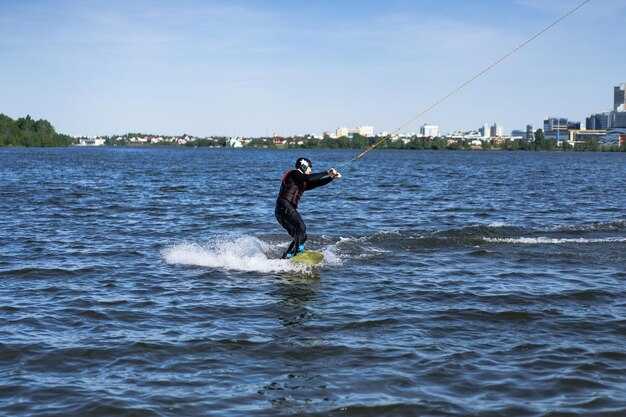 DFW Wakeboarding – Top Spots, Gear & Tips in Dallas-Fort Worth">

Beginnen Sie an einem Wochentagmorgen mit dem Lake Lewisville, um sich frühe Fahrten zu sichern. Dort bestimmen ruhige Winde und spiegelglattes Wasser das Tempo für Anfänger und Fortgeschrittene. Es gibt Verleihshops und freundliche Gastgeber, die Ihnen helfen, schnell aufzustehen und die gewünschten Levels zu erreichen. Für Studenten und Besucher bietet dieser Ort einfachen Zugang zur Ausrüstung, eine starke Atmosphäre und ein klares Herz für den Sport, das Sie zusammen mit anderen genießen können.
Weitere Top-Spots in der Gegend von DFW sind der Grapevine Lake und der Lavon Lake, jeder mit seinen besonderen Merkmalen. Grapevine Lake bietet stetige Winde und eine moderate Fetchlänge, was ihn zu einer verlässlichen Wahl für Anfänger macht, die zu fortgeschritteneren Tricks übergehen. Lavon Lake ist bekannt für längere Strecken und klares Wasser; seine Rampen am Stadtrand und die Marinas erleichtern die Logistik, und Angler berichten oft von Sichtungen von Vögeln und Schwarzbarschen in den Buchten. Lake Ray Hubbard bietet einen schnellen Zugang vom östlichen Dallas, während Eagle Mountain Lake tieferes Wasser und weniger Menschenmassen an Wochentagen bietet. Alle diese Orte sind bei lokalen Vereinen, Atmosphären-Enthusiasten und Geschäften anerkannt, die die Community vor Ort und zurück bedienen.
Ausrüstung Quick-Start für eine solide Session: Wähle eine Boardlänge, die deinem Level und Gewicht entspricht, und passe die Seillänge an, um die Geschwindigkeit auf der Wake zu kontrollieren. Für Anfänger hilft eine 50–60 ft lange Leine mit einem breiteren, stabilen Board, um leichter aufzustehen und mit geringerem Risiko zu fahren. Fortgeschrittene Fahrer können zu 60–75 ft langen Leinen wechseln, um ihre Schwünge auszudehnen, während erfahrene Fahrer kürzere Leinen verwenden, um enge Kurven entlang des Ufers zu fahren. Die Bindungen sollten eng anliegen und eine geeignete Schwimmweste ist unerlässlich. Lokale Geschäfte bieten zusammen mit zertifizierten Lehrern Anproben und Testtage an und freuen sich über ein kurzes Dankeschön, wenn Sie die Wirtschaft unterstützen, die diese Optionen ermöglicht.
Praktische Tipps für einen reibungslosen Tag sind die Zeitplanung um Winddrehungen herum und der Respekt vor der Tierwelt. Morgensitzungen haben oft das beste Wasser, während späte Nachmittagsbrisen für Kabbelwasser sorgen können. Achten Sie auf Vögel und Sichtungen in der Nähe von Buchten und halten Sie die Geschwindigkeit in Ufernähe niedrig, um die Lebensräume zu schützen. Wenn Sie mit Freunden oder einem Verein unterwegs sind, koordinieren die Gastgeber Shuttle-Optionen, und nach der Sitzung können Sie sich am Stadtpavillon treffen, um Fahrten zu vergleichen. Einige Veranstaltungen fügen mit Musik und Fotos eine Puerto-Atmosphäre hinzu, die Ihnen hilft, sich mit anderen Fahrern zu vernetzen. Dank der lokalen Führer können sich auch Anfänger als Teil der Gemeinschaft fühlen.
Planen Sie Ihre Ausflüge mit zuverlässigen lokalen Quellen: Wake-Shops, Marinabüros und Stadtanlagen veröffentlichen aktuelle Zeitpläne und Sicherheitsrichtlinien. Die DFW-Wakeboard-Szene floriert durch den Verkauf von Ausrüstung, Reparaturdienste und Anfängerkurse an vier Seen, wobei mehrere zertifizierte Trainer über universitätsnahe Clubs und Gemeindezentren tätig sind. Wenn du dich verbessern möchtest, buche ein Unterrichtspaket, das deinem aktuellen Niveau entspricht, und du wirst schnellere Fortschritte sehen. Indem du den Empfehlungen der Gastgeber folgst und ein paar Übungsstunden einlegst, baust du eine persönliche Aufzeichnung von Sichtungen, Wetteränderungen und Tricks auf, die du gemeistert hast, und schaffst so eine Community, die ihr gemeinsam für die kommenden Saisons genießen könnt.
DFW Wakeboarding Guide: Top Spots, Gear & Tipps
Starte deine erste Wakeboard-Session des Jahres auf dem Lake Lewisville. Seine langen, flachen Uferlinien, die zahlreichen Rampen und die stetigen Winde schaffen eine fehlerverzeihende Umgebung für Anfänger und sorgen für stetige Fortschritte bei fortgeschrittenen Fahrern.
Zusammen mit dem Grapevine Lake und dem Lake Lavon bildet Lewisville ein Dreigestirn großer Wasserflächen in den Countys Denton, Tarrant und Collin. Sie bieten ähnliche Windfenster, Parks entlang des Ufers und kinderfreundliche Anlegestellen, die das Üben den ganzen Tag über bequem machen.
Packe clever: Bring ein Wakeboard von 130-135 cm, verstellbare Bindungen, ein 60-70 ft langes Zugseil und eine leuchtende Weste. Verleihgeschäfte führen Sunfish Boards für Anfänger, und du kannst deine Haltung bei leichtem Kabbelwasser oder an spiegelglatten Morgen einstellen.
Versorge dich mit Wasser und Snacks für deine Sessions und plane frühe Starts, um ruhiges Wasser zu erwischen. An den meisten Spots kann man von Frühling bis Herbst fahren, wobei im Winter je nach Wetterlage nur eingeschränkter Zugang besteht.
Erkunden Sie nach der Fahrt die großartigen Viertel rund um die Seen, die Parks und Attraktionen entlang der Küstenlinie. Ranger und Parkmitarbeiter helfen Ihnen bei den Startregeln und der Sicherheit, sodass es einfach ist, die Vorschriften einzuhalten, während Sie lernen und Spaß haben.
Der nahegelegene Campus von ExxonMobil unterstützt lokale Schulungs- und Ausrüstungsläden, und die Countys in Texas rund um Dallas bieten große, zusammenhängende Spielplätze, auf denen Wakeboarder ihre Fähigkeiten ausbauen können. Die Szene im gesamten Dallas County, Denton County und den umliegenden Countys sorgt dafür, dass man Jahr für Jahr Sessions zählt, mit Optionen für Fahrer aller Niveaus.
| Spot | County | Best For | Empfohlene Ausrüstung | Anmerkungen |
|---|---|---|---|---|
| Lake Lewisville | Denton | Anfänger & Fortschritt | Wakeboard 130-135 cm, Bindungen verstellbar, 60-70 ft Seil, Weste | Breite Oberfläche, Rampen in der Nähe, ideal für lange Läufe |
| Grapevine Lake | Tarrant | Zwischenprodukte | Wakeboard 133-136 cm, 18-20 m Seil | Große Wasserfläche, gut zum Carven und für Tricks |
| Lake Lavon | Collin | Ruhige Morgen & Fortschritt | Wakeboard 130-134 cm, 18-21 m Seil | Ruhigere Buchten, stetige Windfenster |
| Joe Pool Lake | Dallas | Lokaler Zugang & Praxis | Wakeboard 130-133 cm, 60 ft Seil | Verschlafene Buchten in der Nähe von Wohngebieten, einfache Anlegestellen |
| Lake Ray Hubbard | Dallas | Windige Tage & größere Wellen | Wakeboard 132-135 cm, 21 m Seil | Schnelles Wasser, Abschnitt offener Küstenlinien |
DFW Wakeboarding: Spots, Gear & Tipps für Eagle Mountain Lake, Lake Worth und Marine Creek Lake
Beginne am Eagle Mountain Lake mit einem 20 Meter langem Schleppseil und einer eng anliegenden Schwimmweste. Fahre dann den Hauptkanal entlang, um das Geradeausfahren zu üben. Wechsle in die ruhigeren Buchten, sobald du mehr Selbstvertrauen gewonnen hast. Hier treffen sich an ruhigen Morgenstunden Tausende von Fahrern, was eine einladende Atmosphäre für Anfänger und Fortgeschrittene schafft. In der Nähe halten es die Einheimischen einfach: Entspannen, auf die Form konzentrieren und einen geschmeidigen Rhythmus bei jeder Fahrt entwickeln.
Eagle Mountain Lake – Spots
- Hauptkanal direkt nördlich der Marina: lange, gleichmäßige Wellen, die ideal für Fortschrittsübungen und vorhersehbare Starts sind.
- Buchten in der Nähe der Einfahrt: weicheres Wasser und weniger Boote, perfekt für Kantenübungen und einfache Drehungen, wenn wenig Verkehr herrscht.
- Flache Buchten neben Parks: fehlerverzeihendes Wasser, um Haltung und Gleichgewicht zwischen den Sätzen zu überprüfen; ein Begleitboot zur Sicherheit mitbringen.
Lake Worth – Flecken
- Westlicher Kanal in der Nähe der städtischen Marina: gleichbleibende Tiefe, ideal für erste Versuche und zum Aufrechterhalten der Schnurspannung.
- Spillway Bay Bereich: Mäßiger Kabbelwasser, der dir hilft, an deiner Kantenkontrolle zu arbeiten und Schwünge einzuleiten.
- Inlet-adjacent coves: quieter water and simpler first-ride setups for beginners starting a new trick.
Marine Creek Lake – Spots
- North shore near Marine Creek Park: shallow, clear water ideal for slow pulls and fall recovery drills.
- Central channel: faster flow for bigger wake practice once you’re comfortable with balance and stance.
- Adjacent coves: small-water sections to dial in rope length and sit-down transitions between tricks.
Gear & Tips for all three lakes
- Tow rope length: start at 65 feet, adjust to 70–75 feet as you improve, and keep a spare rope on board.
- Board and bindings: mid-size board (about 134–136 cm) with snug bindings; upgrade to a wider board as skills widen to include spins and flips.
- PFD and protection: wear a U.S. Coast Guard–approved life jacket; add a thin wetsuit 3/2 or 2/1 in shoulder seasons for buoyancy and warmth.
- Rope management: test the line height before every turn; keep the handle close to the hips to avoid catching water.
- Safety extras: helmet is optional but useful for beginners; carry a spare leash and a small first-aid kit in the boat.
- Weather awareness: wind shifts and flooding risk can alter water surfaces; start early and monitor the following forecasts and lake reports.
- Practice rhythm: focus on one speed and one edge at a time; longer sessions in the cooler parts of the day help maintain calm water.
Local insights & practical notes
These spots are part of a broader wakeboard culture that blends outdoor life with water-friendly businesses and services. Nearby neighborhoods and local shops regularly organize clinics, gear swaps, and group runs, making it easy to pick up tips from watchers and fellow riders alike. When you’re out here, you’ll notice that the life around the lakes reflects a relaxed, community-driven vibe. In addition to the riding scene, you’ll find occasional collaborations with large regional employers like ExxonMobil and other regional facilities, which helps support gear shops and training programs. The chatter you hear about lines, timing, and technique often references several local crews–the way they break down runs can give you ideas for your next set. To keep progressing, focus on small, repeatable improvements, and use the following approach: start with fundamentals at Eagle Mountain Lake, apply them at Lake Worth, and finish with precision drills at Marine Creek Lake. They’ll help you build confidence, and with regular sessions, the latter days often feel smoother as you become more consistent, creating a reliable routine that scales with every session.
If flooding risk or heavy rain is forecast, check the water levels and plan a shorter session at Lake Worth or Marine Creek to avoid choppy water conditions. Remember that these spots are adjacent to multiple access points and amenities, which makes getting on the water easy for locals and visitors alike. As you explore each area, you’ll see how they support different styles and how thousands of riders contribute to the shared culture–a mix of casual families, serious amateurs, and dedicated watchers here for the thrill of the ride and the sense of community they’ve built together.
The Top Eagle Mountain Lake Wakeboarding Trips
Kick off a sunrise wake session from the main public ramp to feel glassy water and set the pace for your activity; this location often opens with light breeze and calm conditions that enthusiasts chase.
Trip 1: Morning run along the western shore delivers predictable wind on clear days and easy watercraft management for beginners. Head to the townsite launch, ride for 90 minutes, then switch to a shoreline break to hydrate with gallons of water. The atmosphere is relaxed, making it ideal for families and enthusiasts building confidence.
Trip 2: Clinic with university clubs and local instructors. Local university groups often host weekend sessions that combine coaching, drills, and on-water feedback. Participants, creating solid fundamentals, network with other enthusiasts. After the session, explore nearby festivals or continue exploring the natural surroundings and visit museums in the area. Additional sessions can be scheduled, depending on weather and lake management.
Trip 3: Afternoon exploration and relaxation. Explore the townsite for lunch at local eateries and check out local attractions; if you have something left, tourists can visit Fort Worth museums or other cultural spots to extend the trip. Return to the water for a short sunset session using a different watercraft for variety.
Practical tips: plan your day around light wind and water conditions. Choose a name for your preferred run and identify something to improve each session. Arrive early, check wind reports, bring watercraft gear and spare parts, and pack shade and hydration options. Remember to wear a life vest and helmet if required, respect lake management rules, and keep an eye on the natural surroundings for safe, enjoyable wakeboarding all day.
Nearby Lakes for Wakeboarding: Eagle Mountain Lake, Marine Creek Lake & Lake Worth
Start at Eagle Mountain Lake for your first wake session: easy access from the west side across Dallas–Fort Worth counties, rolling wakes, and steady wind patterns create predictable runs. The eagle landmark on the western shore marks easy access, and a local company ready to outfit your crew with boards and PFDs, allowing you to roll without delays. Even during droughts, Eagle Mountain maintains usable water levels and a wide shoreline, making it a reliable choice for your sessions.
Marine Creek Lake is a compact option northwest of Fort Worth, closer to the city than Eagle Mountain and great for practice days. Access is straightforward from the loop road, with early mornings offering calmer water and lighter traffic. Additional parking and nearby amenities improve access, while an abundance of boaters on weekends keeps traffic lively. The lake is one of several destinations in the area; authorities maintain the launches and safety flags, and the lake’s formation and surrounding valley walls create sheltered pockets for smoother pulls. Wind shifts also create opportunities to create different lines along the shore.
Lake Worth sits south and west of the core metropolis, with a growing set of destinations around its shoreline. The abundance of ramps and nearby marinas supports quick, repeated runs, and the Whitehead area provides amenities for a full day of riding. Generations of riders have kept the vibe alive here, with ongoing updates to access and parking by county authorities, making Lake Worth an easy, accessible option for a midweek or weekend session. If you plan a multi-lake day, this destination pairs well with Eagle Mountain and Marine Creek, allowing you to extend your riding to different water formations and wind patterns. There is something for riders of all levels.
Recommended Gear for DFW Wakeboarding: Boards, Vests, Ropes & Safety Checks
Start with a twin-tip wakeboard around 138 cm for riders 70–85 kg; 141–143 cm suits 85–100 kg; heavier riders 144–146 cm. Choose a board with a forgiving continuous rocker and removable fins for versatile conditions on DFW lakes. If you were planning early-season trips with friends, a slightly longer board helps hold line on rough water. there is value in a foam core for lightness and durability; building a comfortable stance with a 20–22 cm stance width improves balance. For public launches and road trips, a compact, transport-friendly board saves space.
Vests: Opt for an impact vest with foam panels that provides buoyancy and impact protection. Size from XS to XXL; ensure snug fit with adjustable straps. Wear a proper PFD when boating; vests alone are not a substitute. Regularly inspect seams, zippers, and straps; replace worn items promptly to keep the heart of your setup safe. Following these steps keeps you in control between pulls.
Ropes & handles: Use a 55–65 ft (17–20 m) rope with a 3/16–1/4 inch (4.7–6.3 mm) diameter. Choose handles with a comfortable 6–9 inch grip and a quick-release safety. Keep a spare rope on trips; test the quick release before each set. For lakes with heavy traffic, consider a slightly longer rope to give the rider more room to edge and recover. After use, rinse with fresh water to remove residue and extend life.
Safety checks: Pre-run: inspect bindings for loose screws; check the board surface for cracks; look for nicks on the rope; confirm the quick-release works. Lakes around Dallas–Fort Worth host fishing and public boating, so keep your distance and stay aware of others. Post-run: rinse gear with fresh water, dry completely, and store in a shaded, ventilated space. Do a weekly check of all hardware and storage; keep a small repair kit on board or in the bag. There are numerous shores and public ramps where building a routine around checks reduces incidents. In residential zones near ramps, store gear out of sight and use a dedicated bag. After rough water or crowded conditions, run extra checks.
Maintenance and care: after each session, continue cleaning salt, sunscreen, and debris from gear; relax and take a few minutes to dry. The beauty of DFW waters shines on calm mornings. Build a simple care routine: wipe the board, inspect fins, and hold onto the rope until dry. Whitehead-approved checks exist for clubs, investors and camps that run public waters. The narrative of your setup grows with regular upkeep; early and consistent care keeps gear clean, and makes trips with friends safer and more enjoyable. There are numerous trips in the area, and a solid kit supports every ride. This approach has been adopted by many riders and clubs, and it helps you hold up your gear season after season.
Ride Tips for DFW Waters: Wind, Water Temperature & Skill Progression
Start each session by checking wind and water temperature; ride only when wind stays under approximately 15 mph and water temperature sits above 60°F. This precise window keeps chop manageable and helps you progress safely toward higher speeds and longer rides.
Regularly consult official forecasts and wind charts for DFW lakes, exploring dawn and late-afternoon windows when breezes settle. For beginners, aim for days with wind under 15 mph and water around approximately 60–72°F; as temperatures rise, you can stretch toward 75°F if you supplement with a light wetsuit and steady hydration. The latter approach often applies to lakes near busy urban centers where crowds grow as the day heats up.
Progression follows a continued, increasing path. Start with a centered stance, light knee bend, and clean edge control on flat water; then add rope tension and controlled carves; next, practice transitions and brief air attempts to build confidence. Trained coaches or club mentors from official centers guide you through levels and help you read wind shifts and chop as populations of riders increase in bustling spots. In addition, burris programs support rider development through targeted drills.
In DFW, communities are served by a network of schools and clubs. the burris center and other training hubs formally welcome riders from twin cities and nearby farmland regions, located near the metro area, creating bustling scenes with a steady flow of newcomers and seasoned riders alike. In addition to lessons, many companies offer lane-use rules and water-safety guidelines to keep populations safe and moving.
Water temperature guides gear decisions. The beloved wakeboarding cultures across DFW adapt by layering. approximately 60–75°F warrants a 2–3 mm spring suit; 75–85°F allows a shorty or rash guard; below 60°F requires a full 4/3 to 5/4 wetsuit with gloves. Regularly check the water temperature and wind before you ride; wind can make it feel cooler than the thermometer shows. In addition, plan hydration and sun protection for long sessions.
Wind strategy emphasizes reading gusts and adjusting speed and edge accordingly. When gusts rise, shorten the rope and switch to a closer edge; keep a clear center line with other riders and respect nearby boats and swimmers. Regularly practice edging drills at moderate speed to build confidence with increasing wind and chop; still, keep your rescue plan and on-shore support ready.
Continue to expand your skill set by exploring new lakes, but do so gradually. Communities around Dallas–Fort Worth grow as riders come from nearby farmland regions and twin-city neighborhoods, creating a bustling network of lovers of the sport; exploring new spots with a buddy and a clear plan helps you stay safe and motivated. Community projects keep riders engaged year-round, and the sector continues to grow with partnerships among centers, schools, and local companies.
Additional Details: Access, Parking & Fort Worth Lakes Recreational Activities
Park in the main boat-ramp lot early on weekend mornings to ensure easy access and a short walk to the water, reducing the chances of being caught in weekend traffic and letting you relax the moment you arrive.
Most parks charge a modest day-use fee, and signage identifies which lots are for boat trailers versus general use; bring cash or a card to cover the parking fee and to access amenities such as restrooms, potable water, and shaded picnic areas.
Where you park, you’ll find ramps and docks with clear paths; some lots offer power outlets for RVs or charging stations, and many sites include ADA-accessible ramps, benches, and shade, allowing a comfortable start to your lake day.
During a clear weekend, the atmosphere around Fort Worth lakes feels inviting, and when the wind shifts, birds soar above the water and families escape for a quick recharge before or after playing on the shoreline.
Near the dallas-fort region, cultural offerings and education opportunities surround lake venues: universities host programs, museums run classes, and local vendors offer demonstrations, making a strong economic and educational ecosystem.
Valley views frame many park sides, and the signs name parking zones clearly; following them keeps you from circling, helps you maintain control of gear, and speeds your completion of prep.
Some parks provide military discounts or special rates; verify at the ranger station or the posted notices before you arrive to ensure savings for weekend visits.
Tips for success: arrive early, check the weather, and respect posted rules; doing so helps most visitors enjoy access, which supports a smooth, safe experience.