


 Deutsch
  English (UK)
  Русский
  العربية
  日本語
日本語  한국어
한국어  Magyar
  Türkçe
  Español
  Čeština
  Svenska
  Português
  Ελληνικά
  Suomi
Suomi  Nederlands
  Română
  Italiano
  Français
  Polski
  Українська
  简体中文
简体中文  Slovenčina
 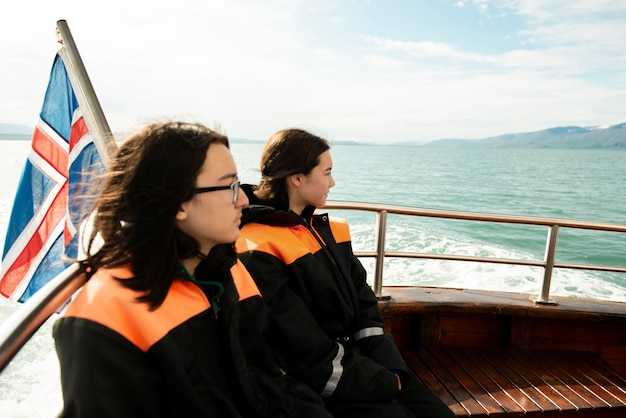 Costa Brava Segeln – Der ultimative Leitfaden mit Tipps und Marinas">

Book a dawn charter and head straight to turquoise calas along the Costa Brava to catch glassy water and fewer crowds. Start with Roses or Cadaqués, where early light flatters the cliffs and your first navigation feels controlled and rewarding.
Exploring the coastline means hopping between calas, areas where shelter matters most. Look for calm coves from Roses to Cadaqués, where wind is gentler and the mediterranean water stays clear toward the afternoon.
Marina options include Port de Roses, Port l’Estartit, Palamós, Blanes, and Sant Feliu de Guíxols, each offering berths, fuel, chandlery, and waterfront dining. heres a simple planning note: pick a southern base for the first leg and switch north as you gain confidence.
Policy and practical tips: take note of anchoring rules in protected areas such as Cap de Creus and other nature reserves. If you prefer fewer variables, book fixed moorings when possible and use harbour master services to avoid fines. This approach keeps crew safe and morale high as you move towards your preferred routes.
The culinary scene along the coast shines with dishes such as suquet de peix and grilled sardines, reflecting a culinary mix that fuses Catalan tradition with mediterranean flavors. In spain you’ll find small family eateries that welcome sailors after a day’s sail, turning fresh seafood into memorable meals.
For confidence on the helm, plan short hops of 20–40 nautical miles, anchor in calmer coves, and check local winds each morning. Fewer moving parts on a well-structured route keeps the crew safe and makes the experience better.
heres a compact 5-night outline you can adapt: Roses → Cadaqués → L’Escala → Palamós → Blanes, with a final return to Roses. Use this frame to explore calas, areas where you can drop anchor safely, and towards calmer mornings that set the pace for your Costa Brava adventure.
Practical Planning for Costa Brava Sailors
Book marinas in Palamós, Blanes, Roses, and Cadaqués at least six weeks ahead to guarantee best berthing during peak season. Use a trusted agency to confirm reservations and check each venue’s management policies for late arrivals, fee structures, and guest limits. To book a berth later, contact the agency. This approach will guarantee smoother check-ins.
Divide the coast into areas with unique coastlines: between Calella de Palafrugell and Begur, the Cap de Creus headland, and the sheltered ports around Blanes and Roses. Each area offers unique anchorage options, pristine coves, and breathtaking beauty, and your plan should align with wind direction and daylight. The coastline’s beauty is a constant bonus for a well‑timed sail.
Identify the best sailing windows by checking regional forecasts and historical patterns. Lean on advanced forecast tools; the combination of light morning winds and calmer seas typically produces the warmest sailing conditions and the smoothest passages along the coastline. Plan to sail so you reach the first port by midday to maximize safety and comfort.
Maintain quality gear and environmental discipline onboard. Inspect sails, lines, and fenders before each hop; carry a dedicated safety bag with PFDs, a throwable, and a first aid kit. Pack a spill kit and practice environmentally responsible waste disposal to protect the pristine coastline.
Consider road access and local transport for port hops. Most marinas provide secure parking and easy taxi or bus connections to towns like figueres for a day trip. The route boasts scenic towns and easy road access, so plan a figueres visit to Dalí’s Theatre‑Museum and return before dusk.
Create a flexible itinerary that accommodates weather windows and marina availability. Advanced bookings are a must in summer; prepare backups in Roses or L’Escala to reduce detours and keep the plan smooth. Seasoned skippers will keep the tempo steady while adjusting to sea‑state realities.
Agency-backed checks and safety guarantees help avoid last-minute stress. Ensure your boat’s insurance is active, confirm licenses if required, and keep a copy of the local port regulations. A clear safety plan will guarantee smoother operations.
Budgeting and provisioning: outline a weekly spend for fuel, groceries, and marina fees, then book main stops in Palamós and Blanes where on-site supply quality is high. Use local markets to stock fresh produce, and reserve a contingency in your budget for weather-induced delays and emergency moorings. This plan will keep costs predictable.
| Category | Action | Details | Timing |
|---|---|---|---|
| Pre-trip bookings | Reserve berths | Marinas in Palamós, Blanes, Roses, Cadaqués; confirm with agency | 6 weeks before |
| Route planning | Outline areas | Calella de Palafrugell to Cap de Creus; Cap de Creus to Roses | 2 weeks before |
| Safety & gear | Inventory | Sails, PFDs, first aid, spill kit | Pre-departure |
| Provisioning | Groceries & fuel | Stock quality products; use local markets | During trip planning |
| Day trips | Figueres visit | Dalí Theatre‑Museum; drive from Roses/ Figueres | Mid-trip |
When is the best time to sail Costa Brava? wind, seas, and crowd considerations by season
The best overall window is late spring or early autumn–May or September–for a balanced mix of wind, seas, and quieter harbors. If you can choose today, pick May or September rather than the peak July crowds. This decision helps you sail with a unique blend of reliable conditions, open bays, and fresh coastal life.
-
Spring (April–June)
- Wind and seas: steady 12–18 knots on coastal hops; afternoon sea breezes push into the 15–22 knot range, enough to keep you into a comfortable planing tempo without rough seas.
- Crowds and setting: tourism grows gradually; there is there a calmer feel than midsummer, with open ports in Palamós, Begur, and the famous llafranc area offering close-to-shore sailing and easy anchoring in protected bays.
- Permits, anchoring, and planning: check permits for anchoring in natural spots around the Cap de Creus natural park–some areas require permits or designated moorings. Choose well-reviewed spanish companies that provide clear cancellation terms. This is ideal to train beginners and level up sailing skills, as sea conditions remain forgiving and the coastline offers a natural classroom.
- Tips: start from Lloret de Mar to Blanes and work north; use calmer mornings to open horizons, life aboard blending with coastal delights, and stay flexible in schedule.
-
Summer (July–August)
- Wind und Meere: Nachmittage bringen starke Thermik entlang der Küste mit, bei typischen Winden von 15–25 Knoten; Morgenstunden können leichter sein, was einen angenehmen Start für Tagessegler ermöglicht, aber später am Tag zu Staus führen kann.
- Massen und Umgebung: Hochsaison-Tourismus führt zu belebten Marinas und überfüllten Ankerplätzen; bays wie Tamariu, Aiguablava und Cala Montgó lebhaft werden, während there sind großartig offers ftage wenn Sie im Voraus buchen.
- Genehmigungen, Ankern und Planung: Planen Sie im Voraus –cancellation Richtlinien und refund options vary by spanish companies. Erwarten Sie höhere Tarife und mehr Einschränkungen in der Nähe beliebter Häfen; erwägen Sie kürzere Strecken und frühe Starts, um den Andrang zu vermeiden.
- Tipps: wenn Ihr Ziel das soziale Segeln ist, dann ist dies der Höhepunkt, aber whether Ob Sie eine lebhafte Szene oder ein paar ruhige Buchten wünschen, Sie werden beides finden, indem Sie in weniger frequentierten Buchten rund um Calella de Palafrugell oder Lloret de Mar in den Randzeiten fahren.
-
Herbst (September–Oktober)
- Wind und Meere: Winde setzen sich in zuverlässige 12–20 Knoten mit frisch Morgenstunden; die See bleibt weiterhin angenehm zum Küstenhopping, oft verbessert sich die Sicht nach der Sommerhitze.
- Mengen und Umgebung: Tourismus verblasst vom Höhepunkt; open Häfen und Buchten wirken entspannter; bays along Begur to Aiguafreda offer quiet anchoring and natural scenery for shore visits.
- Genehmigungen, Verankerung und Planung: Überprüfen Sie kurzfristig refund und cancellation options with spanish companies da sich Wetterfenster verschieben können; verlängern viele Betreiber flexible Konditionen in den frühen Herbst hinein.
- Tipps: dies ist eine starke Periode für choose eine längere Kreuzfahrt mit weniger Menschenmassen; es ist ein guter Zeitpunkt, wenn du life allein treibend, in einem angenehmen Tempo, mit tours und Küstengenüsse in ruhigeren Meeren.
-
Winter (November–März)
- Wind und See: insgesamt leichtere Bedingungen, oft 5–12 Knoten; Tage mit nutzbarem Segeln sind weniger und das Wetter kann sich schnell ändern, daher kurze Strecken planen und in geschützten Bereichen Schutz suchen. bays.
- Volksmassen und Umgebung: ruhige Häfen und niedrigere Sätze verführen. starting Segler zu gewinnen level experience; das ist weniger über lange Kreuzfahrten und mehr über das Üben von Erfahrung. anchoring und Bootmanöver in geschützten Buchten.
- Genehmigungen, Ankern und Planung: stets überprüfen cancellation Bedingungen und Verfügbarkeit sicherer Festmacheplätze während der Nebensaison; einige offering options reduce during winter, but refund Es gibt Möglichkeiten, wenn Reisen aufgrund schlechter Bedingungen ausfallen.
- Tipps: wenn Sie ein Wintertrainingsgelände benötigen, treten Sie einem train Programm an Bord eines stabilen Schiffes; Fokus auf risikoarme Küstenstrecken und Lernen life afloat at a comfortable setting.
Unabhängig von der Jahreszeit belohnt die Küste der Costa Brava. both legeres Segel und längere Reiserouten. Planen Sie mit vertrauenswürdigen spanish companies, Überprüfen cancellation terms, und suchen Sie nach flexible refund options. Ob Sie in llafranc oder in einer südlichen Bucht, werden Sie einen finden. unique Mischung aus zerklüfteter Küstenlinie, Kiefernwäldern und kristallklarem Wasser, die jeden Tag auf See zu einem macht. life bestätigend delights.
Welche Marinas entlang der Costa Brava bieten zuverlässige Liegeplätze, Treibstoff, Reparaturen und Küsteneinrichtungen?
Empuriabrava Marina ist die beste Allround-Wahl für zuverlässige Liegeplätze, Treibstoff, Reparaturen und Küsteneinrichtungen entlang der Costa Brava. Dieser große, gepflegte Komplex bewältigt einen stetigen Schiffsverkehr und bietet Tankstege, Schiffswerften, einen Schiffsausstatterhandel, Duschen und eine Wäscherei entlang einer breiten Uferpromenade. Für Liebhaber des Lebens auf See fühlt es sich wie ein Paradies an, mit einem Serviceniveau, das auch in den Juli-Massen Ruhe bewahrt. Es ist ratsam, im Voraus zu buchen; diese Reise beginnt mit einer schnellen Liegeplatzbestätigung, und Sie können nach der Ankunft schnell an Bord gehen. Das Straßennetz und die nahegelegenen Bahnverbindungen erleichtern die Erweiterung Ihrer Reiseroute nördlich entlang der Küste der Bravas.
Marina de Roses vereint Zuverlässigkeit und Erreichbarkeit mit einem soliden Liegeplan, einer besetzten Tankstelle und Werkstätten für kleinere Reparaturen. Die Ufereinrichtungen umfassen moderne Duschen und eine Wäscherei, während die Hafenpromenade Spaziergänge am Meer und nahegelegene Cafés bietet. Wenn Sie eine Segelreise im Frühling oder im Juli planen, spart eine frühzeitige Buchung Stress, und Ihr Stützpunkt ermöglicht es Ihnen, den Golf von Roses und die nahegelegene Natur und Inseln wie die Medes-Inseln zu erkunden. Dieser Stopp hält Ihr Schiff in der Nähe der Costa Brava, mit einem einfachen Straßen- und Zuganschluss für weitere Reisen.
Der Palamós Hafen bietet solide Liegeplätze und zuverlässigen Treibstoff, mit Reparaturarbeiten und Kran-Service vor Ort. Die Hafenstadt am Meer bietet ein lebhaftes Leben mit dem Flair einer traditionellen Fischerei, während der Hafen für kleine Schiffe ruhig bleibt. Reiserouten können hier nach einer langen Etappe ankernden, und eine Vorausbuchung für juli ist ratsam. Der Hafen verfügt über gute Straßen- und Eisenbahnverbindungen nach Girona und darüber hinaus, was Tagesausflüge zu nahegelegenen Naturschutzgebieten und den Inseln erleichtert.
Weiter südlich bieten der Hafen von Blanes und der Hafen von Lloret de Mar zuverlässige Liegeplätze für Cruising-Boote sowie Küsteneinrichtungen wie Duschen, Wäscherei und Treibstoff. Wenn Sie einen persönlicheren Stopp wünschen, bietet Portlligat in der Nähe von Cadaqués Schutz mit einer Küstenatmosphäre und einfachen Zugang zur berühmten Dalí-Residenz. Von hier aus können Sie die Küste weiter zu Cadaqués und der Route Cap de Creus verfolgen; die Straßenanbindung und das regionale Eisenbahnnetz machen diesen Abschnitt sowohl für einen kurzen Stopp im Frühling als auch für einen längeren Aufenthalt bis zum Juli bequem.
An efficient itinerary for this coast begins in Empuriabrava, then moves to Roses, Palamós, Blanes, Sant Feliu de Guíxols, Lloret de Mar, Portlligat, Cadaqués, and Llançà, with a final hop to Figueres by train or road for a culture break. Each stop adds more life and nature to your voyage; you’ll find calm anchorages away from crowded resorts, but still enough to enjoy the seafront and harbor atmosphere. In july, temperatures rise and winds shift, so check the forecast and book berths in advance to keep your schedule flexible.
What are the top sailing routes and day trips along the coast from Blanes to Cadaqués?
Begin with Blanes to Tossa de Mar as a reliable opener, enjoying sheltered bays and a medieval skyline; anchor near Cala Giverola to stretch legs ashore and sip coffee on the quay. Then push north to Sant Feliu de Guíxols and Palamós, where two marinas offer good services and calm moorings between beaches and fishing culture.
From Palamós, push to Calella de Palafrugell, Llafranc, and Tamariu, threading between coves that hide turquoise water and pine-fringed headlands. The route works well for families and newcomers, with protected approaches into small harbors and anchorages off coves like Aiguablava and Sa Tuna.
North of Begur, sail to Port de la Selva and Cadaqués; Cap de Creus creates a dramatic backdrop, and the coast boasts isolated bays and lighthouse views. From Cadaqués, plan a half-day to Cap de Creus and Cala Jóncols; these are beautiful anchorages with clear water and unforgettable scenery.
What to pack and how to provision for a Costa Brava charter on a yacht or sailboat
Pack a compact, well-equipped seven‑day kit to start your journey with confidence. Include breathable layers, quick-dry clothing, sun protection, a light rain shell, and a rugged dry bag for shore visits. Keep essential safety gear accessible: PFDs, a first-aid kit, a flashlight, and a waterproof pouch for documents. This setup is absolutely ready for day sails, hiking, and exploring picturesque coves in the bays here along the coast. This place prepares you for your trip with fewer surprises.
Provision with a practical mix of non-perishables and fresh picks from nearby markets. Stock water at least 20–25 liters per person for a week, plus a 5-liter emergency bottle. Add shelf-stable staples: olive oil, pasta, rice, canned tomatoes, legumes, and canned fish. Keep a spice kit for flavor variation. For fresh meals, plan 3–4 seafood options using prawns or local fish bought at markets in Palamós, Blanes, or Cadaqués. Reserve a couple of flexible days to visit picturesque bays and enjoy crystal-clear swims, while preserving ice and freshness in a well-insulated cooler. If your charter includes galley staff, follow their list; otherwise coordinate with marina shops to restock at a dockside stop.
Storage and energy management matter on a sailboat. Use a compact fridge or a top-load cooler with gel packs and a freezer pouch. Verify your boat’s power system and avoid running the fridge at peak times to save battery. Use reusable containers, label everything, and plan meals around the Spanish menus and local markets. When market days align with your route, you’ll find seasonal produce that elevates meals without blowing the budget.
Clothes and gear for coastal sailing. Layered clothing for day sails and evenings, plus a warm layer for cooler nights. Bring non-slip deck shoes, a sun hat, sunglasses, and reef-safe sunscreen. For hikes ashore, pack lightweight walking shoes, a compact daypack, and a water bottle. Here in Costa Brava, you’ll often explore historical towns with dramatic coastlines and picturesque views, so prepare gear to resist salt spray and sand. Pack some extra underwear and a couple of towel changes to cover some long stretches between ports.
Safety gear and spare parts you’ll want on board. Include life jackets for all aboard, a basic toolkit, spare fuses, rope, fenders, mooring lines, and a dependable anchor kit. Check that your insurance and the boat’s safety features are up to date, and confirm what is included by the charter. If a marina offers provisioning services, consider using them to reduce on-board load and minimize trips.
Provisions on the ground and planning tips. Map your route to include towns with fresh markets and coastal farms. Some days, fill the galley with Spanish staples and local seafood, and on others, enjoy easy meals with ready-to-use ingredients. To guarantee a smooth trip, reserve provisioning slots ahead of time with your preferred shops or marina, especially during festivals when supply can tighten. Included options in some charters can simplify the plan; otherwise, bring what you know works, adapt to the route, and savor the rewards of a truly unforgettable Costa Brava trip.
What safety rules, licenses, VHF usage, and local navigation practices should sailors know?
Get a valid VHF radio operator’s certificate before you sail spanish waters, and keep the certificate on deck for inspection. Program your MMSI, enable DSC, and test your antenna and battery. In marinas along the Costa Brava, harbour masters expect you to identify your vessel and berth on Channel 16, then move to a working channel after the initial hail.
For VHF etiquette, start every contact with your vessel name and port of call, hail on Channel 16, and confirm the intent of the other side before transmitting. Use Channel 70 for DSC calls when available, and keep messages concise with position, heading, and intention. Always monitor Channel 16 and switch to a local working channel after a successful exchange; this streamlines traffic and helps avoid congestion during busy mayjune periods when the glow of coastal towns attracts crowds.
Navigation practices rely on updated charts, AIS, and a careful look around coves and along islas. Enter shallow areas at slow speed, maintain a wide berth from moored boats, and give way to commercial or ferry traffic. In narrow entrances near dalís and stunning coves, prefer daylight pilotage or seek local guidance if winds push you toward shallow reefs. Flexible planning makes it easier to meet weather windows and still keep to your schedule along villages and private islas alike.
Local rules mandate safe speeds inside harbour limits, and many coves enforce quiet hours and anchoring restrictions. When approaching private marinas, call ahead and follow harbour master instructions. If you must anchor, choose approved sites and maintain at least the published distance from other craft; respect protected areas, particularly around islas, coves, and religious or festival zones that can surge boat traffic during festivals.
Safety gear on deck should be ready and accessible: one life jacket per person, a throwable floatation device, a proper anchor with adequate rode, fenders, and a waterproof VHF with spare batteries. Keep a first-aid kit, a light source, and a waterproof chart or tablet on hand. For emergencies, know how to declare a Mayday and provide your exact position; this is your quickest path to help when you’re in trouble at sea or in a crowded harbour.
Training and preparation pay off: take practical training with local sailors, study harbour guides, and rehearse docking drills in several marinas along the gateway coast. Heres a simple routine to get stronger: review your VHF calls, practice pilotage in shallow bays, and run through a couple of night-to-day transitions before making tours with guests. This approach helps you handle unexpected conditions, meet safety expectations, and sail better while enjoying the stunning Costa Brava coastline.