


 Deutsch
  English (UK)
  Русский
  العربية
  日本語
日本語  한국어
한국어  Magyar
  Türkçe
  Español
  Čeština
  Svenska
  Português
  Ελληνικά
  Suomi
Suomi  Nederlands
  Română
  Italiano
  Français
  Polski
  Українська
  简体中文
简体中文  Slovenčina
 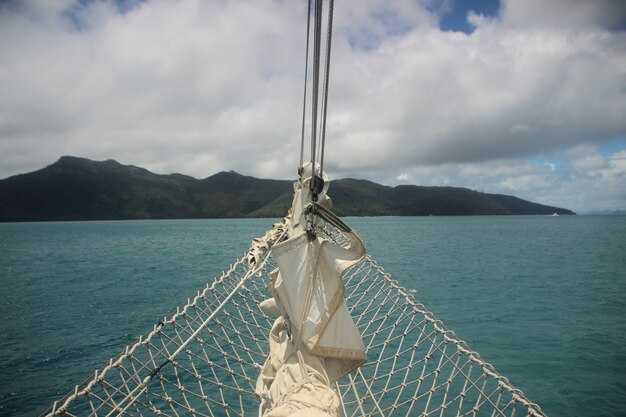 BVI Yacht Charter with Skipper – The Ultimate Guide to a Seamless Sail">

Book a skipper-led charter for your BVI escape to guarantee a seamless sail from the moment you cast off. With a skipper on board, your vessel handles weather, tides, and marina checks while you and your friends focus on erkunden. and memory-worthy moments. grab the crew, save on stress, and set a plan that fits a little group or a larger party, while keeping your appetite for adventure satisfied.
For options, choose a smaller vessel when your crew is tight or a great monohull for strong sea legs. Jungferninseln itineraries work well with 4–6 cabins on a charter-boat, and many operators offer a captain-and-crew package. virgin coves along the route offer pristine anchorages; A note from thomas: a 38–46 ft model typically handles up to 6 guests and keeps island hops efficient.
When planning days, generally keep legs under 3–4 hours to allow snorkeling breaks and avoid fatigue. On the water, check speeds and adjust routes for currents; a skipper will avoid long sails between anchorages. Expect 15–20 knots under typical trade winds; plan a midday break at a protected cove, then resume for sunset sails. Keep cell coverage in mind for updates and sharing moments with friends back home.
Budget and provisioning tips: provisioning for a 4-night charter with skipper typically costs about $2,500–$3,500 base plus crew; marina fees, fuel, and provisioning add to the total. Provide a few tips for efficiency: pre-order staples for days with limited shopping time, reserve anchorages with options for weather windows, and keep a flexible plan with options for back-up routes. For groups of friends, consider a split sail plan so half the crew swims while the other handles dock work. That approach helps everyone stay energized and generally satisfied.
To pick a plan that fits your appetite for smooth sailing, ask the captain for a day-by-day rhythm and to recommend a reserve list of back-up stops. A skipper with a well-trained crew will keep everyone safe, and a well-managed schedule makes the charter feel effortless for your circle of friends.
DAY 5: Refine plan, safety checks, and on-board operations for a flawless sail
Finalize the refined plan now by aligning the skippered crew on the upwind leg, confirming the weather window, and locking the route that maximizes protection for the catamaran’s hull and sails.
Start with a concise briefing: assign watches, confirm who handles the dinghy, who manages lines, and who communicates with the club or harbour authority if a halt is needed.
Run the safety checker: life jackets and tethers worn, harnesses clipped on deck, VHF channel on 16, and fire extinguishers and first-aid kit checked. Ensure watertight compartments are sealed and the reefing lines are clear.
On-board operations: assign roles for sailing, trimming, and helm duties; establish a strict, skipper-led routine so movements stay smooth when tacking upwind. For a chartered vessel, set a rotation to prevent seasickness and maintain focus during sun- and shade-transition periods, especially in the afternoon heat.
Navigation refinement: mark a safe alternative route that avoids busy bight areas and shallow shoals; ensure the next leg allows a nice, upwind progression, and adjust the plan therefore to preserve fuel and provisions for the evening.
Wildlife and environment: keep a respectful distance from turtles and protected parks; maintain a clean deck; use proper water hygiene and secure provisions to avoid spills; monitor the weather and sea state to keep the crew comfortable and safe.
Fuel strategy and provisioning: check the fuel gauge, confirm dockside prices, and top up only if the rate fits the plan; track provisions inventory and rotate fresh items to minimize waste. For a baby on board, secure stowage and adjust speeds to reduce motion, and ensure child life vests and sun protection are ready.
Evening operations: prepare the anchoring plan, deploy lights and fenders, and confirm the tender is secure. Run a final night watch briefing and update the log with any deviations from the plan; review upwind options for the final run and ensure there is a calm, smooth transition to the evening sail.
Confirm weather window, sea state, and optimal routing for Day 5
Confirm the Day 5 weather window within the next 12 hours and plan a late-morning departure to stay near sheltered routes. This keeps the charter calm, predictable, and great for a smooth sail and a gorgeous on-water day.
Fact: the forecast indicates a trade-wind pattern from ENE at 15–20 knots, average around 17 knots, with gusts to 22 knots. Seas are 1–2 ft near the coast and 2–3 ft in open water. The most likely ideal window for a steady leg is 10:30 to 15:30; if gusts push beyond 22–24 knots or seas rise, shorten the day and head ashore earlier.
Routing: if the wind remains upwind for Day 5, pick a picked route that prioritizes a lee-island leg, a sheltered bay, and then a comfortable broad reach back. If the forecast eases, go for a direct, nearshore hop to a nearby anchorage and enjoy a relaxed evening ashore. In any case, prefer routes under a 15–20 nautical mile day to keep speed predictable and fuel use lower, while giving guests a personal, safe experience.
Operational notes: monitor ferry traffic near ports and busy coves; confirm marina or anchorage policies and fees in advance; have cash on hand for local moorings or a quick pickup. If weather shifts, leave the planned leg and switch to the ashore option; the choice should be documented here with a picked fallback plan. Keep the crew ready to adjust the plan, tend to safety, and maintain a steady watch pattern during the upwind sections. The day can also be a playground for skill-building and teamwork as you refine handling and communication on the fly.
candi: record the picked route and best window in the charter briefing here for reference. This section also covers local policies and safety steps to keep the market-friendly, highly-rated experience steady. A friendly monkey may appear ashore at some stops, which you can enjoy as a small moment of pause before the evening visit to a gorgeous bay.
Review skipper briefing: route milestones, gear checks, and contingency options
Provide a written skipper briefing 24 hours before departure that clearly outlines route milestones, gear checks, and contingency options. In the caribbean, attach the itineraries for the upcoming legs with day-by-day milestones, anchorages, and expected times at each spot to keep their group aligned. Make the briefing accessible on a phone and have a printed copy if needed, because months of vacation on a private vessel require clarity.
Include a gear list with what is needed on board: life jackets for all, a VHF radio with spare batteries, a fire extinguisher, a first-aid kit, waterproof signaling gear, charts or a tablet with offline maps, spares for the engine, lines, fenders, and a spare anchor. The crew should verify the gear provided at check-in and perform a mid-trip top-up as needed.
Outline contingency options: if squalls arrive or winds pick up, drop anchor in a sheltered area behind a rock or in a calm bay; if the engine falters, switch to the backup plan and prepare the tow vessel; if a leg must be skipped, reroute to the next convenient anchorage. Therefore, present clear decision points and assign responsibilities so the group stays coordinated.
Map the itineraries with milestones that balance blue-water sailing and sheltered stops, including a bathing spot for a midday swim and a sand-free option for a quiet dinner on deck. Note fishing opportunities and highlight a convenient spot for lunch, then plan the dinner in a cove where guests can enjoy a sunset view and easy access to the vessel.
For group vs private charters, assign a lead navigator for the group and keep a flexible schedule for private vacations, ensuring budget constraints are respected. In all cases, provide precise timing, designate trustable backups, and keep their pace comfortable throughout the trip, with continuous updates and practical adjustments as wind and sea state change. The goal is a smooth experience that minimizes surprises and preserves the crew’s readiness for the next leg.
Audit provisioning and onboard cooking plan for the day
Audit provisioning against the day’s menu and your port hopping plan, then adjust quantities for your small crew on a bareboat charter.
Create a simple ledger: items, perishables, dry goods, beverages, and non-food supplies; tally guests and the planned cruise length to set minimums.
The menu for a typical day aboard starts with a quick breakfast: yogurt cups, oats, fresh fruit, and coffee; for lunch, tuna wraps with greens; dinner features lemon-garlic chicken with roasted vegetables or a vegetarian pasta; snacks include crackers, nuts, and fruit. This setup is fantastic and flexible, and it works with many tastes without overloading the galley.
Schedule cooking into two shifts: morning prep before departure and a mid-day cook for lunch; if you face a rock-bound anchorage, switch to a quick one-pan dish. Assign John to grill and a small pan, while another person tends salads and sides. One crew member will tend the salads. Keep a close eye on time and use a break midway to reset gear and check supplies.
Beverages include virgin options such as virgin mojitos and sparkling water; keep a cooler with ice for very cold drinks, and plan a 2-litre beverage allotment per two guests to avoid waste. You can offer tea or coffee on demand as a small pick-me-up between ports.
Use cards to track purchases and leftovers; mark items that appear on the next port stop or in the anchorages; after provisioning, store receipts in a folder so you can close the day with a quick tally. assign john to update the cards after each purchase. This is especially helpful when you return to port and need a clear record for your crew and the skipper there.
Spring produce like apples, citrus, onions, and carrots adds bright flavor; plan for 1–2 bunches of greens and herbs per 4 guests, and aim for a 3–5 day shelf life on fresh items if you’ll be extending your cruise. From the market, pick many items that travel well in a vacuum or sealed bag and keep them in a cooler to preserve texture.
Anchorages and cays along your route favor lighter meals when you’re tied to the dock and heavier ones when you’re at sea. For a calm afternoon in an anchorage close to shore, a fresh salad and sandwich works well; port hopping between islands calls for a hot dish or pasta to fuel your adventure. There are often flexible options to adjust the plan as weather or guests change, while keeping your range and schedule intact there.
There’s no need to overthink; this plan keeps you efficient, consistent, and ready to adapt to weather or guest requests.
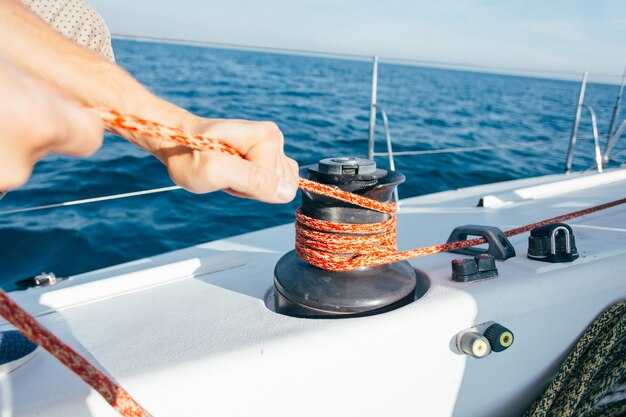
Practice docking, lines, fenders, and man-overboard drills at the marina
dont waste time with vague tips–reserve a 90-minute marina slot with a skippered boat and run through each drill in order. Equip the boat with 4-6 fenders, multiple lines of different diameters, a spare line, a heaving line, a throwable buoy, and PFDs. Assign clear roles: helmsman, line handlers (bow and stern), and a caller. Peter coordinates the sequence to keep pace, and the crew gains confidence through direct, hands-on practice. An abundance of small, focused tasks beats long, unfocused sessions. If the wind shifts around a hurst, adjust the plan but dont skip the drills.
-
Docking approach and mooring
- Conduct a skippered approach in calm water, target 1–2 knots, and use a direct heading toward the dock.
- Assign roles before you move: bow line, stern line, and a caller. Maintain clear radio or spoken commands; the helmsman keeps the boat steady and predictable.
- Prepare fenders so they contact the hull at the right height; place one fender roughly midship on each side and adjust as the boat settles.
- Near the touch point, ease the throttle to idle and secure the bow line first, then the stern line; always keep lines slack under control and never let them whip.
-
Lines handling and cleat work
- Use a two-person line handling team: one handles the line from the deck, the other at the cleat; keep line wraps neat with a tidy turnover to prevent jams.
- Pass a spare line to the cleat with a secure figure-eight or cleat hitch, then snug without over-tightening; check tension after each securesment.
- Practice short tacks of line tension, and rehearse releasing a line quickly if the boat shifts unexpectedly.
- Always keep hand protection; gloves reduce rope burn and improve grip when fatigue grows.
-
Fender strategy
- Start with two fenders per side, then add extra if gusts rise or the slip is asymmetric. Position fenders to shield the widest part of the hull.
- Use long, adjustable lines to move fenders as the boat shifts; recheck height after the boat settles and again when tide or wind changes.
- Aim for consistent clearance from piling or quay, especially on small slips where space is tight and marinas can feel crowded.
-
Man overboard drill
- Choose a MOB marker and throw a buoy with line to the side where the incident would occur; shout “MOB” and point to the location.
- The closest crew member keeps sight of the person in the water; the helmsman maintains safe speed while the recovery team executes a controlled figure-eight pattern to return to the MOB.
- Use a dedicated retrieval path and assign a lookout to prevent obstructions from ferry traffic or other boats. Wear PFDs and keep communication concise.
- Once recovered, restart the engine calmly and verify everyone on board is accounted for before continuing the practice.
-
Debrief and ongoing practice
- Review each phase with a quick verbally led summary; note times, line handling issues, and fender positioning so future sessions improve rapidly.
- Record insights in a small section of your log; plan a follow-up session in another marina to vary conditions and reinforce skills.
- Keep the crew rotating duties, so everyone gains experience on the hand, the line, and the MOB protocol; this keeps the life aboard well-balanced and safer.
That disciplined routine turns marina practice into excellent prep for every voyage. It helps you live the life of a capable, skippered crew, with safer handling under real-world conditions and an agenda that never leaves gaps. An ashore review after each session reinforces the lessons, and the currency of time spent practicing pays back during every sailings. The process is especially valuable in busy marinas, where small mistakes can escalate; with prepared hands and well-equipped gear, you’ll handle hopping traffic and crowded slips with confidence. This section is designed for an easy, direct read–and the overall gains are highly tangible, even for a small crew.
Prep snorkeling, beach stop, and safety gear for Day 5 activities
Begin Day 5 with a skippered plan to snorkel near cays, then a beach stop at calm anchorages, using moorings to prevent crowds and protect coral. This route takes you through four spots and keeps the pace relaxed, which likely yields a fantastic, stress-free experience for the whole crew.
Have a compact safety kit onboard: mask, snorkel, fins that fit, reef-safe sunscreen, a rash guard, a dry bag, whistle, signaling mirror, and a spare battery for the camera. youre crew will brief guests on safety, and nanny can supervise younger guests on shore for added peace of mind.
Each snorkeling session focuses on different activity areas: coral heads, shallow reef flats, and a sandy sandbar where fish are likely to gather. For a good balance, plan four sessions with short breaks at beach spots, and leave enough time to enjoy the water without too much exertion. With this approach, the experience remains pleasant for beginners and seasoned snorkelers alike.
Budget note: allocate a budget for four core items and onshore snacks. Prices for rental gear in the BVIs range roughly from $5 to $20 per item per day, and a bundled deal with the skippered charter lowers overall costs. This makes the day good for guests and offers a fantastic experience, with stress kept to a minimum and a smooth company-run plan.
Leave the marina early to prevent crowds, head to anchorages with clear moorings, and keep the boat within range of the spots you snorkel. This approach yields a splendid morning and avoids crowds on shore; youre able to enjoy the coast at your own pace, and the nanny can coordinate kid activities while you snorkel.
| Item | Purpose | Qty | Prices (est.) | Anmerkungen |
|---|---|---|---|---|
| Maske | Clear underwater view | 1 per person | $5-15 | Comfort fit |
| Snorkel | Breathing aid | 1 per person | $5-12 | Silicone mouthpiece |
| Fins | Propulsion | 1 pair per person | $6-20 | Check size |
| Rash guard | Sun protection | 1 | $8-15 | Long sleeve |
| Dry bag | Keep valuables dry | 1 | $5-10 | Waterproof |
| Whistle | Safety cue | 1 | $1-3 | Attach to gear |
| Signaling mirror | Emergency signals | 1 | $3-8 | Compact |
| Nanny supervision | Onshore safety | As needed | varies | Coordinate with crew |
Update emergency contacts and verify safety equipment readiness
Update emergency contacts today: confirm three backups for all passengers and crew, including the skipper, a shore contact, and the marina or coast guard, and print a hard copy to keep near the safety kit. The sheet is done, and a copy should be here and available even if the satellite link is down.
Here is a practical, step-by-step routine you can follow just before every voyage to keep safety information current and gear ready for times when you need it most. In tropical conditions, add an extra check for health and mosquito protection, and keep pandemic-era hygiene practices in place to reassure passengers. Even if a trip went well, this process remains essential to stay ahead of wear and tear and crew changes.
- Emergency contacts: create a single, up-to-date list with names, roles, primary and secondary numbers, and preferred communication methods; verify this with every crew member on arrival and keep a backup copy at the chart table. dont forget to confirm numbers with a shore contact before departure; include local services for Gorda and Hurst as part of the official channels, so you always have them close at hand when a quick call is needed.
- Safety equipment readiness: run a full check of all safety gear: EPIRB battery expiry and last service date, SART device test, VHF radio on channel 16, life jackets and harnesses inspected, fire extinguishers charged, flares with valid expiry, a stocked first aid kit, and a working bilge pump. Document the test date and technician’s sign-off; if the power is down, rely on handheld devices and portable lights. If the rock edges on your route require it, verify anchor gear and line integrity as you approach.
- Rented gear and paperwork: If any equipment is rented, confirm expiry dates, ensure it is in good condition on delivery, and have the rental provider’s contact and the item’s loan reference on file. This keeps the process fast if you need a replacement during a tropical leg of the voyage, and it avoids surprises when the crew is down a member.
- Inventory and spares: Maintain an abundance of safety gear and spares: extra life jackets, a spare bilge pump, rope, fenders, bulbs, fuses, and a compact first aid kit. Store them in a dry, accessible location throughout the boat so you can grab what you need in an emergency, and make sure the crew knows where to find everything.
- Operational checks: Before departure and at key times during the trip, run a quick power check: verify shore power or generator operation, battery bank status, and critical circuits. This practice allows you to keep essential systems running even when the main supply is down; it’s worth repeating just before you reach a tropical or coastal leg. A totally reliable setup gives passengers confidence from the first moment aboard.
- Passenger briefing: Deliver a concise safety briefing to all passengers and crew, show muster points, and confirm that everyone understands how to contact the skipper and the crew in an emergency. A clear plan helps the average guest feel secure and ready, and the fantastic safety culture you build creates trust throughout the voyage.
- Documentation and follow-up: Log each test with date, time, tester, and results. Update the log after every voyage and share a simple recap with the passengers if asked; this process is still useful for the next trip and helps you spot trends before an issue arises.