


 Deutsch
  English (UK)
  Русский
  العربية
  日本語
日本語  한국어
한국어  Magyar
  Türkçe
  Español
  Čeština
  Svenska
  Português
  Ελληνικά
  Suomi
Suomi  Nederlands
  Română
  Italiano
  Français
  Polski
  Українська
  简体中文
简体中文  Slovenčina
 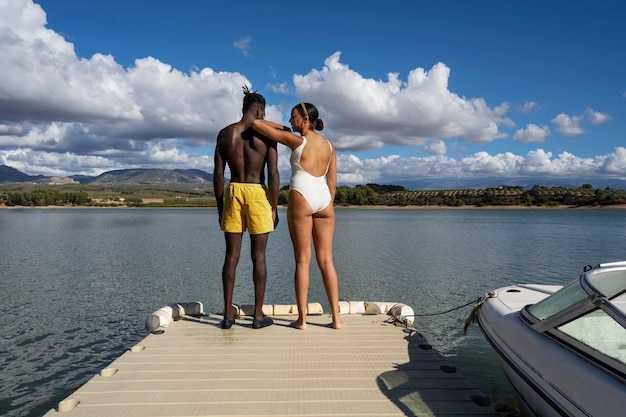 Boating Getaways – The Ultimate Socially Distanced Escape on the Water">

Mieten Sie ein privates Schiff für wochenlange Aufenthalte, um Zusammenkünfte intim zu halten und Bewegungen zu kontrollieren. Hafenlichter vom Deck aus zu beobachten, hilft den Mitgliedern, engagiert zu bleiben und gleichzeitig Menschenmassen zu vermeiden. Praktiken an Bord reduzieren das Krankheitsrisiko, und private Reiserouten begrenzen die Exposition. Dieser Grund legt möglicherweise datenschutzorientierte Reiseoptionen und eine sicherere Reisegeschwindigkeit nahe.
Flexible Pläne ermöglichen schnelle Anpassungen; diese Art des Reisens hält Gruppen klein, wodurch die Sicherheit der Mitreisenden gewährleistet wird, und sichert Abenteuer mit Privatsphäre. Wer ein Schiff mietet, kann die Reiseroute an verschiedenen Tagen variieren und gleichzeitig den Komfort der Besatzung gewährleisten.
Ergreifen Sie klare, flexible Zeitpläne: Versetzen Sie Mahlzeiten, weisen Sie private Kabinen zu und planen Sie Deckszeit mit Abstand. Einrichtungen wie saubere Toiletten und Außenduschen sollten mit festen Beschränkungen genutzt werden. Die Richtlinien des Staates sollten befolgt und die Mitglieder sollten sich an vereinbarte Praktiken halten, um das Risiko zu minimieren. Ein guter Plan beinhaltet Leitplanken, einschließlich Checklisten und Notfallkontakten.
Um den Genuss mit geringerem Risiko zu maximieren, wählen Sie ein Schiff mit robusten privaten Annehmlichkeiten, damit sich die Besatzung auf das Abenteuer und nicht auf die Logistik konzentrieren kann. Wer andere Routen sucht, kann Seegangsbedingungen und Ankerplätze variieren und so in der Nähe von Unterstützungsnetzwerken bleiben, während er sein Budget einhält. Die Mietoptionen reichen von kleinen Katamaranen bis hin zu mittelgroßen Yachten; jede Form bietet Privatsphäre und Flexibilität, wobei die Eigner bei Bedarf zwischen den Häfen wechseln können. Mögliche Kombinationen sind Wochenendausflüge oder längere Rundfahrten, je nach Wetter und staatlichen Vorschriften.
Die besten Urlaubsziele, um soziale Distanz zu wahren
Recommendation: Plane eine 3–4-tägige Flussschleife mit privaten Booten und einem einzigen, in sich geschlossenen Bereich, wobei die Gruppen klein gehalten und die Ziele klar definiert werden: Bleib in deiner Linie und vermeide Menschenmassen. Buche direkt bei lokalen Anbietern; habe einen flexiblen Plan, um dich an Wetter und Flusspegel anzupassen, und stelle sicher, dass sich alle an die Richtlinien halten.
Gesundheitlicher Fokus bedeutet erhöhte Vorsicht: Wählen Sie Routen, bei denen Abstand zu anderen Booten leicht möglich ist; bleiben Sie in sicheren Zonen. Achten Sie auf Hygiene-Routinen an Bord sowie kontaktlose Zahlungen und reservieren Sie Restaurantmahlzeiten lieber in privaten Kabinen als in überfüllten Lokalen. Wenn die Virus-Bedenken steigen, können Sie dennoch ruhige Flüsse und großartige Ausblicke genießen, sowohl entspannend als auch sicher, während Sie an Bord kochen.
Koordinieren Sie sich mit lokalen Abteilungen und Reiseführern, um Kapazitätsgrenzen, Zugang zu Toiletten und Gastronomiebestimmungen zu bestätigen. Wenn Sie noch nie eine Crew eingesetzt haben, kann ein privater Kapitän die Navigation übernehmen, damit Sie zusammen und sicher bleiben. Genehmigungen, die über die Abteilungen eingeholt werden, tragen zu reibungslosen Check-ins bei. Die Route sollte flexibel sein und Anpassungen an Wetter- oder Flussbedingungen ermöglichen.
Aktivitäten auf dem Wasser sollten wenig Kontakt erfordern: Eine einfache Aufstellung für Paddleboards oder Kajaks kann im selben Bereich stattfinden, aber die Gruppen sollten bescheiden gehalten und auf Abstand geachtet werden. Bringen Sie ein Kartenspiel mit oder planen Sie Wanderungen am Ufer als Ergänzung zu den Bootstouren. Die Landschaft ist weiterhin schön, die Luft bleibt frisch und ferne Horizonte laden zur Ruhe ein, wenn Sie auf diese Reise zurückblicken. Dieses Konzept ist darauf ausgerichtet, die Exposition zu minimieren und gleichzeitig die Gruppen nah genug beieinander zu halten, um Geschichten auszutauschen.
Planungsprozessdetails: Wählen Sie private Kabinen, planen Sie Mahlzeiten getrennt von anderen Gästen und halten Sie einen Notfallplan für Stornierungen bereit. Packen Sie zusätzliche Masken für sich und Ihre Begleiter ein; nutzen Sie nach Möglichkeit Mahlzeiten im Freien. Dieser Ansatz hilft Gruppen, sicher zu bleiben, während der Flussblick lebendig bleibt, und die Gewissheit dieses Plans sorgt für ein gutes Gefühl bei allen.
Top-Wasser-Destinationen mit wenig frequentierten Ankerplätzen
Recommendation: Die Abaco-Inseln, Bahamas, bieten ruhige Ankerplätze um Hope Town, Man-O-War Cay und Pelican Cays. Genießen Sie diese friedliche Atmosphäre während der Nebensaison, wenn wenig Andrang herrscht. Orte entlang der Küste bieten bequeme Kontakte, Treibstoff und Versorgungsmöglichkeiten; kleine Veranstaltungen in Hafenparks ermöglichen es Seglern, sich ohne Menschenmassen zu treffen. Chartermöglichkeiten gibt es zuhauf bei lokalen Anbietern, und es gibt immer realisierbare, buchbare Plätze für Wochenendausflüge.
Die Exumas Cays mit Warderick Wells und Shroud Cay sind eine weitere Option. Dieses Gebiet bietet seichte, sichere Liegeplätze und ausgezeichnetes Schnorcheln in Korallengärten. Es gibt zahlreiche Chartermöglichkeiten; eine kontaktlose Übergabe kann über Boatsetter oder lokale Kontakte arrangiert werden. Der Schutzparkstatus trägt dazu bei, ein ruhiges Tempo zu bewahren, während Bojen und Rangerstationen einen einfachen Aufenthalt ermöglichen. Das nahe gelegene Norman's Cay bietet unüberfüllte Plätze mit minimalem Verkehr.
Das kroatische Kornati-Archipel bietet eine Vielfalt an der Adriaküste: zahlreiche Buchten, klares Wasser und geschützte Ankerplätze, die sich für Charterflotten und private Segler eignen. Besuchen Sie Vis, Lastovo oder Korcula für eine andere Atmosphäre und das Leben in den Tavernen; lokale Kontakte und kleine Werften bieten praktikable Versorgungsmöglichkeiten. Boatsetter bleibt eine flexible Option für reibungslose Übergaben. Erwarten Sie reichlich Fisch in der Nähe von Riffkanten und Parkzonen, die zur stillen Erkundung anregen.
Das Ionische Meer bietet ruhigere Nächte um Paxos, Antipaxos, Meganissi und in der Nähe von Lefkada. Ankern Sie in geschützten Buchten nahe kleiner Städte; Einrichtungen und Marinaservices ermöglichen entspannte Abende. Eine Mischung aus Charterbooten – von mittelgroßen Cruisern bis hin zu Superyacht-Tendern – ermöglicht abwechslungsreiche Routen. Für Ankünfte tragen kontaktlose Übergaben und einfache Übergaben zur Sicherheit bei; lokale Märkte veranstalten im Sommer Events, die eine stimmungsvolle Atmosphäre ohne Menschenmassen schaffen. Dieses Gebiet wird für Familien wichtig sein, die Einsamkeit und einfache Routen suchen.
Checkliste: Ausrüstung, Sicherheit und Hygiene für Wasserfahrzeuge bei Ausflügen außerhalb der Hauptsaison
Packen Sie vor der Abfahrt einen kompakten wasserdichten Packsack mit der wichtigsten Ausrüstung. Packen Sie für alle ein PFD, eine Pfeife, eine kompakte Taschenlampe, einen Feuerlöscher, einen einfachen Erste-Hilfe-Kasten, Ersatzbatterien und ein zuverlässiges Multitool ein. Fügen Sie eine laminierte Lesekarte mit Notfallkontakten hinzu.
Rüsten Sie mindestens einen zusätzlichen, werfbaren Schwimmkörper und ein Schallsignalisierungsset aus; vergewissern Sie sich, dass alle Sicherheitsausrüstungsgegenstände gut auf Booten sitzen, die kurze Hüpfer zwischen den Hafengebieten durchführen. Stellen Sie dort sicher, dass alle Teilnehmer Schwimmwesten tragen und Schwimmhilfen griffbereit haben.
Hygieneplan: Handdesinfektionsmittel, Desinfektionstücher, Masken bei Bedarf mitbringen; Crew-Aufgaben für die Reinigung gemeinsam genutzter Oberflächen und Abteile zwischen den Stopps festlegen. Eine Erste-Hilfe-Karte in diesem Set aufbewahren.
Wenn ein Anstieg von Krankheiten in Städten oder an Docks Besorgnis erregt, was außerhalb der Hauptsaison nicht selten vorkommt, vermeiden Sie engen Kontakt, das Teilen von Bechern oder gemeinschaftliche Utensilien an Bord oder an Land.
Wettervorhersage-Check: Schichtenlook, Windjacke, wasserdichtes Schuhwerk, Sonnenhut, Sonnenschutz; Trinkflaschen geschlossen und sauber halten.
Planoptionen: Kurze Ausflüge zwischen Küstenstädten mit rollierendem Zeitplan; im Rahmen begrenzter Meilen bleiben und nach Möglichkeit in der Nähe sicherer Buchten ankern.
Gesunde Mahlzeiten an Bord mit haltbaren Optionen; rohe Lebensmittel vermeiden; eine zusätzliche Kühltasche bereithalten, um die Anzahl der Ausflüge zu Hotels oder Geschäften an Land zu minimieren.
Halte nach Überlebensausrüstung Ausschau: Signalmittel, ein Spiegel, eine Pfeife, eine Taschenlampe, Ersatzbatterien; halte eine Erste-Hilfe-Anleitung griffbereit.
Crew-Briefings: Rollen zuweisen, Gegensprechanlage oder Handzeichen überprüfen, Charter-Crew-Prozeduren, sicherstellen, dass der Wechsel zwischen den Stationen sicher und kooperativ zwischen den Passagieren abläuft.
Hotelzwischenstopps: Planen Sie minimalen Kontakt nach dem Anlegen, wählen Sie vernünftige Routen und respektieren Sie lokale Beschränkungen; dies hält das Risiko gering und den Komfort für alle an Bord hoch.
Gründe, Optionen zu befolgen: Eine sichere Reise basiert auf möglichst wenigen Kontakten, regelmäßigen Maßnahmen und einer Denkweise, die einen selbst, andere und alle an Bord an erste Stelle setzt; wirf bei deinen nächsten Abenteuern noch einmal einen Blick auf diese Richtlinien, falls sich die Pläne zwischen den Städten ändern.
Reiseplanerstellung: Buchung von Marinas und Campingplätzen mit minimalem Kontakt
Beginnen Sie mit kontaktlosen Buchungen: Online-Reservierungen, Check-in am Straßenrand, Abholung von Vorräten am Dock. Planen Sie Reisen entlang von Städten mit sauberen Einrichtungen und aufgehobenen Beschränkungen, um die Zeit an Land zu minimieren; Tracing hilft, die Warteschlangen kurz zu halten. Beziehen Sie Marina-Optionen ein, die Restaurant-Service mit Sitzgelegenheiten im Freien und Parkflächen zum Beine vertreten während der Überfahrt anbieten. Erstellen Sie Pläne rund um Ideen mit einer Vielfalt an Liegeplatzgrößen, Fähigkeiten, Fahrstrecken, während der Tagesstunden und Parkdetails, über mehrere Tage hinweg.
Während diese Ideen übereinstimmen, stelle sicher, dass der Plan Optionen mit räumlich distanzierten Layouts, zusätzlichen Ressourcen und konsistenten Reinigungsverfahren enthält. Jeder Stopp sollte eine sichere Pause bieten, bei Bedarf anhalten, mit minimalem Kontakt während des Tankens und der Versorgung. Fahrstrecken sollten klar sein, mit kürzeren Etappen zwischen den Häfen, wobei Fahrten bei Tageslicht bevorzugt werden sollten. Hier geht es nicht um Luxus; es geht um Sicherheit und Konsistenz. Es gibt eine erhöhte Aufmerksamkeit für die Nachverfolgung von Bewegungen, während die Zeitpläne dennoch flexibel für wahrscheinliche Anpassungen bleiben, falls sich die Beschränkungen ändern. Nutze Standorte entlang von Küstenlinien und entlang von Städten; Reisen können Marina-Nächte und Park-Campingplätze beinhalten, um die Vielfalt zu erhöhen. Du kannst bei Bedarf oft anhalten, um dich auszuruhen und zu rehydrieren. Tauche während deines Aufenthalts in nahegelegene Märkte ein, um schnelle lokale Verkostungen zu machen.
| Criterion | What to do | Examples |
| Buchungsablauf | Online-Reservierungen, Check-in am Straßenrand, Versorgung am Dock | kontaktlose Yachthäfen |
| Facilities | Saubere Toiletten, Grünflächen im Freien, Restaurant mit Sitzgelegenheiten im Freien | Standorte mit Speisemöglichkeiten im Freien |
| Sicherheitspraktiken | Nachverfolgung, verstärkte Reinigung, kontaktlose Zahlungen | Häfen mit deutlicher Beschilderung |
| Logistics | Kurze Fahrtstrecken, Tageslichtstunden, einfache Parkmöglichkeiten | Städte entlang von Flussrouten |
| Reiseplanung | Mehrere Fahrten, Ideen für Standorte, zusätzliche Raststätten | verschiedene Arten von Marinas |
Fahrzeugauswahl: Wohnmobil vs. Auto für Komfort und Entfernung
Ein Wohnmobil bietet großen Komfort für längere Reisen und minimiert die Sorge um die Unterkunft; Der Innenraum ermöglicht das Kochen, Schlafen und Reinigen auf engstem Raum, was zu einem reibungslosen Start in den Morgen beiträgt. Wohnmobile der Klassen A/B/C bieten Schlafplätze für 2–6 Personen, viele mit separatem Bad und kleiner Lounge; Der Kraftstoffverbrauch liegt je nach Größe zwischen 6 und 12 mpg, was sich bei Fahrten über Inseln und Küstenanlandungen summiert. Ein Auto kostet im Vorfeld weniger, bietet einen höheren mpg-Wert – 25–35 mpg für Limousinen, 18–28 mpg für Crossover – und ermöglicht schnelle Abfahrten, wenn Morgentimer Geschwindigkeit erfordern. Für Mitglieder eines Haushalts, die Ausflüge planen, reduzieren Wohnmobile das Hin und Her zwischen Land und Wasser, während Autos es ermöglichen, sich in kleinere Gruppen aufzuteilen, um Parks, Inseln und Reiseziele zu erkunden.
Distanzplanung ist wichtig: Für häufige Stopps reduziert ein Auto die Ermüdung und hält das Tempo; wenn Inselziele mit flexiblen Tagen angestrebt werden, ermöglicht ein Wohnmobil einen unabhängigen Zeitplan, der perfekt für flexible Routen ist. Um den morgendlichen Ansturm zu vermeiden, können Gruppen die Morgen mit entspannten Abfahrten und Landungen in Parks oder auf Inseln planen und dann für schwimmende Etappen auf Charter oder Yachten umsteigen. Wenn Sie einen Haushaltsplan haben, unterstützt die Reinigung und das Kochen an Bord gute Routinen und vermeidet öffentliche Mahlzeiten in Zeiten von Interesse. Ein Kapitän kann Charter oder Yachten auf bestimmten Etappen koordinieren und bietet so neue Optionen nach der Ankunft an Land.
Parkbeschränkungen sind wichtig: Wohnmobile benötigen größere Stellplätze; viele Parks erlauben Wohnmobile in ausgewiesenen Zonen; einige erfordern einen Shuttle zum Ufer, was Wartezeiten verursacht. Für kurze Strecken passt ein Auto in engere Parklücken und ermöglicht eine schnellere Ankunft an Inselzufahrten oder Anlegestellen. In Szenarien mit Küstenchartern oder Hausbootverbindungen unterstützt der Fahrzeugzugang die Morgenplanung und den direkten Landtransport zwischen Chartern und Yachtliegeplätzen. Bei der Erkundung nahegelegener Buchten bieten kleine Boote flexible Transfermöglichkeiten zu Inseln oder Riffen.
Fazit: Für längere Reisen mit privatem Raum und Verpflegung an Bord ist ein Wohnmobil ideal; für schnelle Sprünge zwischen Reisezielen mit minimalem Platzbedarf gewinnt das Auto. Vergleichen Sie die Kraftstoffkosten pro Kilometer, die Parkmöglichkeiten, den Uferzugang in Parks und den Reinigungsbedarf; das hilft Ihnen zu entscheiden, welche Route zu Ihren Zeiten, Zielen und der Größe Ihrer Crew passt. Wenn Sie beide Optionen haben, behalten viele Haushalte einen flexiblen Plan bei und nutzen Wohnmobile für Landstrecken und Autos für Tagesausflüge zu Inseln oder Charterflüge, wobei der Kapitän die Transfers zwischen den verschiedenen Verkehrsmitteln koordiniert. Für Landurlaube, die Golf oder andere Aktivitäten beinhalten, sorgt das Parken in der Nähe von Clubs oder Parks dafür, dass die Teams gesund und bereit für das Morgenspiel sind.
Packliste: Unverzichtbare Artikel für eine Reise mit wenig Kontakt
Rollende Seesäcke, wasserdichte Rucksäcke, klar gekennzeichnete Module minimieren den Kontakt während Reisen auf Flüssen, Seen und Küstenlinien. Ansatz eignet sich für Routen in Staats- und Nationalparks; ganzjährige Nutzung, einschließlich Winterausflüge in Ufernähe.
- Clothing: quick-dry layers, fleece, rain shell, hat, socks; grip footwear; spare dry socks in waterproof pouch
- Hygiene and health: mask, sanitizer, disinfectant wipes, basic first-aid kit, personal meds in labeled bottle
- Safety gear: life jackets for all crews, whistle, flashlight, waterproof map case, spare batteries
- Navigation and documents: waterproof pouch with window for quick ID view; digital copies on phone; printed itinerary; emergency contacts; contactless check-ins option
- Water gear: PFDs; kayaking equipment: spray skirts, paddle, spare leash, kayaking gloves; dry bag for phones; boat-based gear
- Food and hydration: non-perishable meals, high-energy bars, electrolyte mix; hydration reservoir or bottles; compact stove with fuel; utensils
- Electronics and power: power bank, solar charger, waterproof phone case, multi-plug adapter
- Maintenance and packing: spare rope, duct tape, small repair kit, sealable bags for damp items
- Docking and activities: compact anchor kit, dock line; looking for activity options like paddling, shore walk; boat docking tips to minimize touch; keep little gear dry
- Documentation rules: digital park passes, rental or cruise protocols; offline maps; log for checks among crews
- Misc: compact towels, biodegradable soap, quick-dry cloths, reusable utensils, trash bags
Looking ahead, increased awareness prompts move between rental fleets or cruise legs with care; looking for land-based pauses at country routes, state park lands along rivers. Possible activities include kayaking, hiking, fishing; other groups may gather somewhere along riverbanks, rather than crowded stops, though limit on contact remains. Year by year, rules shift window; adapt packing with little added bulk.