


 Deutsch
  English (UK)
  Русский
  العربية
  日本語
日本語  한국어
한국어  Magyar
  Türkçe
  Español
  Čeština
  Svenska
  Português
  Ελληνικά
  Suomi
Suomi  Nederlands
  Română
  Italiano
  Français
  Polski
  Українська
  简体中文
简体中文  Slovenčina

For years, boat owners and enthusiasts have navigated the complexities of choosing the right fuel for their vessels. Whether you’re operating an older model with a two-stroke engine or a newer design equipped with cleaner, more efficient systems, understanding the different boat fuel types is crucial. The impact of your fuel choice extends beyond just consumption; it directly affects the performance of your boat’s propeller and can even influence your overall experience on the water.
This guide aims to address the various fuel options available today, including gasoline and electricity, and how each type contributes to your boat’s capabilities. From the enclosed tank where fuel is stored to the filters that prevent contaminants from reaching the engine, knowing these components is handy for any boat owner. Moreover, understanding how to clean and maintain your fuel system can help avoid unnecessary wear and tear, ensuring that your vessel continues to perform at its best regardless of the season.
As you prepare to embark on your boating adventures, it’s essential to locate the right fuel type that meets your specific needs. Not only will this choice help you achieve peace of mind, but it will also provide an added layer of safety for you and your passengers as you disembark into the open waters. In this comprehensive guide, we will explore the different boat fuel types, how they operate, and the advantages they offer, ensuring that you have all the information necessary to make an informed decision.
Understanding Different Types of Boat Fuels
When it comes to boating, understanding the different types of fuels available is important for ensuring optimal engine performance and safety. There are primarily two categories of fuel that boaters need to know about: gasoline and diesel. Gasoline is often used in smaller outboard motors and inboards, while diesel is typically found in larger vessels. Diesel fuels, while generally more expensive, provide better fuel efficiency and are less volatile than their gasoline counterparts, which helps to dissipate potential hazards associated with closed fuel compartments. When choosing a type of fuel, recognize that the moisture content and the fuel’s volatility can affect engine performance. Boaters should regularly check fuel quality and stability, paying close attention to signs of water or contaminants.
Using the correct fuel not only enhances the engine’s efficiency but also minimizes wear on components such as propellers and outdrives, ensuring a longer lifespan for your boating equipment. For instance, when using aluminum tanks or closed compartments, it’s important to keep the fuel clean and free from moisture to prevent issues like metal corrosion or engine smoking. Additionally, proper storage practices, including wiping down fuel tanks and securely closing all doors after fueling, will further protect against potential problems. Boaters should turn their attention to understanding each fuel type’s characteristics to connect confidently with their vessel’s needs, ensuring a smooth and safe journey on the water.
Gasoline vs. Diesel: Which is Right for Your Boat?
When choosing between gasoline and diesel for your boat, it’s important to understand the basics of each fuel type. Gasoline engines are often found in smaller, outboard motors, making them ideal for casual boaters. They typically deliver good performance for short trips and are easier to start. In contrast, diesel engines are commonly used in larger vessels, providing efficiency and longevity for serious marine applications.
The refueling process also varies significantly between the two. Gasoline is often more portable, making it easier to fill up by the dockside or while out on a small excursion. Diesel, however, is less prone to spills due to its higher flashpoint, which can provide peace of mind when filling your tank. Knowing how each fuel behaves during this routine can help you make an informed choice.
Another factor to consider is the cost associated with each fuel type. Gasoline engines may seem cheaper upfront, but diesel engines tend to operate more efficiently over time. This means that while you might pay extra at the start for a diesel system, the long-term operational costs could favor diesel, especially for those who enjoy longer journeys.
Maintenance is a crucial part of the decision process. Diesel engines require regular upkeep, but when properly maintained, they can last significantly longer than gasoline engines. This longevity is important for boaters who want their vessel to remain reliable and efficient throughout the years. A well-maintained diesel engine can deliver performance and durability that is a serious asset on the water.
An additional consideration is how each fuel type impacts the interior of your boat. Gasoline can create more exhaust fumes in a confined space, which could be an issue for small vessels. Diesel engines, while initially noisier, often provide a cleaner running experience overall when the routine is followed, and they do not generally cause the same degree of interior air contamination.
If you’re a new boat owner or someone looking to upgrade, the choice between gasoline and diesel also revolves around your boating style. If your boating experience includes short jaunts with families or friends, gasoline may be the better option for you. However, if you’re venturing out for serious fishing trips or exploring distant waterways, a diesel engine may help you get there more efficiently.
It is essential to locate a good supply of your chosen fuel type before making a final decision. Diesel is readily available at most marinas, but access can vary depending on your location in the world. Gasoline, often more widely available, might make traveling to remote areas more challenging if options are limited. Understanding where and how to refuel regularly ensures a smoother and more enjoyable boating experience.
Ultimately, the decision comes down to your personal needs and preferences as a boater. Taking the time to consider the pros and cons of gasoline and diesel, while also reflecting on how you intend to use your boat, will help you to make a confident and responsible choice for your future adventures on the water.
Alternative Fuels: Exploring Biofuels and Electric Options
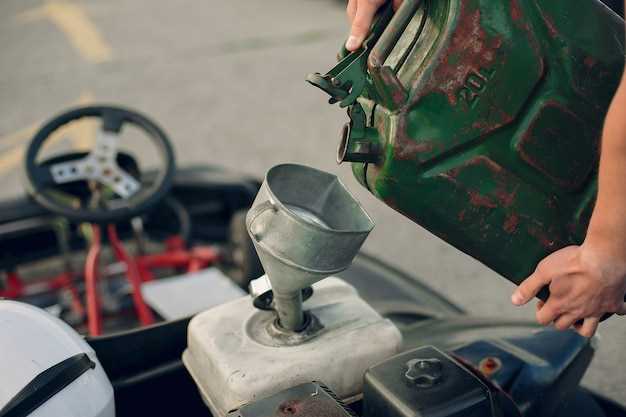
As boat technology evolves, alternative fuels such as biofuels and electric options are becoming increasingly popular. Biofuels, often derived from organic materials, can be a straightforward choice for boaters looking to reduce their environmental impact. Ethanol-free fuels are available and can provide a safe and efficient way to power smaller vessels, ensuring they operate smoothly without risking damage to fuel systems. When refueling, always check compartments for potential leaks and remain vigilant about the basic rules of handling fuel. Having a secondary filtration system can help protect against impurities, which is crucial for keeping your engine running efficiently over the years.
On the other hand, electric boats are entering the market as a viable alternative, especially for those who enjoy tighter, more intimate boating experiences. These vessels typically feature two-stroke engines designed for electric efficiency and are perfect for short trips around the lake or coast. Quick charging options and advancements in battery technology allow you to enjoy longer outings without the need for constant refueling. If you’re considering this technology, keep in mind that weight and costs are important factors; however, the advantages of reduced emissions and quieter operation make this a compelling choice for many. As you keep your vessels in open water, these innovations ensure that your time on the ground remains enjoyable and environmentally friendly.
Choosing the Right Octane Rating for Your Engine

Selecting the appropriate octane rating for your engine is essential for maintaining overall performance. Different types of engines, including two-stroke outboards and newer four-stroke systems, may require specific octane levels to operate efficiently. Knowing the requirements of your engine will ensure you make an informed decision, allowing for smoother adventures out on the water.
Fuel with a higher octane rating is often perceived as better, but this isn’t always the case. While it can help reduce knocking in high-performance engines, using it in a smaller or older engine can be unnecessary and costly. It’s crucial to check your boat’s manual to determine the recommended octane rating to avoid wasting money on premium fuels.
When purchasing fuel, you’ll encounter various octane ratings ranging from 87 to 93. Generally, lower octane fuels are affordable and suitable for most standard engines. However, some high-performance engines specifically designed for efficiency and stability might offer better performance with a higher rating. Thus, understanding your engine’s needs is of utmost importance.
The smell of fuel can be an early indicator of fuel issues or improper octane levels. Being attentive to how your engine responds to different fuels at starting can also help you identify the right octane. If your boat runs rough or emits excess particles, it may be time to reconsider your fuel choice, as these symptoms could signal an octane mismatch.
Some ports and fuel stations provide ethanol-blended fuels, which could affect the performance based on the octane rating. Ethanol can absorb water and may not be suitable for long-term use in your fuel system. Therefore, it’s essential to follow a routine that checks your fuel type and monitor how it impacts your engine’s performance and longevity.
For aluminum boats and pontoons, maintaining the right octane rating is crucial in ensuring the engine operates properly across various weights and loads. Using the correct fuel regularly can assist in preventing corrosion and other potential issues that come from the interaction of fuels and the boat’s components.
In addition to financial considerations, environmental responsibility should also be on your mind. Utilizing fuel that is suitable for your engine helps reduce emissions, promoting a healthier ecosystem. By taking this into account, you can enjoy your time on the water while also being considerate of nature.
To sum it up, choosing the right octane rating is a process that involves knowing the specifics of your engine and being mindful of how you fuel it. By being proactive and informed, you’re ensuring your boat remains in peak condition for many adventures to come. Engage with resources like Boatsetter to stay updated and connected to fuel options that suit your needs.
Understanding Fuel Additives and Their Benefits
Fuel additives are essential for today’s boaters, providing extra support for outboards and engine performance. These substances are designed to enhance fuel quality, making it more efficient and enjoyable to use. In the realm of boating, choosing the right additives is crucial, especially for older boats that may have specific fuel requirements due to their original design and age.
Over the years, fuel formulations have evolved, leading to significant differences in performance and emissions. Many manufacturers have developed additives that help reduce harmful emissions, which is a serious concern for environmentally responsible boaters. These additives work in tandem with the boat’s carburetor, ensuring that the engine runs smoothly and efficiently, while also aiding in the removal of unwanted deposits from fuel systems.
| Additive Type | Benefits |
|---|---|
| Stabilisatoren | Prevent fuel degradation and ensure long-term usability. |
| Detergents | Clean carburetors and injectors, improving efficiency. |
| Water Removers | Remove water that can cause engine problems and spillage in the bilge compartments. |
| Octane Boosters | Increase engine performance and reduce knocking, especially in higher-demand scenarios. |
Using fuel additives regularly can also increase a boater’s confidence in the engine’s performance. A well-maintained engine not only runs better but also lasts longer, giving peace of mind while out on the water. Many modern products are designed to work with enclosed compartments, minimizing vapor exposure and ensuring that the environment remains safe.
It is essential for boaters to locate the right additives for their specific engines. With a wide variety of products available today, understanding their unique benefits can turn a routine maintenance task into a proactive measure for better engine health. Each additive has been formulated to meet the challenges faced by boat engines, effectively tackling issues like metal wear and carbon buildup.
In conclusion, implementing the right fuel additives is a must for serious boaters. These products ensure that engines run efficiently, last longer, and contribute to a cleaner marine environment. By taking the time to understand the differences and benefits of fuel additives, boaters can enjoy their time on the water with confidence.