


 Deutsch
  English (UK)
  Русский
  العربية
  日本語
日本語  한국어
한국어  Magyar
  Türkçe
  Español
  Čeština
  Svenska
  Português
  Ελληνικά
  Suomi
Suomi  Nederlands
  Română
  Italiano
  Français
  Polski
  Українська
  简体中文
简体中文  Slovenčina
  Best Snorkeling Sites in Palawan – Between El Nido and Coron">

Recommendation: Start with a dawn drift along a sheltered reef near the first gateway; here the tide is gentle, the water soothing, and snorkelers can ease into deeper swims in a remote inlet.
Expect visibility to range around 8–20 meters in the dry season, with surface temperatures around 26–29°C. In calmer morning hours the underwater atmosphere becomes radiant, and the vibrant corals reveal layers of life tucked into bommies and fans where those fish schools gather, and you can spot them gliding by.
Pros include a unique mix of reef structures and a classic island-hopping vibe. In several coves you’ll find a twin wreck site–an old gunboat resting near a soft slope–offering a surreal, photographable scene for snorkelers.
To minimize fatigue and sea-sickness, opt for mornings with powered boats that run at a steady pace. If you’re prone to sea-sickness, take preventive meds, sit midship, and dip into shallow margins. Ease back onto the surface as the tide shifts.
For those seeking a more tranquil itinerary, include a route through several microhabitats: seagrass flats, sandy shallows, and a wall that plunges into deeper water. Here the mind quiets as colors shift with the light, and you’ll notice unique inhabitants in the same moment.
Bring twin fins, a robust mask, and reef-safe sunscreen; the layers of shade and sun create a soothing rhythm as the tide shifts and you’re dipped beneath the surface.
Siete Pecados North Reef: marine life highlights, coral types, and snorkel routes
Start your snorkel outing at the shallow edge of pecados North Reef; visibility is usually clear, currents mild; chances of spotting tiny reef residents high.
Along the rim, a diverse ecosystem thrives; tiny fish dart past brain corals; macro crustaceans cling to polyps; shipwrecks lie along the slope, offering shelter for reef life. heres a note for budget minded explorers: a sunken gunboat sometimes marks the main drift, a feature that fascinates enthusiasts.
Marine life highlights
Highlights include large clusters of fusiliers, parrotfish, surgeonfish; clownfish in anemones; butterflyfish along ledges; sea turtles surface occasionally, especially during late morning light. Some visitors felt a thrill when moray eels peek from crevices; macro probes reveal small crustaceans; this display is fascinating for enthusiasts. Prone to sea-sickness should pace the drift; brief rests at the shallow edge cut wait time.
Coral types plus snorkel routes
Coral types here range from brain corals with ridged slabs; branching staghorn; plate-like table corals; tiny cup corals dot crevices. This variety provides texture; split habitats attract a broad spectrum of species. Routes split into two corridors: one along the shallow crest for macro life; another toward a deeper shelf for pelagic glimpses. Generally, start with the calmer portion; progress toward the deeper zone as comfort grows; weather allows; gear performs reliably.
From remote dimalanta launch points, morning trips are common; advance planning helps first-time visitors. For meals, pack compact options; spending stays in check. Needed gear includes mask, snorkel, fins; been prepared with reef-safe sunscreen; beauty remains a core draw for enthusiasts; setting generally suits climate, water clarity.
Siete Pecados South Reef: currents, safety tips, and photography angles
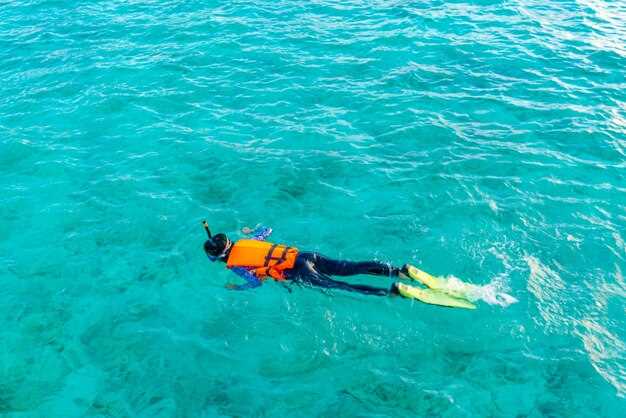
Booking with a licensed operator for slack-water entry is essential to keep currents manageable and ensure visibility.
Currents and drift approach: the site shows tidal variation, with calmer pockets near sheltered edges and stronger flows along exposed faces. A smooth drift runs along the wall for about the first half of the swim, then eddies form toward the channels. Enter from the southwest launch point and follow your guide’s instructions to catch a clear, collectible look at anemones and tiny reef life. Expect water depth from 3 to 8 meters in peak viewing zones, with higher energy near the crest when wind shifts occur. Look for white foam lines as cues to where volumes of life stay concentrated and where currents slow enough to pause without losing the group. The experience rewards patience and timing, not speed.
- Best window is a calm, mid-morning drift; if tides push, switch to a sheltered pocket and resume when safe.
- Maintain a relaxed pace; little bursts of motion save energy and reduce sand disturbance, making life above the reef easier to spot.
- Keep a safe distance from boats and shorelines; follow marker lines and your guide’s high-visibility signals to stay in clear water above the reef carpet.
Safety tips: always stay within sight of a guide and another swimmer; wear a buoyancy aid and a whistle, and keep your mask strapped tight to avoid losing gear near hulls. Do not touch corals or anemones; their white-tipped structures are delicate and recover slowly after contact. If current strength increases, switch to a sheltered approach, signal, and back off rather than press on. Choose a reliable operator such as Maru for regular shuttles; booking ahead helps you fully plan the day and ensures gear and instruction are ready. Pack light for a quick exit if conditions shift; cash tips for local crew are appreciated, but a prepaid booking protects your time and keeps the crew focused on safety.
- Stay close to your guide’s line of sight; non-swimmer should keep a flotation aid and stay in shallow, calmer zones.
- Protect gear from sharp coral edges and avoid grabbing rocks; coral health improves when divers treat the habitat with care.
- If you feel uneasy, return to the entry point together; the route offers safe zones where currents ease, allowing a peaceful finish to the look.
Photography angles and angles-ready plan: capture the ultimate visuals by combining macro, mid-water, and surface perspectives.
- From above, drift parallel to the reef edge at a depth of 4–6 meters to frame the blue expanse with coral peaks and little fish visible in the foreground; aim for a low, steady kick to keep the mask clear and the water calm. This angle highlights blues and white sand, plus the movement of the crest. Ingredients for a strong shot include clear water, sun above, and a patient swimmer or two–look for a natural silhouette against the surface.
- Macro and close-up: anchor near a cluster of anemones and tiny guardians, then shoot with a wide aperture to blur the background; focus on the textures and the little life that hides in the branches. These frames reveal color contrasts and the delicate structure of the reef, a true crowd-pleaser for natural-places photography.
- Action and drift portrait: capture a swimmer gliding with the current, water shimmering in deep blues while white-tipped corals rise above; shoot from a slightly elevated angle to convey height and scale, then switch to a flatter angle to emphasize the pattern of life along the wall.
Tip: arrive early, stay for the full visit, and consider a short picnic on a nearby beach to extend the day; the site rewards a slow, deliberate approach that respects nature and offers a chance to add more look-at moments to your plan. For those seeking a richer experience, plan an additional stop at nearby places to round out the trip and make the most of your time in this nautical corridor.
From El Nido or Coron: practical access routes and transfer options to Siete Pecados
Recommendation: Hire a private banca from the Bacuit Bay docks shortly before sunrise; the crossing to Siete Pecados lasts 25–30 minutes, with calm water perfect for a first snorkel. There, clownfish hover over shallow reefs at 5–12 meters; the scenery is gorgeous before crowds arrive; plan carefully, stay in the natural lee of the islas, and position the boat for safe entry. If you love moving with the tide, request a slower pace to match freedivers rhythm; you might see a curious barracuda gliding near drop-offs.
From the Calamianes hub, the fastest path to Siete Pecados requires a multi-stop flight: first to manila, then to puerto princesa; total door-to-door takes roughly 6–9 hours depending on connections. Alternatively, a slower ferry option to puerto princesa exists when schedules align; followed by a 4–6 hour van ride to the northern Palawan gateway. Once there, join a morning banca with a local skipper for the short ride to the site; locals can arrange private charters, which require a permit; credit is often accepted on board.
Practical tips: bring cash or a credit card because many operators accept both; plan a full day trip; to spend more time there on the water, reserve a private banca offering flexible stops; there you may catch clownfish along reef flats; the left option remains the standard route; the right option stays a private charter; seasonality varies; fall brings calmer seas though possible showers; always check currents before entering water; for families keep a guardian on board; drinks available onboard; there are huge lagoons nearby that tempt a second stop when schedules permit; there are meters of visibility depending on light.
Beste Zeit zum Schnorcheln in Palawan: Jahreszeiten, Gezeiten und tägliche Zeitfenster
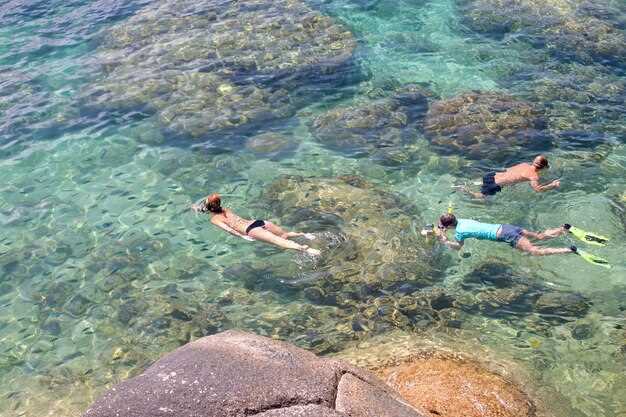
Planen Sie die Sitzungen vor 09:30 Uhr, während der Trockenzeit, für ruhige See und klares Wasser rund um Kayangan und seinen sanften Drop-off, und achten Sie dann auf Strömungen, die sich mit Ebbe und Wind ändern.
In der Praxis erreicht die Wasserklarheit ihren Höhepunkt vom späten Winter bis zum frühen Frühling, wobei die Sicht häufig zwischen 15 und 30 Metern liegt. Von Nordseitenbuchten bis hin zu geschützten Buchten können die Bedingungen von Standort zu Standort variieren, was begeisterte Schnorchler dazu veranlasst, auf der Suche nach wunderschönem, faszinierendem Leben zu sein, das die Natur entlang des Riffs bietet.
Guides wie Marie führen Touren, die speziell Routen zu Orten wie Schiffswracks und Kayangan anpassen; diese gemeinsamen Itinerare halten Menschenmassen in Schach und reduzieren Seekrankheit und bieten sowohl Neulingen als auch erfahrenen Tauchern ein fantastisches, flüssiges Erlebnis.
Um den Wert zu maximieren, planen Sie unter Berücksichtigung der Gezeiten und Zyklen; bleiben Sie außerdem flexibel, falls eine Vorhersage Sie überrascht. Das ultimative Ziel ist es, ruhige Morgenstunden mit sanften Strömungen zu kombinieren und Zugangspunkte zu beobachten, wo der Abfall in blaue Tiefe übergeht.
Tägliche Fenster gleichen Licht, Wind und Swell aus. Die frühen Stunden (ungefähr 07:00–10:00 Uhr) sind typischerweise die zuverlässigsten, wobei eine zweite Periode (11:30–13:00 Uhr) an stabileren Tagen gut sein kann. Wenn sich die Bedingungen ändern, kann ein Wechsel zu geschützten Stellen an der Nordküste immer noch faszinierende Einblicke in das Meeresleben ermöglichen, während gleichzeitig das Seekranksein vermieden wird.
| Season | Ideal Gezeiten | Best tägliche Zeitfenster | Anmerkungen |
|---|---|---|---|
| Dry season (Nov–Apr) | Slack bis bei Ebbe bester Zugang zu Drop-offs und Flachwassergebieten | 07:00–10:00; 11:30–13:00 | Sichtweite oft 15–30 m; ruhige Morgenstunden; wähle Kayangan, Wrack und andere beliebte Spots mit Geduld |
| Übergangszeitraum (Ende Apr–Mai) | Wechselnde Gezeiten; manche Tage klarer als andere | 07:30–09:30; 10:30–12:00 | Das Wetter kann sich schnell ändern; geführte Touren können Routen speziell optimieren. |
| Wet season (May–Oct) | Am besten in geschützten Buchten und frühen Stunden | 06:30–09:00; 10:00–12:00 | Strömungen können ansteigen; Risiko von Seekrankheit bei größeren Wellen höher; Windvorhersage beobachten |
| All-year Tipp | Der Zugang zu atemberaubenden Abfahrten variiert je nach Bucht. | Flexible Fenster; Vormittage bevorzugt | Wählen Sie kleinere, gemeinsam genutzte Boote, um abseits gelegene Orte zu erreichen; die Nordküste bietet wunderschöne, weniger überfüllte Erlebnisse. |
Ausrüstung, Sicherheit und Etikette: Packliste und reef-safe Praktiken
Empfehlung: Packen Sie ein robustes, für Riffe geeignetes Set mit einem mineralischen Sonnenschutzmittel, einem leichten Hut, einer wasserdichten Tasche und einer wiederverwendbaren Flasche ein; nutzen Sie das Wissen der Einheimischen über praktische Tipps, um auf einen Tag voller Lagunen-Erkundungen vorbereitet zu sein.
Packliste
Benötigte Gegenstände sind: Maske, Schnorchel, Flossen; UV-Schutzshirt; leichtes Überziehen; Riff-sicheres Sonnencreme mit Breitband; biologisch abbaubare Feuchttücher; Mikrofaserhandtuch; kleines Erste-Hilfe-Set; zusätzlicher Riff-sicheres Lippenbalsam; Wasserflasche; wasserdichter Beutel für Ausrüstung; wasserdichte Handyhülle; zusätzliches Speicherkarten; Fotoapparat mit Schutzhülle; persönliche Medikamente, falls erforderlich. Wenn Ausrüstungsverleih erforderlich ist, bewegen sich die Kosten im Bereich von ein paar Dollar pro Stunde pro Stück; der Kauf der eigenen Ausrüstung bringt solide langfristige Einsparungen und ein gutes Gefühl für das Kostenmanagement während Reisen in Palawan.
Safety and etiquette
Sorgfältiges Verhalten umfasst das Verbleiben in markierten Bereichen; das Vermeiden von Berührungen von Korallen, Seegras oder Riffleben; das Einhalten eines respektvollen Abstands zu Schildkröten; das Vermeiden von Wildtierverfolgungen; das Nicht-Sammeln von Muscheln; das Auftragen von reef-safe Sonnenschutzmitteln abseits der Wasserlinie; das erneute Auftragen während Pausen; das Spülen der Ausrüstung mit Süßwasser nach Touren, um die chemische Übertragung zu reduzieren; das Halten der Lautstärke während Transfers niedrig; das Mitführen eines kompakten Müllbeutels; das Einkaufen auf lokalen Märkten für nachhaltigen Wohlstand der Einheimischen; das Einholen einer Zustimmung vor Fotografien; das Trinken von Trinkgeldern für Reiseleiter, wenn der Service die Erwartungen erfüllt; die Unterstützung der Diversität von Palawan durch respektvolles Verhalten; das Betreten von Lagunen mit einem Reiseleiter; das Hinterlassen von keinen Spuren; das ordnungsgemäße Entsorgen von Müll.