


 Deutsch
  English (UK)
  Русский
  العربية
  日本語
日本語  한국어
한국어  Magyar
  Türkçe
  Español
  Čeština
  Svenska
  Português
  Ελληνικά
  Suomi
Suomi  Nederlands
  Română
  Italiano
  Français
  Polski
  Українська
  简体中文
简体中文  Slovenčina
 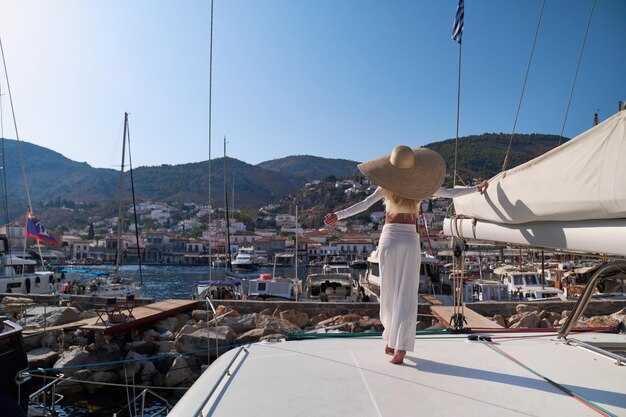 Best Sailing Destinations in the Mediterranean – Top Ports & Routes">

Start with a tuscan coast to Corsica circuit for your first Med sail: a week-long itinerary from Livorno or Viareggio toward Bastia or Calvi, with sheltered bays, clear water and efficient passage planning. This option keeps the pace friendly, offers ready opportunities for anchorage sides, and highlights must-see towns along the way, like Portoferraio and Capraia. In the late spring or early autumn season the winds are steady, making coastal hops comfortable and predictable.
From there, the spanish coast extends the adventure to Mallorca, Menorca and Ibiza. These ports provide coastal moorings with well-protected harbours, and excursions to historic towns, UNESCO sites and farm-to-table dining. A typical 6–8 day loop could start in Palma, sail to Alcúdia, Menorca’s Maó, then finish in Sant Antoni or Ibiza Town. May and September offer lower crowds and favorable winds for steady sailing.
In the eastern Mediterranean, the turkey coast delivers dramatic scenery and sheltered cruising from Bodrum to Marmaris and Fethiye. Plan a 7–10 day circuit that includes Datça, the Gulf of Hisarönü and Kaş, with anchorages along pine-fringed coves and accessible shore facilities. Expect a robust sailing season from late spring to early autumn; afternoon breezes ease daily legs and give time to explore ancient ruins and coastal villages.
The Adriatic and Croatian coasts shine for calm seas and clear water. Begin Dubrovnik and trace the coast to Split, with a stop at Korčula, Hvar and Biševo’s blue cave, before crossing to Zadar. Protected bays and steady moorings characterize peak-season months. This route suits a relaxed pace, allowing a sequence of excursions ashore and evenings in lantern-lit towns with seafood markets and wine bars.
Practical notes: charters use 40–50 ft monohulls or 45–55 ft catamarans; a week typically covers 350–550 nautical miles depending on legs. The season window runs from May to October, with July and August busiest; book early for popular ports such as Porto-Vecchio, Port de Sóller, Bodrum marinas, and Dubrovnik. Some locales require a skipper or license; others offer skippered charters for beginners. The pace is flexible, you can vary daily legs from 15 to 40 nautical miles depending on wind and tide, and you can add holidays ashore in coastal towns for a balanced mix of sailing and rest.
Practical Mediterranean Sailing Plan: Key Ports, Routes, and Onshore Details
Start in rhodes to lock in a great first leg with reliable charters and sheltered bays, a solid base for every sailing plan and a smooth introduction to the Med.
From rhodes, chart a loop along these coastlines through these islands: rhodes, kos, crete, santorini, naxos or paros, then bonifacio in corsica, and a final return toward a greek time base or westward hub.
In each stop, reserve 1–2 days onshore: park the dinghy in calm coves, stroll ancient streets, stock up at markets, and find delectable tavernas with grilled fish and olive oil.
These intense seasons favor late spring and early autumn; weather stays warm with average winds around 12–18 knots, high enough for lively sailing but calm enough for relaxed hops.
Santorini offers stunning coastlines and beauty that invite exploring; anchor off caldera views, then hike to white houses and black-sand beaches, with time to watch the sunset.
Bonifacio, on Corsica’s southern tip, delivers dramatic cliffs and crystal water; anchor near the old citadel, then park the boat and take a half-day tour to hidden beaches and a wine stop.
Keep a flexible daily plan: 4–6 hours at sea, shorter hops when seas run high, and longer stays in compelling towns for exploring every evening; this approach serves the average sailor who seeks reliable rhythm, onshore time, and a world of island life. These routes also offer every opportunity to find a great, delectable experience and memorable trips across coastlines that showcase beauty in these islands.
Best harbors, marinas, and guest moorings on the Amalfi Coast
Dock at Marina di Amalfi to secure reliable guest moorings and easy access to shops, fuel, and provisioning. The harbor area provides solid protection from typical winds and a straightforward approach, with quayside services within a short walk for your crew.
In Positano, Marina Grande offers a spectacular setting and practical berthing for mid-sized yachts, with quick land access, shops, and taxi boats to beach clubs. Arrive early in the peak season to beat the morning crowds and secure a berth near the central quay.
Cetara’s small harbor gives a quieter option with guest slips and a working fishing fleet nearby. The quay faces east, and the waterfront is lined with seafood eateries that stay open into the evening; it’s ideal for a relaxed evening ashore before continuing your cruise.
Vietri sul Mare marina provides south-side access and a long promenade for after-berthing strolls. It serves as a practical base for day trips by road or rail to nearby towns, with easy provisioning and straightforward port operations.
Helpful tips: Book ahead during the peak months; contact the harbor office in advance, and use the on-water signaling channels to confirm berthing. Plan daylight arrivals and keep a flexible plan for weather changes. Respect local rules to keep harbors calm and friendly for crews and locals.
Anchorages around Capri and the Amalfi Coast: depth, protection, and holding
Anchor in a sheltered cove with a sandy or muddy bottom at 6–12 m depth and set 7–10 m of chain; in stronger conditions extend to 12–20 m with a short snubber and mindful swing, then reassess wind and current reports before nightfall.
Capri and the Amalfi coast present a Mediterranean mix of dramatic coastlines and scenic coves. Depth ranges in protected bays typically sit from 6–15 m, with pockets at 20–25 m just outside main anchorages; plan for up to 30 m in open lee zones. Always verify bottom type with your depth sounder and adjust scope to keep the boat steady while you enjoy the coast’s attractions.
Protection hinges on orientation to prevailing winds. Seek coves that face away from the strongest seabreezes and use shore shelter to limit rolling. If you’re faced with a southerly influx, aim for north- or northeast-facing inlets; during calmer summer spells, lighter winds allow closer approaches to shore but still require caution around ferries and tourist traffic.
Holding quality depends on bottom composition. Sand and soft mud provide reliable grab with a fluke anchor, while rocky patches demand extra scope and, at times, an anchor with a re‑setting handle. Avoid weed beds and heavy kelp where holding is unpredictable, and consider a secondary anchor or line to secure your position when busy nights risk drift.
Facilities in summer towns along these coasts sustain a busy tourist season, so plan with the local pace in mind. You’ll find fresh fish markets, small piers, potable water points, and limited fuel options–factors you’ll value after a day of beach visits and historic strolls through towns that are UNESCO-listed for their scenery and cultural gems. Keep your charts handy, as marinas fill quickly and summer sport boats share anchorage space with luxurious cruisers.
For discovering the med mediterraneans’ varied coastlines, Capri and the Amalfi Coast offer a distinctive mixture of dramatic cliffs, whitewashed villages, and scenic beaches. If you compare with croatias or balearic experiences, you’ll notice a stronger emphasis on historic towns, coastal fortifications, and enduring attractions that appeal to tourist crowds and locals alike. Youre mindful of fishing zones and seasonal facilities, you can anchor confidently and enjoy the pristine coastlines, beaches, and crystal waters that frame every evening on these iconic coasts, while you plan future routes through other countries and their coastal charms.
Seven-day circuit: Naples → Amalfi Coast → Capri → Corsica → Sardinia → Naples
Start in Naples with a seven-day circuit that hits the Amalfi Coast, Capri, Corsica, Sardinia, and returns to Naples–this plan blends demanding open-water passages with well-sheltered anchorages and marina options, delivering turquoise seas, sun-drenched shores, and views that showcase the best of the region for clients seeking a memorable voyage, customizable to their preferences.
Day 1: Naples to the Amalfi Coast (about 40 miles). Anchor in Sorrento Bay or Praiano, or dock at a marina in Positano or Amalfi when needed. The gulf opens toward dramatic cliff views, and the areas around Sorrento, Praiano, and Li Galli reward you with beautiful scenery. In peak season the coast can be crowded, so an early start helps you enjoy calmer anchorages and easier access to the best photo opportunities.
Day 2: Amalfi Coast to Capri (about 18 miles). Anchor near Marina Grande or in sheltered coves by Li Galli, then enjoy Capri Town by dinghy or on foot. Capri is known for nightlife and lively evenings, but you can find peaceful mornings to hike or swim. Each leg offers a mix of beautiful views, blue-green water, and easy access to marina services if you need a berth.
Day 3–4: Capri to Corsica (roughly 190–210 miles). This is a demanding open-water crossing that benefits from a professional crew and solid knowledge of currents. Depart Capri in late afternoon and consider a two-day crossing to reach Bonifacio or Ajaccio by the afternoon of Day 4. The winds can blow across the gulf, so plan for night sails or comfortable near-shore stops if weather shifts. A well-prepared navigator knows where to anchor in case you need to shorten the day, and the clear waters reward you with spectacular views of the Corsican coast once you arrive.
Day 5: Corsica to maddalena, Sardinia (about 70–100 miles). maddalena archipelago offers sun-drenched anchorages and turquoise lagoons, with calm bays at Cala Spalmatore and the harbor of La Maddalena town. The region’s best beaches lie on Caprera and Spargi; take a short tender ride to enjoy the color of the water and spots that feel almost private. Maddalena also offers a relaxed nightlife scene in peak season; if you seek quiet evenings, anchor in more protected coves and watch the stars over the gulf.
Day 6–7: maddalena to Naples (about 350–450 miles, depending on route and stops). Break the crossing with a stop in Elba or Capraia to shorten daily miles and enjoy a marina or a calm anchor before the final leg. In Elba you’ll find sun-drenched marinas and strong service support; resume your course toward Naples and finish on Day 7 with a final sunset over the gulf and a harbor stroll in the city. If time is tight, you can shorten the last leg further by stopping in a Tuscan or Lazio marina and finishing with a short hop to Naples the following morning.
Provisioning hubs and fueling stops across the Western and Central Med
Recommendation: base provisioning and fueling in Valencia or Marseille, then move to Palma de Mallorca or Civitavecchia for the next legs. This setup keeps food options plentiful and bunkers ready for a smooth cruise.
Western Med provisioning hubs
- Valencia, Spain – Mercado Central and nearby markets supply a broad range of food, from seafood to vegetables and cheese. Marinas in Valencia offer deck-level access to provisioning services, and the port can coordinate diesel bunkering efficiently. A well-priced stock-up here supports a relaxing start to a Balearic hop.
- Palma de Mallorca, Mallorca – Port de Palma is a primary hub with excellent fresh options at Mercat de l’Olivar and Santa Catalina. Bunkering is reliable, and the turquoise coast outside the harbor provides a gentle preamble to a Menorca passage.
- Mahon, Menorca – Port Mahón serves tight markets for seafood and produce, with bunkering available nearby. The calm coast and clear water set a great pace for a relaxed stop before returning to Spanish waters or moving east.
- Marseille, France – Vieux-Port and the Fos network deliver robust fueling and provisioning. Local markets stock excellent bread, cheese, and fruit, while the Calanques nearby offer striking excursions for your crew during a layover.
- French Riviera hubs (Antibes, Nice, Cannes) – these marinas provide well-stocked shops and straightforward fuel access. The coastline offers short hops, high service levels, and plenty of relaxing terrace dining after deck checks.
- Ibiza Town and Mallorca alternatives – several Balearic marinas offer groceries within walking distance; fuel stops are available at larger harbors. The setting around turquoise coves invites quick swims and easy transitions between provisioning and cruising.
Western Med fueling stops
- Marseille und Fos (Frankreich) – wichtiges Bunkerzentrum mit zahlreichen Anbietern; planen Sie im Voraus für Wochenenden mit hohem Verkehrsaufkommen, um Verzögerungen zu vermeiden und das Deck für eine schnelle Betankung freizuhalten.
- Valencia und nahegelegene Häfen (Spanien) – zuverlässige Dieseloptionen im Hafennetz; für eine schnelle Abwicklung während eines Versorgungstages mit dem Personal der Marina abstimmen.
- Palma de Mallorca und Ibiza Marinas (Spanien) – mehrere Tankstellen in geschützten Liegeplätzen; eine gute Gelegenheit, vor der Fahrt nach Menorca oder zur Festlandküste aufzutanken.
Versorgung und Betankung im zentralen Mittelmeer
- La Spezia, Italien – Der Hafenbereich bietet eine breite Mischung aus frischen Produkten und Fertiggerichten; große Yachthäfen unterstützen die einfache Bunkerver- und Lagermöglichkeiten für lange Überfahrten. Von hier aus bietet sich eine logische Etappe in Richtung Cinque Terre oder Genua an.
- La Spezia nach Livorno Korridor – starke Versorgungsnetze mit Märkten und Fischhändlern; Bunkern ist in beiden Häfen und den angrenzenden Marinas unkompliziert.
- Civitavecchia (Rom), Italien – eine sehr zuverlässige Versorgungszone in der Nähe von großen Supermärkten und Bauernmärkten; Bunker über Hafendienste verfügbar; ideal vor einem längeren Sprung nach Sardinien oder Korsika.
- Genua und Savona, Italien – robuste Treibstoffoptionen und vielfältige Versorgungsmöglichkeiten mit einfachem Zugang zu frischem Obst, Gemüse und Meeresfrüchten; perfekt für eine Fahrt in Richtung Riviera oder einen nördlichen Abschnitt in Richtung Korsika.
- Olbia und Porto Torres, Sardinien – starkes Yacht-Netzwerk; Supermärkte in der Nähe und Bunkern in der Marina-Flotte; exzellent für einen Übergang von den Balearen nach Sardinien oder eine ausgedehntere Kreuzfahrt im zentralen Mittelmeer.
- Ajaccio und Bastia, Korsika – zuverlässige Tankstellen und Märkte; die Versorgungslage ist gut, mit einer malerischen Küstenlinie, die einen kurzen Hüpfer für die Crew sehr lohnenswert macht.
- Split, Zadar, Dubrovnik (kroatische Küste) – die kroatische Küste bietet eine dichte Abdeckung mit Marinas (ACI Marinas) und lebhafte Märkte für frische Lebensmittel; planen Sie einen Tankstopp in einem größeren Hafen und genießen Sie einen Spaziergang nach dem Abendessen entlang der Küste. Diese Region eignet sich hervorragend für elegante Kreuzfahrten auf türkisfarbenem Wasser und häufige Ausflüge zu Inseln und mittelalterlichen Städten.
- Andere italienische und kroatische Ankerpunkte (Neapel, Bari und Rijeka) – stetige Bunkerung und Versorgung, mit gutem Zugang zu Märkten und Treibstoffanbietern, was flexible Routenführung zu den adriatischen oder tyrrhenischen Etappen ermöglicht.
Praktische Tipps für die Proviantierung und Betankung
- Führe einen übersichtlichen Decksplan und eine fortlaufende Liste lokaler Märkte in der Nähe jedes Anlaufpunktes, um Einkaufsfahrten mit der Besatzung zu rationalisieren.
- Koordinieren Sie sich mit dem professionellen Hafenpersonal, um Kraftstofflieferungen mit den Versorgungsfenstern abzustimmen, Ausfallzeiten zu minimieren und den Zeitplan der Yacht zu schützen.
- Wählen Sie Drehscheiben, die ein ausgewogenes Verhältnis zwischen exzellenten Verpflegungsmöglichkeiten und zuverlässiger Bunkermöglichkeiten bieten – das reduziert die Notwendigkeit für Umwege und sorgt für ein stabiles Tempo bei Kreuzfahrtabschnitten.
- Wenn Sie sich in Kroatien oder an der italienischen Küste befinden, verbinden Sie einen Proviantierungsstopp mit einem kurzen Ausflug zu nahegelegenen Buchten oder historischen Städten, um einen entspannten Tag an Bord und an Land zu verbringen.
Ausflüge und Rhythmus an Bord
- Von Marseille aus unternehmen Sie einen Calanques-Ausflug zu einer geschützten Bucht für ein malerisches Deckschwimmen nach der Proviantaufnahme und dem Auftanken.
- Auf Menorca kombinieren Sie einen morgendlichen Einkauf mit einem Bad im türkisfarbenen Wasser der Cala Macarella und einem Segeltörn am späten Nachmittag zu einer nahegelegenen Insel für einen entspannten Abend.
- An der italienischen Küste bereichert ein Tagesausflug von La Spezia oder Genua in die Cinque Terre die Kreuzfahrt mit antiken Städten und herrlichen Küstenblicken; ideal für eine professionelle Crew, die zwischen den Segeltörns Kultur sucht.
- In Kroatien bieten Split und Dubrovnik ausgezeichnete Küstenwanderungen, lokale Lebensmittelmärkte und Ausflüge zu hölzernen Lagunenbuchten und sorgen so für ein ausgewogenes Tempo für eine Yachtkreuzfahrt mit Freunden oder Kunden.
Saisonale Windmuster und optimale Segelfenster im Mittelmeer
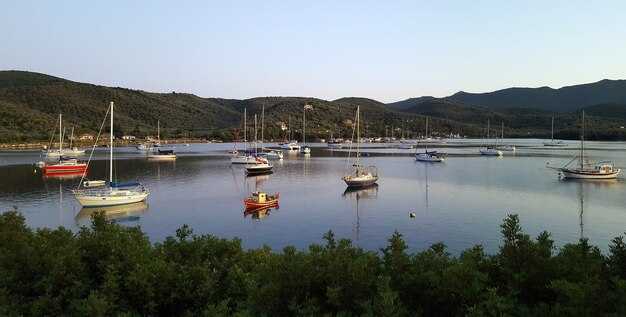
Plane im Mai–Juni oder September–Oktober für ruhigere See und zuverlässige Winde in der gesamten Region, insbesondere wenn Sie Zeit haben möchten, um zerklüftete Küstenlinien und bekannte Häfen mit einer massgeschneiderten Reiseroute zu erkunden.
Im westlichen Mittelmeer rund um die Balearen, Korsika und Sardinien gibt es starke tägliche Seebrisen, die sich nach Sonnenaufgang aufbauen und gegen den späten Nachmittag wieder abflauen. Mistral-ähnliche Bedingungen vom Festland können Schwell und unruhiges Wasser mit sich bringen, daher sind Küstenabschnitte in der Nähe von Formentera und den dalmatinisch beeinflussten Inselchen am besten für Ihre Deckzeit in ruhigeren Momenten geeignet. Der Sommer bringt wärmere Luft und längere Tage, aber der Juli bringt oft böige Winde am Nachmittag mit sich, daher profitieren Sie von frühen Starts und geschützten Häfen entlang der Hauptrouten zwischen den Inseln und den Häfen auf dem Festland.
In der Ägäis und den von Calderas übersäten Inseln dominiert der Meltemi vom späten Frühling bis in den Sommer, wobei er sich im Juli oft noch verstärkt. Die Morgenstunden sind relativ ruhig, aber die Nachmittagsfahrten werden lebhaft, wenn der Wind über das Wasser zu den bekannten Routen zwischen den Inseln weht. Wer es etwas ruhiger und nicht so heiß mag, sollte die Monate Mai–Juni oder September–Oktober ins Auge fassen, denn dann weisen die Karten beständigere Brisen und weniger plötzliche Böen aus, so dass man die Küste unbeschwerter erkunden kann.
Die dalmatinische Küste verbindet thermische Winde mit regelmäßigen, auftriebsstarken Dünungen, während Sie zwischen Buchten und versteckten Stränden segeln. Spätes Frühjahr und früher Herbst bieten oft die angenehmsten Bedingungen für längere Strecken zwischen den Häfen, während der Juli wunderschöne Segeltage bieten kann, wenn Sie sich in ruhigere Buchten kuscheln und kürzere Hüpfer zwischen den verstreuten Inselchen planen. Diese Zeit eignet sich für Segelcrews, die ein langsameres Tempo bevorzugen, mit Zeit, um Meeresfrüchte, Mezze und Sonnenuntergangshorizonte zu genießen, die die Natur und das Wasser gleichermaßen hervorheben.
Auf dem venezianischen Festland und im nördlichen Adriaraum wehen saisonale Winde weiterhin mäßig, besonders in geschützten Buchten rund um historische Häfen. Spätes Frühjahr und früher Herbst bieten angenehme Segeltörns mit weniger Unterbrechungen durch starke Böen, was es einfacher macht, Küstenhüpfer entlang bekannter Routen mit venezianischen Häfen und architektonischen Wahrzeichen zu planen. Im Hochsommer sollten Sie auf den Seegang achten und nach Möglichkeit Lagunen oder geschützte Buchten wählen, damit das Deck für lange, gemütliche Tage auf dem Wasser komfortabel bleibt.
Praktischer Ansatz: Nutzen Sie massgeschneiderte Karten, um die Zeitplanung mit lokalen Vorhersagen abzugleichen, und bauen Sie Ihren Plan um eine Kernsequenz von Inseln, Festlandstopps und dalmatinischen Küstenabschnitten herum auf. Überprüfen Sie täglich die Vorhersagen für Dünung, Windveränderungen und das Risiko von Schwallen ähnlich dem Scirocco und passen Sie dann die Routen an, um die Zeit auf dem Wasser effizient und angenehm zu gestalten. Wenn Sie ein begeisterter Segler oder ein Erstanfänger sind, sollten Sie eine kurze Pilotroute in Erwägung ziehen, um in das Caldera- oder venezianische Gebiet einzutauchen und die Gezeiten, Strömungen und Hafenabläufe unter vertrauten, freundlichen Bedingungen kennenzulernen.
| Region/Gebiet | Typical Winds | Beste Windows (Monate) | Anmerkungen |
|---|---|---|---|
| Westliches Mittelmeer (Balearen, Korsika, Sardinien) | Seebrise nach Tagesanbruch; gelegentlich Mistral/Tramontane vom Festland mit Böen von 20–30+ Knoten | Mai–Juni, September–Oktober | Halten Sie sich an geschützte Buchten in der Nähe zerklüfteter Küstenlinien; Formentera bietet ruhige Morgenstunden und malerische Abendsegeltörns. |
| Ägäis & Caldera-Inseln | Der Meltemi verstärkt sich im Juli; ruhigere Morgen, lebhafte Nachmittage | Mai–Juni, September–Oktober | Gemächliche Tagessegeln zwischen Inseln; eine gute Gelegenheit, die Insellandschaft und Calderablicke zu entdecken. |
| Dalmatinische Küste | Thermische Brisen; gelegentliche Dünung von Schifffahrtswegen | Mai–Juni, September–Oktober | Ideal für längere Strecken zwischen dalmatinischen Häfen und Inselhüpfen |
| Venezianisches Festland & nördliche Adria | Mäßige Brisen; Bora im Sommer weniger häufig, in der Übergangszeit häufiger | Mai–Juni, September–Oktober | Ideal für die Erkundung venezianischer, bekannter Häfen und Übergänge zum Festland mit ruhiger See |