


 Deutsch
  English (UK)
  Русский
  العربية
  日本語
日本語  한국어
한국어  Magyar
  Türkçe
  Español
  Čeština
  Svenska
  Português
  Ελληνικά
  Suomi
Suomi  Nederlands
  Română
  Italiano
  Français
  Polski
  Українська
  简体中文
简体中文  Slovenčina
 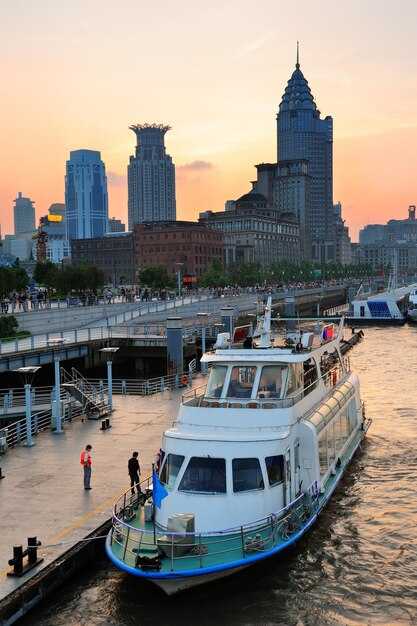 Best Boat Rentals in New York City – Top 13 Picks">

Wählen Sie Ellis Island Kreuzfahrten für eine Feier im Hafen, verbinden traditional Segel mit erfahrenen Planern und einem starken rating from guests.
Diese Angebote eignen sich für kleine Zusammenkünfte oder Firmenevents, mit Schiffen, die auf 20–60 Gäste oder größere Boote zugeschnitten sind, die 100+ Personen beherbergen können, bietet die Hafenroute. excitement und ikonische Skyline-Blicke, während Crews teilen knowledge über Sehenswürdigkeiten, einschließlich einem Halt auf der Insel, falls die Agenda dies vorsieht.
Für Planer, die Alternativen suchen, sollten Sie Optionen priorisieren, die sich traditional yet modern in comfort, avoiding generic itineraries. Ein beispielhafter Zeitplan kann sich um die Umgebung von Ellis Island, den Hafenmole und kurze Segeltörnabschnitte winden, die guests engaged während flexibler Verpflegung und Decklayouts angeboten werden.
Welche Optionen überragen die anderen? Bewertungen stimmen stets überein mit standards fr Sicherheit und Pnkttlichkeit. Eine reprsentative Stichprobe beleuchtet Crews mit knowledge des Hafens, durchdachte Details und nahtlose Koordination mit planners um Routen an Gruppengröße und Wetter anzupassen.
Über die Aufstellung: 13 Erlebnisse, die an einer anderen Facette des Lebens auf See verankert sind – Sonnenuntergang Kreuzfahrten, Twilight Harbor Touren oder private Charter mit Inselhüpfen. Der Fokus liegt auf der Lieferung excitement for guests und eine Feier, die sich anfühlt traditional anstatt generisch.
New York City Boat Rentals Guide
Empfehlung: Buchen Sie eine private Hafencharter mit einem Kapitän (2–3 Stunden) an Bord einer Motoryacht mit einem geräumigen Außenbereich, um eine atemberaubende Skyline, die Freiheitsstatue und die Brooklyn Bridge zu genießen; beginnen Sie in der Nähe des Battery Park, folgen Sie der Küstenlinie und machen Sie im Sommer einen Zwischenstopp für Getränke an Bord, während die Sonne untergeht.
Standards zur Bestätigung: Küstenwache-Zertifizierung, ausreichend Rettungswesten und ein sachkundiger Expert-Host, der eine Route umreißen und diese an Besprechungen oder private Momente anpassen kann; für größere Gruppen wählen Sie ein Schiff mit geräumigem Layout und stabilem Gang, das die Gäste komfortabel hält.
Wenn Sie Flexibilität suchen, wählen Sie ein Schiff mit einem vielseitigen Deckplan und einem Kapitän, der die Route anpassen kann, um die besten Momente entlang der Küste und unter den Brücken einzufangen; ein Anbieter, der kenntnisreiche Briefings vor der Abfahrt anbietet, hilft den Gästen, sich vorbereitet zu fühlen.
Im Sommer werden Routen häufig mit Zeit im Freien und Sehenswürdigkeiten kombiniert; für kleine Gruppen eignet sich eine 2-stündige Schleife in der Nähe der Freiheitsstatue und der Brücke gut; für größere Gruppen bietet ein 3–4-stündiger Bogen entlang der Küste ausreichend Platz zum Mischen und Genießen des an Bord servierten Caterings.
Um die Planung fortzusetzen, vergleichen Sie Optionen, die diese Standards erfüllen, und stellen Sie sicher, dass der Gastgeber Outdoor-Momente, Getränkeservice und fundierte Kenntnisse der Routen unterstützen kann.
| Provider | Vessel Type | Kapazität | Typical Duration | Anmerkungen |
|---|---|---|---|---|
| HarborVista Charters | Motor Yacht | 8–20 | 2–3 hours | Privat, von einem Skipper geführt; Außendeck; Getränkeservice |
| Liberty Line Voyages | Catamaran | 12–28 | 3–4 hours | Geräumiges Layout; stabile Plattform; optimal für Zusammenkünfte |
| BridgeView Cruises | Segel/Hybrid | 6–12 | 2 hours | Ikonische Brückenansichten; intime Settings |
| Riverside Horizon | Motor Cruiser | 10–16 | 2–3 hours | Flexible Routen; an Bord erhältliche Catering-Optionen |
Kapazitätsbenchmarks: Auswahl von Schiffen anhand der Passagierzahl und der Sitzplatzanordnung
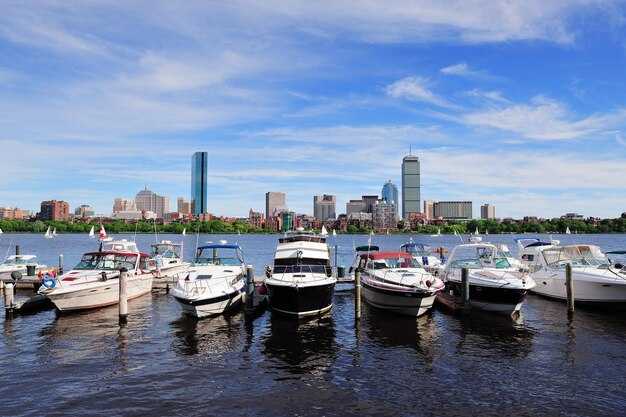
Beginnen Sie mit der Gästeanzahl und erstellen Sie eine Übersicht über die Essensbedürfnisse mit einem klaren Sitzplan. Diese Koordination minimiert Serviceausfälle und sorgt für reibungslose Feierlichkeiten während einer Inselreise.
Gruppengrößenrichtlinien unterstützen die Auswahl und verhindern unbequeme Übergänge während der Fahrt heute.
- Bis zu 12 Gäste – Motoryachten: Esstische für 8–12 Personen; Layout-Optionen sind ein langer Tisch oder zwei Tische; Deckbereich beträgt etwa 40–60 Fuß; ideal für intime Geschäftsessen und Familientreffen.
- 13–28 Gäste – Katamarane: Speiseplätze für 16–28; Layout: zwei Essbereiche plus Lounge-Bereiche; ideal für Networking-Events und Inselausflüge.
- 29–60 Gäste – mittelgroße Charter (Motor oder Segel): Verpflegung für 24–60 Personen; Layout: Buffetlinien und optionale runde Tische; ermöglicht einen reibungslosen Serviceablauf mit einer separaten Lounge auf dem Achterdeck.
- 61–120 Gäste – große Partyboote: Speisen für 60–120 Personen; Layout: drei Zonen (Speisesaal, Lounge, Tanzfläche); unterstützt Ablagepunkte rund um die Insel und Echtzeitkoordination für Feiern.
- Bankett-Essen: lange oder gebogene Reihen sorgen dafür, dass die Gäste während Reden in die gleiche Richtung blicken.
- Rundes Esstisch-Arrangement: 8–10 Personen pro Tisch, um Gespräche während Veranstaltungen zu fördern.
- Lounge-Gruppen: Sofagruppen mit Couchtischen für informelles Networking.
- Theater-Stil: Kompakte Reihen für Briefings oder Präsentationen, wenn das Essen nicht im Vordergrund steht.
- Koordination und Anpassung: Sie arbeiten heute mit einem Vertreter zusammen, um Sitz- und Essbereiche entlang von Routen und Inselstopps anzupassen und Speisekarten an Ernährungsbedürfnisse anzupassen.
- Flexibilität bieten: Das Layout sollte sich an Drop Points, On-Deck-Zeremonien, Feiern oder einfache Kreuzer-Momente anpassen.
- Personalbereitschaft: Verifizieren Sie, dass die Crews den Service für die gewählte Gästeanzahl ohne Gefährdung der Sicherheit bewältigen können.
- Nächste Schritte: Finalisiere ein Layout-Mock-up und teste es mit dem Onboard-Team vor der Abreise.
Quelle: Branchen- und Operatorberichte
Crew-Qualität, Servicelevel und an Bord angebotene Verpflegung für Firmenveranstaltungen
Choose a crew with a dedicated event host and a professional captain; this proved approach keeps service aligned from boarding to farewell. The host coordinates timing, seating, and safety checks, while the front-of-house team handles guest flow with minimal disruption to the agenda. Know your setting and demand a client-facing manager who can tailor every detail to your goals.
Maintain a staff-to-guest ratio of 1:8 to 1:12 for smooth service; on mid-size cruises typically 6–8 servers plus 1 captain for 60–80 guests, scaling up for larger groups. These ratios ensure timely beverage service, plated courses, and safety checks as they move through the cabin and deck areas. The crew training emphasizes hospitality and clear communication during transitions, and the evolution of this process is evident in every hosted event.
Catering options include plated dinners, chef-curated buffets, canapés, and refreshed coffee breaks; dietary accommodations are standard, with vegan, gluten-free, and allergen-conscious choices. Menus can be customized to corporate branding and timing, with local sourcing and seasonal offerings that enhance the on-board experience. Packages cover beverage service, service staff, and coordinating AV, providing a seamless offering with no gaps.
Imagine a setting where these elements align: surrounded by skyline views and a dedicated host team, they know how to host a successful meeting or awards reception. Packages can be tailored for groups from 20 to 200 guests, with options to add a sunset cruise, a champagne toast, or a private tasting; events can run sunday or monday as needed. This evolution in corporate cruising becomes unparalleled when the operator keeps the client’s goals at the center, and the crew becomes an extension of the brand. For newport-based options, consider specialists who partner with ellis hospitality consultants to refine flow and reduce generic risk, ensuring only the highest level of care for your event.
Pricing structures, inclusions, and transparent cost breakdowns
Recommendation: Our recommended approach is to lock a combined charter package from vetted providers such as sailawayny or boatsetter that includes captain, fuel, safety gear, and on-board amenities, with a clear, line-item quote delivered in advance.
Pricing structures typically fall into three formats: hourly time blocks, half-day (4–5 hours) or full-day (6–8 hours) charters, and fixed-event packages for ceremonies or weddings. A standard combined rate for a mid-size vessel runs around $900–$1,200 for a 4-hour block and $1,800–$3,000 for an 8-hour day. Evening cruises with sunset viewing are often $600–$1,000 for 2–3 hours. Always ask for an exact quote to avoid surprises; most outfits present these as a line item you can review before booking.
Inclusions vary, but typical provided items include captain and crew, safety gear, life jackets, basic safety briefing, fuel, and harbor/dock fees within the home area. Optional add-ons include catering, alcohol service, decorations, premium sound systems, and on-board ceremonies or weddings. Some packages cover a light reception or sunset ceremony on deck; others require separate arrangements. If you’re planning a wedding or ceremonies, choose vendors who specialize in events on board to ensure transformation of the space. For 40 guests, extras for catering and setup often amount to $400–$1,200, depending on menu and service level. If you prefer a generic package, ensure it’s not generic in terms of inclusions; ask for curated options tailored to your group and area.
Transparency is key: request a detailed breakdown in every quote. Itemize vessel time, base rate, captain/crew, fuel, docking/harbor fees, taxes, gratuities, permits, and any surcharges. Confirm the exact meeting area and pickup location; some operators charge extra for certain river segments or overflow marinas. Ensure the terms specify that the amount shown is the total amount due, with no hidden costs beyond the invoice. Always verify advance booking discounts and whether the rate applies to a specific date window in the summer peak.
Sample scenarios to compare: a wedding on the river in summer with a 4-hour ceremony plus on-deck reception for 30 guests might look like $2.000–$3.500 including captain, crew, and basic setup; add catering and decor could push toward $5,000–$7,500. For a private group cruise with a live guide and a sunset view, expect $1,400–$2,200 for 4–5 hours. Always request a quote from at least three providers–this is your best chance to see how their offerings align with your choice and to compare fees and included services. In this process, check their expertise and their ability to coordinate viewing spots and ceremonies on the water.
Final tips: look for packages that are combined with standard inclusions rather than piecemeal add-ons; prioritize providers with clear, published terms and a low risk of cancellation penalties. Their ability to handle weddings, ceremonies, and group milestones often reflects their transformation as a service provider. For high-satisfaction results, choose offerings with strong star ratings and documented experience (their teams) and a transparent plan for advance booking. Expect clear viewing points and steady water conditions in the area during summer; ensure the quote includes all required permits and insurance documentation.
Itinerary options, routes, and docking logistics within NYC waterways
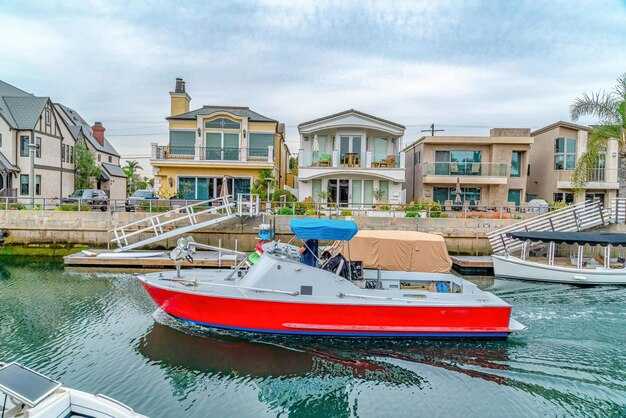
Kick off with a two-hour Lower Manhattan loop departing North Cove Marina, heading toward Battery Park, then cruise the East River for breathtaking skyline views and photo opportunities, before returning along the Hudson with lights rising over the skyline.
- Classic Skyline and Liberty View
Route: North Cove Marina → Battery Park → East River past the UN and Roosevelt Island → Brooklyn Bridge area → return along the Hudson. Docking options include North Cove Marina or Chelsea Piers for a quick reboarding. Ideal for daytime sightseeing, sunset silhouettes, and capturing iconic shot moments.
- Harbor-to-Bridge Circuit with Urban Sanctuaries
Route: Start at Liberty Landing Marina (NJ) or Pier 11/Wall Street area, traverse the hudson’s edge, swing by Governors Island, then glide along the Brooklyn and Manhattan waterfronts. Dock at Liberty Landing Marina or Hoboken’s Port Imperial for convenient access to dining and parks.
- Extended Weekend Escape to Newport and Rhode
Route extension: after leaving NYC waterways, coordinate a one‑to‑two day leg toward newport in rhode island for a maritime port call. Such a voyage requires licensed professionals, careful weather planning, and support from a crew who can create a seamless, unforgettable itinerary. If youre imagining a grand voyage, this option delivers on evolution and vision for american coastal exploration.
- Birthday and Occasion Private Cruise
Route focus: customizable loop around major silhouettes with a personalized dining plan. Onboard catering, a photographer for a gallery‑style photo session, and a celebration setup turn an ordinary harbor cruise into an unforgettable occasion that leaves guests with lasting memories.
- Sunday Scenic & Jazz‑lite Shoreline
Route: brisk loop along the East River and Manhattan shoreline, with a stop near piers that offer protected mooring and on‑board entertainment. Sundays pair well with a curated dining program, background music, and opportunities to capture stunning snapshots of the skyline in the afternoon light.
Docking logistics and practical notes: secure a licensed operator and ensure the crew holds proper credentials for maritime operations. Pre‑book berths at favored hubs to guarantee access during peak windows and holidays. Popular anchorage and mooring options include North Cove Marina (Manhattan), Chelsea Piers (Pier 60 corridor), Liberty Landing Marina (New Jersey side), and Port Imperial (Weehawken). For additions beyond the city waters, coordinate with the captain about port calls and required clearances in advance, and confirm tender support and fueling arrangements with each facility. Always ensure clear comms with the harbor master, provide passenger manifests, and verify weather and current conditions prior to departure. This approach guarantees streamlined docking, safe maneuvering, and a reliable plan for every occasion.
Key tips to keep in mind: youre choosing a route that aligns with vessel clearance and marina access, and youre arranging a seamless dining and photo program that elevates the voyage. Imagine a flexible schedule that accommodates celebratory milestones, from birthdays to anniversaries, while keeping a sharp focus on safety and compliance. The evolution of nautical itineraries in america centers on licensed operators, punctual berthing, and a vision that balances intimate moments with panoramic views. With careful planning, the port‑to‑port legs become a great platform for personal memories, while offering flexible options to hire crews, obtain permits where needed, and ensure every segment unfolds as a truly unforgettable ride.
Booking terms, cancellations, and risk management for corporate charters
Recommendation: Lock flexible cancellation terms (14–21 days) and hold spots with a refundable deposit to protect the amount and keep options open when plans shift.
Payment structure: implement a staged plan: 50% to lock the date, 25% before onboarding, 25% on the day of departure. This protects their investment and keeps the route adaptable while you staff the crew and gear for the expected size.
Require written confirmation of guest count no later than 72 hours before the charter. Changes up to this point are allowed with minimal impact; after that, adjustments may incur a per-guest fee and affect the overall route and timing.
Cancellation windows and refunds: offer a full refund or credit for cancellations 14–21 days out, 50% refund for 7–13 days, and no refund within 7 days. Document all amendments in writing and provide a clear credit policy for rescheduling within 30 days.
Risk management framework: attach a formal plan covering weather contingency, emergency procedures, first-aid provisions, and insurance. Ensure compliance with applicable states and local regulations, and designate a safety lead on board who coordinates with the host and captain. Before onboarding, deliver a concise safety briefing and distribute life jackets, flotation devices, and accessibility options as needed.
Onboard safety and comfort: specify a climate-controlled area for guests during rough seas or heat waves, plus sheltered outdoor spots. Maintain a crew-to-guest ratio that supports rapid response and unobstructed movement in all areas. Provide a written contact for any medical or accessibility needs their team may have.
Betriebliche Überlegungen: Für größere Gruppen wählen Sie ein Schiff mit sowohl klimatisierten Lounges als auch offenen Decks, um unterschiedlichen Geschmäckern gerecht zu werden. Sie bieten eine Vielfalt an Menüoptionen und abendlicher Unterhaltung, um die Gäste zu beschäftigen. Planen Sie einen ausgewogenen Zeitplan, um Gedränge zu vermeiden, und bestimmen Sie eine Route, die die Schönheit entlang des Ufers hervorhebt und gleichzeitig schnelle Umleitungen bei Wetteränderungen ermöglicht. Der Gastgeber sollte sich mit dem Dock-Personal des Jefferson-Gebiets abstimmen, um das Einsteigen zu vereinfachen und Verzögerungen zu minimieren.
Reservierungsverwaltung: weisen Sie einen einzigen Ansprechpartner für den Kunden zu, um Fehlkommunikation zu reduzieren, und stellen Sie eine schriftliche Checkliste bereit, die Abfahrtszeiten, Anweisungen für den Hafen und Notfallpläne für verspätete Ankünfte abdeckt. Wenn der Prozess ordnungsgemäß ausgeführt wird, wird er für die Teams vorhersehbar und steigert den Stolz der Führungskräfte während der Veranstaltung.
Sie werden schätze es, eine übersichtliche Risikoakte, eine Checkliste vor dem Einsteigen und eine geübte Sicherheitsbesprechung zu haben, die die Bedürfnisse der Gäste, Notfallkontakte und die genauen Rollen der Besatzung während des Abends abdeckt. Ein gut dokumentierter Plan erhöht das Vertrauen, reduziert Überraschungen und hält den Fokus auf das Wesentliche – den Erfolg und die Begeisterung der Charter.