


 Deutsch
  English (UK)
  Русский
  العربية
  日本語
日本語  한국어
한국어  Magyar
  Türkçe
  Español
  Čeština
  Svenska
  Português
  Ελληνικά
  Suomi
Suomi  Nederlands
  Română
  Italiano
  Français
  Polski
  Українська
  简体中文
简体中文  Slovenčina
 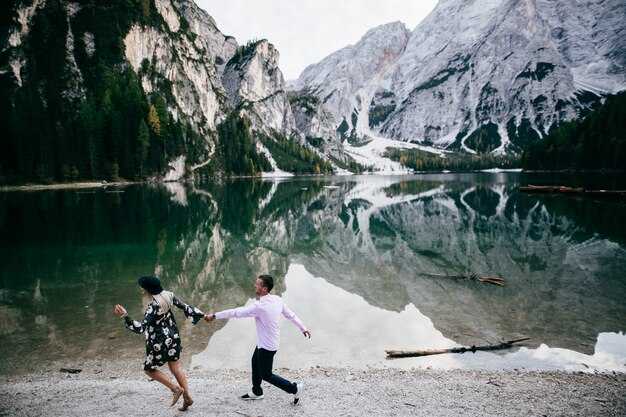 Ein erster Leitfaden für den Genfersee, Schweiz – Essentielle Tipps, Top-Sehenswürdigkeiten und Reisetipps">

Beginnen Sie mit dieser Bewegung: Nehmen Sie die Zahnradbahn von Montreux nach Naye und steigen Sie dann am Seeufer entlang in Richtung Vevey hinab. Der Aufstieg liefert Magie, a blend von Alpenluft und Seelicht, und es gibt ein sanftes Tempo für Ihren ersten Tag vor.
Choose a central Stützpunkt in Lausanne oder Montreux, dann hüpfen Sie in kleinere Städte entlang der Lavaux-Weinterrassen. Wandern Sie auf den Steinmauern, halten Sie für ein Glas auf einem Weingut und beobachten Sie, wie sich die Terrassen wie Stufen über dem Wasser erheben. Die Aussichten sind inspirierend und die Region paart Wein mit Meeresbrise.
Besuchen Sie Schloss Chillon am Ufer für einen gotisch Kapitel in Stein gemeißelt, dann schlendern Sie durch die Gassen von Vevey oder die Altstadt von Lausanne. Machen Sie morgens einen Stadtbummel und wechseln Sie nachmittags zu einer Uferpromenade an der Riviera. Wählen Sie ein Restaurant mit lokaler menu frischen Fisch und Käse in den Mittelpunkt stellt.
Plan year-round Reisen mit einer Mischung aus Zügen, Fähren und kurzen Wanderungen in den Hügeln. Im Sommer öffnen Bootsverbindungen zu allen Orten am See; in der Übergangszeit bleibt die Luft mild und die Menschenmassen werden kleiner. Achten Sie während der Fahrt auf die Plattform Achten Sie auf die Schilder, um das richtige Auto zu erwischen, und halten Sie eine leichte Regenjacke für plötzliche Schauer bereit.
Planen Sie zusätzliche Zeit für Lavaux-Verkostungen oder einen Kaffee auf dem Bahnsteig an kleinen Bahnhöfen ein; erwägen Sie einen Pass, der Züge und Boote abdeckt, um flexible Fahrpläne zu haben. Wenn Sie einen schnellen Imbiss wünschen, werfen Sie einen Blick auf das Tagesangebot. menu in lokalen Bistros und wählen Sie etwas Einfacheres, wie eine Käseplatte oder Forelle mit Kräutern, was gut zu einem Glas Wein aus der Region passt.
Genfersee Reiseführer
Wähle Montreux als deinen Ankerpunkt: Zwei Nächte geben dir Zeit, die Uferpromenaden entlangzuschlendern, Kaffee am Kai zu trinken und mit der Zahnradbahn nach Naye für eine Panoramaansicht über dem See zu fahren. Erkunde dann die Lavaux-Weinberge und charmanten Dörfer und beende den Tag mit einem Sonnenuntergang über der Stadt.
- Top-Sehenswürdigkeiten und Aussichten: Die Montreux-Promenade am See entlang, das Schloss Chillon, das auf dem Wasser thront, und eine kurze Zugfahrt nach Vevey für das literarische Ambiente. Der Gipfel von Rochers-de-Naye bietet eine klare Panoramasicht, besonders bei Sonnenaufgang oder in der Goldenen Stunde.
- Dörfer und Reben: Wandern Sie durch Lutry, Saint-Saphorin und Epesses, um zwischen Reben und Terrassen zu spazieren; probieren Sie Chasselas in einem Gasthof im Villenstil und halten Sie an einem Aussichtspunkt am Hang für eine Aufnahme mit einer bildwürdigen Kulisse über den See.
- Wähle ein Café mit Terrasse für frisches Gebäck und einen starken Kaffee und genieße anschließend lokale Fischgerichte und saisonale Produkte in familiengeführten Bistros entlang der Küste.
- Outdoor-Aktivitäten: Genießen Sie eine leichte Wanderung auf dem Uferweg zwischen Montreux und Vevey, schwimmen Sie in den warmen Monaten oder machen Sie eine kurze Velofahrt auf einem Veloweg am Wasser entlang; für eine grössere Herausforderung wandern Sie in den nahen Alpen und geniessen Sie die Fernsicht.
- Festivals und Zeitplanung: Planen Sie um die Monate Juni bis August herum, wenn das Montreux Jazz Festival und andere Veranstaltungen den Kalender füllen; die Weinfeste in Lavaux bieten einen lebendiges Ambiente für einen Tagesausflug oder ein Wochenende.
- Praktische Tipps: Schlagen Sie Ihr Lager in einer Stadt am Seeufer auf und machen Sie dann einen Tagesausflug nach Lausanne oder Vevey; nutzen Sie das Bahnnetz für mühelose Sprünge zwischen den Dörfern und reservieren Sie einen Deauville-Kulissen-Moment bei Sonnenuntergang am Kai.
- Literarischer und lokaler Charakter: Suchen Sie in Vevey ein Fluss- oder vom Fluss inspiriertes Café für eine literarische Stimmung und genießen Sie einen ruhigen Nachmittag mit einem Buch und Blick auf den See.
Ein Beispielwochenende: Beginnen Sie mit einem Morgenkaffee auf einer Terrasse in Montreux, fahren Sie nach Naye für eine Hochlandansicht, steigen Sie nach Vevey für einen Spaziergang am Seeufer ab und beenden Sie den Tag vor Sonnenuntergang mit einer Weinprobe in einem Dorf des Lavaux.
Ein Reiseführer für Erstbesucher des Genfersees, Schweiz: Praktische Tipps, Top-Sehenswürdigkeiten und Reisehinweise; Montreux
Beginnen Sie Ihren ersten Besuch mit einem Spaziergang im Sonnenuntergang am Seeufer von Montreux, um einen Panoramablick zu genießen, der den Horizont und die schneebedeckten Alpen jenseits des Sees umfasst.
Praktische Tipps, die Sie sofort anwenden können:
- Anreise: Mit dem Zug von Genf oder Lausanne; der Bahnhof Montreux ist nur einen kurzen Spaziergang von der Promenade entfernt, und die meisten Sehenswürdigkeiten sind zu Fuss oder mit einer kurzen Busfahrt in 10–20 Minuten erreichbar.
- Eintritt und Tickets: Informieren Sie sich über die Öffnungszeiten von Schloss Chillon und buchen Sie online im Voraus, um diesen Sommer Warteschlangen zu vermeiden. Dies spart an stark frequentierten Tagen Minuten.
- Beste Reisezeit: spätes Frühjahr oder früher Herbst, wenn die Menschenmassen kleiner sind und das Licht ideal für Fotos ist; Sonnenanbeter werden die Luft am See genießen, aber bringen Sie eine leichte Schicht für die Brise vom Wasser mit.
- Was man einpacken sollte: bequeme Schuhe zum Wandern, Badebekleidung für ein Bad im See, eine kompakte Regenjacke und eine Flasche für Wasser in Parks am Seeufer.
- Regionale Hinweise: Die Weinbau-Terrassen des Lavaux bieten eine schöne Kulisse für Tagesausflüge; Weinproben unterwegs lassen sich leicht in einen Halbtagesplan einbauen.
- Essen und Trinken: Probieren Sie lokale Schokolade zusammen mit einem Glas des regionalen Weins; beides passt gut zum gemächlichen Tempo am See und zu den historischen Vibes der Städte, durch die Sie kommen werden.
- Was ist zu beachten: Saisonale Veranstaltungen können zu Änderungen im Zeitplan führen; besuchen Sie die offizielle Tourismusseite von Montreux und die Chillon-Seite einige Tage vor der Ankunft.
Top-Sehenswürdigkeiten und Orte, die Sie nicht verpassen sollten:
- Montreux, Seeufer und Promenade – flanieren Sie auf der Promenade, fotografieren Sie die von Palmen gesäumten Quais und halten Sie an Aussichtspunkten inne, die die Alpen und die schimmernde Oberfläche des Sees einrahmen.
- Schloss Chillon – eine historische Festung auf einem kleinen, inselartigen Felsvorsprung; seine gehauenen Treppen und Fackeln deuten auf Jahrhunderte von Legenden und Alltagsleben hin, die von der Seebrise begleitet werden.
- Die Weinterrassen von Lavaux – eine Panorama-Kulisse für eine Degustation; der Weinbau hat die regionale Kultur seit Generationen geprägt, und die Rebzeilen fallen kaskadenartig zum Wasser hinab.
- Vevey und die Chaplin-Statue – nur eine kurze Zugfahrt entfernt, verbindet diese Küstenstadt Seenromantik mit einer verspielten Hommage an eine Kinolegende; erwarten Sie ein paar ruhige Cafés und einen schönen Blick auf das Wasser.
- Yvoire (Frankreich) – ein mittelalterliches Dorf, das mit kurzen Fährfahrten erreichbar ist; seine historischen Steinstraßen und Gärten sind ein Highlight für einen halbtägigen Ausflug von Montreux aus.
- Rochers-de-Naye oder Montreux’ Aussichtspunkte – eine malerische Fahrt mit der Bahn oder Zahnradbahn für eine höhere, dramatischere Horizontlinie und eine kühle, alpine Brise.
Reiseplanungstipps, um Ihre Zeit optimal zu nutzen:
- Planen Sie etwa 90 Minuten für das Schloss Chillon ein, wenn Sie die Verliese, Räume und Galerien mit Blick auf den See eingehend besichtigen möchten.
- Reservieren Sie einen Morgen für die Weinterrassen von Lavaux und wechseln Sie dann zu einem Uferspaziergang für einen entspannten Nachmittag.
- Planen Sie 30–40 Minuten für einen Stopp in Yvoire ein, wenn Sie einen Tagesausflug über den See machen; das Betreten des Dorfes am Ufer fühlt sich an wie eine Reise in die Vergangenheit.
Historischer Kontext und ein paar lokale Akzente, um Ihre Erfahrung zu bereichern:
- Historische Szenen entlang des Ufers nähren Legenden über den See; die Gegend zieht seit langem Schriftsteller und Reisende an, eine Quelle (источник) von Geschichten, die Fakten mit Mythen vermischen.
- Die Promenaden wurden sowohl für Sonnenanbeter als auch für Wanderer entworfen und schufen einen zeitlosen Rhythmus aus Spaziergängen, Gesprächen und gemeinsamen Mahlzeiten, die an saisonalen Ständen serviert werden.
- In Montreux werden Sie einen stillen Stolz auf die regionale Küche feststellen; Schokoladengeschäfte säumen die Gassen, und ein schneller Imbiss passt gut zu einem knackigen Glas von den Lavaux-Terrassen.
- Literarische Notizen verbinden den See mit Sensibilitäten der Vor-Byron-Ära und verleihen den Uferbänken und Hafencafés zusätzlichen Charme.
Wann Sie buchen und wie Sie Ihren Tag gestalten:
- Vormittag: Besuchen Sie Schloss Chillon für einen weniger überlaufenen Besuch und eine frische Seebrise; planen Sie etwa 2 Stunden ein, einschließlich des Spaziergangs entlang des Ufers zum und vom Parkplatz oder Anleger.
- Mittag: Spazieren Sie durch die Lavaux-Terrassen, probieren Sie einen regionalen Wein und genießen Sie ein leichtes Mittagessen in einem Weinberg-Bistro; planen Sie 60–90 Minuten für eine Weinprobe und einen kleinen Imbiss ein.
- Nachmittag: Nehmen Sie eine kurze Fähre nach Yvoire oder Vevey für einen historischen Spaziergang und eine Kaffeepause; planen Sie 90 Minuten ein, um die Steingassen und die Uferpromenade zu erkunden.
- Abend: Rückkehr nach Montreux für einen letzten Spaziergang am Seeufer, ein zwangloses Abendessen und Sonnenuntergangsaufnahmen vom Ufer aus für einen letzten, unvergesslichen Blick.
Extras, um diese Reise an Ihr Tempo anzupassen:
- Reisepassfreundliche Pässe: Erwägen Sie einen regionalen Pass für Museen und Fähren, wenn Sie mehrere Eintritte in einem kurzen Zeitraum planen.
- Fotografie-Tipps: Bringen Sie ein leichtes Stativ für Aufnahmen bei schwachem Licht entlang der Promenade in der Dämmerung mit und bewahren Sie eine zusätzliche Speicherkarte für die Tagesausflüge auf.
- Hinweise für Familien: Für Kinder bieten die kurze Fährfahrt nach Vevey oder der Aufstieg nach Rochers-de-Naye eine spielerische Abwechslung und die Möglichkeit, einheimische Wildtiere zu beobachten.
- Saisonale Aromen: In der Hochsaison harmonieren süße Köstlichkeiten lokaler Chocolatiers wunderbar mit einem Terrassenblick über das Wasser; diese Kombination wird oft zu einem Höhepunkt der Reise.
Abschließende Checkliste für eine reibungslose Montreux-Erfahrung:
- Überprüfen Sie das Wetter und die Zugfahrpläne am Abend zuvor.
- Bringen Sie Sonnencreme, einen Hut und einen Badeanzug zum Baden im See mit.
- Reservieren Sie das Schloss Chillon und eine Degustation in Lavaux möglichst im Voraus.
- Führen Sie eine kompakte Karte und ein Telefon mit Offline-Zugang mit, um sich auf den zentralen Uferstrecken zurechtzufinden.
- Gönnen Sie sich Zeit zum Innehalten, Nippen und einfach nur den Horizont beobachten – dies ist der Moment, in dem der See Besuchern, die ihn zum ersten Mal erleben, seine stille Majestät offenbart.
Die besten Ausgangspunkte für einen ersten Besuch: Montreux, Vevey und nahegelegene Optionen
Montreux ist der beste Ausgangspunkt für einen ersten Besuch. Hier verschmilzt ein schimmerndes Seeufer mit der einfachen Erreichbarkeit von alpinen Tagesausflügen, einer lebhaften Promenade und Bahnverbindungen, die Sie in etwa 25 Minuten nach Lausanne und in 15 Minuten nach Vevey bringen. Die Zahnradbahn Rochers-de-Naye fährt von Montreux in etwa 55 Minuten auf den Gipfel, ideal für einen Halbtagesausflug. Vom Ufer aus können Sie paddeln oder schwimmen, und Sie werden die terrassierten Weinberge entlang des Ufers und die Kulisse der dahinter aufragenden Alpen bemerken. Die sanften Weinterrassen des Lavaux beginnen direkt außerhalb der Stadt, und Quelle bestätigt, dass diese Verbindungen das ganze Jahr über zuverlässig sind. Nach einem Tag voller Besichtigungen bieten viele Lokale Saunen zum Aufwärmen an, ein kleiner Luxus nach einer frischen Brise. Die Uferpromenade eröffnet verschiedene Erlebniswelten, von Musik bis zu Märkten.
Vevey bietet ein ruhigeres Tempo und einen starken kulturellen Rhythmus. Schlendern Sie die Seepromenade entlang, stöbern Sie auf dem Vevey Market und besuchen Sie Chaplins World für ein literarisches Eintauchen – perfekt für einen entspannten Nachmittag. Von Vevey aus erreichen Sie Lausanne in etwa 15 Minuten mit dem Zug oder fahren mit den See-Fähren zu Dörfern entlang der terrassierten Lavaux-Weinberge. Wenn Sie sich nach einer versteckten Ecke sehnen, schlüpfen Sie in die Innenhöfe der Altstadt von Vevey und trinken Sie einen Kaffee, während der See als reflektierende Kulisse dient. Im Winter erstrahlt die Stadt mit Märkten und Musik, eine angenehme Pause vor weiteren Abenteuern, mit mehreren Wegen, die sich perfekt für einen gemütlichen Nachmittag eignen.
Nahegelegene Optionen halten die Riviera-Schleife flexibel. Lausanne (Lausanne) dient als Drehscheibe für Architektur, Museen und Universitätsleben, mit einfachem Zugang zu Weinbergpfaden und den Stadtmauern der Altstadt – ideal für einen kompakten Entdeckungstag. Ein Tagesausflug nach Naye verleiht dem Ganzen eine frische Bergdimension, und die Aussicht von den Gipfeln schweift über mehrere Siedlungen am Wasser. Für einen urbanen Ausgleich jenseits der Schweiz bietet das Quartier Pâquis in Genf eine besondere Energie und ist mit dem Zug als längere Tagestour erreichbar.
So wählen Sie: Wenn Sie sich nach dem Leben am See mit schnellem Zugang zu den Alpen sehnen, ist Montreux die beste Wahl; wenn Sie Kultur und Ruhe am Quai suchen, ist Vevey genau das Richtige; kombinieren Sie dies mit einem Aufenthalt in Lausanne für Architektur und einen Einblick in die Schweizer Weinregion. Für eine längere Auszeit sollten Sie einen Tagesausflug nach Genf oder einen Spaziergang durch Paquis einplanen, um eine andere Atmosphäre und eine Handvoll Stadtführungen zu erleben. Packen Sie einen Badeanzug zum Schwimmen ein, schnüren Sie die Schuhe für einige malerische Wanderwege und planen Sie einen Besuch der Lavaux-Terrassen, um Weine direkt dort zu probieren, wo sie angebaut werden. Nutzen Sie den See als ständige Kulisse und lassen Sie sich von den schlossartigen Befestigungsanlagen und den versteckten Innenhöfen bei Winterspaziergängen und Sommerkreuzfahrten überraschen.
Vielen Dank fürs Lesen und genießen Sie Ihren ersten Besuch auf der Schweizer Riviera am Genfersee, wo frische Luft, die Wärme der Sauna und terrassierte Weinberge Sie in einer Welt einfacher Routen und lebendiger Erinnerungen willkommen heißen. léman
Unterwegs: Tipps zu Zügen, Fähren und öffentlichen Verkehrsmitteln
Beginnen Sie mit einem Swiss Travel Pass für ein paar Tage oder einem Riviera Regional-Pass, wenn Sie häufig Züge und Fähren entlang der Seeuferorte nutzen möchten. Er deckt Züge, CGN-Fähren und die meisten Busse ab, sodass Sie sich ohne Einzeltickets bewegen können.
Züge verbinden Genf, Lausanne, Vevey und Montreux mit zuverlässiger Geschwindigkeit. Vom Genfer Hauptbahnhof nach Lausanne sind es etwa 35 Minuten; von Lausanne nach Montreux etwa 20 Minuten. Tagsüber verkehren die Züge in der Regel alle 15–30 Minuten, an Wochenenden gibt es zusätzliche Verbindungen.
Die Genfersee-Fähren bieten entspannte Kreuzfahrten zwischen Genf, Nyon, Lausanne, Vevey und Montreux an. Eine direkte Fahrt von Genf↔Montreux dauert etwa 2 Stunden und bietet malerische Ausblicke auf die Ufer und die Lavaux-Weinterrassen entlang des Weges.
Öffentlicher Nahverkehr – Tipps: In Genf bringen Sie Trams und Busse schnell ans Seeufer und zu den Museen; in Lausanne befördert Sie die fahrerlose Metro M2 in wenigen Minuten von Ouchy ins Stadtzentrum. Überprüfen Sie die Gültigkeit Ihres Passes in der App oder auf den Bildschirmen der Bahnhöfe und entwerten Sie ihn vor Fahrtantritt.
Wer sich für Landschaften und Geschichte begeistert, sollte einen Abstecher nach Lavaux oder einen kurzen Besuch eines Schlosses in der Nähe von Rolle oder Nyon oder einer ruhigen Villa am See planen. Das Juragebiet ist ein schöner Tagesausflug von Genf aus, und an klaren Tagen lugen die Alpen hervor und belohnen Sie mit frischen Fotos und einem unvergesslichen Sonnenaufgang. Eine Frühlingskreuzfahrt kann ein Highlight sein, besonders für Käseliebhaber, die lokale Produkte auf der Speisekarte probieren möchten.
Preisbewusste Reisende können die Gegend in eine einzige Planung integrieren, indem sie ein oder zwei längere Fahrten priorisieren und Lücken mit kurzen Strecken auf Fähren oder Bussen füllen. Davis merkt an, dass eine gut getimte Kombination aus Zügen und Schiffen oft lange Fahrtage übertrifft und Ihnen Zeit gibt, ein oder zwei Wörter im Bordratgeber zu lesen, Kaffee zu trinken und die Schönheit der Schweizer Ufer direkt bei Tagesanbruch zu genießen. Wenn Sie in der Nähe eines Bahnhofs eine Werbung sehen, weist diese möglicherweise auf eine Themenkreuzfahrt oder einen Weindegustationsstopp hin, aber Sie können sich für die leichtere Option entscheiden und trotzdem den Sonnenaufgang über den Alpen einfangen.
Montreux: Die Top-Highlights und einfache Tagesausflüge vom See aus
Beginnen Sie mit einem abendlichen Spaziergang am Ufer von Montreux, um die Kulisse des Sees und der Berge einzufangen. Die breite Uferpromenade verbindet Belle-Époque-Villen und lebhafte Cafés, wobei die Schweizer Brise eine entspannte Stimmung erzeugt, die die Stadt kleiner wirken lässt, als sie ist. Dieser erste Stopp hilft Ihnen auch, den Tag besser zu planen, egal ob Sie sich für einen kulturellen Anziehungspunkt oder einen Nachmittag auf einer Weinterrasse entscheiden.
Schloss Chillon liegt am See in der Nähe von Villeneuve, ein Stopp, den Sie sich nicht entgehen lassen sollten. Kommen Sie am späten Vormittag an, um den Menschenmassen zuvorzukommen, und schlendern Sie dann zwischen steinernen Türmen, gewölbten Hallen und Verliesen, während das Seelicht auf dem Wasser flackert. Der Ort ist bekannt für seine dramatische Lage und seine Geschichten, was ihn zu einer zuverlässigen Kulisse für Fotos macht, die sich auch zu Hause gut machen werden. Spazieren Sie nach der Besichtigung durch die nahegelegenen Gassen, um ein Café zu finden, das lokale Gerichte und Chasselas, den klassischen Weisswein der Region, serviert.
Von Montreux aus belohnt Sie die Zahnradbahn nach Naye (naye) mit einem Panoramablick über den See und die Alpen. Auf dem Gipfel können Sie kurze Spaziergänge unternehmen, ein heißes Getränk auf einer Terrasse genießen und die Schweizer Berge mit dem blauen Farbenspiel des Sees vergleichen. Es ist ein kompaktes Erlebnis, das sich gut mit einer späteren Rückkehr in die Stadt für ein französisch inspiriertes Abendessen am Ufer verbinden lässt.
Vevey und Lausanne eignen sich hervorragend für Tagesausflüge, egal ob Sie mit einem direkten Zug fahren oder sie mit einem Spaziergang am Seeufer verbinden. Vevey bietet eine entspannte Atmosphäre, Märkte und eine Flusskulisse, die an ein kleines Flussdorf erinnert. In Lausanne finden Sie ein lebhaftes Universitätsleben, Parks am Flussufer und Spas, die nach einem geschäftigen Vormittag zum Entspannen einladen. Wenn Sie eine umfassendere Weingeschichte suchen, bieten die Lavaux-Terrassen – ein UNESCO-Weltkulturerbe entlang des Genfersees – bemerkenswerte Ausblicke auf Seen und Weinberge mit nur einem Zwischenstopp. Einheimische werden Ihnen sagen, dass die besten Jahrgänge von den Chasselas-Reben stammen, die die Hänge säumen, und viele Weinkeller laden Besucher zu Verkostungen mit einem kleinen Imbiss ein.
An einem klaren Tag können Sie Gruyères für Käseerbe mit einem Stopp in einer Villa oder Kapelle auf einem Hügel verbinden und dann über die Lavaux-Strasse zurückfahren, um das Sonnenuntergangslicht über dem See zu geniessen. Die gesamte Strecke zeigt, wie die Schweizer Landschaft in wenigen Minuten von hohen Bergminen zu sanften Weinbergen wechseln kann, ein Merkmal, das viele Reisende schätzen, wenn sie entscheiden, was sie als Nächstes tun sollen.
| Destination | Reisezeit (ca.) | Best time to visit | Must-Do | Anreise |
|---|---|---|---|---|
| Schloss Chillon | 20–40 Min. von Montreux entfernt | Morgens oder später Nachmittag für weicheres Licht | Burginnenausstattung, Seeufer-Türme, Kapellenreliquiare | Bus oder kurze Fahrt von Montreux; Haltestelle am See auf dem Weg nach Villeneuve |
| Naye (Rochers-de-Naye) | ~1 Std. gesamt hin und zurück | Mittags bis Nachmittag Sonne auf den Gipfeln | Zahnradbahnfahrt, Panoramaterrasse, einfache Alpenwanderungen | Zahnradbahn ab Bahnhof Montreux |
| Vevey | 10–15 Min. mit dem Zug | Late morning to early afternoon | Märkte, Uferpromenaden, Mikrobrauereien oder ein leichtes Mittagessen am Wasser | Zug ab Montreux oder Spaziergang am Seeufer entlang |
| Weinbaugebiet Lavaux | 20–40 Min. mit dem Zug nach Lutry oder Pully | Früher Nachmittag bis Sonnenuntergang | Terrassenverkostungen, Weinkellerführungen, Weinbergwanderungen am Hang | Zug nach Lutry oder Cully, dann kurze Spaziergänge durch die Terrassen |
| Gruyères (Käsedorf) + nahegelegene Spa-Optionen | 1,5–2 Std. mit Zug und Bus | Mittag bis Nachmittag | Käserei, Schloss Gruyères, lokale Gasthausküche | Zug nach Gruyères; lokale Busverbindungen zu Kurorten |
Wähle bei der Planung einen Rhythmus, der zu deinem Tempo passt: ein einziger langer Stopp mit einer ruhigen Sonnenuntergangskulisse oder eine kompakte Schleife, die zwei oder drei Highlights an einem Tag abklappert. Die Region
Die Vorteile der Lage am See ermöglichen es Ihnen, Natur mit Geschmack zu verbinden: Chasselas auf einer Terrasse, französischsprachige Gastfreundschaft und eine Fülle von Villen und Gasthöfen entlang der Küste. Wenn Sie nicht sicher sind, wo Sie anfangen sollen, beginnen Sie am besten mit dem Sonnenuntergangsplan am Seeufer und entscheiden Sie dann, welche Richtung Ihnen am besten gefällt – Norden in Richtung Vevey und Lavaux oder Süden in Richtung Gruyères und des Käseerbes von Gruyères. Bei jeder Wahl ist der Tag voller Möglichkeiten, mit viel zu entdecken, egal ob Sie aus weltbekannten Sehenswürdigkeiten oder abseits der ausgetretenen Pfade schöpfen. Belle-Époque-Charme, moderne Cafés und eine stetige Dosis Berge machen Montreux zu einem zuverlässigen Ausgangspunkt für Abenteuer auf dem See. истоочник
Spartipps und lokale Gastronomie: Budgets, Pässe und Etikette
Greif einen Swiss Travel Pass 3 Tagen und aktivieren Sie bei Ankunft eine Geneva Transport Card. Diese würde Züge, von Mouettes betriebene Boote auf dem See und Busse sowie den Eintritt in viele Museen abdecken. Dieses Arrangement hält die Reise einfach und ermöglicht es Ihnen, central Städte und Uferdörfer mit einer einzigen Karte.
Für Mahlzeiten plane ein tägliches Budget von CHF 12–18 für das Mittagessen und CHF 25–40 für das Abendessen in Bäckereien, zwanglosen Bistros oder auf Märkten ein. Das Paquis-Viertel (pâquis) bietet erschwingliche Küche mit Optionen aus aller Welt; es ist eine zuverlässige Quelle für budgetfreundliche Angebote in der Nähe des central Seeufer. Auf den Märkten gibt es regelmässig frische Produkte, und ein Picknick an den Stränden mit Möwen ist eine nette Abwechslung.
Etikette: Prüfen Sie, ob die Servicegebühr in der Rechnung enthalten ist; wenn nicht, ist ein kleines Aufrunden von 5–10 % angebracht. In Cafés können Sie an der Theke bestellen; in größeren Restaurants begrüßen Sie das Personal mit einem freundlichen Hallo und Dankeschön. Es besteht keine Eile; nehmen Sie sich Zeit, um Ihre Mahlzeit zu genießen und den Ort zu beobachten. Für Vollzeitreisende empfiehlt es sich, Mahlzeiten und Besuche auf die lokalen Zeiten abzustimmen, um den Nutzen zu maximieren.
Ob du dich konzentrierst auf central Genf oder eine Villa district Am Ufer des Genfersees bietet die Uferzone eine Mischung aus architecture und Burgen vor einer dramatischen Kulisse. Nehmen Sie Züge zu nahegelegenen cities wie Lausanne oder Montreux für Tagesausflüge; am Horizont zeigt sich an klaren Tagen oft der Mont Blanc. Mouettes-Fährverbindungen, Strände und erschwingliche Restaurants rund um Pâquis runden eine ausgewogene Reiseroute ab.
Pack-, Sicherheits- und Gesundheitstipps für eine reibungslose Reise
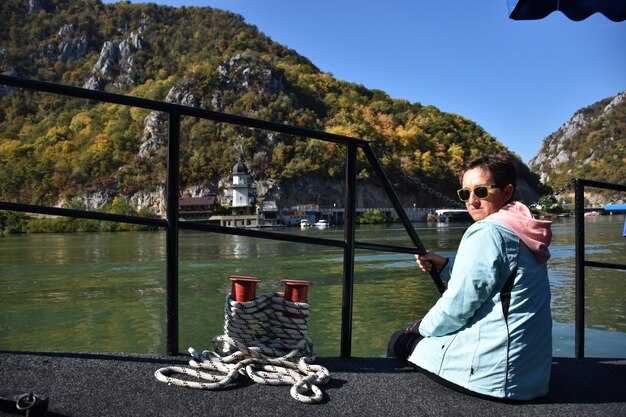
Beginnen Sie mit einer kompakten Regenjacke, einem leichten Fleece und robusten Wanderschuhen für Kopfsteinpflasterstraßen. Packen Sie eine nachfüllbare 0,5–1 l-Flasche, Sonnencreme mit LSF 30+, einen Sonnenhut und eine Sonnenbrille ein. Stecken Sie einen kompakten Regenschirm und eine Karte oder Offline-Navigation ein. Sonnenanbeter tragen alle zwei Stunden erneut Sonnencreme auf.
Tragen Sie bei Ausflügen auf dem See eine Schwimmweste, sobald Sie Dampfer oder Boote betreten; die Betreiber stellen die Ausrüstung zur Verfügung, bestätigen Sie dies aber vor der Abfahrt am Bahnsteig. Überprüfen Sie die Vorhersage, vermeiden Sie Fahrten während Stürmen und halten Sie eine wasserdichte Tasche für Wertsachen bereit.
Hydrierung und Hitze: Bei Hitzewellen regelmäßig Wasser trinken und leichte Snacks essen; Elektrolyttabletten mitführen; in Kaffeehäusern oder auf Märkten Schatten suchen; Spaziergänge im Freien für den Morgen oder späten Nachmittag planen.
Sicherheit und Gesundheit: Bewahren Sie Dokumente im Hotelsafe auf; benutzen Sie lizenzierte Taxis oder öffentliche Verkehrsmittel; achten Sie in Städten in Menschenmengen auf Ihre Taschen; Europas Reisende schätzen die Ruhe schweizerischer Regeln; halten Sie Notrufnummern bereit: 112 für jeden Notfall; 144 für medizinische Hilfe; 117 Polizei.
Erlebnisse an den Seen: Planen Sie Panoramaspaziergänge am Ufer und erkunden Sie Dörfer zwischen Lausanne und Montreux; bewundern Sie die Architektur historischer Stadtzentren; finden Sie Terrassen mit Seeblick zum Essen und Kaffeetrinken; probieren Sie lokale Speisen und reichhaltige Käsesorten; wenn ein Festival stattfindet, mischen Sie sich unter die Menge, um die magische Atmosphäre und die gemeinsamen Momente am Wasser zu erleben.
Konnektivität und Begleiter: Offline-Karten und Kopien der Reiseversicherung mitführen; wenn Sie mit Mary planen, koordinieren Sie Morgen und Abende, um Routen auszutauschen; Medikamente im Handgepäck und ein kleines Erste-Hilfe-Set aufbewahren; Zeit an den Seen und in den Städten verbringen und den Sonnenuntergang von einer Promenade aus beobachten.