


 Deutsch
  English (UK)
  Русский
  العربية
  日本語
日本語  한국어
한국어  Magyar
  Türkçe
  Español
  Čeština
  Svenska
  Português
  Ελληνικά
  Suomi
Suomi  Nederlands
  Română
  Italiano
  Français
  Polski
  Українська
  简体中文
简体中文  Slovenčina
 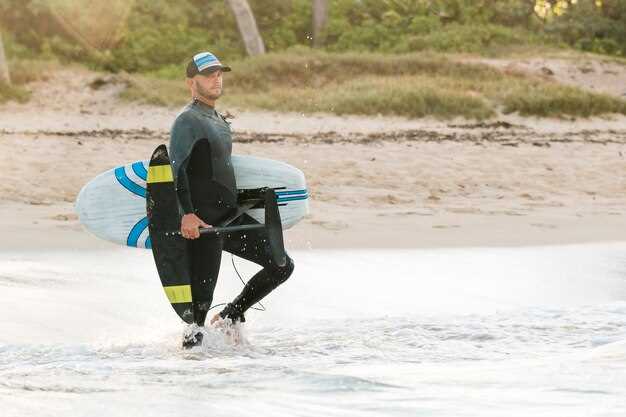 9 Extreme Water Sports to Try in California – A Thrill-Seeker’s Guide">

Grab your gear and start with calm, smaller swells to build personal confidence; then move quickly toward bolder horizons. These nine ocean challenges unfold a universe of possibilities, but you can proceed before attempting the big leaps by enrolling in courses with professionals who tailor pace to you.
Flyboard over the sea offers a bound lift as you hover and glide toward the horizon. These sessions are ideal to begin with the favorite path for adrenaline fans, and such courses with expert coaching tailor challenges to your level, allowing you to move quickly.
Beyond that, explore high-speed runs on a jet-ski, wakeboard behind a boat, or windfoil across the swell. Each option has its own courses and safety briefings, so you can select a path that fits your style: early starts, clean edges, and a perfect balance of risk and control. The thrill grows as you master each move.
Before you head out, check local conditions and book with professionals who understand the coastline; always wear a personal impact vest, extra protection, a helmet, and booties for grip. Without proper instruction, the horizon can feel distant; with guided coaching you can possibly push your limits, while staying within sensible bounds.
These experiences range from calm beginner sessions to hair-raising descents, offering a spectrum that matches your favorite pace. Whether you seek a thrill quickly or a perfect balance of skill and style, the universe of options on the Golden State coast invites you to grab your chance and grow.
9 Extreme Water Sports to Try in California
Begin with surf in San diego: reliable swells, warm welcomes for first-timers, and gear you can rent by the hour make it the best initial move for a coastal session.
- Surfing in San diego
Best spots: La Jolla Shores and Pacific Beach. For beginners, a 7-9 ft board works with a waxed deck and a snug leash. Wear a wetsuit from late fall to spring; water often ranges from 58–68°F. Expect lessons at $60–$90 for 1–2 hours, with rental boards around $25–$40 per hour. In good weather, a thousand playful gulls overhead add to the impression of a zany beach day, while the locals beat the usual pace with friendly guidance from instructors.
- Kayaks along La Jolla Cove
Seaside tours run calm in the morning; bring a dry bag, PFD, and a lightweight spray skirt. Gear packages often include a double-activity option if the wind picks up. Watch for schools of fish and occasionally sea lions above the rocks. Guided trips cost roughly $70–$120 per person for 2 hours, and self-guided rentals hover around $40–$60. This category suits families and kids who want a unique way to observe kelp forests and blue water.
- Flyboards at Newport Beach
Tip: start with a 15–20 minute session, then build up to a half hour. Required gear includes a life jacket and helmet, plus a trainer who pilots the board. Weather windows in the summer provide smoother ride experiences; expect 1–2 hours total with photo keepsakes. Price ranges from $120–$180 for the initial ride, a reason many visitors try it on a sunny weekend.
- Kitesurfing along Dana Point or Imperial Beach
Wind windows run roughly 15–25 mph in peak season (late spring to early fall). Beginner lessons cover safety, body positioning, and controlled launches. Gear includes a board, a trainee kite, a harness, and an impact vest. Expect guided sessions at about $100–$150 for 1–2 hours. Perhaps you’ll love the speed and the zany lift-off as you skim above the water and watch the seabirds.
- Wakesurfing on Shasta Lake or nearby reservoirs
Boat-based, with a rope and a wake called out by the captain. Best for ages 12+ and for those who own the basics of balance on a board. Wear a wetsuit in cooler months; a PFD is mandatory. Duration depends on the boat schedule, typically 1–2 hours, with group rates around $60–$90 per person. The scenery above the waterline, and the rhythm of the wake, make this a beat you’ll remember for a thousand summers.
- Horse-surfing near Carpinteria or Santa Barbara beaches
Guided experiences pair a calm horse with a stable board on shallow surf zones. Weight limits and helmets apply for safety; instructors provide life jackets and reins as you learn to balance in tandem with the horse. Sessions run about 60–90 minutes, at roughly $90–$130 per rider. It’s a truly unique way to explore the coast, with a rider’s impression that feels almost like a gentle ride above the water’s edge.
- Jet-skiing along Huntington Beach or Mission Bay
Rentals are structured in short blocks, often 15–30 minutes, with reflective safety briefings and life jackets included. Water temps vary from 60–75°F depending on the month; wear a wetsuit in cooler weeks. Typical prices run $60–$110 per session, and you’ll likely encounter a friendly crowd of people who love the speed and the spray, especially during sunny weekends.
- Stand-up Paddleboarding (SUP) in Mission Bay or Lake Tahoe
Begin with a stable board and a long paddle; most shops provide a quick lesson and a leash. Weather dictates the calmest times–early morning is ideal–when water is glassy and the fish are more visible above kelp beds. Gear includes a PFD or life jacket, and a sun hat. Rentals run $25–$45 for 1 hour, with guided tours at $60–$90. Family-friendly and easy for kids, SUP delivers a unique vantage point above the surface.
- Snorkeling or diving in Monterey Bay kelp forests
Protected coves and rich kelp habitats host a thousand fish species and occasional sea lions. Wear a 3–5 mm wetsuit and fins; a lightweight hood helps in cooler mornings. Guided snorkel trips typically cost $40–$80 for 1–2 hours; gear is often included. It’s a quiet, immersive way to connect with underwater life and capture dramatic impressions without heavy equipment.
Click the map for gear checklists, weather windows, and spots that fit your family’s pace, because the reason to start with one option is simple: you’ll discover a new favorite within days, perhaps turning a casual weekend into a lively routine above the shoreline.
Big-Wave Surfing: Prime California Breaks, Seasons, and Safety Gear
Begin with Steamer Lane in December–February to build a solid base, then move onto Mavericks as you gain confidence. Choose a right-sized board–7’0″–7’6″ for mid-range, or up to 8’0″ on bigger days–paired with a strong leash and an impact vest. Offshore mornings are common, delivering clean faces at around 20–40 kmhr, with winds that can shift to onshore by afternoon. Those conditions demand staying calm, study the set patterns from the beach, and ride those lessons to progress through adventures almost every season.
Prime breaks across the state include Mavericks near Half Moon Bay, Steamer Lane in Santa Cruz, Rincon near Santa Barbara, and Salt Creek in Dana Point. Western swells peak mainly November through February on the north and central coasts; spring adds more manageable sessions, while summer brings smaller, more predictable rides. Typical faces range from 6–12 ft on average days, with occasional 15–25 ft shows; winds at dawn are often 20–35 kmhr offshore, becoming lighter or onshore as the day warms. Those conditions offer unique chances to progress with a coach or experienced partner; those who ride can reach a higher level and feel the right balance between risk and reward. Windsurfing thrives on lighter days, giving sportier options and more variety above the surface.
Safety gear matters: helmet, impact vest, thick leash, booties, and a board that’s built for purpose. A bright leash reduces the chance of losing gear. In milder days, paddling technique and pop-up rhythm matter more than raw power, so practice in calm, smaller breaks before attempting larger sets. If you decide to shoot the canyon or paddle over the reef, operating within your limits is essential; you’ll attain confidence quicker with stepwise progression and a good plan. When you’re out there, you can soak up the moment after a long ride and store impressions for future sessions, soaking in memories. If a wipeout comes, aim to slide down the face and pop back up.
Off the water, there are adventures around the coast with warm winds and golden mornings. For those who want to explore the coast beyond sessions, scuba and snorkeling adventures reveal underwater life around kelp beds; you might spot nemo among the reef and seafloor. Whether you’re mentoring kids or tagging along with friends, those on a unique path can discover means of progression that fit your pace. The best plan is to operate with a partner who can read currents, track the drift above the reef, and keep you safe as you soak up the salt spray. If you’re serious about progression, keep a local store of tips and gear, and practice those transitions until you feel the perfect balance of speed and control.
Kitesurfing: Top Wind Windows, Best Beaches, and Training for All Levels
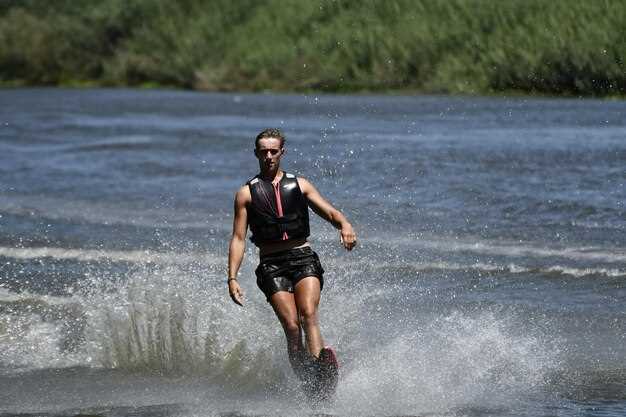
Recommendation: enroll with a certified school to learn onshore, start with a towable 9-12 m wing and a 136-140 cm board, and practice on easy-to-operate beaches with shallow water while a coach watches and corrects your form.
Wind windows follow climate patterns: the best conditions appear in late spring to early autumn, with 15-25 mph (13-22 knots) sea-breeze days from mid-morning to late afternoon. You may hit the upper end of the range on exposed points, while gusts stay gentler behind sheltering headlands. Already familiar with this scale, you can plan sessions around predictable windows and shorter sessions on rough days to stay safe.
Best beaches include Leucadia (Encinitas) for long, forgiving runs along flat water, Doheny State Beach (Dana Point) for steady cross-shore flow, and Pismo Beach with a broad shelf that supports gradual progression. Leadbetter Beach (Santa Barbara) offers shallow water near shore for beginners, while Cabrillo Beach and the Los Angeles harbor area provide diverse backdrops for advancing moves. Many sites offer on-site charters or easy gear rental, so you can stay in a state-of-the-art setup without hauling gear. Discover spots that fit your level, and choose those with reliable wind reports and friendly access for riding.
Training for all levels centers on a structured progression: water-start drills, upwind riding, transitions, and controlled jumps performed with proper body position. Time on the water matters, so sessions should pace drills to avoid fatigue and build confidence. A steady program helps you perform at a higher level while keeping the learning curve smooth and enjoyable; the focus stays on safety first and gradual improvement second.
Gear and safety are crucial: select high-quality bars, lines, and wings, and ensure a properly rigged setup with a comfortable waist or seat harness. Use masks for sun and splash protection, and keep a lookout for weather changes via the download of forecast feeds or WORX wind data. Always stay within a comfortable wind range (lower winds for first-timers, upper winds only after technique is solid) and hang your gear in a safe, clearly marked area when not in use. If you need to expand your kit, consider a charter service to try different boards or wings before buying, and coordinate with others to share transport and reduce the hassle.
For those who already ride other boards, the transition to a traditional kit is pretty straightforward with the right coaching. If you’re curious about less common venues, study undersea current patterns and even submarines’ traffic corridors near busy ports to gauge potential crosswinds and safety risks. The more you learn about wind behavior, the easier it becomes to plan a full day of activity with confidence and curiosity–and the chance to discover new coastline angles that increase your riding time and enjoyment. Sure to keep sessions varied and interesting, this approach supports steady progress toward higher jumps, faster transitions, and smoother planing on every gust.
Wakesurfing: Boat Setup, Etiquette, and Best Lakes for Rides
First, tune ballast to produce a long, forgiving wake. If your boat has built-in ballast, fill to roughly 1,000–1,500 pounds per side; total loading often sits near 2,000–3,000 pounds. For lighter setups, add ballast in hundred-pound steps. Set the tow point about 12–14 feet from the stern, and run a rope 20–22 feet long. Target a tow speed around 9–11 mph. Do rides in glassy, not choppy, conditions to keep the wake clean and minimize spills. This provide a solid platform for first-timers to learn and for different riders to dial in lines.
Gear and tech: wetsuits are standard through shoulder seasons (3/2 mm or 4/3 mm depending on water temps). For boards, match your size to your stance width and weight, aiming for a stable stance with a little rocker to smooth out transitions. If you want long, smooth glides, explore e-foils as a high-end option, but keep a traditional setup ready for guests. Some charters and alaska-based fleets use modular ballast and tow setups that you can adapt on a weekend trip. Consider a scubajet or water-jet assist on older boats to help with a gentle get-up when the rider is new. After sessions, a jacuzzi soak is a nice finish to recover and look after sore muscles.
Etiquette and flow: designate a spotter, keep the rider in clear view, and establish a standard signal language for pulls or stops. Maintain a safe distance behind the tow vessel and avoid cutting across lines or weaving into the wake of others. If youre new to wakes, stick to a little course work near the shore before attempting longer passes. Check lines and gear before every ride, and time your set so you’re not gassing a busy channel with too many riders at once. Youre responsible for keeping the area clean, avoiding spills, and respecting other watersport participants.
Best lakes for clean, consistent rides within the Golden State vicinity include locations with long, sandy banks and steady winds. Each offers a different profile: Piru delivers a reliable, shallow wake; Shasta Lake provides a long, deep wake with scenic backdrop; Oroville Lake offers a broad navigation area for long passes; Clear Lake runs calm on weekday mornings; Bass Lake and Lake Tahoe’s south shore offer elevated scenery and solid mornings; Tahoe can be busy on weekends, but a time slot early or late helps. For those seeking more variety, check out alpine reservoirs that combine wind protection with big, friendly wakes. Youre likely to find a little something that matches your preferred style and crew size, whether you ride a standard board or step up to a high-performance setup.
| Lake | Wake Quality | Best Season | Anmerkungen |
|---|---|---|---|
| Lake Piru | Consistent, predictable wake with gentle bank edges | Spring–Fall | Popular for families; avoid peak weekend hours |
| Shasta Lake | Long, deep wake; strong afternoon thermals | Late spring–early fall | Large area; room to practice different lines |
| Oroville Lake | Broad stretches; easy to maneuver passes | Spring–summer | Watch water levels and boat traffic |
| Clear Lake | Calm mornings; steady wakes near coves | Spring–autumn | Quality varies with winds; choose sheltered zones |
| Bass Lake | Intimate setting; lighter traffic, good for first rides | Sommer | Good access for small crews |
| Tahoe (south shore) | Elevated scenery; clean wakes when winds cooperate | Sommer | Early or late sessions recommended to avoid crowds |
Infographic takeaway: start with hundred-pound ballast increments, keep the tow rope at roughly 20–22 feet, and maintain 9–11 mph. Look for a low-lying, glassy surface, and check the forecast for wind shifts. A little prep goes a long way in turning a routine outing into an interesting, repeatable experience aboard varied vessels, from standard sport cruisers to superyachts and charter boats. If youre after a little variety, explore options with e-foils or water-jet assisted rigs, and consider a short rescue plan using a jacuzzi break between sets. This part of watersport has plenty of scope, including whitewater-style moves on bigger breaks or long glassy sections on calm days, so you can customize the day to your mood and crew. Youre all set to roll into a confident, controlled ride with a few different setups under your belt.
Windsurfing: Coastline Hotspots, Wind Patterns, and Gear Basics
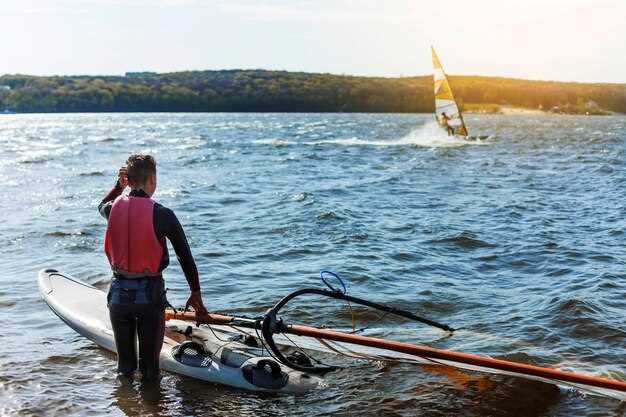
Recommendation: Start with a sheltered cove setup: a beginner-friendly board around 140–180 L paired with a 5.5–6.5 m sail in winds 12–18 mph. Place feet shoulder-width apart and move them horizontally to trim balance as you power up. Do shore-based testing first to lock in stance and sheet control before heading to the open sea.
Coastline hotspots line up along miles of calm bays where corals edge the shallows. Look for long sandy flats, clear channels, and a steady seabreeze from morning into the afternoon. Golden beaches and headlands create gust pockets that challenge planing and basic jumps. These ones reward a patient approach and clean technique.
Wind patterns: Thermals from inland heat build a reliable pulse in the morning, shifting toward the open sea by midday. Gusts increase near promontories; watch for shifts horizontally in direction and adjust rig angle to maintain high efficiency. In sheltered lagoons, avoid aggressive steering; keep the sail close to the centerline and move the feet to balance.
Gear basics: Start with a waterproof setup and store components in a storage unit when not in use. For beginners, a stable board with a modest sail range helps; for progression, add a larger sail and a sturdy board. e-foils offer a different balance; testing them in calm zones helps decide if you want to move to pedal-powered options. Tubing and balance drills on solid ground build strength in feet and core. Look for worx waterproof bags and storage solutions.
Technique and progression: stance and weight transfer matter. Keep knees bent, hips low, chest upright; gently shift weight between feet to steer the rig and board in unison. When performing transitions, move your center of mass smoothly; practice line alignment and properly executed jumps. Look for reliable rigging and a system that holds the sail securely.
Extras and experiences: if you love gadgets, consider flyboards or seabob sessions after the main run. A jacuzzi-style recovery area on-site can ease muscle tension between sets. For longer sessions, e-foils open new possibilities, large boards simplify handling, and storage solutions keep gear ready during back-to-back runs. If you plan to cover miles along coral patches, map routes that avoid hazards and protect reefs. Businesses along the coast offer guided sessions, and hodges notes emphasize patience and precision for beginners.
Safety and maintenance: rinse and dry equipment after use; inspect joints and rigging for cracks or corrosion; ensure waterproof seals remain intact; keep a spare fin and leash, plus a first-aid kit. Pack a compact repair kit and a spare valve or patch kit for quick fixes. Always respect coral structures and avoid shallow zones with active gear to prevent damage and personal injury.
Freediving and Spearfishing: Training, Licenses, and Safety Protocols
Enroll in a certified apnea course to build safety, breath-hold discipline, equalization, and rescue signals before any spearfishing session.
-
Certification and progression – pursue a recognized apnea curriculum (for example PADI Freediver, AIDA, or SSI Apnea) to master static and dynamic breath-hold skills, efficient glides beneath the surface, and buddy-check routines. A qualified coach corrects form, reduces risk, and provides high-quality feedback that accelerates growth. For beginner practitioners, plan a 6–12 week cycle with periodic reassessments; after several years of practice, you’ll look much sportier and more confident in deeper waters.
-
Licenses and permits – licensing varies by location. Obtain a basic fishing permit and any regional spearfishing permit when required; respect protected zones and seasonal limits. Carry your training certificates or digital proof when visiting coastal stores or field sites to avoid delays at checkpoints.
-
Sicherheitsprotokolle – never operate in isolation; use a buddy system and establish clear surface signals, agreed maximum breath-hold targets, and depth limits. Keep a reliable surface observer on a buoy or yacht when training offshore, and carry a throw line and first-aid kit. Monitor currents and visibility; avoid whitewater obstacles, and have a written surface plan for rapid rescue if needed. Practice slower, controlled returns to the surface and never chase prey beyond your comfort zone.
-
Equipment and gear – select high-quality fins with comfortable pockets, a low-volume mask, a snug neoprene or Lycra suit, a weight belt, a sharp knife, and a buoy with a signaling flag. Test gear in a store or with an instructor before use; rotate models as you develop technique and comfort over the years.
-
Environmental awareness – choose calm basins or controlled basins for early sessions; gradually introduce offshore sites with safer water access. Be mindful of obstacles such as reefs, entangling lines, and abrupt current shifts; plan escape routes and always respect marine life.
-
Training integration and planning – combine apnea work with cross-training like snowboarding or foiling to enhance core stability, leg strength, and breath-control awareness. On a yacht or coastal setup, instructors can provide on-site drills and tips that translate to beneath the surface, improving your glide efficiency.
-
Travel and environment logistics – when journeys involve air travel by plane to offshore sites, arrange for proper acclimation time and rest before sessions. In remote expeditions (antarctica or similar locations), protocols are stricter: conduct comprehensive safety briefings, plan for equipment redundancy, and maintain constant communication with the surface team.
Tips for progression, beginners, and ongoing safety
- Beginnen Sie mit einer anfängerfreundlichen Kadenz: ruhigen Atem anhaltungen, kurzen Aufstiegspausen und schrittweisen, kontrollierten Tiefensteigerungen.
- Suchen Sie nach hochwertigen Trainern und akkreditierten Unterrichtsmodellen; ihr Feedback reduziert Risiken und beschleunigt die Entwicklung von Techniken.
- Führen Sie ein detailliertes Protokoll, das Tiefe, Zeit unter der Oberfläche, Oberflächenintervalle und alle Anomalien aufzeichnet; nutzen Sie diese jahrelangen Daten, um Ihren Ansatz zu verfeinern.
- Lagern Sie Ihre Ausrüstung an einem trockenen, gut belüfteten Ort und prüfen Sie die Dichtungen und Schnallen monatlich; ersetzen Sie verschlissene Teile umgehend.
- An ruhigen Tagen auf einer Yachtcharter, üben Sie in kontrollierten Pools oder Becken, dann erweitern Sie dies auf offene Becken mit einem Beobachter, und erhöhen Sie allmählich die Komplexität und Distanz unter Wahrung der Sicherheit.
- Könnte Ihre Vorbereitung Cross-Training beinhalten? Ja – Snowboarden, Foilen und das Fahren erfordern Balance, Körperhaltungskontrolle und Beinmuskulatur, die sich gut auf effiziente Gleitfähigkeiten und ruhige Atmung unter der Oberfläche übertragen lassen.
- Respektieren Sie immer lokale Regeln und saisonale Beschränkungen; sie existieren, um Ökosysteme zu schützen und Praktiken für alle Beteiligten sicher zu machen.
Fazit: Ein strukturierter, anerkannter Ausbildungsweg, kombiniert mit konservativen Limits und einem zuverlässigen Buddysystem, schafft zuverlässige Fähigkeiten, die sich in präzises Speerfischen und flüssige, effiziente Bewegung unter der Oberfläche übersetzen lassen.