


 Deutsch
  English (UK)
  Русский
  العربية
  日本語
日本語  한국어
한국어  Magyar
  Türkçe
  Español
  Čeština
  Svenska
  Português
  Ελληνικά
  Suomi
Suomi  Nederlands
  Română
  Italiano
  Français
  Polski
  Українська
  简体中文
简体中文  Slovenčina
  8-Tage-Peloponnes & Sarronischer Golf Reiseplan – Der essentielle Griechenland Reiseführer">

Begin with a dawn ferry from Piraeus to poros and lace up for a pine-covered hike to a cliff outlook, where vistas unfold over the Saronic coastline. Stay in a boutique guesthouse on the main quay, then linger over aperitifs at nearby restaurants as the evening light settles and the sea cools.
For Days 1 and 2, use poros as a launch pad for a nearby hop to Hydra or Aegina, forming a compact module that highlights island life. Ferries from Piraeus to poros run roughly 60–90 minutes; Hydra is car-free, and a sunset show along the harbor is a daily ritual. Return to poros for the night or switch to a second island before moving on.
Day 3–4 centers on Nafplio, the main gateway to the Peloponnese. Climb Palamidi fortress for panoramic vistas, stroll the old town, and dine at boutique restaurants along the port. Do half-day trips to Mycenae (antiquity site) and Epidaurus (ancient theatre) to compare ancient craftsmanship and myths that link to pelops. If you prefer hiking, coastal trails from Nafplio lead through olive groves to cliff edges. Tailored for lovers of antiquity and good food, Nafplio offers a compact base with easy day trips.
Day 5 takes you toward Olympia, with a brief stop to sample olive oil and honey. The site and museum immerse you in antiquity while the surrounding hills reveal lush scenery of olive groves and vineyards. A russian-speaking guide can help guests from nearby countries, and you can book a private tour to see the Temple of Zeus and the stadion.
Day 6 heads to Kaiafas for sulphur spa moments, then onward to Voidokilia Beach for dreams of a perfect sunset over the water. The pine-covered drive along the coast offers an abundance of views and a chance to stop at small towns for fresh seafood. Reserve a boutique inn on the waterfront to enjoy a late-night breeze and a final glass of wine before the next day’s drive.
Day 7 shifts to Pylos and Navarino Bay, where shipwreck history meets turquoise water. Paddle a kayak along the shoreline, or hire a boat to take you to the nearby beaches. Finish with a dinner at a boutique taverna with locally caught fish and an array of appetizers.
Day 8 returns to Athens. If you drive, plan a route via Patras for a late afternoon arrival; otherwise, catch a short flight from Kalamata to Athens for a smooth finish. Wrap your planner with a module of recommendations for the next Greek coast, and keep a note on where to book the best restaurants and guides for a future trip.
8-Day Peloponnese & Saronic Gulf Itinerary: Greece Travel Guide – Not included in the tour
Book a megalohori cabin for two nights near Nafplio to anchor relaxing pace and local flavors.
Day 1 – Nafplio: wander the narrow streets of the old town, climb Palamidi for gulf views, and end with a sunset meal at a family-run restaurant along the harbour. Order aperitifs and fresh seafood, watch the crystal water wash the quay, and savor the simple coastal vibe that remains popular with locals and visitors alike.
Day 2 – Mycenae & Epidaurus: visit the Lion Gate and ruins at Mycenae, then the ancient theatre in Epidaurus. In the afternoon, stroll Arvanitia or Karathona beach and try a few regional dishes; a quick conversation in the language helps you connect with guides and shopkeepers. Surprises often appear in the smallest alleys, from a hidden courtyard cafe to a workshop offering handmade beads.
Day 3 – Across to the Saronic Gulf: take a morning road drive to Piraeus and a short ferry to Poros or Hydra. Cycle or walk along pine-fringed lanes, sip beverages on a cliffside terrace, and enjoy a seafood lunch with views across the calm gulf. Poseidon seems to approve the easy pace and the friendly chatter of locals and visitors alike.
Day 4 – Mani coast and itria-inspired villages: drive into the southern Peloponnese toward the Mani peninsula. Check into a megalohori cabin in a quiet hill village, then explore hidden coves along the coast and sample herbs and olive oil at a village market. The scent of thyme and sage hangs in the air, and a sulphur-smelling spa detour adds a quirky note to the day.
Day 5 – Gytheio and the Laconian Gulf: cruise the Gytheio harbor, visit the tomb of the island’s old hero on the islet, and enjoy a long lunch with local fish and roasted vegetables. The range of beaches goes from pebbled strips to golden sands, while a gentle sea breeze keeps the relaxation steady. Consider a visit to a nearby winery for a short tasting to understand regional style and price ranges.
Day 6 – Monemvasia escape: cross the causeway to the medieval fortress town and wander its stone streets at dawn and golden hour. Stay in a boutique guesthouse and end the day with a dinner that pairs smoked fish with citrus and a glass of white wine. The quiet, high-walled city delivers dreamlike views and a sense of time standing still, a true hidden gem of the region.
Day 7 – Aegina or Hydra on the Saronic Gulf: return to the gulf by ferry and spend the day on a car-free Hydra or a pistachio-belt Aegina. In Hydra, walk the harbor promenade, browse small art studios, and cap the day with aperitifs at a water-edge café while listening to boat horns across the slate-blue sea. The island pace offers a relaxed rhythm and plenty of opportunities to taste local beverages and fresh bites.
Day 8 – Return to Athens or extend: head back, with an optional extra day for a short stop at Corinth or a beach near Loutraki. If you extend, you can add a final visit to a seaside restaurant, a last stroll along the quay, and time to pack with home comforts in mind. If you choose to prolong, plan a morning visit to a market to pick up olive oil and honey as mementos of the trip.
Pre-trip bookings and necessary documents
Book flights, ferries, and stays 6–8 weeks ahead to lock in incredible prices and secure the best options along the peloponnese coast and saronic gulf isles, turning your dreams into a smooth start.
Documents to prepare before you depart: ensure your passport is valid for at least six months after your return and check Greece visa rules for your nationality; most travelers from visa‑exempt countries can stay up to 90 days, but carry proof of accommodation and return tickets. Keep both digital and printed copies of your passport, travel insurance, and hotel vouchers. Bring your driver’s license and, if you plan to rent a car, obtain an International Driving Permit. Note emergency numbers and your insurer’s 24/7 contact, and make sure bookings and important contacts are communicated to your travel circle.
Permits and bookings for activities: if you intend to hike near the Methana volcanoes or join a private charter to hop between isles, verify permit needs with the operator or local authorities. Some archaeological sites require timed entry or advance tickets; for a private charter, review the contract in advance, confirm insurance, and ensure any necessary permits are in place.
Coordinate with guides and suppliers: share your itinerary with guides and your charter team, note meeting points and desired pace, and communicate changes at least 24 hours ahead to avoid delays in traffic or port routines. In Athens, the capital, plan your arrival a day early to reduce jet lag and align with ferry schedules. If you plan circular routes around coastal towns, ask the operator to confirm elevation changes on mountain roads and recommended stops for waterside views.
Visit notes and cultural context: the journey blends ancient echoes with modern ease–picture Doric columns and Zeus temples alongside stylish harbors and cliffside towns. By arranging a purposeful plan, you can fulfill your itinerary with time for immersive experiences and comfortable pacing, keeping the focus on memorable moments rather than logistical hiccups.
Peloponnese stops often skipped by tours: Nafplio, Epidaurus, and offbeat towns
Start in Nafplio for a strong opener: spent a full morning here, climb the Palamidi fortress for panoramic views, and hop to the Bourtzi isle in the waters for a photo break. In the Old Town, wander the limestone lanes, admire pastel façades, and settle into a harborfront café for beverages. Note the sea breeze and the smell of pine, then board a short boat to the Bourtzi fortress for a classic islandhoppers moment.
Epidaurus follows with archaeology and scenery. Arrive early to hear the theatre’s acoustics and explore the sanctuary complex. Plan about 45 minutes for the theatre and 20–30 minutes for the site walk. The setting sits among olive trees with a breeze from the Argolic waters, adding a refreshing wind. Note the circles of stone that still carry sound and the views toward the coast. Afterward, stop at a nearby taverna for a light lunch and a glass of beverages.
From Epidaurus, chase offbeat towns such as Kardamyli in Messinia, Areopoli in Mani, and the excl isola fortress of Monemvasia; Kardamyli offers quiet coves, stylish stone houses, fragrant olive groves, and a coastal path ideal for a sunset stroll. Areopoli presents wind-swept lanes, guest houses, and life lived at a slower pace. Monemvasia isola fortress sits on a sheer rock, connected by a causeway and surrounded by crystal waters. Gytheio provides a relaxed harbor scene and fresh seafood by the quay. These stops offer an authentic feel away from bustling tours and an offering of local gastronomy and beverages at modest prices. The views are breathtaking from the fortress walls.
Practical notes: rent a car or choose a motorized option for flexibility; distances among Nafplio, Epidaurus, Kardamyli, and Monemvasia require 2–3 hours of driving per day with short breaks. Book guesthouses with reliable internet and a space to relax after a day on the road; contact hosts in advance to arrange late check-ins or special requests. If you plan a longer stay, talk to local captains about islandhoppers itineraries and options to hop between nearby isles; ask for their recommended breaks and water stops along the coast. Set the day in an order that includes two long stops and a light lunch, then finish with a stylish night in Nafplio or a seaside isle to end on a high note. Note the best nearby regions for wine, seafood, and olive oil tastings and collect the notes for future trips.
Islands of the Saronic Gulf you can add: Hydra, Aegina, Poros, Spetses
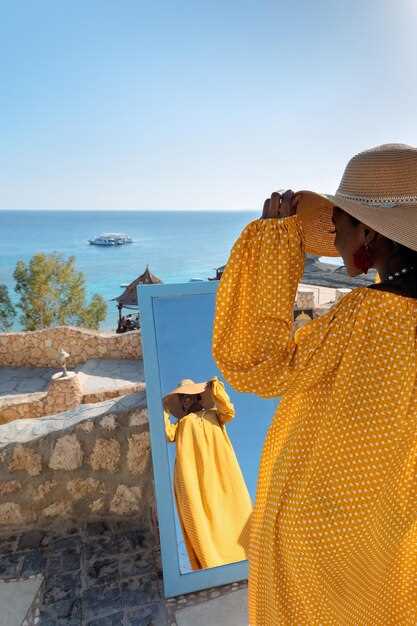
Add Hydra as the opening stop to your Saronic Gulf leg for car-free streets and turquoise harbors, a warm welcome that sets your pace before you explore Aegina, Poros, and Spetses.
Hydra keeps traffic off the streets; the steep, narrow lanes are steeped in neoclassical charm, and you move along the waterfront by foot or water taxi. For a family note, plan your days around short walks, with a slow pace that suits children and adults alike. A sunset stroll along the harbour ends with a seafood feast at a frontline restaurant, where you can order grilled octopus and fresh calamari with a view of Poseidon’s statue guarding the bay.
From Athens, ferries to Hydra run about 1.5–2 hours, making it an efficient start. Budget one full day or extend to two if you want to hike to viewpoints, visit historic mansions, or just linger in painterly streets. A popular choice is to base in the port area and use water taxis for quick hops to coves and beaches. The island’s flightless rhythm feels like paradise and remains a gorgeous contrast to Santorini’s mega-hotel scale, with more intimate street life and a strong Greek hospitality note.
Aegina offers quick access and a strong sense of place in a compact footprint. Your day can begin with the temple of Aphaia’s ancient columns, then glide into the town square and browse shops selling pistachios–a hallmark of greeks and a tasty takeaway. Rent a scooter or bicycle to explore orchards and coastal coves, or join a guided coast walk that finishes with a seaside restaurant where you can admire clear blue water and order light meze plates. For families, Aegina’s beaches near the port are gentle, while the island’s inland hills provide a shaded escape from the sun, all within easy reach of your overview-maps for quick planning. If you’re mapping a Peloponnese loop, use Aegina as a convenient bridge to the next stop and extend your stay if you crave more time exploring ancient lanes and palm-lined streets.
Poros presents a leafy, intimate feel with pine forests framing a calm harbor. The townsfolk welcome visitors, and the promenade is lined with cafés and seafood spots where you can note the day’s catch before you sit to dine. The island is ideal for a relaxed day trip or a short overnight, with ferries from Piraeus or Hydra that connect smoothly within your chosen route. For families and couples, Poros offers a gentle pace, gorgeous sunsets, and a clear water postcard vibe. If you want a different tempo, you can set up a quick consultation with a local captain to arrange a private sail or a short hop to nearby coves, then return to the main streets for a final evening stroll before your next leg.
Spetses exudes a refined coast-town vibe with horse-drawn taxis and bike-friendly lanes that keep the air clear and the pace steady. The Dapia waterfront is where you’ll find stylish hotels and a string of restaurants where the catch of the day is the star on every plate. You can ride out along palm-fringed routes to hidden beaches or take a short boat ride to nearby coves for a secluded afternoon. The island’s heritage feels tangible in the old naval mansions and the serene sunsets that end with a glass of local wine. For families, a morning bikes-and-snack loop works well, while couples can enjoy intimate dinners by lantern light. If you’re choosing a sequence, Spetses makes a satisfying end to a Saronic arc before your return to the Peloponnese coast, giving you a complete mix of culture, nature, and modern comforts that greeks cherish.
Practical sequence for an 8-day Peloponnese & Saronic Gulf itinerary: start with Hydra to absorb the island pace, then move to Aegina for a quick cultural and culinary fix, continue to Poros for a green, relaxed break, and finish with Spetses for a refined coastal finale. Transport between islands is straightforward with ferries and occasional hydrofoil options; from Ermioni you can connect to Spetses or Hydra with ease, a convenient link that keeps your route fluid. Use overview-maps to compare distances and ports, and then tailor your plan by weather, family needs, and preferred tempo. Whatever your choice, you’ll collect a hands-on sense of the Saronic feel–warm hospitality, vivid blue seas, and a cluster of islands that ends with a standout, island-hopping experience perfect for a minimum of two days on each stop.
Transport tips: ferries, buses, car rental, and rail connections
Book ferry tickets for the Saronic islands and the Peloponnese routes at least six weeks ahead, then pick morning departures to enjoy refreshing sea breezes and lighter crowds. Dieser einfache Schritt hält Ihre Pläne flexibel und reduziert Stress, wenn Sie in Dorfhäfen an Land gehen. Wenn Sie in der Hochsaison reisen, sollten Sie eine Gegenprüfung mit einem lokalen Reiseführer in Betracht ziehen, der alternative Optionen vorbereitet, falls Wetter oder Menschenmassen Ihre Route verändern.
Fähren: Von Piräus aus planen Sie Verbindungen nach Ägina (40–60 Minuten), Poros (60–90 Minuten) und Hydra (90–120 Minuten). Es gibt Schnellbootverbindungen nach Hydra, die jedoch im Juli und August schnell ausverkauft sind. Für Inselhüpfen bietet sich Ägina in Kombination mit Poros oder Spetses für einen wunderschönen Tag an, mit vielen sternenklaren Abenden für die Rückkehr an Land. Die Fährverbindungen nach Methana sind begrenzt, so dass die meisten Besucher die Halbinsel über die Straße von Galatas oder Nafplio erreichen und die Fähren nur dann nutzen, wenn ein saisonaler Dienst angeboten wird. Wenn Sie Flexibilität bevorzugen, mieten Sie ein Auto, um die Fahrten zwischen den Häfen individuell zu gestalten und optionale Stopps entlang der Küste einzulegen.
Busse: KTEL-Busse verbinden Nafplio, Epidaurus, Mykene und Argos mit zuverlässigen Abfahrten am Morgen und gelegentlichen Fahrten am Nachmittag. In der Hochsaison fahren die Busse werktags etwa alle 60–90 Minuten; am Wochenende verlangsamt sich die Frequenz auf alle 2 Stunden. Nutzen Sie Busse, um antike Stätten entlang der Küste zu erreichen, wenn Sie sich nicht in enge Gassen begeben wollen. Wenn Sie nicht sicher sind, wo Sie anfangen sollen, kann Sie ein lokaler Führer von Nafplio aus zu den Küstendörfern führen und Ihnen fachkundige Kommentare zur Atmosphäre jeder Station geben.
Bahnverbindungen: Die Bahnstrecke Athen–Kiato bietet eine praktische Route zu den Zugangspunkten der Peloponnes, mit einer typischen Fahrtzeit von etwa 1h 15m–1h 45m. Von Kiato aus können Sie mit dem Bus oder Mietwagen nach Nafplio, Epidavros und Argos weiterfahren. Beachten Sie, dass der Bahnbetrieb in dieser Region weiterhin eingeschränkt ist, insbesondere außerhalb der Hauptsaison. Überprüfen Sie daher vor dieser Reise den aktuellen Fahrplan und seien Sie darauf vorbereitet, bei Bedarf auf den Straßentransport umzusteigen. Für eine umfassendere Ansicht lässt sich eine kurze Bahnfahrt gut mit einem Tagesausflug nach Kalavryta über die Zahnradbahn von Diakofto kombinieren, um eine erfrischende Abwechslung zu genießen.
Mietwagen und Hybridplanung: Ein Kompaktwagen bietet die grösste Flexibilität, um sowohl Küstenstädte als auch Dörfer im Landesinneren zu erkunden. Nehmen Sie ihn in Athen entgegen und fahren Sie die Küstenstrasse in Richtung Methana und zur Argolischen Küste, wo die Atmosphäre von Zwillingsstädten wie Nafplio und Tolo nach einem Tag auf der Strasse zu langen Spaziergängen an Land einlädt. Parken Sie in Städten mit engen Gassen auf ausgewiesenen Parkplätzen und gehen Sie zu Fuss ins Zentrum; Helme werden empfohlen, wenn Sie Roller mieten möchten. Stellen Sie sicher, dass Sie einen internationalen Führerschein haben, falls erforderlich, und prüfen Sie die Versicherungsoptionen im Voraus. Um das beste Preis-Leistungs-Verhältnis zu erzielen, vergleichen Sie die Preise online vor Ihrer Reise und buchen Sie mindestens 2–3 Wochen im Voraus; dieser einfache Schritt hilft Ihnen, eine Option zu sichern, die zu Ihrem Tempo und Ihrem bevorzugten Unterkunftsstil passt.
Internet und einfache Planung: In größeren Häfen und den meisten Unterkünften ist der Internetzugang zuverlässig, und Sie können einen praktischen Reiseführer herunterladen, um zu überprüfen, ob Ihre nächste Verbindung mit dem Morgenfahrplan übereinstimmt. Wenn Sie eine Inselhopping-Tour koordinieren, sollten Sie einen gedruckten Backup-Plan der Routen und Zeiten aufbewahren; es ist einfacher, wenn Sie barfuß am Kai stehen und vor einer langen Segelfahrt eine Brise genießen. Der Plan ist, Ihre Reise in Ordnung zu halten und sich dann je nach den örtlichen Gegebenheiten und den Empfehlungen von Griechen, die die Routen am besten kennen, anzupassen.
Praktische Tipps für eine reibungslose Reiseroute: Buchen Sie die frühe Fähre, um Verzögerungen durch volle Fähren zu vermeiden; steigen Sie in kleineren Häfen aus, um die dörfliche Atmosphäre und einen erfrischenden Start in jeden Tag zu genießen. Wenn Sie antike Stätten mit Seereisen verbinden möchten, planen Sie einen Tag, der Sie in einem einzigen Rundkurs von den antiken Ruinen zum Hafen führt. Wählen Sie für einen entspannten Ausklang eine Unterkunft in der Nähe des Hafens, damit Sie ohne Eile zur nächsten Abfahrt schlendern können, und kehren Sie dann für ein Abendessen bei zunehmendem Mond und einen Drink unter dem Sternenhimmel in Ihr Hotel zurück. Ob Sie sich für einen festen Plan oder eine flexible Option entscheiden, diese Reise belohnt sorgfältige Vorbereitung und die Bereitschaft, sich spontan anzupassen.
Preiswert essen gehen: Wo Einheimische speisen und typische Preise
Wählen Sie die Hafentavernen von Ermioni für Frühstück und ein schnelles, günstiges Mittagessen; rechnen Sie mit 4-6 EUR für das Frühstück, 3-6 EUR für ein Hauptgericht und 1,5-3 EUR für Getränke. Dieser Ansatz ist preiswert und bietet einfache, schmackhafte Gerichte, bevor Sie Ihre Erkundung der Region fortsetzen.
Wo Einheimische essen
- Ermioni, Saronischer Golf – Tavernen am Wasser mit schlichtem gegrillten Fisch, Souvlaki und Salaten; Frühstück unter 6 EUR; Hauptgerichte 6-9 EUR; Fischplatten 9-12 EUR; Getränke 1,5-3 EUR.
- Nafplio, Argolis – großzügige Portionen; Souvlaki 4-5 EUR; Moussaka 6-8 EUR; Salate 4-6 EUR; Kaffee 1,5-2 EUR.
- Epidaurus-Gebiet – in der Nähe der antiken Stätte; Hauptspeisen 8-12 EUR; Meeresfrüchte 12-15 EUR; Baklava 2-3 EUR.
- Hydra & Ägina – Inselstädte mit höheren Preisen; im Landesinneren sparen; Fischplatten 12-18 EUR; Hähnchen 7-9 EUR; Getränke 1,8-3 EUR.
- Poros & itria Küste – zwanglose Lokale für Souvlaki oder Meze; Wein 3-5 EUR pro Glas; Salate 4-6 EUR; viele Lokale sind im Sommer bis spät in die Nacht geöffnet.
Clevere Entscheidungen, um die Kosten niedrig zu halten
- Teilen Sie Meze oder entscheiden Sie sich für ein tägliches Menü, um das Preis-Leistungs-Verhältnis zu erhöhen; Sie werden mehr probieren, ohne eine große Rechnung zu bekommen.
- Fragen Sie nach den Tagesspezialitäten; Preisänderungen spiegeln frische Produkte und Fänge wider.
- Kombinieren Sie ein Hauptgericht mit Wasser und einem kleinen Kaffee oder Tee, um die Getränkeauswahl zu kontrollieren; typische Getränke kosten 1,5–3 EUR.
- Besuchen Sie Wochenenden oder während Transfers; Inlandstavernen bieten oft stabilere Preise und weniger Gedränge.
- Für eine Küstenerkundung mit Sand und Meer packen Sie Obst von einem lokalen Markt ein und genießen Sie später ein Abendessen bei Sonnenuntergang.
Es beginnt mit einem einfachen Hafenfrühstück und dem Plan, den Tag mit einem leichten Snack und einem Glas Wein zu verlängern. Die Mariza-Playlist in einigen Cafés kann für eine angenehme Stimmung sorgen, und von Poseidon inspirierte Fischplatten tauchen entlang der Küste auf. Inselhüpfer finden gutes Preis-Leistungs-Verhältnis in Poros oder Ägina, wo die große Auswahl an Möglichkeiten für Überraschungen sorgt. An belebten Wochenenden wird auf den Stadtplätzen oft nach Sonnenuntergang getanzt.
Wichtige Preise auf einen Blick
- Frühstück: 4-6 EUR
- Hauptspeisen: 6-12 EUR
- Fischplatten: 9-18 EUR
- Meze für zwei: 6-12 EUR pro Person
- Getränke: 1,5-3 EUR; Wein im Glas 3-5 EUR
Hinweise zu Ambiente und praktischen Tipps: Ottomanen und niedrige Bänke schaffen einen malerischen, entspannten Sitzstil; der Duft von Kräutern und Zitrone begleitet lange Mahlzeiten an der Küste und in den Hügeln. Transfers, einschließlich der Mi35-Route, verbinden Häfen und Orte im Landesinneren und helfen Ihnen, Ihren Aktivitätsplan für Wochenenden und Erkundungen flexibel zu gestalten. Die Preise können sich je nach Saison ändern; planen Sie dies ein und suchen Sie nach lokalen Orten, die die Kosten unter Kontrolle halten.