


 Deutsch
  English (UK)
  Русский
  العربية
  日本語
日本語  한국어
한국어  Magyar
  Türkçe
  Español
  Čeština
  Svenska
  Português
  Ελληνικά
  Suomi
Suomi  Nederlands
  Română
  Italiano
  Français
  Polski
  Українська
  简体中文
简体中文  Slovenčina
 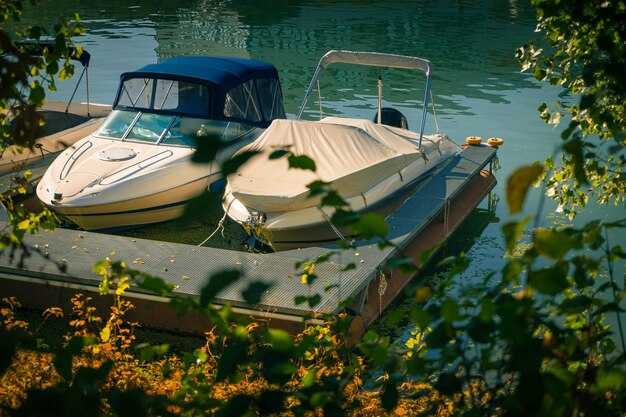 7 Reasons to Purchase a Center Console Boat – A Buyer’s Guide">

Choose a central helm vessel when your goal is maneuver and confident heading in bays and flats, with a sound hull and quick access to controls and gear.
Storage boxes are integrated along the gunwale and under seating, keeping the platform clear and your gear within reach.
Developing Verständnis of your typical outings helps anglers align the craft with their style, from shoreline bays to deeper flats.
For anglers, an Aluminium build offers weight savings, ruggedness, and low maintenance, while resisting corrosion and reducing potential damage in rough water.
With a practical platform and a helm that keeps you balanced, your prowess improves, enabling safer cruising and smoother heading through chop.
Consider your needs when selecting configurations that require minimal maintenance; a well designed setup is made to support your boater routine, whether you fish the bays, cruise the flats, or head for deeper waters, and it keeps the needed gear close at hand.
Center Console Boat Buyer’s Guide
Prefer a hull with a deep-v aluminum profile when you expect offshore runs; this pairing delivers a smoother ride beneath chop and around obstructions while keeping weight manageable for quick handling and movement.
For flats and protected bays, a lighter vessel with versatility and a shallow draft improves landing on muddy or sandy spots, while offering roomy cabins for weather protection when needed. It also helps them stay comfortable during long runs.
- Hull materials and ride: aluminum with a deep-v shape provides stability in chop; consider offshore performance and the weight balance for stern lift beneath power, ensuring a smoother experience in windy seas.
- Deck layout and storage: plan for plenty of holders for lines, rods, and tackle; include a clear spot for electronics and easy-access compartments beneath seating.
- Cabins and shelter: having cabins or a fold-down shelter adds comfort for day trips and overnighting, while preserving space for gear.
- Versatility of features: live wells, bait stations, fish boxes, and a well-positioned wheel area; these features adapt to fishing, diving, or family use.
- Protection and safety: minimize obstructions with raised gunwales and non-slip surfaces; check handrails and cleats for secure handling on the stern.
- Power and propulsion: choose a horsepower range and propulsion setup designed to be operated with confidence; prefer options with intuitive controls and additional steering options, which are likely to be offered.
- Durability and maintenance: marine-grade electronics and corrosion-resistant hardware extend life; ensure access to components beneath deck and through-hull fittings for routine service.
Operational checklist: to maximize flexibility, select a layout having an additional seating area or modular options; this setup is likely to appeal to both anglers and day-trippers alike.
- Define primary use: flats, inshore, or offshore cruising, and map required features and space.
- Inspect hull and transom: look for signs of impact damage, delamination, or soft spots; verify structural integrity with a professional survey if possible.
- Evaluate equipment and storage: confirm sufficient cabins or weather protection, rod holders, and secure dry storage for gear.
Acquisition Costs, Insurance, and Long-Term Maintenance
Recommendation: Set aside 3%–5% of the craft’s initial value each year for upkeep, insurance, and parts, and lock in hull coverage that matches the value after taxes and mooring. This approach keeps ownership predictable and minimizes downtime when salt exposure or wear peaks.
Acquisition costs span new and used examples. For an 18–22 ft outboard-driven runabout with a single-helm layout, prices typically range from $40,000 to $95,000 for a brand-new setup, depending on brand, electronics, and trailer. Used units of similar size and age commonly list from $20,000 to $60,000, based on hours, condition, and whether the engine is two-stroke or four-stroke. Add-ons such as a trailer, depth finder, VHF radio, and basic safety gear can add $5,000–$12,000 upfront. Taxes and registration add another 3%–5% of the value in the first year.
Insurance typically costs 1%–3% of insured value per year, with minimum premiums around a few hundred dollars and higher-value craft reaching $1,000–$2,500. Bundling with homeowners or autos can yield discounts; salt environments often require extra coverage for corrosion and salvage. Expect to renew annually and adjust as the engine configuration or mooring location changes the risk profile.
Long-term maintenance should focus on the propulsion system, electricals, and hull integrity. In a typical cycle, plan for engine service every 100–150 hours or once per year, whichever comes first. Diagnostics, spark plugs, fuel filters, and oil changes can total $350–$700 annually for a single outboard; lower-unit lubrication and gear oil add $50–$150. Bottom maintenance in saltwater adds $300–$600 for annual anti-fouling and sacrificial anodes. Battery replacements occur every 3–5 years at $100–$300 per battery. Regular corrosion protection and proper rinsing after use in brackish water extend life and reduce downtime over time.
From a performance and simplicity perspective, choosing models with fewer electronic subsystems and simpler fuel management yields higher usable uptime and lowers the risk of failures, especially in environments with choppier waves. The overall maintenance cycle becomes more predictable, and you can preserve berths and swim platforms without heavy downtime.
When evaluating options, consider how you intend to use it: trolling for sport, cruising with family, or quick runs to a harbor. If you value speed, verify engine response at planing speed and ensure the gear ratio matches typical handling in chop. Ensure the layout provides berths and a swim platform, with anchoring gear that remains accessible. Reliability, parts availability, and local service networks are part of your choices for long-term satisfaction.
Before committing to purchasing, run a total-cost-of-ownership check: estimate insurance, registration, storage, and annual maintenance; compare two or three options with similar capabilities and exposure. Favor models with well-documented service histories and a balanced set of features: anchors, berths, swim platform, usable trolling gear, and a finder display. This creates a straightforward, sustainable ownership path for the boater in varied environments.
Operating Costs and Fuel Use
Target a fuel-efficient pairing: single inboard around 300 HP at 25–30 mph yields roughly 10–15 gph, while twin outboards around 200 HP each run about 18–28 gph at 30–40 mph. With 60–100 hours on the water annually, expect 600–1,500 gallons in the first case or 1,080–2,800 gallons in the second, translating to a wide cost range at typical fuel prices. Use displays to monitor real-time burn and trim, and stay in the tight window between 2,200 and 3,500 rpm to maximize efficiency. Much of the savings come from choosing a hull form with lower drag and matching propeller pitch to load.
Design choices matter for durability and long-term costs. Deeper hull sections can improve high-speed handling, but increase weight; middle designs often provide the best balance between stability and efficiency. Outriggers add fishing versatility but add drag, raising burn by a few gallons per hour when deployed; plan for that if you plan long runs. If you frequently tow or relocate gear, expect to carry a bit more fuel to maintain range. Attention to regular maintenance is essential to keep fuel economy consistent; cons such as unexpected efficiency loss or costly repairs fade with a sound upkeep routine. Displays that track fuel flow, rpm, and voltage help keep engines well-tuned and provide predictable performance. Between careful design choices and modern power options, purchasing decisions can deliver excellent reliability with manageable costs.
| Setup | Cruising speed (mph) | Fuel use (gph) | Annual hours (typical) | Annual fuel (gal) | Annual fuel cost @ $4/gal |
|---|---|---|---|---|---|
| Single inboard, ~300 HP | 25–30 | 10–15 | 60–100 | 600–1,500 | $2,400–$6,000 |
| Twin outboards, ~200 HP each | 30–40 | 18–28 | 60–100 | 1,080–2,800 | $4,320–$11,200 |
| Single outboard, ~250 HP | 25–35 | 12–20 | 60–100 | 720–2,000 | $2,880–$8,000 |
| Idle/trolling | 0–4 | 2–3 | 60–100 | 120–300 | $480–$1,200 |
Docking Precision and Maneuverability in Real-World Conditions
Set a fixed approach: throttle smoothly to 2–3 knots, keep the bow into the wind or current, and secure with a spring line before the stern line is engaged. This routine minimizes drift and makes crowded berths more predictable.
Because dock spaces vary with tide and chop, practice in both calm and choppy water to tune trim, steering feedback, and line handling. Most crews find that maintaining a slight bow-up stance helps control when waves roll in from the quarters.
Handling improves with a multipurpose hull built with fiber-reinforced panels; typically, models with this setup offer superior control when inshore breezes turn into gusts and waves become choppy. Keep the speed low and use a precise throttle response to keep the stern from swinging toward pilings.
Crews may wear jackets in cool mornings, but the main focus is crew positioning and line management. A well-placed lounge area serves as a ready spot for spotters during berthing. If you plan snorkeling trips, store gear in quarters and allocate a dedicated bow line kit for inshore berths.
For a family-friendly option, the preferred combination reduces risk in variable conditions and preserves resale value; the most popular setups balance cruising comfort with precise control. The favorite strategy includes a dedicated floating line system and a cockpit that allows quick access to fenders and cleats, with a secure storage for smaller recreational gear and jackets. Older crew members benefit from a lower, easier-to-reach lounge area and clear sightlines for docking.
In head seas, keep the bow slightly into the swell and roll with the chop instead of fighting it, which reduces dock-line tension and makes steering feedback clearer for the crew.
Pros include predictable handling, fast response to steering input, and more confident inshore maneuvering. Cons involve higher cost, additional maintenance, and heavier weight in fiber options. Available upgrades include lighter composite options or smaller rigs, but choose one with proven trim and a broad beam for stable docking. According to operators, the best setups pair a reliable bow thruster with a solid helm layout to reduce throttle nudges in tight spaces. Thanks to this approach, docking at crowded docks becomes more manageable and less stressful.
Deck Versatility for Fishing, Water Sports, and Socializing
Opt for an open aft deck with a walkaround path along both gunwales. For boats in the 24–28 ft range, target 60–70% of the deck as open surface to keep anglers moving and gear accessible; this layout lets two anglers cast from the stern while a third handles lines and tackle.
Fiber-reinforced decking with a textured, non-slip finish improves life on salty estuaries and in spray. Choose a moderate thickness around 2–3 cm to balance weight and durability, while maintaining solid footing under wet conditions.
Walkaround access is critical: provide 14–16 inches of clearance between seating and gunwale, with a wheel at the helm for precise steering and visibility, and to improve maneuverability without adding complexity; keep aisles open and youll avoid tight passages.
Storage and life gear: a 20–40 gallon livewell, 30–60 gallon fish boxes, and dry lockers for life jackets, maps, and cameras; an integrated cooler can double as seating.
Social zones: modular transom seating that folds to form a sun pad, plus an optional middeck table; the forward cabin provides shade and a compact rest area for planning day trips.
Water-sports readiness: a retractable tow bar and an optional wakeboard rack on a sport arch expand capabilities; stow boards in aft lockers when cruising.
Estuaries and coastal cruising: this layout handles shallow drafts and moderate chop; raised gunnels and self-bailing drains keep water out of the open areas; plan sizes of lockers to fit typical gear along the rail.
Offering a sale-friendly package with configurable features, this deck plan is widely adaptable for anglers, families, and watersports enthusiasts; for those seeking flexibility on used or new rigs, you can step through sizes and layouts to fit the space.
Weather Protection, Comfort, and Passenger Experience
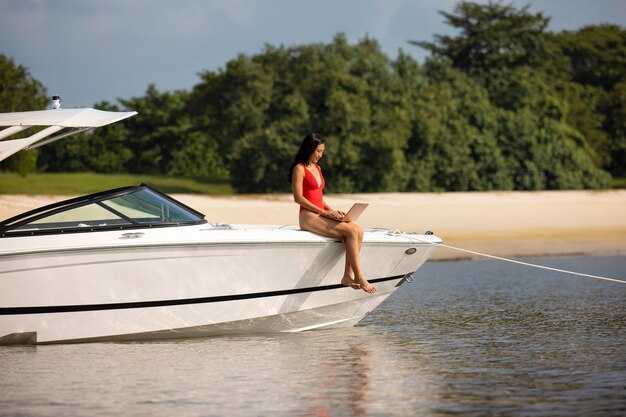
Opt for a cutting-edge hardtop with spray curtains and a tall windscreen; this setup blocks spray and wind, which reduces exposure in choppy conditions near the helm. The result is a more predictable ride for every passenger and a cleaner cockpit, lowering maintenance needs and extending gear life. For anglers chasing trophy catches, the superior protection keeps you dry from bow to stern, offering a steadier platform even in exposed water.
Prefer a layout that keeps aisles clear and provides a dedicated spot for gear on both sides. For anglers, a standing platform and easy reach to tackle reduces fatigue while looking for bites in choppy water. Raised leaning post and sealed compartments increase durability and keep essentials at hand, which makes every move on deck safer.
Comfort comes from shade and sound control. Use insulated panels and marine-grade upholstery to cut engine rumble and sun glare, so conversations stay clear across the cockpit. A spray-friendly surface and non-slip deck aid standing and footing, allowing every passenger to stay on a secure spot without crowding the navigation area.
Maintenance is easier when materials resist salt and spray and are simple to clean; choose durable fabrics and corrosion-resistant fittings. The resulting ride is sound, offering increased confidence in navigation and performance, which makes every traveler looking forward to the next trip.
Center Console vs Cabin Cruiser: Practical Performance, Space, and Usage Trade-Offs
Recommendation: for family weekends near bays or inshore trips with weather protection and dry storage, choose a cabin cruiser; for anglers who want endless deck access and quick water entry, lean toward a walkaround-style vessel with a capable helm layout.
- Performance and spray: compared with open-helms, cabin cruisers deliver a drier ride and often better fuel efficiency at mid-range speeds. triple outboard configurations on larger models boost top end and planing ability, while carbon and aluminum components help keep weight down and resistance to damage, which improves overall performance. the helm console placement greatly affects visibility and spray management, and a sound hull design lowers ride fatigue.
- Space and daily use: cabin designs provide plenty of enclosed space, a berth, and a head, making long weekends near bays more comfortable and convenient. there’s limited cabin headroom on smaller builds, so think about whether you want cozy quarters or more open deck space for line handling and gear along the cockpit. for inshore use, the open deck area on a true-helm setup offers near-easy access to rods and nets.
- Durability, materials, and history: older models often relied on traditional fiberglass layouts, while newer options incorporate aluminum or carbon-reinforced structures to reduce weight and extend life. in harsh coastal conditions, aluminum hulls stand up well to salt spray, and carbon components boost stiffness without adding excessive weight. blackfin models remain popular in the inshore segment due to proven ruggedness and history of solid performance near shore.
- Usage trade-offs and safety: cabin cruisers are safer for families during rough weather thanks to enclosed cabins and climate control, though the trade-off is a smaller cockpit and longer paths to water access. walkarounds and similar layouts maintain endless water access and simpler line handling, which is appealing near sheltered bays but can expose occupants to spray in heavy chop. inshore operators should weigh where they fish most–near shoreline coves or farther along channels–to decide how much shelter versus deck space is needed.
- Practical tips for choosing: evaluate its fuel-efficient propulsion package and understand how triple motors affect weight and performance; check for damage on transoms and stringers, especially on used units. assess the console’s ergonomics, confirm there’s plenty of dry storage, and verify that there’s safe access to the bow for anchor work when near shore. consider a model with consistent history of reliable service, a solid resale market, and components that are easy to replace in a pinch.
Bottom line: there’s no universal winner. if your want is sheltered comfort and long weekends with family, a cabin cruiser delivers safer, more versatile use and sound environmental efficiency. if you want nearshore versatility, near-constant water access, and lightweight handling, a true-helm setup with a robust console is a popular choice that stays strong in the used market and history of fishing craft.