


 Deutsch
  English (UK)
  Русский
  العربية
  日本語
日本語  한국어
한국어  Magyar
  Türkçe
  Español
  Čeština
  Svenska
  Português
  Ελληνικά
  Suomi
Suomi  Nederlands
  Română
  Italiano
  Français
  Polski
  Українська
  简体中文
简体中文  Slovenčina
 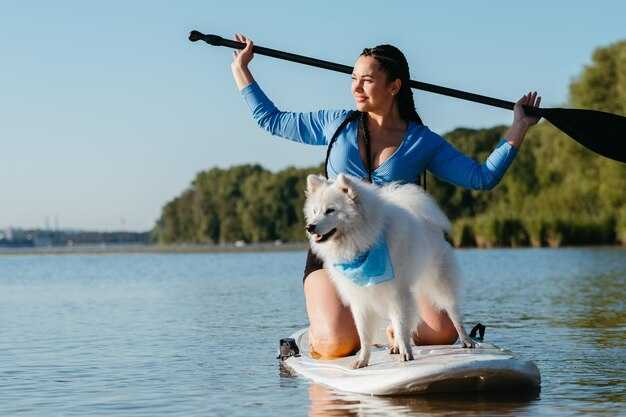 6 Essential Tips for Boating with Your Dog – Advice from a Boat-Dog Mom">

Der praktischste Schritt ist, Ihre Hunde mit von der Küstenwache zugelassenen Schwimmwesten auszustatten und vor dem Ablegen einen guten Sitz zu überprüfen. Wenn die Weste richtig eingeführt wurde, belohnen Sie Fortschritte mit Leckerlis und üben Sie das Ein- und Aussteigen aus dem Boot, bis sie selbstbewusst reagieren.
In the environment auf einem fahrenden Boot zu trainieren, passe das Training an, indem du die Einheiten auf ruhigem Wasser kurz hältst und die Exposition allmählich steigerst, wenn dein Hund ruhig bleibt. Eine Quelle besagt, dass konsequente, positive Verstärkung die Angst reduziert und ihnen hilft, auf Befehle zu reagieren.
Achte auf Verletzungsrisiken: Halte die Leinen frei, um zu vermeiden, dass sich Pfoten verfangen, und deine Hunde könnten sich selbst in Schwierigkeiten bringen, wenn sie aufgeregt sind. Stelle sicher, dass deine Hunde ausreichend hydriert bleiben und mache alle 20 Minuten Trinkpausen bei längeren Ausflügen. Wenn du Anzeichen von Müdigkeit bemerkst, kürze die Session und kehre zum Ufer zurück.
Vorbereitung verkürzt Fehltritte. Packen Sie ein kompaktes Set mit Handtüchern, einer zusammenfaltbaren Schüssel, Wasser in Flaschen, einer Leine und Ersatzjacken; stellen Sie sicher, dass jede member der Crew kennt seine Rolle und welche Signale Ihren Hund vom Rand zurückrufen. Sie sollten an Deck oder in der Kabine bleiben, wenn sich das Boot neigt, bis ein sicherer Plan steht.
Halten Sie den Plan schließlich über alle Fahrten hinweg konsistent. Jede member der Crew sollte den Fortschritt verfolgen, notieren, was funktioniert hat, und Updates mit dem Rest der Familie teilen. Quelle erinnert uns daran, dass Routine Vertrauen aufbaut und das Risiko auf dem Wasser reduziert.
Sechs praktische Tipps zum Bootfahren mit Ihrem Hund: Ratschläge von einer Hunde-Mama mit Boots-Erfahrung; 6 Behalten Sie Ihr Haustier im Auge
-
Beginnen Sie mit einer ruhigen Eingewöhnung: Ihr Hund muss während der gesamten Zeit an Bord Schwimmwesten tragen. Machen Sie ihn zuerst an Land mit dem Boot vertraut, und gehen Sie dann zu kurzen Übungseinheiten an Deck über, während Sie in der Nähe sind. Achten Sie auf die Signale Ihres Hundes und belohnen Sie ruhiges Verhalten. Verlängern Sie dann allmählich die Zeit an Bord, um Vertrauen aufzubauen und die Erfahrung für Sie beide angenehmer zu gestalten.
-
Schaffen Sie einen sicheren Bereich an Bord mit rutschfesten Oberflächen und einem eigenen Ruhebereich abseits des Cockpits. Halten Sie eine richtige Leine in Reichweite, führen Sie Ihren Hund mit einer Leine und vermeiden Sie Menschenmassen; geben Sie ein klares Signal zum Beruhigen. Wenn sich das Deck verschiebt, könnte Ihr Hund unruhig werden, also passen Sie sich schnell an und halten Sie das Tempo ruhig, was Ihnen hilft, eine bessere Routine zu entwickeln.
-
Hydrierung, Schatten und Gassigeh-Planung: Bieten Sie oft Wasser über eine zusammenfaltbare Schüssel an, überprüfen Sie die Temperatur, um eine Überhitzung zu vermeiden, und planen Sie Gassigeh-Pausen in ruhigen Momenten. Manchmal müssen Sie möglicherweise die Wasseraufnahme reduzieren, bevor Sie anlegen, um Unfälle zu vermeiden, aber sorgen Sie dafür, dass jeder Stopp gut geplant ist. Erwägen Sie Schatten oder eine Sprühflasche, um die Temperatur angenehm zu halten, und packen Sie ein Handtuch für schnelle Reinigungen ein.
-
Training und Signale: Bringen Sie Ihrem Hund vor dem Losgehen einfache Signale bei und sorgen Sie dafür, dass er auch in stressigen Situationen aufmerksam bleibt. Verwenden Sie an wichtigen Punkten klare Handzeichen und üben Sie den Rückruf mit einer langen Leine, die Sie bei Bedarf einziehen können. Diese Übungseinheiten sollten kurz und häufig sein, abwechslungsreich gestaltet werden und ein Abdriften zum Rand hin verhindern.
-
Beziehen Sie Freunde ein und bleiben Sie aufmerksam: Beziehen Sie Freunde mit ein, die sich mit Hundesicherheit auskennen, und halten Sie Ihren Hund in Ihrer Nähe. Achten Sie oft auf Anzeichen von Stress und vermeiden Sie, dass der Hund bei steigenden Wellen zu nah an den Bug gerät. Wenn das Wetter rau ist, begeben Sie sich auf ruhigere Flächen; dies schafft mehr Vertrauen und eine genaue Überwachung kommt jedem Mitglied der Besatzung zugute.
-
Notfallvorsorge und Packen: Packen Sie ein Erste-Hilfe-Set für Haustiere, Ersatzhandtücher, eine zweite Leine und zusätzliches Wasser ein. Überprüfen Sie, ob jede Schwimmweste passt, und führen Sie eine Pfeife oder eine Videoanleitung mit, um die Schritte aufzufrischen. Überspringen Sie keine kurze Übung; passen Sie sich den Bedürfnissen Ihres Hundes an und nehmen Sie sich Zeit, um das Zurückkehren ans Ufer zu üben. In jedem Szenario führen Sie die Crew und stellen sicher, dass alle Mitglieder sicher sind, und erklären Sie jedem Mitglied den Plan.
Six Practical Tips for Boating with Your Dog
Legen Sie jedem Hund vor der Abfahrt eine gut sitzende Schwimmweste an, um die Sicherheit auf dem Wasser zu gewährleisten.
| Ausrüstung und Sicherheit |
Achten Sie auf eine helle, gut sitzende Schwimmweste mit einem stabilen Griff; befestigen Sie eine kurze Leine in der Nähe des Buges, um zu verhindern, dass Ihr Hund über Bord geht. Üben Sie das Anlegen der Weste zu Hause, damit sich Ihr Hund wohlfühlt und Sie Vertrauen auf einem Boot gewinnen. Verwenden Sie helle Farben für gute Sichtbarkeit und überprüfen Sie die Ausrüstung vor jeder Fahrt, um einsatzbereit zu sein. |
| Komfort und Klima |
Sorgen Sie für Schatten, eine warme Decke und eine rutschfeste Matte an Deck, damit sich vier Pfoten wohlfühlen. Halten Sie einen zuverlässigen Wassernapf bereit und bieten Sie kleine Schlucke an, um den Durst zu stillen; stellen Sie sicher, dass Ihr Hund die Zeit an Bord mit wedelndem Schwanz und ruhiger Atmung genießt. |
| Training und Grundlagen |
Baue eine Routine mit grundlegenden Signalen auf (Bleib, Komm, Beruhige dich) und übe diese während ruhiger Zeit am See; es geht um Sicherheit und hilft deinem Hund, beim Anlegen oder bei Windböen an seinem Platz zu bleiben. Nutze Belohnungen, um ruhiges Verhalten zu verstärken; im Laufe der Jahre solltest du schnelle Reaktionen sehen und weniger Aufforderung benötigen. |
| Wind, Bewegung und Handling |
Positioniere dich so, dass du deine Ohren vor Spritzwasser schützt, und sorge für ein sicheres Geschirr zur Kontrolle. Beginne mit sehr kurzen Fahrten, um die Bewegung einzuschätzen und das Tempo anzupassen; wenn der Wind auffrischt, weiche auf ruhigere Gewässer aus und achte auf Anzeichen von Unbehagen. |
| Gesundheit, Sicherheit und Sauberkeit |
Pfoten kontrollieren, Krallen schneiden, Salz abspülen und eine Tierapotheke an Bord haben. Auf Hitzschlag oder Unterkühlung achten; sicherstellen, dass Impfungen und Parasitenschutz aktuell sind. Diese Routine hilft, schwierige Situationen an Bord zu vermeiden und Hunde zu schützen. |
| Planung und Abdeckung |
Planen Sie Routen um tierfreundliche Haltestellen herum; führen Sie Erkennungsmarken, ein aktuelles Foto und eine Leine mit sich; überprüfen Sie, ob Ihre Versicherung auch Seeunfälle abdeckt. Teilen Sie den Plan mit Freunden an Bord, damit jeder weiß, was zu tun ist, wenn sich das Wetter ändert. Im Laufe der Jahre werden Sie festgestellt haben, dass ruhige Vorbereitung Zeit spart und jede Schiffsreise unter Berücksichtigung von Wetteränderungen angenehmer und sehr lohnend für Tiere und Hunde macht. |
Gesundheitschecks vor der Reise und Hundeidentifikation
Vergewissern Sie sich, dass Ihr Hund gechipt ist und aktuelle Erkennungsmarken trägt, bevor Sie eine Bootsfahrt unternehmen. Überprüfen Sie, ob die Telefonnummer auf der Marke aktuell ist und ob der Mikrochip in der nationalen Datenbank auf Sie registriert ist, damit ein Finder Sie erreichen kann, wo immer Sie sich befinden. Lucia empfiehlt, eine Ersatzmarke und ein aktuelles Foto zur schnellen Referenz im Drybag aufzubewahren.
Führen Sie einen achtsamen Gesundheitscheck vor der Reise durch und sorgen Sie für eine gute Hydrierung. Überprüfen Sie Augen, Ohren, Zähne, Fell und Ballen; schneiden Sie bei Bedarf die Krallen und testen Sie die Beweglichkeit. Vergewissern Sie sich, dass die Impfungen auf dem neuesten Stand sind und es keine Anzeichen von Krankheit gibt, und planen Sie dann kurze, ruhige Ausflüge auf dem Wasser. Nehmen Sie Wasser und eine tragbare Trinkflasche mit, bieten Sie bei Pausen einen Schluck an und halten Sie ein Handtuch bereit, um sich abzutrocknen, falls Lucia oder Sie ins Wasser fallen. Achten Sie auf die Hitzeeinwirkung und achten Sie auf übermäßiges Hecheln; ignorieren Sie keine Anzeichen von Überhitzung. Diese Tipps decken die wichtigsten Kontrollen ab. Im Laufe der Jahre werden Sie feststellen, dass Ihr Hund die Routine besser verträgt; sobald Sie diese Kontrollen abgeschlossen haben, sind Sie bereit für einen sicheren Tag auf dem Wasser.
Erstellen Sie ein kompaktes Identifikationspaket: Mikrochipnummer, aktueller Impfnachweis und Ihre Kontaktdaten für Reisen. Überprüfen Sie Gesundheitsaspekte neben der Identifikation für bessere Ergebnisse. Bestätigen Sie, dass das Register aktuell ist; eine Aktualisierung ist erforderlich, wenn Sie umziehen oder sich Ihre Nummern ändern. Informieren Sie sich über die Sicherheitsrichtlinien des Yachthafens für Hunde und befolgen Sie die Leinenpflicht an Land. Legen Sie eine kleine gedruckte Karte mit Ihrer Kontaktnummer in einen Trockenbeutel und erwägen Sie ein QR-Tag, das auf das Online-Profil verlinkt. Wenn Sie einen Hund verlieren, erhöht diese Information die Wahrscheinlichkeit einer schnellen Rückgabe.
Sicherheit und Überwachung an Bord: Sichern Sie Ihren Hund mit einer atmungsaktiven Schwimmweste oder einem Geschirr an Deck und verwenden Sie eine rutschfeste Matte für den Stand. Als Mitglied Ihrer Bootsmannschaft bleiben Sie aufmerksam für ihre Bedürfnisse. Platzieren Sie eine Leinenrolle an der Seite des Cockpits, um sie in Ihrer Nähe zu halten, während Sie steuern. Richten Sie Schattenpausen ein und bieten Sie Wasser an, um Überhitzung zu vermeiden; achten Sie auf Anzeichen wie starkes Hecheln, Sabbern oder nachlassende Energie. Wenn die Hitze steigt, verkürzen Sie die Fahrten und gönnen Sie ein kühlendes Bad in einem flachen Becken oder ein Abwischen mit einem feuchten Tuch. Überprüfen Sie die Pfoten nach Ausflügen auf heißen Decks und vermeiden Sie direkte Sonneneinstrahlung an hellen Tagen. Ignorieren Sie keine Warnsignale; Lucia sagt, bleiben Sie in der Nähe und achten Sie auf Wind und Gischt.
Richtige Schwimmweste, Gurtzeug und Ausrüstung
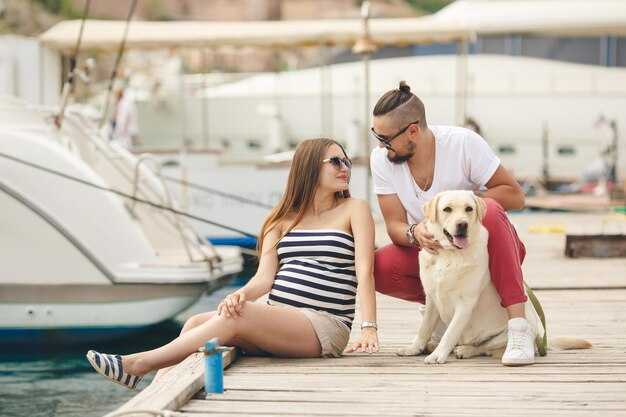
Passen Sie die Hundeschwimmweste richtig an und befestigen Sie sie, bevor Sie das Ufer verlassen; wählen Sie ein leuchtendes, gut sitzendes Modell mit einem stabilen Haltegriff, reflektierenden Besätzen und einer für das Gewicht Ihres Hundes ausgelegten Auftriebskraft. Kombinieren Sie sie mit einem Geschirr, das flach auf Brust und Rücken sitzt, und befestigen Sie eine kurze Leine am Geschirr, damit er in Ihrer Nähe bleibt, sich aber bewegen kann. Diese Kombination hilft Ihnen, ihn sicher aus dem Wasser zu heben und panische Kämpfe zu verhindern, egal ob Ihr Schwimmer ein selbstbewusster Labrador oder ein vorsichtiger Terrier ist. Deshalb ist eine gute Passform so wichtig.
Messen Sie genau: Brustumfang, Halsumfang und Gewicht, und passen Sie dann jeden Gurt an, bis die Weste eng anliegt, ohne die Bewegung einzuschränken. Überprüfen Sie das Geschirr: breite Brustplatte, gepolstertes Gurtband und einen sicheren D-Ring; stellen Sie sicher, dass es tierfreundlich ist und nicht scheuert. Machen Sie eine Trockenanpassung an Land und testen Sie dann im flachen Wasser mit leichtem Widerstand, um Angst abzubauen und die Passform und das Gleichgewicht zu bestätigen, was die Ermüdung für Sie und Ihren Welpen reduziert und eine große Hilfe für Anfänger ist.
An Deck sollten Sie rutschfeste Oberflächen und Schatten für Ihren Hund wählen, wenn er sich nicht im Wasser befindet. Stellen Sie frisches Wasser und eine zusammenklappbare Schüssel bereit. Verwenden Sie eine Leine, um sie an der Klampe oder Reling des Bootes zu befestigen, und halten Sie die Leine kurz genug, um umherstreifen zu verhindern. Dies schützt sie vor Windböen und Spritzwasser, während sie die Umgebung erkunden. Wenn Sie vorbereitet sind und die Zeit gemeinsam genießen, bleiben sie ruhig und genießen die Fahrt mit Freunden und Familie.
Plane im Voraus, um Wetter und Wellen zu berücksichtigen: Vermeiden Sie es, sie unbeaufsichtigt in der Hitze zu lassen, und wechseln Sie Pausen ab, damit sie im Schatten ruhen können; bringen Sie ein Handtuch mit, um Fell und feuchte Pfoten zu trocknen, und überprüfen Sie die Oberflächen regelmäßig auf scharfe Kanten. Überprüfen Sie die Ausrüstung nach jeder Reise: Befestigungsfestigkeit, Nahtverschleiß und Zustand der Reißverschlüsse; ersetzen Sie verschlissene Teile, um Verluste zu begrenzen. Planung und Schutz machen den Ausflug besser, und das wird Ihnen mehr schöne Erinnerungen bescheren.
Hydratation, Schatten und Temperaturregulierung
Heute, holen Sie einen zusammenklappbaren Wassernapf heraus und bieten Sie an Bord alle 15 Minuten Wasser an, um eine Überhitzung zu vermeiden. Halten Sie frisches Wasser in einer Kühlbox oder Flasche bereit und füllen Sie es nach Bedarf auf, damit Ihr Hund trinken kann, ohne suchen zu müssen. Der Ratgeber empfiehlt, Wasser zugänglich und Schatten bereit zu halten, und wenn sie in der Sonne unruhig werden, suchen Sie den Schatten auf und kühlen Sie sie ab, bevor sie Anzeichen von Stress zeigen.
Erfahren Sie, wo Schatten am wichtigsten ist, und erkunden Sie Optionen: Installieren Sie ein Bimini, ein Sonnensegel oder ein Schattentuch über dem Cockpit, um die direkten Strahlen während der Spitzenzeiten abzuschirmen. Machen Sie Schatten zur Routine, indem Sie den Ruheplatz des Hundes unter einem Unterstand positionieren und ihn dann an die Sonnenbewegung anpassen. Wenn Sie keinen permanenten Schatten einrichten können, verwenden Sie eine leichte Plane oder einen tragbaren Unterstand und befestigen Sie ihn so, dass er sich bei Bootsbewegungen nicht löst.
Überwachen Sie zuerst Temperatur und Luftstrom. Halten Sie eine Luke offen oder verwenden Sie einen kleinen, batteriebetriebenen Ventilator, um eine angenehme Brise an Deck zu gewährleisten. Wenn sich die Oberfläche heiß anfühlt, bringen Sie den Hund in den Schatten, befeuchten Sie sein Fell mit lauwarmem Wasser und bieten Sie ihm kleine Schlucke an. Unter Deck oder in schattigen Buchten sollten Sie die Luft in Bewegung halten, damit die Pfoten angenehm kühl bleiben. Mit dem richtigen Plan kommen die meisten Hunde gut mit Hitze zurecht, aber die Zeit spielt eine Rolle – warten Sie nicht zu lange, wenn Anzeichen einer Überhitzung auftreten. Verwenden Sie bei Bedarf feuchte Handtücher, um eine Überhitzung schnell zu behandeln.
Behandeln Sie die Flüssigkeitszufuhr als Routine: Stellen Sie Trink-Erinnerungen ein, lassen Sie Ihren Hund in kleinen Schlucken trinken und vermeiden Sie es, Flüssigkeit zu erzwingen. Verwenden Sie Wasser, das kühl, aber nicht eiskalt ist. Wenn Ihr Hund nicht trinken möchte, bieten Sie wasserreiches Futter oder nach und nach Eisstückchen an. Achten Sie auf folgende Anzeichen: starkes Hecheln, schnelles Sabbern, glasige Augen, Lethargie oder Stolpern. Wenn Sie etwas Ungewöhnliches bemerken, ziehen Sie sich sofort in den Schatten zurück, reduzieren Sie die Aktivität und wenden Sie sich an einen Tierarzt, wenn die Symptome anhalten. Lassen Sie Ihren Hund niemals unbeaufsichtigt in der heißen Sonne. Es gibt nichts Wichtigeres, als die Sicherheit Ihres Hundes zu gewährleisten. Um eine stetige Flüssigkeitszufuhr zu gewährleisten, bieten Sie in regelmäßigen Abständen kleine Schlucke an. Menschen sollten auch ausreichend Flüssigkeit zu sich nehmen, damit Sie heute und auf jeder Reise auf die Bedürfnisse Ihres Hundes achten können. Hier ist eine schnelle Checkliste, die Sie an Bord einsehen können.
Sicherheitsprotokolle an Bord und Grundausbildung
Beginne mit einem einfachen policy: jeder Hund trägt lifejackets vor dem Einsteigen und eine schnelle Passformkontrolle sorgt für eine bequeme und sichere Fahrt.
Packen Sie für jeden Ausflug ein kompaktes Set: Wasser, eine zusammenklappbare Schüssel, ein Handtuch, Schatten und ein paar bewährte. Befehle to reinforce calm responses.
Temps on deck vary; monitor heat and humidity, provide fresh water, and schedule breaks in shade to prevent overheating and fear from stress. Staying cool helps their confidence while boating with family und friends.
Onboard training emphasizes quick, positive reinforcement: practice here und stay, use treats, and keep sessions brief to avoid fatigue. Keeping sessions consistent builds trust in their reactions to moving water and boat noises.
Safety during motion: secure gates or crates, clip the leash to a harness when necessary, and never leave a dog unattended. If your dog is a swimmer, designate safe zones and supervise, however remain mindful of currents and wakes that might overwhelm them.
Case: lucia notes that taking a cautious, gradual routine kept her dog from fear and overheating. The information she found emphasizes staying close to family und friends and protecting their wellbeing by keeping a predictable pack routine. here is a concise checklist you can adapt to your setup.