


 Deutsch
  English (UK)
  Русский
  العربية
  日本語
日本語  한국어
한국어  Magyar
  Türkçe
  Español
  Čeština
  Svenska
  Português
  Ελληνικά
  Suomi
Suomi  Nederlands
  Română
  Italiano
  Français
  Polski
  Українська
  简体中文
简体中文  Slovenčina
  2009 Princess 54 Flybridge Adios IV – Full Review, Specs & Features">

Recommendation: Choose Adios IV for a luxurious, social-ready flybridge experience that blends comfort with proven performance. This flybridge layout provides a generous outdoor table and seating, plus easy access to a sunbathing area. In monaco and recognised yachting hubs, the Adios IV stands out for its clean lines, solid build, and a well-balanced profile that suits both private use and selective boatbookings opportunities.
Power comes from a reliable twin-diesel package that realises steady speeds, while keeping engine noise low in the saloon. Expect cruising speeds in the low 20s to mid-20s knots and a top end that delivers a confident performance for coastal passages. The hull design and propulsive efficiency help reduce fuel burn at steady speeds, making such voyages comfortable for life aboard. This capability travels across the world, from monaco to remote coves.
Inside, the 54-foot layout translates into a bright main deck with a spacious salon, a fully equipped galley, and a three-cabin arrangement that prioritises comfort and privacy. The design and materials work together to provide continuous comfort for guests thanks to meticulous soundproofing and HVAC zoning.
For owners and brokers, Adios IV offers an opportunity to compare with recognised sport cruisers and smaller superyachts. An impressive flybridge table can host al fresco meals for eight, while the aft deck works for intimate dinners or larger gatherings. Maintenance logs and service history inform a strong valuation, and current listings on boatbookings accompany transparent owner disclosures.
Whether your plans include monaco charters, Mediterranean hops, or longer passages, this model combines life-quality with top-tier safety features, thoughtful storage, and a credible resale profile. The Adios IV remains a state-of-the-art reference for those seeking a luxurious, well-proportioned yacht that performs smoothly in mixed seas and sunny coastal bays.
2009 Princess 54 Flybridge Adios IV – Accommodation Overview
Choose Adios IV for a guest-ready, spacious layout that prioritizes comfort and practical living on both decks. The master suite sits amidships with a private head, delivering a quiet retreat at anchor or under way. A forward VIP cabin and a twin-berth guest cabin provide flexible sleeping arrangements, and a second head serves guest needs where configured.
The lower deck uses thoughtful bulkheads to separate living spaces from machinery, keeping noise to a minimum between the decks. The master suite sits amidships with a private head, a forward VIP cabin, and a twin-berth guest cabin, plus a second head to serve both guest and crew needs where configured.
The main deck saloon flows between the helm and dining area, offering a spacious feel with panoramic windows and refined teak joinery. A comfortable settee and formal dinette create a welcoming social hub, while a compact navigation station keeps you connected to the route ahead. The sportbridge rises above for dynamic outdoor entertaining, delivering impressive visibility and easy access to the helm and side decks for seamless guest circulation.
The galley, located to port on the main deck, includes granite countertops, a three-burner stove, a microwave, and a full-size refrigerator with freezer drawers. Upper cabinets and ample counter space ensure efficient service for memorable meals aboard, with a nearby dinette that supports casual dining without interrupting lounge conversations.
Exterior decks prioritize flow and social space. The aft deck is expansive for al fresco dining and sunning, while side decks provide safe, direct access to the bow and sportbridge. Underwater lighting accentuates the hull at night, and the sportbridge offers a second elevated stage for entertaining while maintaining a clear line of sight to the water below.
Performance aligns with a coastal-yacht ethos: twin diesels deliver reliable acceleration and comfortable cruising, while the hull and propeller tune contribute to steady handling in mixed seas. The range supports weekend getaways along the riviera coast, and navigation tools enable confident marina-hopping. The buyer will appreciate the solid build, generous onboard spaces, and the potential for further customization prior to delivery. This includes upgrades to countertops, additional cooling zones, and enhanced insulation. For buyers seeking versatile coastal cruises, these yachts await your inspection.
Cabin Layout and Berth Allocation
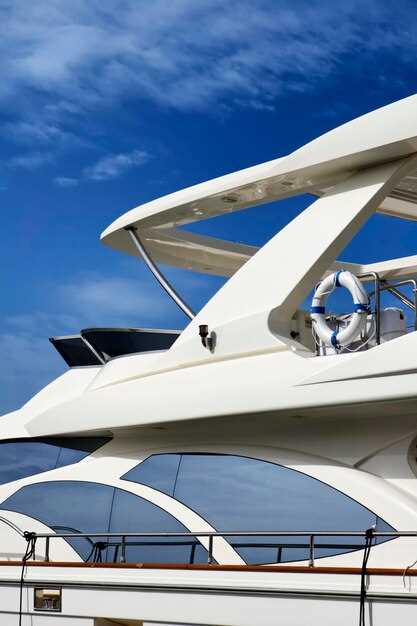
Configure the Adios IV with three guest cabins and a dedicated crew space to sleep six guests comfortably, while preserving privacy for couples and room for youngsters. The master stateroom sits aft, a well-appointed retreat after a long day on the hull, and the interior uses italian-inspired finishes, light wood, and soft-touch materials that feel premium from the moment you step inside.
-
Master Stateroom (aft)
Located on the main hull, the master offers a large double berth aligned to maximize room and circulation. The space is equipped with full hanging lockers, drawer storage, and a studio-style desk area for work or planning itineraries. An ensuite head with separate shower ensures morning routines stay private, while climate control and sound-dampening textiles keep the room quiet after navigation. This cabin is designed to be a true retreat that remains comfortable for up to two people.
-
Forward VIP Cabin
The forward cabin uses a generous double berth and dedicated storage. If you need to accommodate two couples, this cabin can share the day-head setup or offer a semi-en-suite option depending on the hull configuration. Large portholes bring in natural light, and the finish material palette mirrors the master for a cohesive feel across the interior.
-
Port Twin / Starboard Twin Cabin
Two single berths provide flexible options for family or friends. Berths can be joined to form a double when needed, and each berth has its own storage, reading lights, and ventilation. The configuration is configurable to balance crew and guest needs on longer passages, and a shared head with a separate shower keeps routine changes convenient for everyone.
-
Crew or Utility Cabin (if specified)
A compact crew area can be located in the aft portion of the hull or beneath the cockpit, accessed through a separate companionway. It accommodates two people and shares a head with the service area. This layout means you can keep guests on the main deck while the crew handles tender operations and navigation support.
Berth allocation tips to maximize comfort:
- For six people, keep the master and forward VIP as the primary sleeping spaces, with the twin cabin configured to a double when the crew is light or children are aboard.
- When fewer guests cruise, convert the twin into a lounge area with a daybed and use the studio desk for work without sacrificing sleeping space.
- Reserve the flybridge access to serve as a separate social zone, ensuring the lower deck remains private for rest and preparation.
From a design standpoint, the layout balances roominess with hull efficiency. The architect and interior team aimed to create a flow that reduces corridor clutter, improving navigation between the main deck and cabins. The materials and fittings are chosen to stand up to family use and salt air, while the flight of stairs and doorways maintains a clear path for people moving between zones on every passage.
For tender handling and auxiliary needs, dedicated storage on the stern and under the aft deck eases access to gear without intruding on cabin space. If you target versatility, the three-cabin plan offers a state-of-the-art balance of privacy and social space, with a configurable berthing approach that adapts to the trip profile you choose.
Bed Sizes, Access, and Turnaround Space
Opt for the midships master cabin with a queen bed (1.8 m x 2.0 m). This yields the best access on both sides and makes it easy to move down the passage in the night without waking your partner.
If youre planning long trips, this layout is reliable and worth reading about.
- Master Cabin – Queen bed 1.8 m x 2.0 m (6’0″ x 6’7″). Provide 0.6 m clearance on each side and 0.7 m at the foot for turning and bedside service.
- Guest Cabins – Two twins: 0.8 m x 1.9 m (31″ x 75″). Align fore-aft along the hull with 0.6 m passage between beds and 0.6 m to the door swing.
- Crew Cabin (if fitted) – Single berth options around 0.6 m x 1.9 m, with a 0.6 m access aisle.
- Turnaround Space – Keep a minimum of 1.2 m clear in front of bed ends and 0.9 m along sides for quick exits to the corridor or galley.
- Access Flow – The galley sits on the port side with a 0.75 m path to the dining area; maintain this corridor open to avoid bottlenecks when you move items or food forward from the galley.
- Cabin Details – Flooring uses durable, non-slip material; nautical styling and warm wood tones create a comfortable, home-like cabin, while a panoramic screen and side hatch brighten the room with natural light.
The plan is currently displayed in the brochure and awaits your review; for a sardinia crossing or a world cruise, this layout supports long voyages without compromising cabin comfort. The engines hum quietly, the sportsbridge offers easy access to the cockpit, and storage is ample across the galley and cabins, making your stay aboard straightforward and successful.
En-suite Heads: Size, Fixtures, and Shower Performance
Opt for the forward master en-suite as the daily-use head; it delivers the largest shower area, premium fixtures, and private access from the master cabin, supporting exceptional yachting comfort during leisure cruises along spain and balearics.
The master head footprint measures about 1.4 m long by 0.9 m wide, with a dedicated shower stall sized around 0.85 m by 0.9 m and a curved glass door for easy entry. A second, smaller head near the guest cabins follows a compact 1.0 m by 0.8 m footprint, with a shower zone of 0.6 m by 0.8 m.
Fixtures emphasize premium finishes: ceramic basin on a solid-surface countertop, a large medicine cabinet, dual mirrors, a heated towel rail, teak trim, and integrated LED vanity lights. The master head includes an audio panel for discreet background music, enhancing the private leisure atmosphere onboard.
Shower performance relies on a 2.5 bar pump, delivering a steady 8–10 L/min flow with thermostatic control to maintain 18–44 C quickly. The rainfall head provides generous coverage, while the handheld wand handles tight spaces. The curved glass door seals well to keep moisture contained and the drain remains efficient even after several showers in a row.
Prior to departure, verify the freshwater feed to the heads and confirm the pump settings for consistent pressure. Access to the master head runs through a compact stairs section in the corridor, increasing privacy and flow when guests are aboard. Currently, this layout proves ideal for private use during long passages or when cruising between destinations like spain, balearics, and croatia, delivering fantastic performance and a premium onboard ambiance.
| Zone | Size (L × W) m | Shower Area (L × W) m | Fixtures | Shower Performance | Anmerkungen |
|---|---|---|---|---|---|
| Master Head | 1,4 × 0,9 | 0,85 × 0,9 | Keramikwaschbecken, Waschtisch aus Mineralwerkstoff, Spiegelschrank, Handtuchwärmer, Doppelspiegel, LED-Waschtischleuchten, Audio Panel | Druck ~2,5 bar; Durchfluss ~8–10 l/min; Temperatur 18–44 °C; Niederschlag + Handbrause | Vordere Position; privater Zugang vom Master |
| Gastkopf | 1,0 × 0,8 | 0,6 × 0,8 | Standardwaschbecken, Spiegel, Stauraum, Handtuchhalter, LED-Leuchten | Druck ~2,3 bar; Durchfluss ~6–8 l/min; Temperatur 18–40 °C | Gemeinsamer Süßwasserspeisung; geeignet zur privaten Nutzung durch Gäste |
Auf Yachtrouten entlang der kroatischen Küste sowie in Spanien und auf den Balearen sorgt diese Anordnung für ein fantastisches Gleichgewicht zwischen Privatsphäre, Leistung und Komfort und unterstreicht den Premiumcharakter des Schiffes bei längeren Kreuzfahrten.
Stauraum: Schließfächer, Kleiderschränke und Platz unter dem Bett
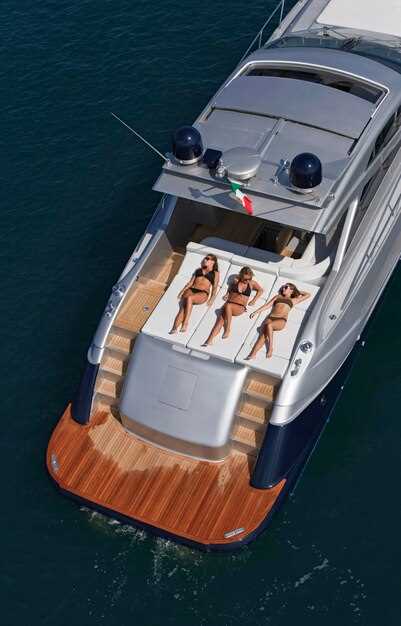
Weisen Sie zuerst die vier primären Stauräume zu: zwei hohe Schränke für die tägliche Oberbekleidung, zwei Garderobenbereiche in den Quartieren für gefaltete Kleidung, und reservieren Sie Fächer unter dem Bett für sperrigere Ausrüstung. Beschriften Sie jeden Behälter mit Nadeln und einer Codenummer, um den Inhalt zu verfolgen und die Genauigkeit zu verbessern. Diese Anordnung ist für eine mittelgroße Flybridge beeindruckend und macht das Layout für den Käufer intuitiv; eine solche Organisation reduziert Wartezeiten und hält die Gegenstände für die nächste Etappe bereit. Im September, wenn sie mit Juan und anderen Käufern Ibiza besichtigen, werden sie sehen, wie diese Einrichtung die Wartezeiten minimiert und die Kabinenquartiere geräumig wirken lässt.
Kraftstoffbehälter entlang des Korridors und der Flybridge-Konsole halten Kraftstoff vom Frischwasser fern und ermöglichen gleichzeitig einen schnellen Zugriff auf wichtige Ersatzteile. Lagern Sie Kraftstoff in einem belüfteten Schrank mit klarer Kennzeichnung; schützen Sie Naim-Audio-Geräte, indem Sie sie in einem trockenen, belüfteten Schrank aufbewahren, um Feuchtigkeitsschäden zu vermeiden. Ein spezieller Toilettenschrank beherbergt Toilettenartikel und wichtige Ersatzteile getrennt von der Kleidung. Der Grillbereich im Cockpit profitiert von einem abschließbaren Behälter für Grillwerkzeuge und Holzkohle- oder Gaskanister, so dass Sie schnell und ohne Kreuzkontamination startklar sind. Der Boden in diesen Zonen besteht aus Teakholz-ähnlichen Dielen mit flachen Kanten, um die Reinigung zu vereinfachen und Stolperfallen zu reduzieren. Die Anzahl der Fächer hilft dem Käufer, die Kapazität schnell zu überprüfen und Fehlzählungen zu vermeiden. Dieses Setup unterstützt erfolgreich reibungslose Übergänge zwischen Tagen vor Anker und langen Passagen.
Der Stauraum unter dem Bett bietet vier lange Fächer in den Hauptschlafbereichen, sodass Sie Bettzeug und saisonale Ausrüstung in Taschen oder flachen Kisten verstauen können. Bewahren Sie vier Behälter mit Kleidung für die Nebensaison oder zusätzlichen Bettwäsche auf und reservieren Sie den Rest für Wassersportausrüstung oder Elektronik, damit Sie auf Gegenstände zugreifen können, ohne die Räumlichkeiten zu überfüllen. Verstauen Sie nach einer Reise die Gegenstände unter dem Bett wieder, um die Ordnung aufrechtzuerhalten. Diese Anordnung trägt dazu bei, dass die Adios IV hocheffizient ist, eine Eigenschaft, die Käufer von Superyachten bei der Bewertung der Lagerdichte und des Gesamtlayouts erwarten.
Klimatisierung und Kabinenkomfort: Belüftung, Beleuchtung und Geräuschentwicklung
Stellen Sie im Salon und in den Kabinen eine konstante Temperatur von 22 °C (72 °F) mit der Zweizonen-Klimaanlage ein und programmieren Sie einen zweistufigen Kühlzyklus für Tag und Nacht. Dadurch bleiben der Loungebereich und die Essecke komfortabel, ohne das System zu überlasten. In der Praxis wählen Sie für die Tagesunterhaltung die MAX-Einstellung des Salons und schalten dann in einen einzelnen leisen Modus, wenn die Bildschirme und der Tisch für Mahlzeiten genutzt werden.
Das System nutzt ein Netzwerk von Deckslüftern, Lukenöffnungen und internen Rückführungen, um die Querlüftung aufrechtzuerhalten. Um den Luftstrom zu maximieren, richten Sie die vordere Kabinenluke bei ruhigen Küstenpassagen auf die hintere Luke aus und lenken Sie die Luft mit verstellbaren Lamellen in Richtung der Sitzbereiche. Achten Sie darauf, wie sich die Luft von der Essecke in Richtung Sportbrücke bewegt, wenn Sie die Zugangsluke in der Nähe des Esstisches öffnen; dieser natürliche Zug ergänzt den mechanischen Fluss ohne übermäßigen Lärm.
Beleuchtung schafft ein Gleichgewicht zwischen Funktion und Stimmung. Verwenden Sie die dimmbaren LED-Streifen im Salon und in den Kabinen, um Blendeffekte auf Bildschirmen zu vermeiden, während Sie sich vor dem Bildschirm oder an der Essecke unterhalten. Schalten Sie bei schwachem Licht auf warme Töne rund um die Essecke und die Nasszellen um, um die Augen bei späten Abendessen zu schonen. Das Cockpit und die Sportbrücke profitieren von indirekter Beleuchtung, die Reflexionen auf dem Bildschirm durch Kielwasser oder Spritzwasser reduziert, insbesondere wenn Sie vor der Küste von Mallorca oder den Kykladen unterwegs sind.
Die Geräuschpegel variieren mit der Motordrehzahl und der Lüfterleistung. Im Leerlauf und bei langsamer Fahrt sind 45–55 dB in den Wohnbereichen des Hauptdecks zu erwarten, wenn die Luke geschlossen und die Belüftung optimiert ist; während der Fahrt mit laufenden Motoren steigt der Kabinenlärmpegel, wird aber durch die akustische Isolierung und die Schalldämpfer der beiden Motoren in einem angenehmen Bereich gehalten. Um Störungen während einer Übernachtung oder wenn die Essecke zum Kino wird, zu minimieren, schalten Sie die Lüfter auf die niedrige Drehzahl und halten Sie die Luke geschlossen, was das Eindringen von Wind und mechanische Geräusche aus dem Maschinenraum reduziert.
Die Bedienelemente befinden sich auf dem Hauptbildschirm und den einzelnen AC-Panels, mit einem eigenen Tisch für schnelle Anpassungen während der Unterhaltung oder Mahlzeiten. Auf der Sportbrücke ermöglicht eine separate Klimazone die Anpassung des Cockpitbereichs an sonnige Tage, während der Innenraum komfortabel bleibt. Das Design legt Wert auf Benutzerfreundlichkeit: Alle Einstellungen sind vom Tisch oder einem an der Wand montierten Bildschirm aus erreichbar, sodass Sie sich nicht in die Master-Kabine zurückziehen müssen, um Temperatur oder Beleuchtung anzupassen.
Systemgesundheit und -genauigkeit sind für gleichbleibenden Komfort wichtig. Derzeit unterstützen Doppelkompressoren separate Zonen mit unabhängigen Thermostatsensoren für jede Kabine und den Salon. Regelmäßige Überprüfungen konzentrieren sich auf die Vor- und Rücklaufleitungen vom Tank zu den Luftaufbereitern sowie auf die Dichtungen um die Lukenschnittstellen, um das Eindringen von Feuchtigkeit an warmen Abenden zu verhindern. Der Grundriss unterstützt den schnellen Zugang für Wartungsarbeiten durch den Architekten und die Servicecrew, mit einem zugänglichen Kofferraum im Heck für Servicearbeiten und schnellen Filterwechsel, ohne die Gäste zu stören.
Wenn Sie eine Kreuzfahrt von Mallorca zu den Kykladen planen, sollten Sie vor der Reise die Klimaeinstellungen überprüfen. Eine schnelle Kalibrierung der Ventilatoren im Maschinenraum und der Luftklappen in den Toiletten trägt dazu bei, dass der Innenraum während der Passagen komfortabel bleibt und gleichzeitig der Energieverbrauch unter Kontrolle gehalten wird. Das Design zielt darauf ab, zuverlässigen Komfort zu bieten, ohne eine sperrige Ausrüstung zu schaffen; die doppelten Installationen und die kompakte Verrohrung spiegeln eine durchdachte Planung des Architekten und des Bauteams wider, wobei der Komfort der Insassen sowohl an ruhigen Abenden als auch bei lebhaften Unterhaltungsveranstaltungen auf der Leinwand Priorität hat.
Haftungsausschluss: Die individuellen Komfortpräferenzen sind unterschiedlich und die Systemleistung kann sich mit Seegang, Last und elektrischer Verfügbarkeit ändern. Beachten Sie den Hinweis und warten Sie die Geräte gemäß der Bedienungsanleitung, um die besten Ergebnisse zu erzielen.