


 Čeština
  English (UK)
  Русский
  العربية
  日本語
日本語  한국어
한국어  Magyar
  Türkçe
  Español
  Svenska
  Português
  Ελληνικά
  Suomi
Suomi  Nederlands
  Română
  Italiano
  Français
  Polski
  Українська
  Deutsch
  简体中文
简体中文  Slovenčina
  Yachting Monthly – Essential Sailing Tips, Gear Reviews, and Ocean Navigation Guides">

Perform a complete pre-delivery inspection before every voyage and log it in your maintenance diary. This practice reduces liability and catches issues before they become costly repairs. Start with hull and rigging, then inspect sails, safety gear, and deck fittings; confirm that zinc sacrificial anodes are in good condition to prevent galvanic corrosion on aluminium fittings. If you spot a loose bolt or a cracked fairlead, fix it now instead of waiting for the delivery trip.
Store checklists in a browser-based system so every crew member and customers can review them on deck, in the cabin, or in transit. Begin each day with a quick visual sweep: inspect cleats, hose clamps, and bilge pumps; verify lifejackets are serviceable and ready. Keep logs that record who performed the check and when to reduce liability and speed maintenance planning.
Gear reviews should differentiate between anchor options, lines, and deck hardware. For aluminium components, salt spray accelerates corrosion; inspect fittings, and consider using zinc anodes to balance galvanic currents. If a connector shows signs of corrosion, replace it with a stainless or coated aluminium alternative. Set maintenance intervals: rinse with fresh water after exposure to spray, dry thoroughly, and apply a protective inhibitor. Track weight loss of sacrificial elements to verify efficacy.
Ocean navigation guides emphasize planning with multiple contingencies. Build routes using electronic charts and paper backups; cross-check weather forecasts, tides, and currents. When forecasts look unfavourable, reroute early and brief the team so deliveries stay on schedule and safety stays high. Use a dedicated browser tool to compare sources and keep updated waypoints.
For customers reading this, schedule maintenance windows during calm conditions and plan spare parts orders with a reliable supplier. Compare aluminium fittings with stainless steel, focusing on galvanic compatibility and overall weight. Choose items with clear warranties and straightforward replacement policies, and track delivery timelines to avoid delays that stall plans. This approach keeps costs predictable and customers satisfied.
Yachting Monthly: Key Sailing Tips, Gear Reviews, and Ocean Navigation Guides; – Returns Policy
Return unused items within 30 days of receipt via the website’s returns portal; include proof of purchase and keep all original packaging. Items must be unused and returned in original appearance to qualify for a full refund.
For defective shipments or incorrect items, we cover return postage and issue a replacement after we receive the item and confirm the issue with evidence (photos or video). Refunds are processed to the original method within 5–7 business days after approval.
Gear reviews rely on evidence from field tests, water times, and user feedback. We assess performance, reliability, and build quality, noting how looks and finishes hold up under salt spray. Review notes cover protective coatings, washing practices, and the function of fixings under load. We call out specialized gear when it improves safety or ease on deck. Generally, our tests include a hands-on check of materials, finishes, and the way components form a cohesive setup.
Key sailing tips for safety and efficiency include monitoring currents and tidal times, keeping motions smooth, and maintaining clear communication with crew. Plan around wind shifts, watch spray patterns, and stay aware of hull appearance and skin condition after wet passages. If the prop shaft shows misalignment or wear, inspect fixings and consider a service before the next voyage unless you have evidence of normal wear. This approach helps you receive consistent performance, physically verify parts, and keep handling predictable in all conditions.
Maintenance practices emphasize corrosion protection: the sacrificial anode must be checked regularly, and scale buildup on fittings should be scrubbed during washing. Apply protective spray to vulnerable metal areas and verify the anode is actively protecting the propshaft and connected components. This keeps the skin of hulls healthy and the appearance of gear intact, forming a reliable baseline for your next voyage. Document changes and replacements to maintain a clear record for the crew and decisions on future upgrades.
Navigation guides on our site combine official charts, tide tables, and on-water checks. We connect with trusted sources to receive updates and ensure you have current information. Specialized apps and our website offer route planning, weather overlays, and caution notes for coastal passages. Always verify changes on the ground and cross-check with local authorities before setting a course.
Changes to policy, if any, appear on the website; we notify subscribers via email and update the article pages. Readers should review the returns page on the site when planning a purchase, especially for items called out in gear reviews or navigation gear.
| Topic | What it covers | Poznámky |
|---|---|---|
| Return window | 30 days from receipt | Unused items in original packaging |
| Defects | Free return postage; replacement | Evidence required (photos/video) |
| Refunds | Original method; 5–7 business days after approval | Subject to policy terms |
| Gear checks | Evidence-based reviews; field tests | Includes protective coatings, washing practices |
Practical Section Outline for Hands-On Yachting Readers
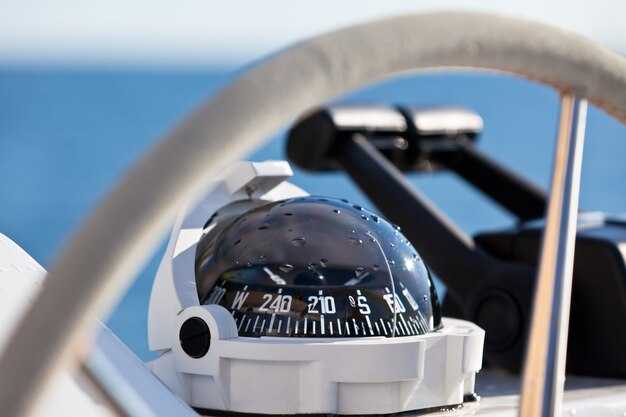
Implement a 60-minute weekly check: from bilge to deck, perform cleaning, inspect critical systems, and test safety circuits, then log results.
Apply a royal touch to hardware with marine-grade polish on hinges, stanchions, and deck fittings to stop corrosion and keep equipment ready.
Use disinfectant on high-contact areas: handrails, chart table, hatch grips; for sensitive surfaces, use a diluted solution andor rinse with freshwater to prevent residue.
Divide tasks into areas: galley, heads, cabin, navigation station, cockpit, and exterior lockers. Assign a clear function to each section and schedule a stop point to review progress.
Document expectations and reminders: set an email note for upcoming checks; when a task stalls, reassign a time block and return to it with fresh data and enough time.
Processing logs keep it simple: date, initials, area, outcome, and any part or tool replaced; if a component fails, record the issue and steps to prevent stagnate and keep delays away.
Training beat: having new crew follow the outlined steps, use the described tools, and accept the results; encourage safe handling and tidy storage after every session.
Reference sheet: ready-to-use checklists for each area, the exact cleaners and disinfectants, and the location of supplies; include a quick email for parts and marine-grade fittings.
Pre-Sail Safety Quick-Checklists
Run a 5-minute pre-sail safety check focusing on main systems, exits, and motions; confirm all hands know the plan and where to signal trouble.
Electrical: test the battery meter, verify charging, note resistance in the wiring, and check for corrosion on terminals; keep access to the main switch clear and labeled; regularly inspect wiring, fuses, and battery links; watch electrons move cleanly through the circuit.
Fuel and engine: verify fuel level and tank venting; inspect hoses for nicks or cracks and replace aged clamps; run the engine for a minute to confirm smooth idle, proper water flow, and no abnormal noises; keep the propshaft clean of entanglements and ensure guards are in place; when far from shore note fuel price trends at remote places.
Safety gear and lines: check PFDs or lifejackets, harnesses, and jacklines; verify fire extinguishers of different types and service dates; ensure life raft, EPIRB, and first-aid kit are within reach; test VHF/DSC access and practice a quick distress call; collect crew comments and note any items that are needed or down for replacement.
Deck and rig checks: scan for nicks or signs of wear on hull, deck fittings, and stanchions; inspect standing and running rigging for wear; test winches, blocks, and the propshaft guard if present; ensure lines are tidy, chafe protection is in place, and access to the main halyard is clear; consider using silver tape or lime markers for quick fixes when necessary.
Navigation and planning: verify charts and GPS backup, confirm access to wind and tide data, and review route times to each leg; keep a note of weather updates and potential places to shelter; treat the forecast as the subject of the plan and share a mail with crew roles and safety terms.
Post-check actions: log findings in the delivery log, mark items as needed or down, and assign tasks with clear times; keep a piece of paper on the bulkhead as a reminder; review comments from each crew member and update the maintenance terms and next checks.
Interpreting Gear Reviews: What Matters for Your Boat
Choose gear with independent test data and clear battery durability information; avoid reviews that only list features. Look for real-world tests covering discharge cycles, charging behavior, and performance under vibration in salt air. Batteries should show complete cycle data, not incomplete samples.
When a review mentions materials, note if aluminium housings or fittings hold up under salt spray; electrochemical testing reveals how ions in seawater interact with coatings, protecting critical parts. If your boat lives in exposed local harbours or the highlands of rough coast, seek data from vessels in similar conditions or ask for field reports.
Spot fraud by checking for disclosed sponsorship and cross-checking claims with manufacturer data or third-party lab results. A credible product also lists compatible spare parts and a straightforward warranty, so you can back up repairs.
Použijte praktický kontrolní seznam: zkontrolujte těsnění, kabely, konektory a montážní hardware; kormidelní kolo by mělo působit pevně a být chráněno proti stříkající vodě. Ujistěte se, že produkt obsahuje výrobcem testované baterie nebo jasný protokol nabíjení, že je zdokumentováno instalační řešení a že jsou uvedeny náhradní díly nebo možnosti servisu pro případ zálohy.
Výběr podle potřeb: recenze by měly vázat tvrzení na skutečné potřeby na vaší lodi; pokud nemáte terénní data z lodí v podobném klimatu, berte laboratorní tvrzení s rezervou. Pokud se tvrzení opírá spíše o laboratorní podmínky než o použití v terénu, ověřte si zprávy uživatelů z lodí v podobném klimatu nebo ze vzdálených tras.
Závěrem: vybavení přizpůsobte potřebám své lodi, upřednostňujte položky s transparentním testováním a dostupnou podporou a před nákupem si ověřte každé tvrzení ve vztahu k vlastním provozním podmínkám.
Navigační plánování v praxi: Trasy, přílivy a počasí
Naplánujte trasu s ohledem na místní přílivové okno a spolehlivou předpověď; zkontrolujte příliv, proudy a vítr pro plavbu a sdílejte plán se zákazníky před zvednutím plachet, abyste společně pracovali na bezpečném vyplutí.
Prostudujte si tabulky přílivů a odlivů pro vybrané pobřeží nebo přístav, poznamenejte si maximální rozsah a snažte se zastihnout klidnou vodu v klíčových bodech; v ústích řek očekávejte rozpětí 1–2 m, zatímco kanály na otevřeném pobřeží mohou vykazovat 3–5 m; sestavte si harmonogram, který umožňuje 15–30minutovou rezervu pro změny větru, a umístěte se tak, abyste dorazili do bezpečného přístavu, místo abyste pokračovali dál, pokud se podmínky zhorší.
Projděte si 48hodinovou předpověď počasí z několika zdrojů a zkříženě ji ověřte s mapami Google ohledně synoptických prvků; sledujte fronty, změny větru a potenciální přeháňky; naplánujte si alternativní trasu k nedalekému břehu nebo do mariny a na mapě označte záložní bod. Pokud se předpověď zhorší, zamiřte do přístavu, pokud nemáte spolehlivou možnost úkrytu.
Udržujte trup a vybavení v dobrém stavu: kontrolujte škrábance a opotřebení, zejména v místech s vysokým provozem; zajistěte, aby protihrůstová úprava zůstala neporušená, a kontrolujte kovy, zda nekorodují; měsíční mytí a kartáčování pomáhají snižovat opotřebení; u dřevěných trupů nebo palub kontrolujte spoje a opravujte opotřebovaná místa; snižuje to odpor a zachovává výkon mimo pobřeží.
Naplánujte logistiku: ověřte přístup ke břehu, možnosti lan a nosnost přívěsu, pokud přepravujete na startovní místo; zkontrolujte, zda je loď prohlédnuta a záznam je uložen; mějte kopii v kokpitu i v telefonu; důkladné plánování snižuje riziko a pomáhá dodržovat plán, když přijde únava.
Používejte nástroje k vytváření tras: Mapy Google pro průjezdní body, místní mapy a měsíční námořní průvodce; sestavte si údaje o přílivech a očekávaných poryvech; poznamenejte si nebezpečí, jako jsou porosty vodních řas nebo mělčiny, a aktualizujte plán podle toho, jak se učíte. Pokud používáte přívěs, ujistěte se, že je loď zajištěna a mimo dosah vozidla, a před spuštěním zkontrolujte, zda trup nemá škrábance.
Čtení plánu nahlas během instruktáže před vyplutím zajistí, že všichni jsou na stejné vlně; přidělte strážní službu, aby jeden spal, zatímco druhý kormidluje; udržujte odpovědnost za bezpečnost a loď; připomeňte zákazníkům, aby se drželi dál od trupu, když jsou na vodě, a aby se řídili plánem; po plavbě zkontrolujte trasu a aktualizujte měsíční poznámky pro zlepšení příští plavby a nezapomeňte na nic ze svého kontrolního seznamu.
Údržba vybavení na palubě: Údržba a rychlé opravy
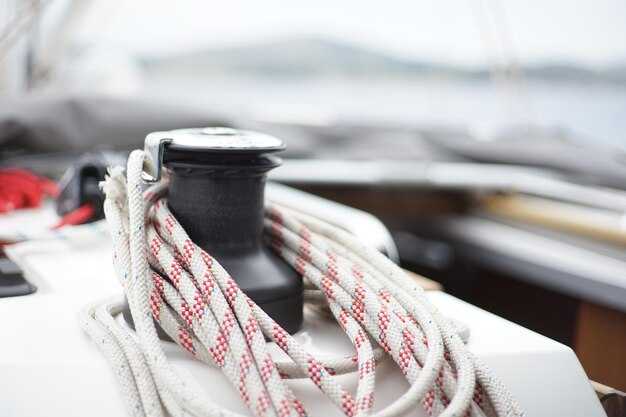
Mějte připravenou pohotovostní opravnou sadu a třídílnou kartu údržby a před každou plavbou proveďte 10minutovou kontrolu před jízdou, proto aktualizujeme kartu záznamu.
Použijte tento praktický pracovní postup, abyste udrželi vybavení připravené a minimalizovali prostoje na vodě.
- Kontrola před jízdou (10 minut)
- Bateriové svorky: otřete nečistoty, očistěte nylonovým kartáčem a poté naneste lodní dielektrické mazivo; zaznamenejte veškerou korozi nebo uvolněné spoje na kartu a upozorněte, pokud je potřeba zásah.
- Průchodky trupem, hadice a svorky: zkontrolujte praskliny, nabobtnání nebo netěsnosti; poškozené díly vyměňte za nové; zajistěte, aby se v kalužích nezdržovala stojatá voda, a ověřte, zda funguje testovací cyklus čerpadla.
- Palubní vybavení a takeláž: otestujte navijáky, kladky a pouta; promažte pohyblivé části lodním tukem; odstraňte veškeré zbytky z kladek a kolejnic.
- Rychlé opravy na moři
- Netěsnící armatury: přetěsněte mořským tmelem nebo vyměňte O-kroužky; před utažením očistěte zbytky; po 15 minutách provozu znovu zkontrolujte, zda nekapou.
- Elektrické poruchy: znovu usaďte konektory, dotáhněte upevňovací prvky a ověřte napájení; pokud opakovaně vypadává pojistka nebo jistič, zaznamenejte událost do informačního systému a zdokumentujte jakýkoli problém, který vyžaduje pozornost.
- Zaseknutý nebo zpomalený hardware: opatrně rozeberte, vyčistěte a znovu promažte; po opětovném sestavení otestujte a poznamenejte si případné rozdíly ve výkonu.
- Cleaning and corrosion control
- Očistěte nečistoty z palubního kování, zábradlí a kovových upevňovacích prvků; odstraňte veškeré nečistoty a naneste tenkou vrstvu vhodného maziva, abyste zabránili dalšímu usazování zbytků.
- Zkontrolujte elektrochemickou korozi kovových armatur, zejména v místech vystavených slané vodě; vyměňte poškozené díly a ošetřete přilehlé povrchy inhibitorem koroze.
- Dokumentace, analytika a zpracování
- Zaznamenávej nálezy do námi vedených informací; porovnávej analýzy s předchozími kontrolami pro odhalení trendů a předvídání potřeb.
- Jednoduchá kontrola rozdílů: zaznamenejte, kdy součástka vydrží po vyčištění déle než před ním; to pomáhá plánovat intervaly údržby a objednávky náhradních dílů.
- Při objednávání náhradních dílů si ověřte čísla dílů a kompatibilitu pomocí Googlu; udržujte si seznam náhradních dílů, abyste zkrátili prostoje během dodacích lhůt.
- Náhradní díly, skladování a pracovní postupy
- Udržujte sadu často používaných položek: O-kroužky, těsnění, svorky, hadicové segmenty a malou tubu tmelu; kontrolujte data spotřeby a obměňujte zásoby, abyste zabránili hromadění zbytků.
- Uchovávejte u každé položky kompaktní kartu dílů nebo štítek; zaznamenávejte čísla šarží, data expirace a místo nákupu, abyste zjednodušili odstraňování problémů a stahování z oběhu.
- Informujte posádku nebo kapitána o jakémkoli problému, který by mohl ovlivnit bezpečnost nebo výkon; koordinujte doručení dílů do dalšího přístavu nebo místa určení.
Zásady vracení zboží: Způsobilost, lhůty a jak zahájit vrácení
Zpět lze vrátit položky splňující podmínky do 30 dnů pro plnou refundaci. Přestaňte používat jakoukoli položku, u které máte podezření na poškození, a neprodleně zahajte proces vrácení. Měly by být ve stejném stavu, v jakém byly vyrobeny, s veškerým původním obalem a příslušenstvím.
Kritéria způsobilosti chrání vás i prodejce. Vyžadují, aby byla položka nepoužitá, v původním obalu s veškerým příslušenstvím a štítky a kompletní ve stavu, v jakém byla zakoupena. Nebudou akceptovány nekompletní součásti nebo opotřebení nad rámec poškození obalu. Položka musí projít kontrolou a ověříme podrobnosti, abychom zabránili podvodům. U vybavení používaného na plavbách ve slané vodě se ujistěte, že kovy nevykazují žádnou korozi a všechny profesionální potravinářské komponenty zůstávají neporušené.
-
Eligibility
- Stav zboží: nepoužité, neprané, s visačkami a v původním obalu; manuály a příslušenství musí být součástí.
- Kompletnost: žádné nekompletní části; chybějící součásti znamenají zamítnutí vrácení.
- Kontrola a prevence podvodů: všechny vratky jsou kontrolovány; můžeme být požádáni o ověření nákupu; pro ochranu obou stran platí kontroly podvodů.
- Bezpečnost a materiály: baterie musí být zasílány v souladu se zásadami; poškozené nebo zkorodované kovy ovlivňují způsobilost.
- Poznámky pro námořní aplikace: vybavení používané na moři by mělo být čisté a suché; vystavení soli je důvodem k bližší kontrole; pokud má zbytky soli, může to ovlivnit přijetí. Pokud položka obsahuje soli nebo příslušenství související se solí, uveďte to v poznámkách k vrácení.
- Vrácení poškozeného zboží: zboží doručené poškozené bude zpracováno dle zásad; můžeme vyžadovat fotografie nebo vrácení obalu k posouzení.
- Dodatečná poznámka: Předměty určené pro spaní na palubě (lůžka) by neměly vykazovat známky vlhkosti nebo plísně; to pomáhá zajistit bezpečné a spravedlivé posouzení.
-
Lhůty
- Lhůta pro vrácení zboží: 30 dní od doručení pro plné vrácení peněz; po uplynutí této lhůty se o výměnách nebo kreditech do obchodu rozhoduje dle našeho uvážení.
- Doba zpracování: jakmile obdržíme a zkontrolujeme položku, vrátíme finanční prostředky původní platební metodou do 5–7 pracovních dnů.
- Stav při doručení: poškozené nebo nezabezpečené balení může prodloužit kontrolu nebo vést k částečnému vrácení peněz; zajistěte, aby bylo balení pro přepravu bezpečné a obsahovalo všechny součásti.
- Odevzdání: přijímáme vratky na autorizovaných místech; některé možnosti mohou zahrnovat vyzvednutí přívěsu v partnerských marinách.
-
Jak zahájit
- Krok 1: Zastavte se a vyhodnoťte. Pokud je položka poškozena, vyfotografujte ji a uschovejte původní obal; to pomůže urychlit posouzení.
- Krok 2: Zahajte žádost přes online portál pro vrácení zboží nebo kontaktováním zákaznického servisu. Uveďte číslo objednávky, SKU položky, důvod a informace k ověření vlastnictví. Doporučujeme přiložit jasné fotografie, zejména u položek s bateriemi.
- Krok 3: Připravte balíček. Zahrňte všechny součásti, použijte bezpečné balení, abyste zabránili poškození, a udržujte vnitřek suchý; pokud je položka určena k nočení na palubě, zajistěte, aby byla čistá a suchá před zabalením; vyjměte nebo oddělte baterie, pokud to vyžaduje zásada, a dodržujte přepravní pravidla.
- Krok 4: Odeslat nebo doručit osobně. Použijte předplacenou štítek, pokud je k dispozici, nebo postupujte podle určených pokynů pro doručení; pro přepravu vleků jsou k dispozici lokality vhodné pro vleky u partnerských marín, pokud je to vhodné; získejte sledovací číslo pro sledování doby přepravy.
- Krok 5: Zpracování a vrácení peněz. Kontrolujeme do 3-7 pracovních dnů od obdržení; pokud bude schváleno, vrátíme platbu původní platební metodou do 5-7 pracovních dnů. Pokud je nabídnuta náhrada, komunikujeme, zda bude odeslána jako samostatná zásilka nebo jako součást stejného vratného cyklu.
Změny tohoto zásady-pravidla nabývají účinnosti okamžitě po zveřejnění. Snažíme se zlepšit zážitek tím, že proces udržíme co nejjednodušší a nejtransparentnější, a tím, že budeme přijímat legitimní vrácení zboží a rychle je zpracovávat. Pokud máte jakékoli dotazy, jsme tu, abychom vám pomohli.